_1776908283214.jpg)




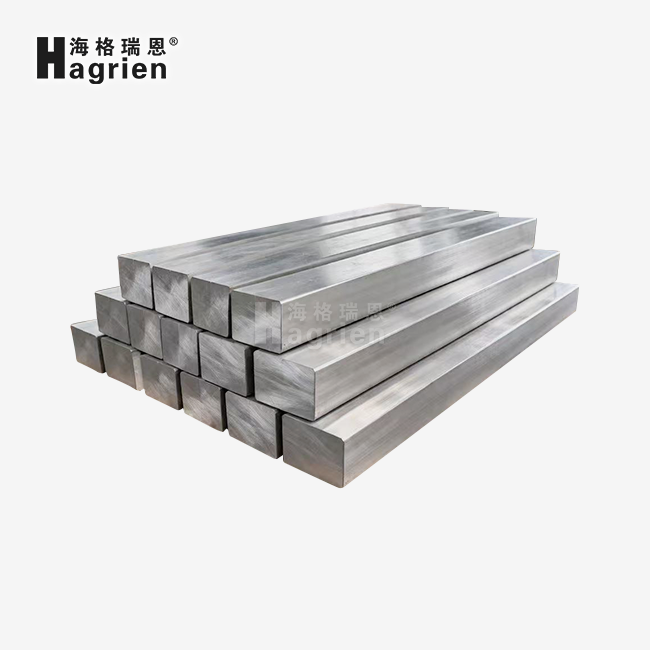
Automotive Magnesium alloy rectangular bar
Form: Customizable
Dissolution rate: Adjustable by alloy design and test condition
Documents:CNAS Inspection/ COA/COC available.
- Product Description
Automotive Magnesium Alloy Rectangular Bar – Lightweight Engineering Material for Modern Vehicles
When your vehicle development roadmap demands measurable weight reduction without compromising structural integrity, Automotive Magnesium alloy rectangular bar delivers exactly that balance. Shaanxi Hagrien Energy Technology produces these precision-extruded bars with density values of 1.78–1.83 g/cm³, tensile strength reaching 240–320 MPa, and dimensional tolerances held to ±0.2 mm across extrusions up to Ø300 mm. Our closed-loop manufacturing—spanning alloy melting, metallurgy control, extrusion, and precision machining—ensures repeatable microstructure, uniform grain distribution, and traceable batch records. With 7+ years of continuous production experience and CNAS-accredited verification capabilities, we support your transition from prototype validation to volume supply in 2–4 weeks for standard profiles and 4–8 weeks for custom geometries.
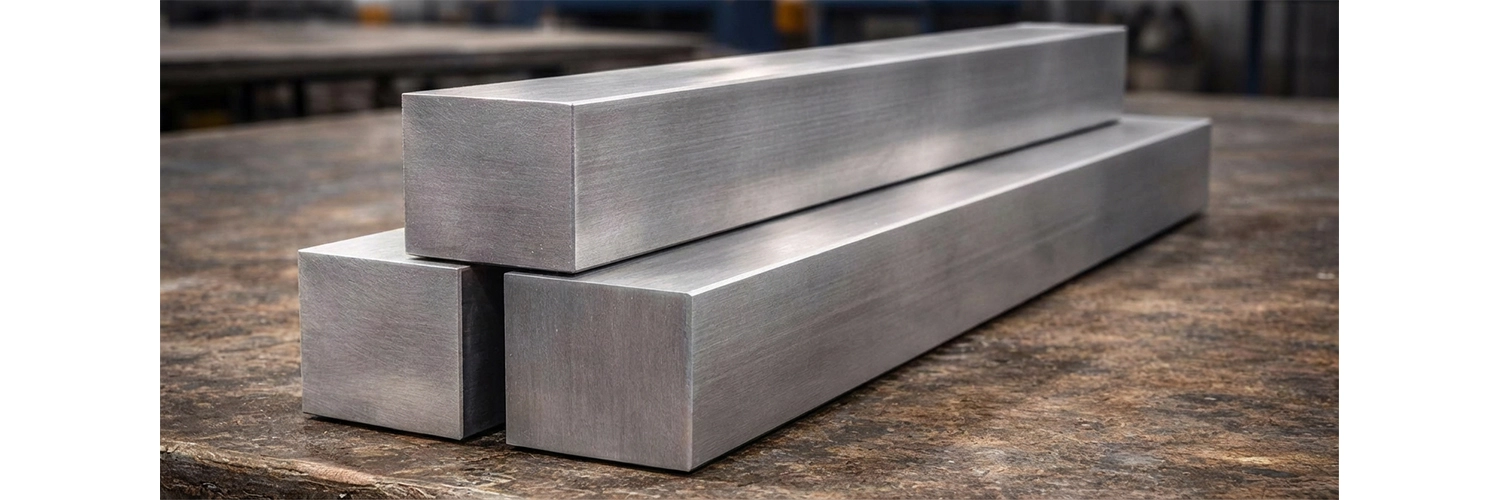

Why Choose Magnesium Alloy Rectangular Bars for Automotive Applications?
Proven Weight Savings with Real-World Impact
You're confronting strongly weight to diminish vehicle check weight. Steel and aluminum have as of now been optimized. Magnesium amalgam bars offer 33% weight diminishment versus aluminum and 75% versus steel, straightforwardly making strides fuel economy or amplifying EV extend by 5–8% per 10% mass reduction.
Superior Damping for Upgraded Cabin Comfort
Magnesium shows 10x the damping capacity of aluminum. When machined into instrument board bars, situate outlines, or directing column lodgings, these rectangular bars retain road-induced vibrations some time recently they reach travelers, quantifiably bringing down NVH scores in armada testing.
High Particular Quality for Auxiliary Confidence
With particular quality values between 150–200 kN·m/kg, you accomplish the inflexibility required for crash-active components—battery pack outlines, transmission cross-members, suspension brackets—without the mass punishment that compromises payload or speeding up execution.
Technical Specifications at a Glance
Item | Unit | AZ31B | AZ61A | AZ91D |
Density | g/cm³ | 1.77 | 1.80 | 1.81 |
Melting Point | ℃ | 566- 632 | 620- 630 | 470- 595 |
Tensile Strength | MPa | 255- 290 | 290- 315 | 230- 250 |
Yield Strength | MPa | 150- 200 | 170- 220 | 150- 170 |
Elongation | % | 12-21 | 10-16 | 3-5 |
Elastic Modulus | GPa | 45 | 45 | 45 |
Poisson’s Ratio | — | 0.32 | 0.31 | 0.32 |
Thermal Expansion Coefficient | 10⁻⁶ /℃ | 26 | 26 | 26 |
Thermal Conductivity | W/(m·K) | 70 | 65 | 50 |
Specific Heat Capacity | J/(kg·K) | 1000-1050 | 1050 | 1050 |
Electrical Resistivity | μΩ·cm | 92- 125 | 125 | 170 |
Brinell Hardness | HB | 56-73 | 60-70 | 63-90 |
Shear Modulus | GPa | 17 | 17 | 17 |
Fatigue Strength | MPa | 80- 110 | 90- 120 | 70- 100 |
Key Applications Where Rectangular Bars Solve Real Problems
EV Battery Pack Structural Frames
Battery cells are heavy. Your pack structure doesn't need to be. Rectangular magnesium bars machined into support rails and impact-absorption cross-members offset lithium-ion weight while maintaining crashworthiness. Thermal conductivity of 100–160 W/m·K aids passive heat dissipation, protecting cells during fast-charge cycles.
Instrument Panel Beams and Steering Columns
Dashboard vibration annoys drivers and impacts brand perception. Automotive Magnesium alloy rectangular bar profiles form the backbone of IP beams and steering column housings, where high stiffness-to-weight ratio and natural damping eliminate resonance frequencies between 20–200 Hz—the range most perceptible to human passengers.
Transmission Valve Bodies and Mounting Brackets
Powertrain components endure constant vibration and thermal cycling. Magnesium's machinability reduces tool wear by 40% versus titanium, lowering your per-part cost. Its dimensional stability across -40°C to +150°C operating windows ensures valve body alignment and bracket integrity over 200,000+ km service life.
Interior Seat Frame Cross-Members
Side-impact regulations demand energy absorption without adding mass to sliding mechanisms. Extruded rectangular bars provide the precise balance: high yield strength for daily load cycles, controlled plastic deformation during crash events, and weight savings that improve seat adjustment responsiveness.
What Sets Hagrien's Manufacturing Process Apart
Engineered Alloy Performance Matched to Your Conditions
We don't sell off-the-shelf grades and hope they fit. You specify operating temperature, expected load cycles, corrosion exposure, and machining route. Our metallurgy team adjusts Al/Zn ratios, grain refiners, and extrusion parameters to deliver the exact strength-toughness-machinability balance your application requires.
Large-Diameter Extrusion with Microstructure Uniformity
Extruding bars up to Ø300 mm is one thing. Maintaining grain size consistency from surface to core is another. Our process discipline ensures less than 5% variation in hardness across cross-sections, which means predictable tool life and dimensional accuracy when you machine complex geometries.
Full Traceability from Melt to Delivery
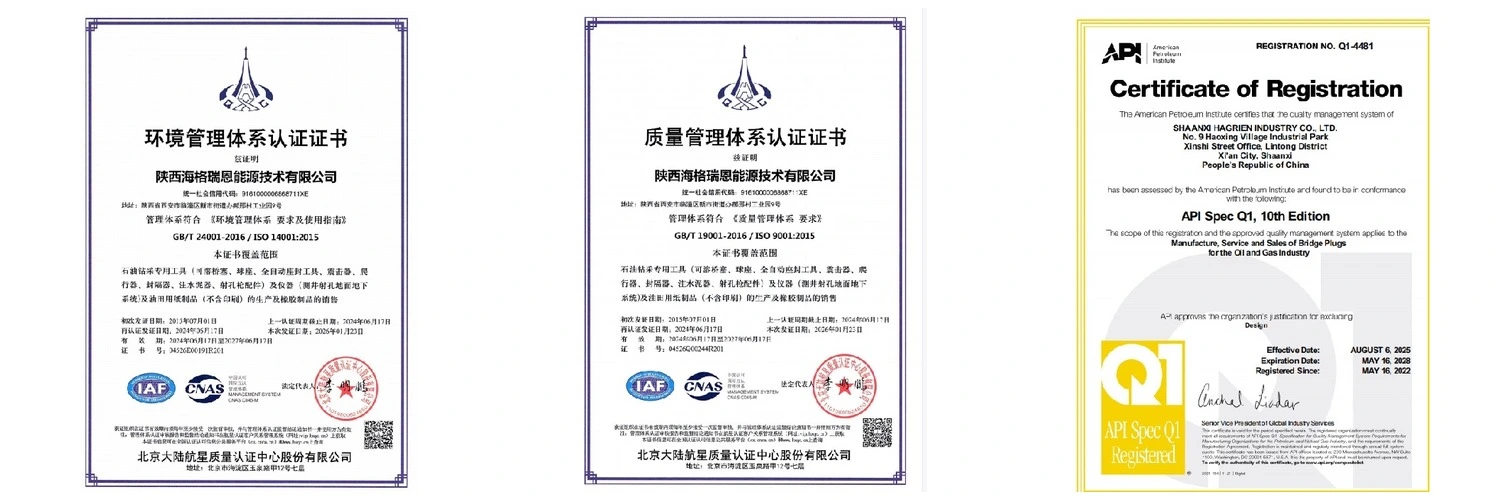
Every batch ships with COA (Certificate of Analysis), COC (Certificate of Conformance), and SDS documentation. Our CNAS-accredited HTHP laboratory validates mechanical properties before extrusion. Batch codes trace back to melt composition, extrusion date, and heat treatment parameters—critical when you face audits or need to root-cause field issues.
Prototype-to-Production Scalability
You send a drawing. We deliver prototypes in 4 weeks, validate dimensions and properties with you, then lock process parameters for repeat orders. No performance drift between sample and serial production—because we control melting, extrusion, and heat treatment in-house.

How to Evaluate Suppliers When Sourcing Rectangular Magnesium Bars?
Dimensional Consistency Over Batches
Ask for cross-sectional resistance information from the final 10 generation runs. Varieties past ±0.3 mm make machining setup migraines and increment scrap rates. Hagrien holds ±0.2 mm since we screen kick the bucket temperature and expulsion speed in genuine time.
Surface Quality and Oxide Layer Control
Magnesium oxidizes quicker than aluminum. Destitute surface prep leads to instrument chatter and corrective absconds. Ask Ra values and visual assessment criteria. Our bars dispatch at Ra ≤ 1.6 μm with defensive coating alternatives to anticipate dealing with harm amid logistics.
Alloy Review Confirmation and Pollution Limits
Generic "AZ31" implies nothing without spectrometry reports. Press and nickel defilement over 0.005% quickens galvanic erosion in mixed-material gatherings. Request third-party test reports, not fair provider declarations.
Lead Time Consistency Beneath Volume Ramp
Prototype victory implies nothing if your provider can't scale. Affirm security stock levels, expulsion press capacity, and reinforcement crude fabric sources. Hagrien keeps up 4-week standard lead times indeed amid Q4 car generation crests.
Exhibition

Frequently Asked Questions
What is the item primarily utilized for?
The product is fundamentally machined into lightweight basic parts—battery pack outlines, IP pillars, transmission brackets, and situate cross-members. Buyers need to know if the fabric meets target working conditions, survives the arranged machining course, and performs dependably in last gathering without making downstream chance like breaking, distorting, or untimely wear.
What key highlights ought to buyers assess when sourcing the product?
Focus on combination review consistency, dimensional resilience, surface quality, and machining execution. Too survey mass lessening potential and handle repeatability for serial generation. In trade acquiring, these variables straightforwardly influence handling surrender, field unwavering quality, item consistency, and add up to fetched of provider qualification—including review arrangement time.
Why do worldwide buyers select Hagrien for the product?
Hagrien coordinating amalgam dissolving, expulsion, machining coordination, and quality control beneath one roof. This underpins both standard fabric supply and custom lightweight component improvement. You diminish reliance on divided providers, quicken communication (RFQ reaction inside 24 hours), and move from test approval to steady volume supply more efficiently—typically 4–8 weeks for custom profiles versus 12+ weeks with multi-vendor chains.
Can magnesium bars be welded or joined in car assembly?
Yes, but with prepare control. TIG and contact mix welding work well for magnesium-to-magnesium joints. For mixed-material congregations (magnesium to aluminum or steel), utilize mechanical latches with segregation coatings to avoid galvanic erosion. Hagrien gives joining proposals based on your particular get together environment and erosion introduction profile.
How does magnesium compare to aluminum for crashworthiness?
Magnesium combinations display lower outright prolongation than aluminum (6–12% vs. 10–18%), but higher particular vitality retention due to lower thickness. In crash scenarios, legitimately planned magnesium components misshape typically, retaining affect vitality without disastrous fragile failure—provided divider thickness and rib geometry take after design-for-magnesium standards, which our building group bolsters amid model stage.
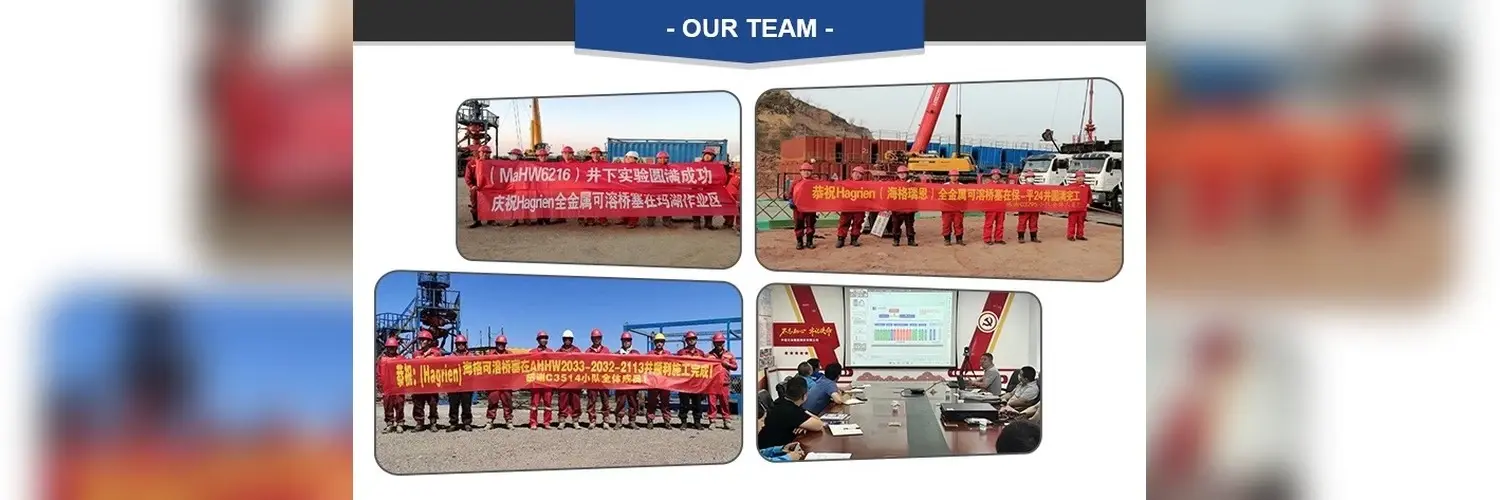
Ready to Reduce Vehicle Weight Without Compromising Performance?
Reach out to cyrus@us-hagrien.com to start your lightweighting project today with Automotive Magnesium alloy rectangular bar.

USER EVALUATE
Here is the customer's evaluation of us
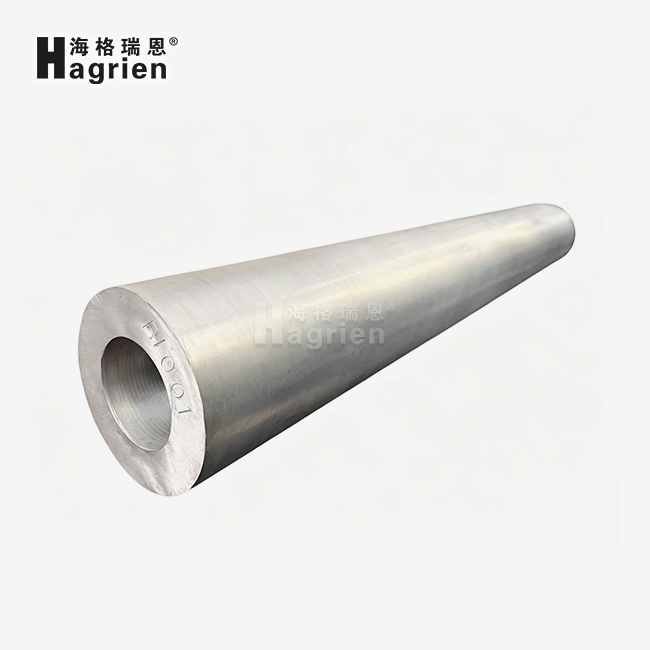 VIEW MOREControlled-Dissolution Magnesium Alloy Hollow Tube
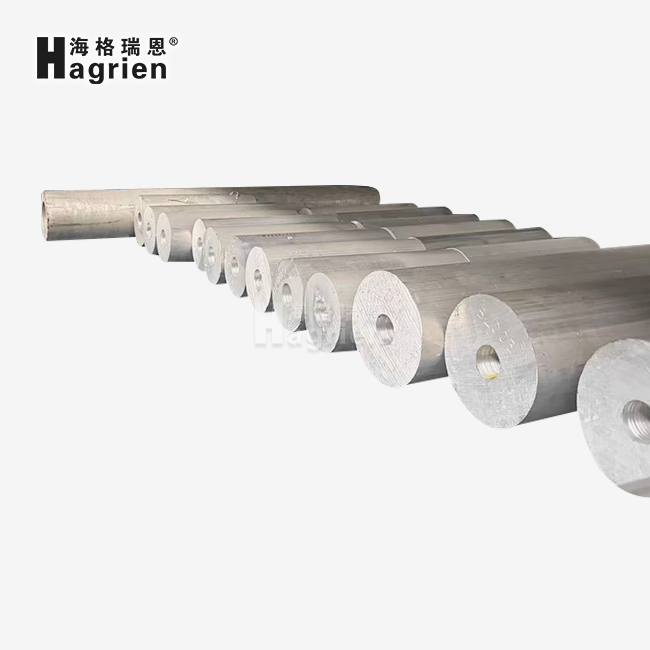 VIEW MOREMagnesium alloy hollow tube
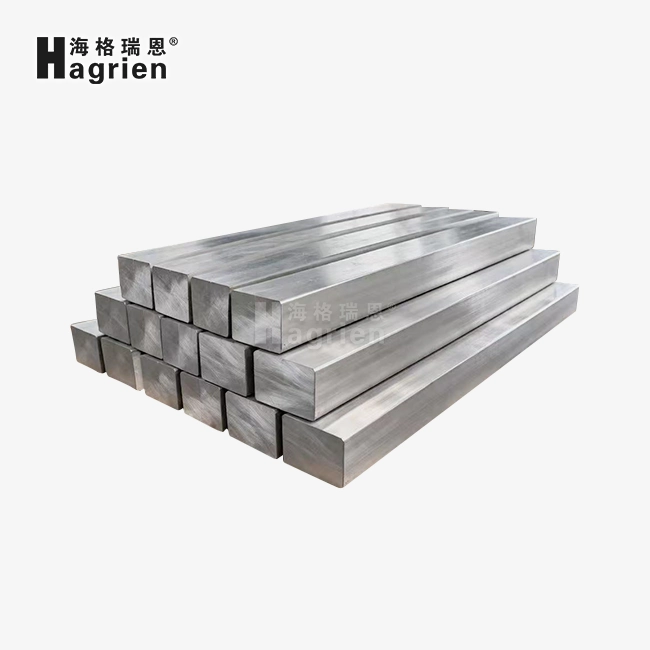 VIEW MOREControlled-Dissolution Magnesium Alloy Square Bar
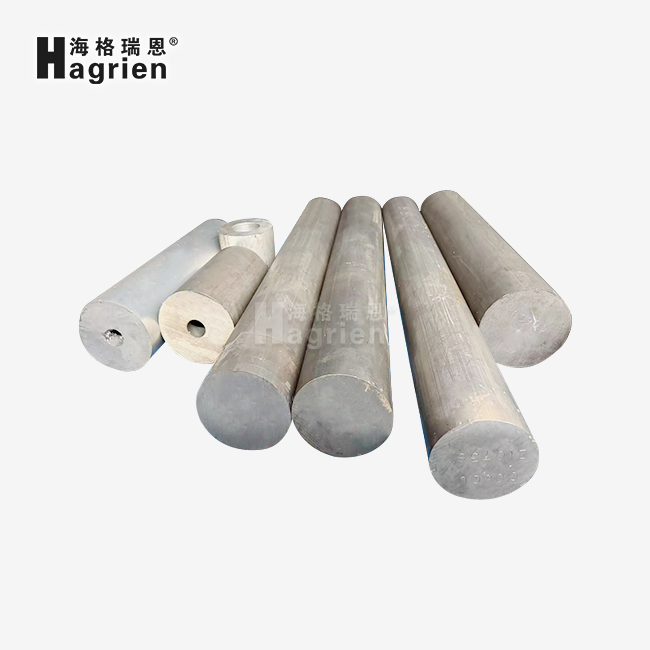 VIEW MOREMagnesium alloy tube billet
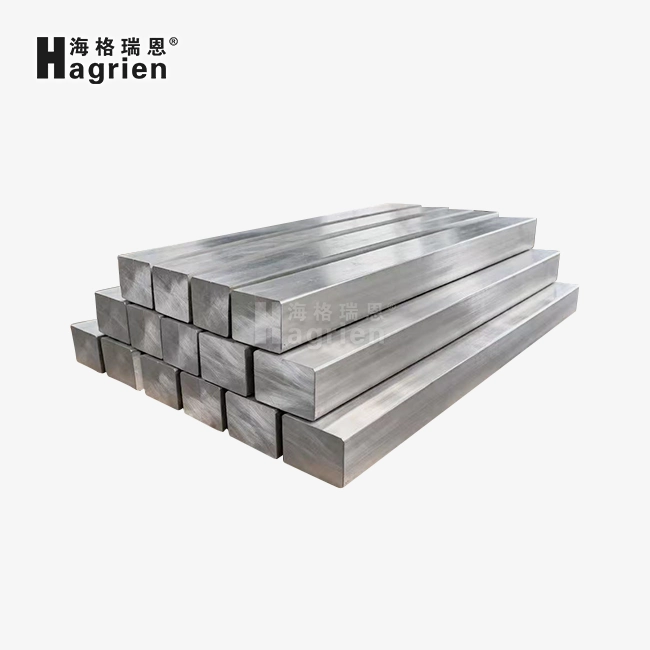 VIEW MOREMagnesium alloy rectangular bar
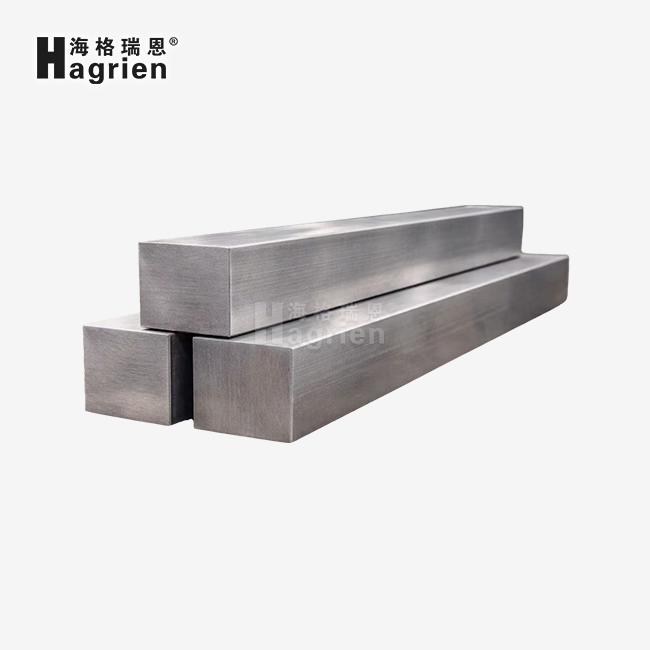 VIEW MOREMagnesium alloys square bar
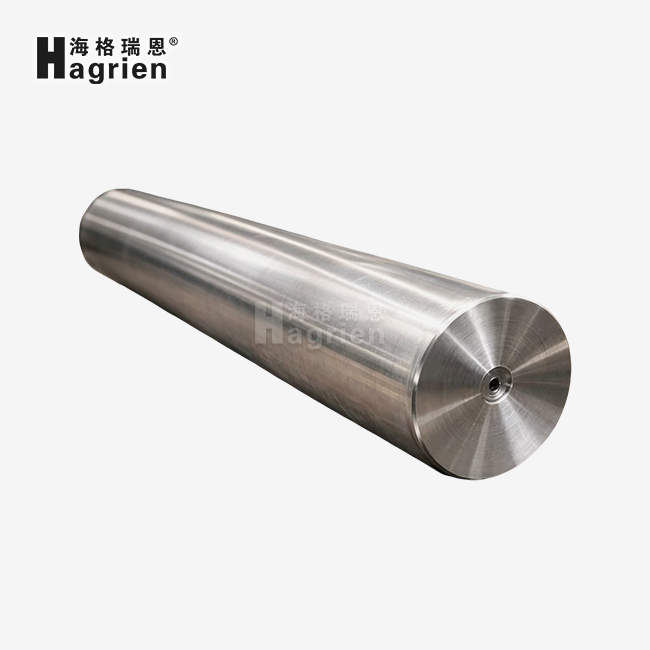 VIEW MORE3C electronic Magnesium alloy round bar
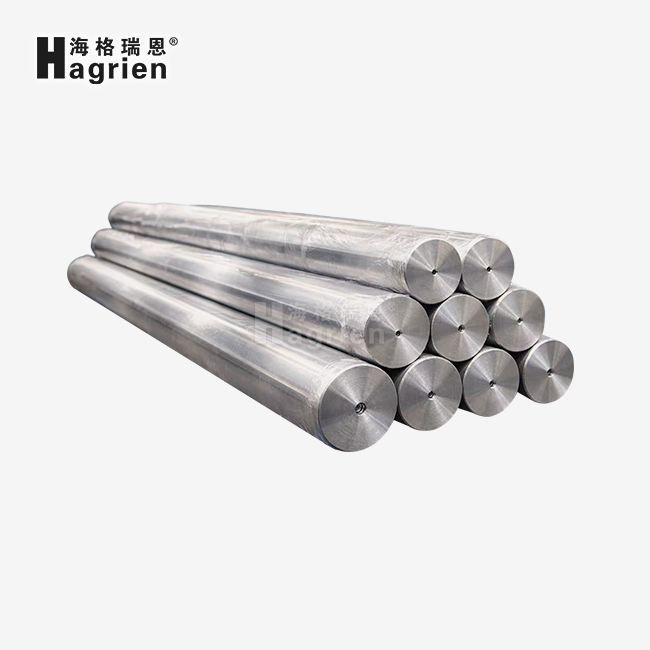 VIEW MOREAutomotive Magnesium alloy round bar