_1776908283214.jpg)




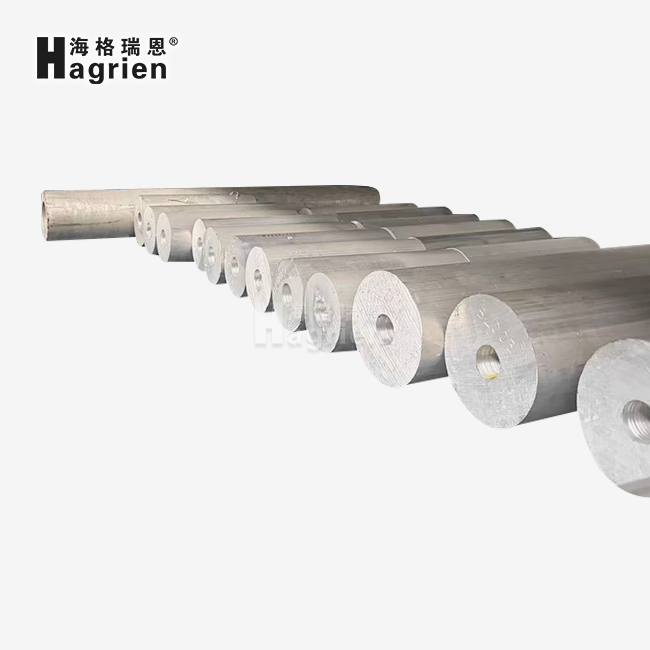
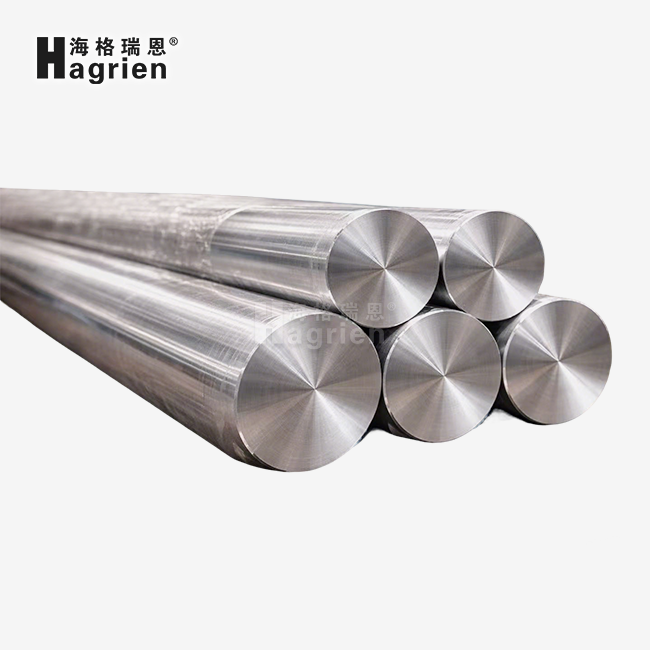
Magnesium alloy hollow tube
Form: Customizable
Dissolution rate: Adjustable by alloy design and test condition
Documents:CNAS Inspection/ COA/COC available.
- Product Description
Magnesium Alloy Hollow Tube – Lightweight Precision Tubing for Industrial Applications
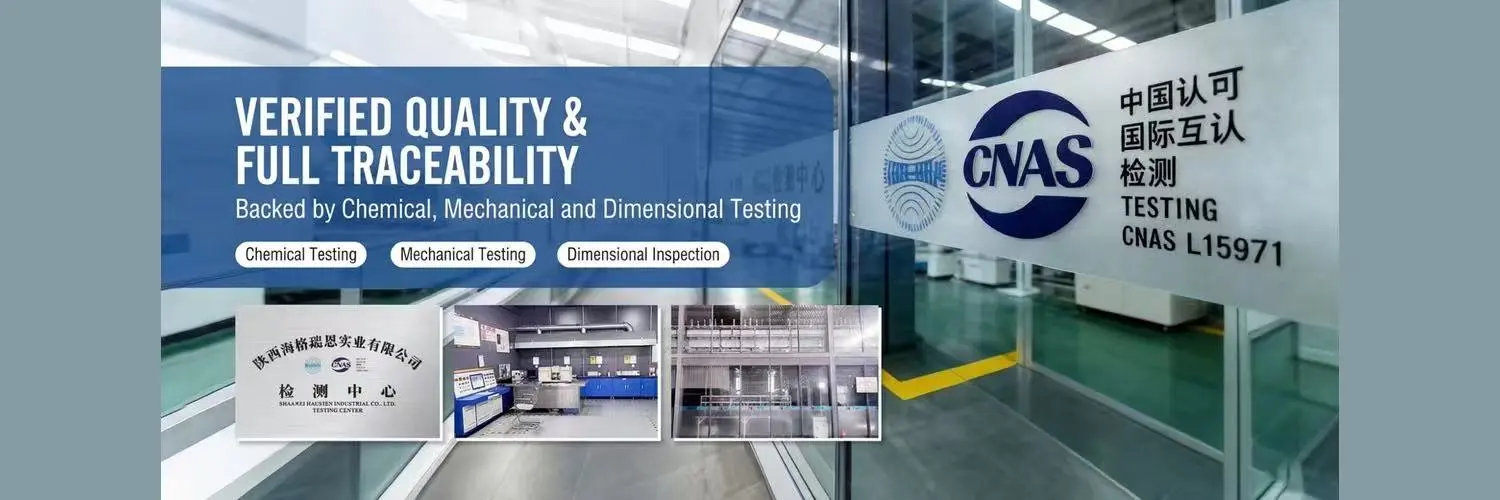
Magnesium alloy hollow tube from Shaanxi Hagrien Energy Technology delivers enterprise-grade solutions with extrusion diameters up to Ø300 mm, wall thickness control down to ±0.05 mm, and full batch traceability through our CNAS-accredited lab. With 7+ years of continuous production experience and a closed-loop manufacturing system covering alloy melting, extrusion, and precision machining, we help you reduce downstream processing risk, improve component consistency, and accelerate your commercialization timeline—whether you're sourcing standard profiles or custom-engineered tubular structures.
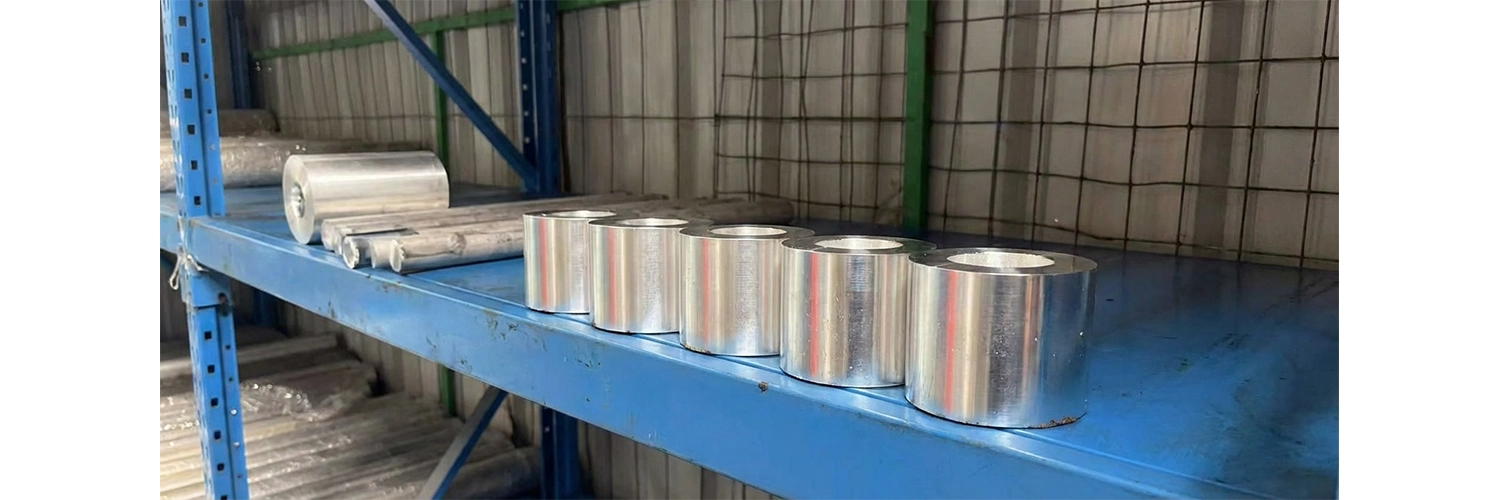
What Is a Magnesium Alloy Hollow Tube?
A empty tube made from magnesium-based combinations is the lightest metallic auxiliary fabric you can indicate for mechanical use.
It's made through expulsion, drawing, or welding processes.
Common alloying components incorporate aluminum, zinc, and manganese.
These augmentations boost quality, erosion resistance, and workability.
You get a tube that weighs almost two-thirds less than steel and one-third less than aluminum.
But it still conveys noteworthy load-bearing capacity.
This fathoms the weight-strength challenge in segments like aviation, car, and energy.
Traditional materials regularly constrain you to select between softness and durability.
With magnesium empty segments, you do not have to compromise.
Plus, the fabric offers great damping properties.
That implies way better vibration control in pivoting apparatus and energetic structures.
And since it's a metal, it's completely recyclable—unlike composites.
Key Applications: Where Hollow Magnesium Tubing Makes a Real Difference?
Aerospace & UAV Frameworks
Every gram you save translates directly into longer flight range or higher payload.
Magnesium alloy hollow tubes are ideal for fuselage stringers, landing gear internals, and structural ribs.
They resist fatigue under cyclic loading—a must for airframes.
Automotive Lightweighting
Electric vehicles require to balanced overwhelming battery packs.
Hollow magnesium segments work superbly in instrument board bars, situate outlines, and auxiliary brackets.
They lower the vehicle's center of gravity and move forward crashworthiness through prevalent vitality absorption.
Medical Mobility Devices
Ultra-lightweight manual wheelchairs and oxygen barrel underpins advantage from simple dealing with without relinquishing auxiliary integrity.
Your patients get way better mobility.
Your coordinations get simpler.
Oil & Gas Downhole Tools
In dissolvable apparatus applications, empty magnesium tubing serves as the central mandrel in bridge plugs and frac components.
It withstands extraordinary downhole weight, at that point breaks up typically in created water—eliminating exorbitant recovery operations.
Why Hagrien's Magnesium Alloy Hollow Tube Stands Out?
Engineered for Real Operating Conditions
We do not fair expel tubes.
We plan combination frameworks based on your genuine environment—temperature, stack cycles, liquid introduction, and benefit life.
That guarantees you get adjusted execution: tall quality, great machinability, and repeatable results.
Large-Diameter Capability with Tight Tolerances
Our expulsion lines handle distances across up to Ø300 mm.
We keep up uniform microstructure, dimensional soundness, and smooth surface wrap up over each batch.
That decreases your machining scrap and downstream revamp.
Full Traceability & Quality Documentation
Every production batch comes with:
- Certificate of Analysis (COA)
- Certificate of Conformance (COC)
- Safety Data Sheet (SDS)
- Inspection records tied to batch numbers
You get audit-ready documentation that speeds up supplier qualification.
Closed-Loop Manufacturing System
From raw material melting to final machining coordination, we control every critical step in-house.
That means faster prototyping, scalable production, and consistent quality—even for custom profiles.
Fast, Reliable Lead Times
- Standard sizes: 2–4 weeks
- Custom profiles: 4–8 weeks
- Expedited delivery available when you need it
We keep safety stock for popular dimensions, so you're never stuck waiting.
Technical Specifications
Parameter | Specification |
|---|---|
Alloy Type | AZ31, AZ61, ZK60, or custom formulations |
Outer Diameter Range | Ø10 mm – Ø300 mm |
Wall Thickness Range | 1.0 mm – 20 mm (precision down to 0.5 mm on request) |
Tolerance | ±0.05 mm (wall thickness), ±0.1 mm (OD) |
Length | Up to 6,000 mm (custom lengths available) |
Surface Treatment | As-extruded, anodized, MAO/PEO coating, powder coating |
Tensile Strength | 240–350 MPa (depending on alloy) |
Yield Strength | 180–280 MPa |
Elongation | 8–15% |
Density | ~1.8 g/cm³ |
Corrosion Resistance | Enhanced with MAO or PEO coating |
Lead Time | 2–8 weeks depending on customization |
Certifications | ISO 9001, ISO 14001, ISO 45001, CNAS lab accreditation |
What to Evaluate When Sourcing Magnesium Hollow Tubing?
Wall-Thickness Consistency
Uneven walls lead to machining problems and field failures.
Check whether your supplier can prove dimensional control across batch production.
Internal Soundness
Porosity or inclusions compromise strength and fatigue life.
Ask for ultrasonic testing reports or cross-sectional inspections.
Alloy Uniformity
Inconsistent chemistry means unpredictable performance.
Look for suppliers with in-house melting and metallurgy control.
Machining Performance
Some tubes look good but crack or warp during drilling, threading, or turning.
Verify that the material has been stress-relieved and annealed properly.
These factors directly affect your processing yield, field reliability, and total cost of qualification.
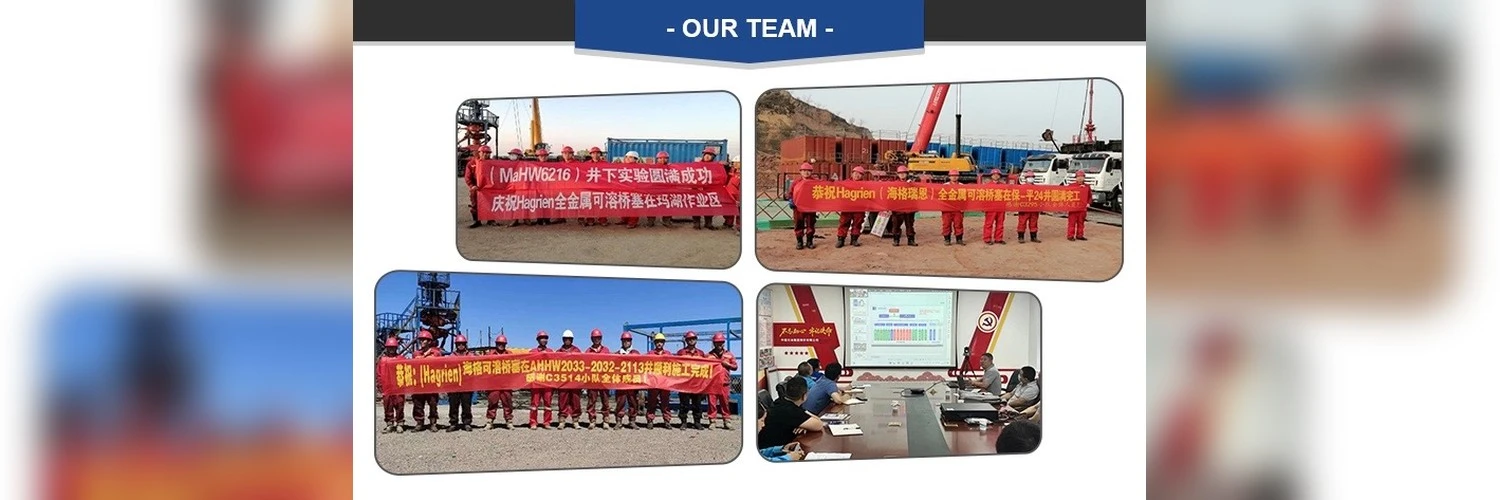
Our Exhibiton

CNC Machining
Frequently Asked Questions
1. What is a item basically utilized for?
It's primarily utilized for lightweight empty areas, tubes, and machined tubular components.
Buyers as a rule need to know whether the item can meet the target working condition, machining course, and last application necessity without making superfluous downstream risk.
2. What key highlights ought to buyers assess when sourcing the products?
You ought to assess wall-thickness consistency, inner soundness, combination consistency, and machining performance.
In send out obtaining, these components matter since they specifically influence handling surrender, field unwavering quality, item consistency, and the add up to taken a toll of qualification.
3. Why do universal buyers select Hagrien for the products?
Hagrien combines combination softening, expulsion, machining coordination, and quality control to bolster both standard supply and custom lightweight component development.
This makes a difference you decrease reliance on a single provider, move forward communication speed, and move from test approval to steady volume supply more efficiently.
4. How does the tube perform in destructive environments?
While magnesium is normally receptive, present day tubes utilize Micro-Arc Oxidation (MAO) or PEO coatings to accomplish erosion resistance comparable to high-grade aluminum.
5. Can these tubes be welded utilizing ordinary methods?
Yes, TIG and MIG welding are standard, given a defensive argon air is utilized to anticipate oxidation.
Laser welding is progressively utilized for exactness thin-walled tubes.
6. Is there a risk of flammability during machining?
Only in fine powder form.
Solid hollow tubes are thermally stable and do not ignite under normal operating or machining temperatures with proper coolant management.
7. What is the minimum wall thickness achievable?
Through accuracy cold drawing, divider thicknesses as moo as 0.5 mm can be achieved.
However, 1.0 mm to 3.0 mm is the industry standard for basic stability.
8. How do you guarantee the tubes do not twist over time?
We actualize a auxiliary stress-relief toughening prepare after extrusion.
This guarantees long-term dimensional steadiness and dispenses with remaining inner stresses.
Why Work With Hagrien?
You're not fair buying tubing.
You're collaborating with a producer that gets it your whole workflow—from fabric choice to last assembly.
We react to RFQs inside 24 hours and provide citations inside 1–3 trade days.
Our U.S. substance guarantees smooth coordination over time zones.
And our designing group underpins you with FAT arranging, model advancement, and drawing-based production.
Whether you require standard profiles or a completely custom arrangement, we offer assistance you diminish trial-and-error costs and get to advertise quicker.
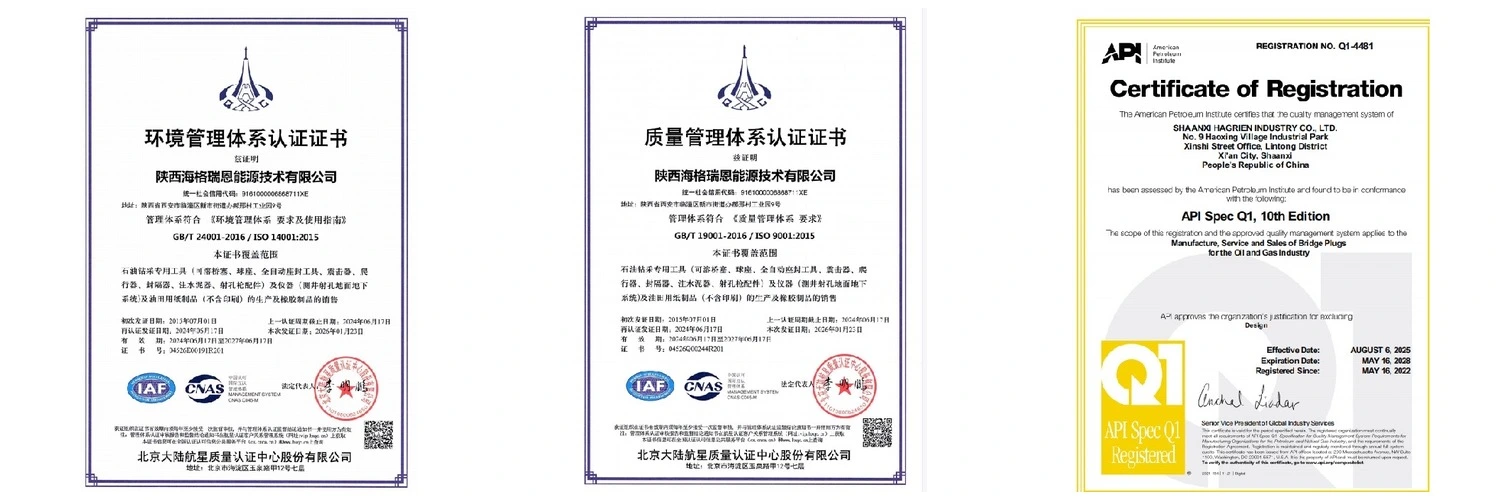
Contact Us
Ready to source reliable, traceable Magnesium alloy hollow tube? Reach out today: cyrus@us-hagrien.com

USER EVALUATE
Here is the customer's evaluation of us
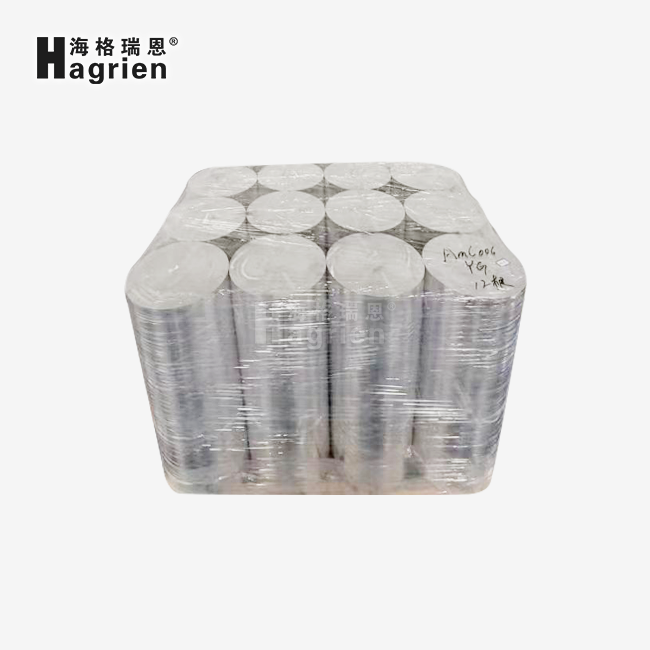 VIEW MOREMagnesium alloy Ingot for Melting
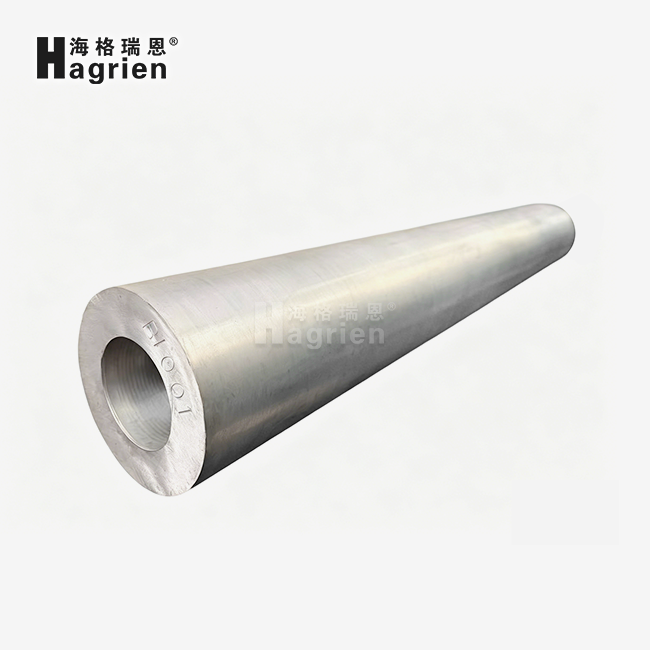 VIEW MOREControlled-Dissolution Magnesium Alloy Seamless Pipe
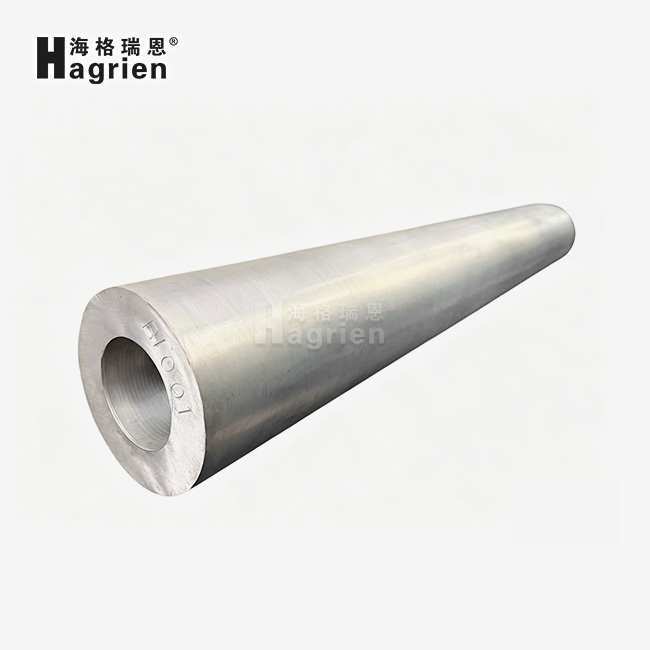 VIEW MOREHigh-Temperature Dissolvable Magnesium Alloy hollow tube
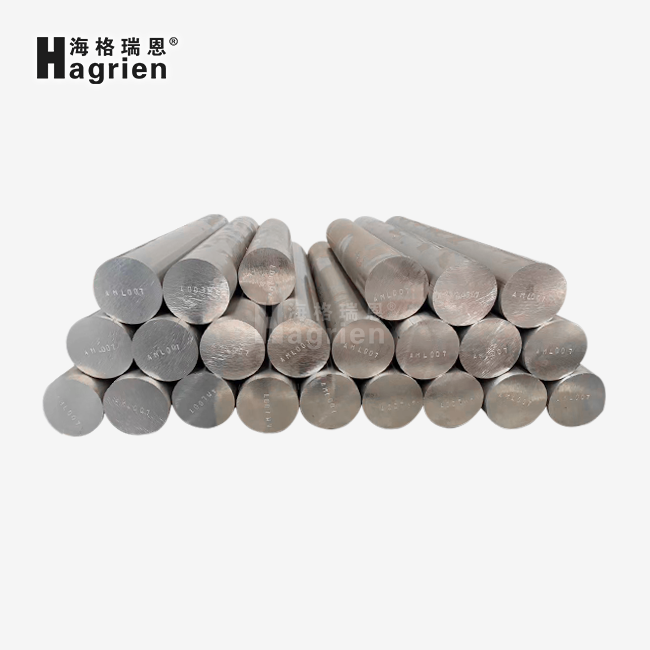 VIEW MOREControlled-Dissolution Magnesium Alloy Round Bar
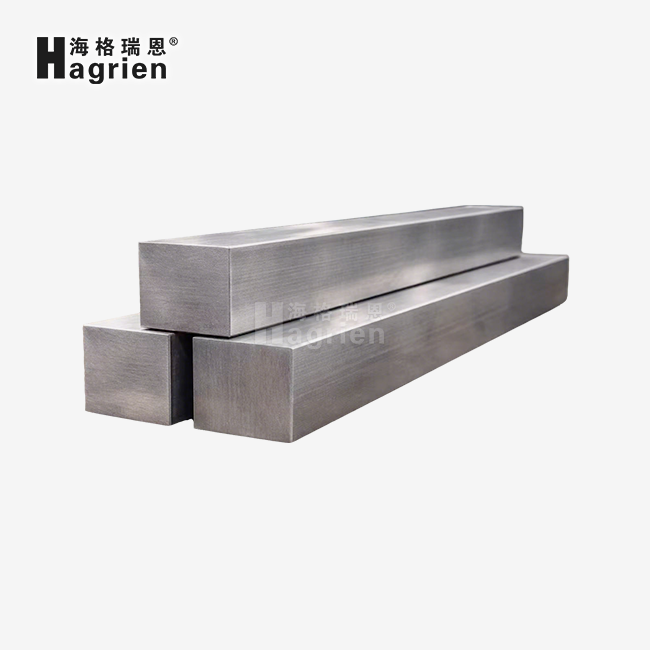 VIEW MOREAerospace Magnesium alloys square bar
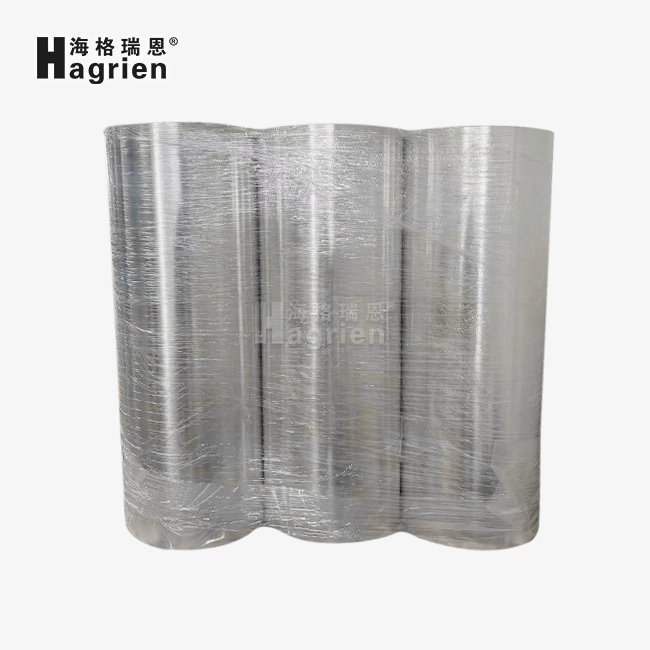 VIEW MOREHigh-Temperature Dissolvable Magnesium Alloy raw material
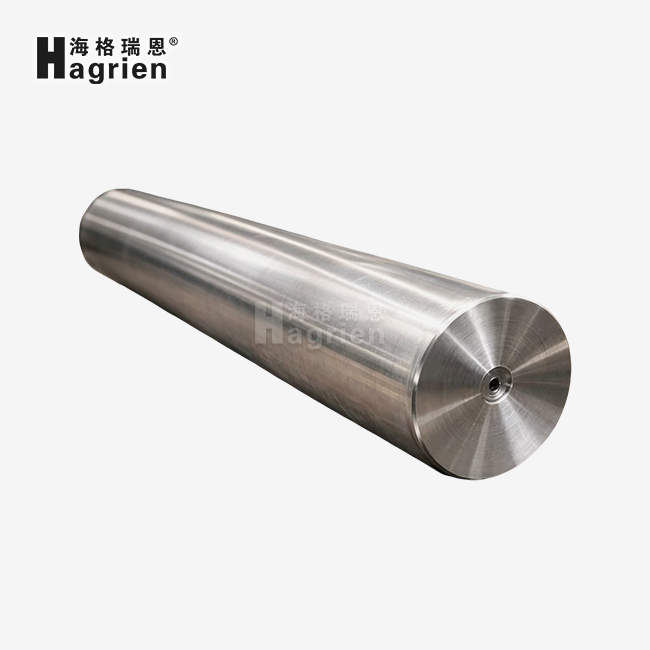 VIEW MORE3C electronic Magnesium alloy round bar
 VIEW MOREAerospace Magnesium alloy round bar