_1776908283214.jpg)




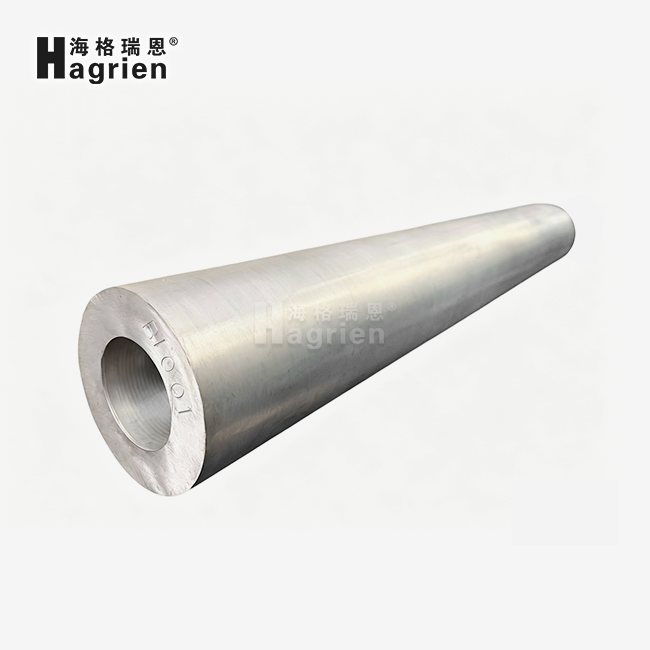
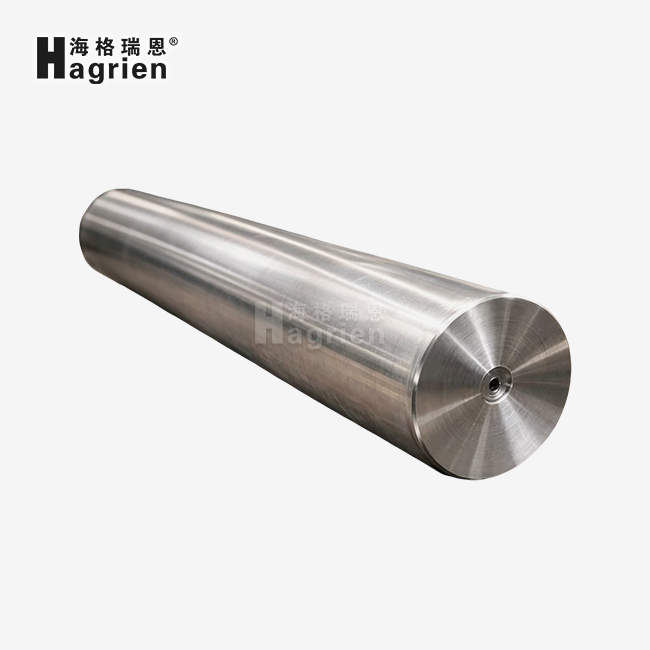
Magnesium alloy tube profile
Form: Customizable
Dissolution rate: Adjustable by alloy design and test condition
Documents:CNAS Inspection/ COA/COC available.
- Product Description
Magnesium Alloy Tube Profile – Lightweight, High-Strength Solutions for Critical Applications
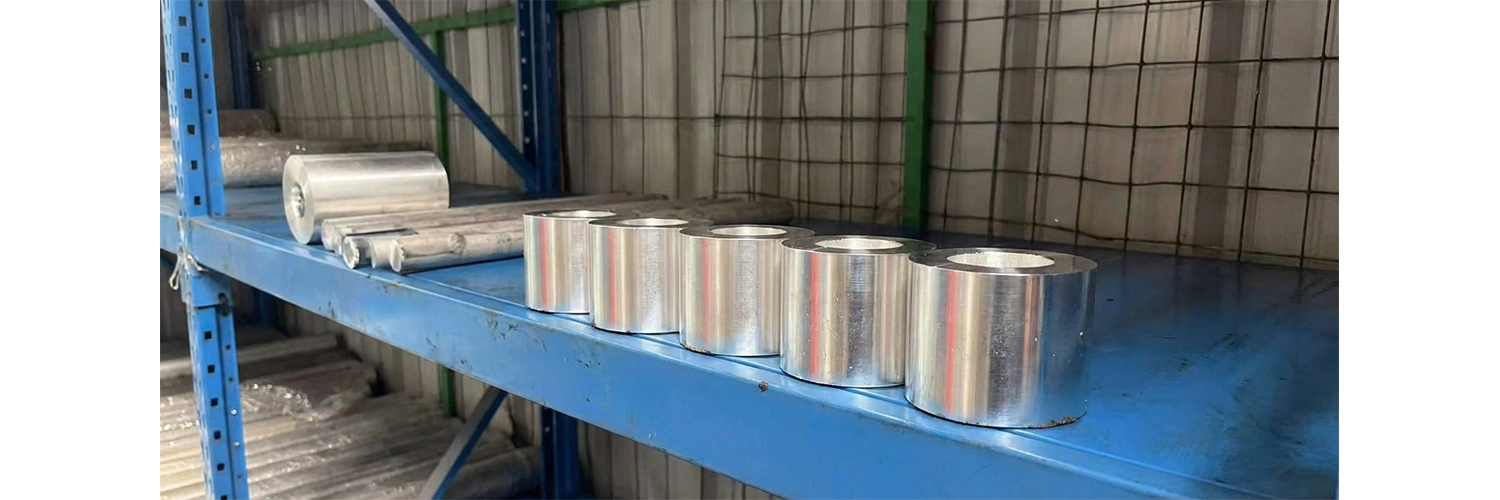
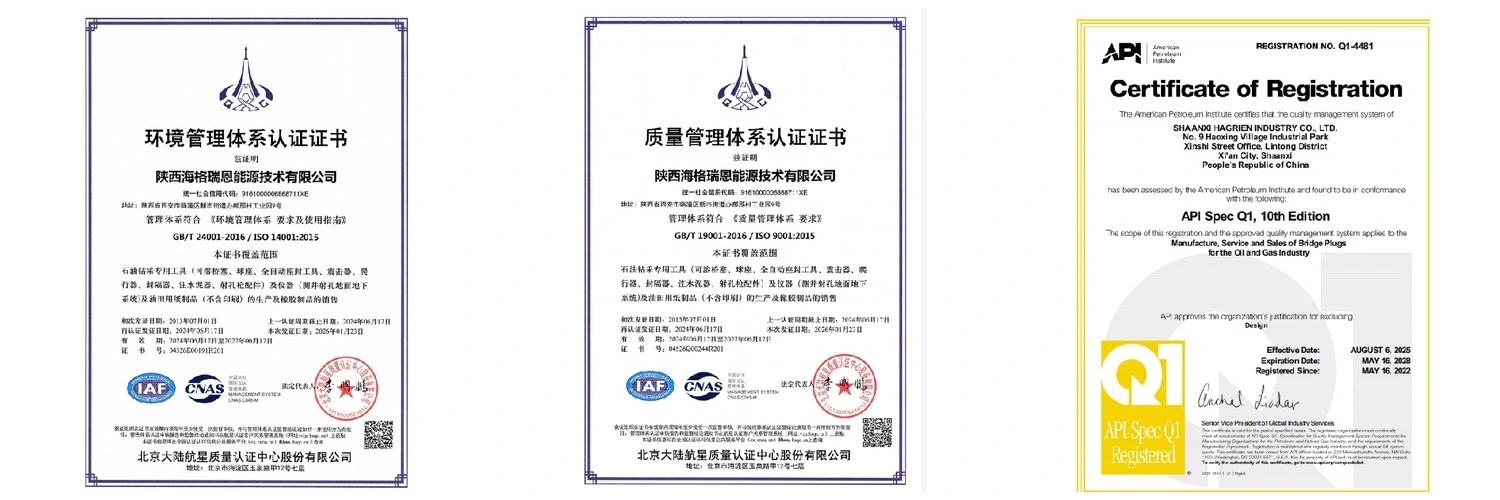
When you're sourcing materials for weight-sensitive projects, Magnesium alloy tube profile from Shaanxi Hagrien Energy Technology delivers the performance you need. Our profiles feature a density of just 1.8g/cm³—33% lighter than aluminum and 75% lighter than steel—while maintaining high specific strength and exceptional damping characteristics. We control the entire manufacturing chain, from alloy melting through extrusion to precision machining, producing profiles up to Ø300 mm with uniform microstructure and dimensional consistency. With lead times of 2–4 weeks for standard sizes and full traceability documentation (COA/COC/SDS), you get reliable supply backed by ISO 9001/14001/45001 certification and CNAS-accredited testing.
What Makes Our Magnesium Alloy Tube Profile Different?
You do not fair require a lightweight tube. You require unsurprising execution, steady quality, and a provider who gets it your downstream requirements.
Engineered for Real-World Conditions
Our item is outlined with your application in intellect. We define amalgam systems—including AZ31B, AZ61, and ZK60 variants—based on working temperature, mechanical loads, and natural presentation. This guarantees you get fabric that equalizations quality, durability, machinability, and erosion resistance without compromise.
Large-Diameter Capability with Zero Surprises
Producing large-diameter profiles isn't sufficient. You require them to be steady. Our closed-loop expulsion prepare conveys poles and billets up to Ø300 mm with:
- Uniform grain structure across the cross-section
- Tight dimensional tolerances
- Smooth surface finish that reduces machining time
This means fewer rejected parts, lower scrap rates, and faster throughput in your shop.
Technical Properties That Solve Your Design Challenges
Item | Unit | AZ31B | AZ61A | AZ91D |
Density | g/cm³ | 1.77 | 1.80 | 1.81 |
Melting Point | ℃ | 566- 632 | 620- 630 | 470- 595 |
Tensile Strength | MPa | 255- 290 | 290- 315 | 230- 250 |
Yield Strength | MPa | 150- 200 | 170- 220 | 150- 170 |
Elongation | % | 12-21 | 10-16 | 3-5 |
Elastic Modulus | GPa | 45 | 45 | 45 |
Poisson’s Ratio | — | 0.32 | 0.31 | 0.32 |
Thermal Expansion Coefficient | 10⁻⁶ /℃ | 26 | 26 | 26 |
Thermal Conductivity | W/(m·K) | 70 | 65 | 50 |
Specific Heat Capacity | J/(kg·K) | 1000-1050 | 1050 | 1050 |
Electrical Resistivity | μΩ·cm | 92- 125 | 125 | 170 |
Brinell Hardness | HB | 56-73 | 60-70 | 63-90 |
Shear Modulus | GPa | 17 | 17 | 17 |
Fatigue Strength | MPa | 80- 110 | 90- 120 | 70- 100 |
These aren't just specs on a datasheet. They're performance advantages that let you design lighter, faster, and more efficient systems.
Where Our Profiles Deliver Real Value?
Aerospace & Defense
Every kilogram saved translates into fuel efficiency or increased payload capacity. Our profiles are used in:
- Fuselage seat frames
- Cockpit instrument supports
- Avionics mounting brackets
High damping capacity protects sensitive equipment from vibration during flight or launch. Compliance with AMS 4375, AMS 4377, and ASTM B107/B107M ensures you meet stringent aerospace standards.
New Energy Vehicles (NEVs)
Extending battery range starts with reducing weight. Our tubes are integrated into:
- Steering column supports
- Dashboard cross-car beams
- Battery tray components
Superior energy absorption improves crashworthiness while keeping overall vehicle mass low.
High-End Medical Equipment
Portability matters in emergency response and patient care. Our profiles enable:
- Lightweight diagnostic machinery frames
- Advanced mobility aids (wheelchairs, stretchers)
- Portable imaging equipment housings
Low mass combined with structural rigidity improves operator ergonomics and patient safety.
Oil & Gas Downhole Tools
In dissolvable tool applications, our Magnesium alloy tube profile offers controlled dissolution rates tailored to fluid chemistry, temperature, and salinity. This ensures predictable downhole performance and reduces retrieval costs.
Why International Buyers Choose Hagrien?
Closed-Loop Manufacturing Control
We don't outsource critical steps. Our integrated system includes:
- Alloy melting with precise composition control
- Hot extrusion with real-time process monitoring
- Precision machining coordination
- In-house quality verification
This eliminates the risks of multi-vendor supply chains and ensures repeatability batch after batch.
Verification-First Approach
You get more than a product. You get confidence. Every shipment includes:
- Certificate of Analysis (COA)
- Certificate of Conformance (COC)
- Safety Data Sheet (SDS)
- Full batch traceability records
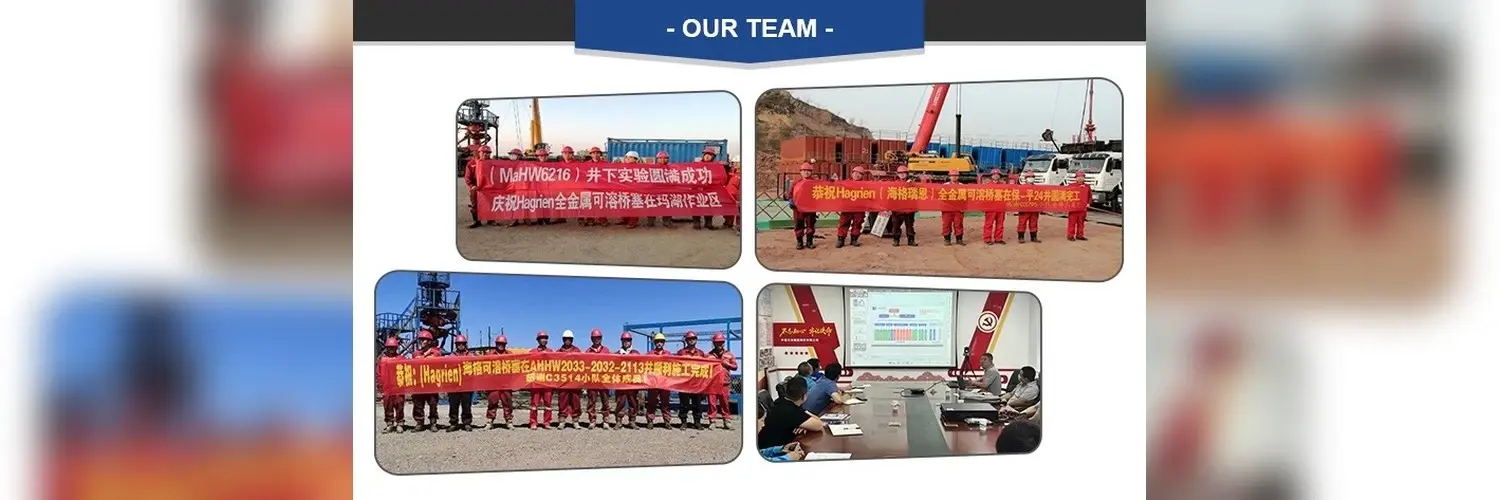
Our CNAS-accredited HTHP laboratory performs mechanical, chemical, and metallurgical testing to confirm compliance before shipping.
Engineering Support from Prototype to Production
Moving from concept to volume manufacturing is risky. We help you reduce trial-and-error costs through:
- Drawing-based custom extrusion
- Prototype development and testing
- Factory Acceptance Test (FAT) coordination
- Transition planning to mass production
This accelerates your commercialization timeline and minimizes downstream processing issues.
Responsive Global Service
Time zones shouldn't slow you down. We provide:
- RFQ response within 24 hours
- Quotation within 1–3 business days
- Weekly project updates aligned with North American schedules
- U.S. operational presence for coordination
You always know where your project stands.
Key Considerations When Sourcing Magnesium Alloy Tube Profile
What Should You Evaluate?
When comparing suppliers, focus on these factors:
- Wall-thickness consistency: Variations lead to machining difficulties and scrap
- Internal soundness: Porosity or inclusions cause unpredictable failure
- Alloy uniformity: Inconsistent chemistry affects mechanical properties
- Machining performance: Poor material behavior increases tooling costs
These directly impact your processing yield, field reliability, and total cost of qualification.
Addressing Corrosion Concerns
Magnesium's reactivity requires proper handling. We recommend:
- Using stainless steel fasteners with non-conductive washers
- Applying Micro-Arc Oxidation (MAO) or Tagnite coatings
- Storing profiles in controlled environments (RH < 50%)
- Avoiding contact with dissimilar metals
We provide detailed handling guidelines with every order.
Can These Profiles Be Welded?
Yes. Our material is compatible with TIG and MIG welding using appropriate filler wires (AZ61 or AZ92A) under high-purity argon shielding. This prevents oxidation and ensures joint integrity.
Exhibition

Frequently Asked Questions
Q1: What is the item basically utilized for?
The item is basically utilized for lightweight empty segments, tubes, and machined tubular components. Buyers as a rule need to know whether the item can meet the target working condition, machining course, and last application necessity without making superfluous downstream risk.
Q2: What key highlights ought to buyers assess when sourcing the product?
Buyers ought to assess wall-thickness consistency, inner soundness, combination consistency, and machining execution. In trade obtaining, these components matter since they straightforwardly influence preparing abdicate, field unwavering quality, item consistency, and the add up to fetched of qualification.
Q3: Why do worldwide buyers select Hagrien for the product?
Hagrien combines amalgam dissolving, expulsion, machining coordination, and quality control to back both standard supply and custom lightweight component improvement. This makes a difference clients diminish reliance on a single provider, make strides communication speed, and move from test approval to steady volume supply more efficiently.
Q4: How do you avoid galvanic erosion in assemblies?
We suggest utilizing stainless steel clasp with non-conductive washers or applying specialized coatings like MAO (Micro-arc Oxidation) combined with a polymer topcoat to break the electrical circuit.
Q5: What is the greatest working temperature for AZ31B tubes?
AZ31B is regularly prescribed for applications underneath 120°C. For higher temperatures, rare-earth magnesium combinations ought to be specified.
Q6: Why select Magnesium over Carbon Fiber?
While both are light, profiles offer superior affect durability, higher temperature resistance, predominant EMI protecting, and are much simpler to recycle.
Q7: How ought to profiles be stored?
They ought to be put away in a temperature-controlled, low-humidity environment (RH < 50%), in a perfect world on wooden or plastic beds to maintain a strategic distance from contact with dampness and different metals.
Contact Us
Ready to reduce weight and improve performance with Magnesium alloy tube profile? Reach out to us at cyrus@us-hagrien.com for technical specifications and quotations.

USER EVALUATE
Here is the customer's evaluation of us
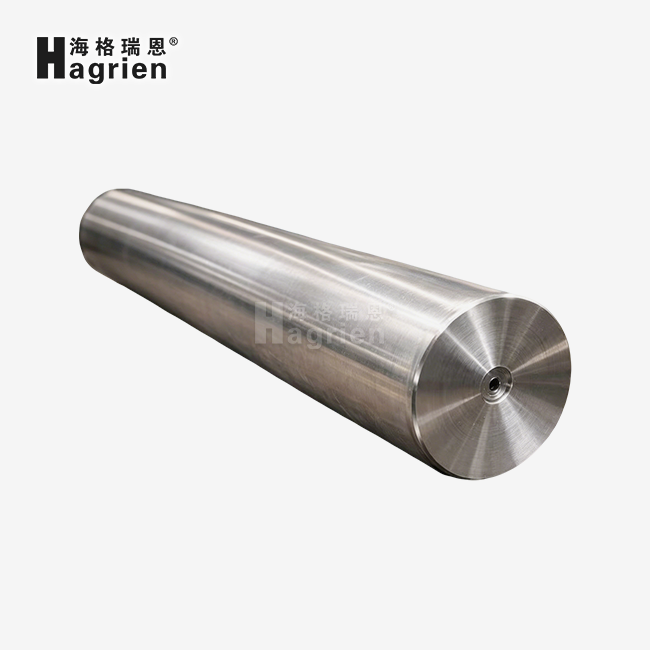 VIEW MOREMagnesium alloy round bar
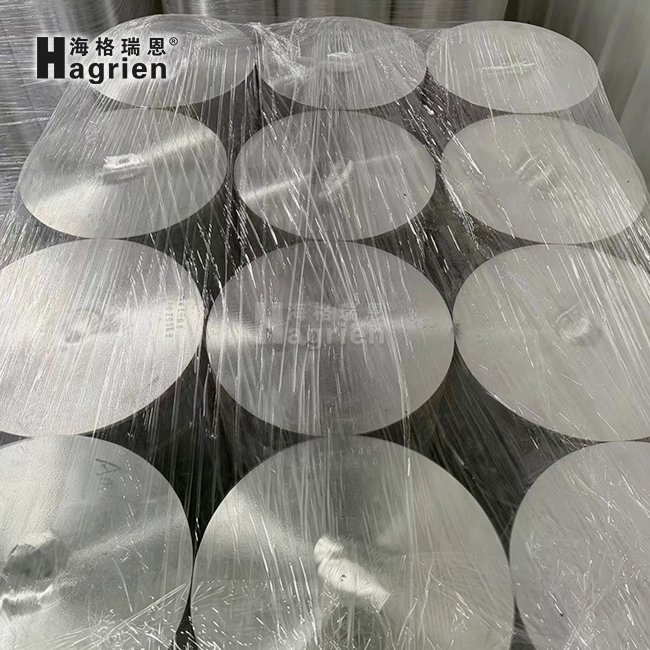 VIEW MOREMagnesium alloy cast ingot
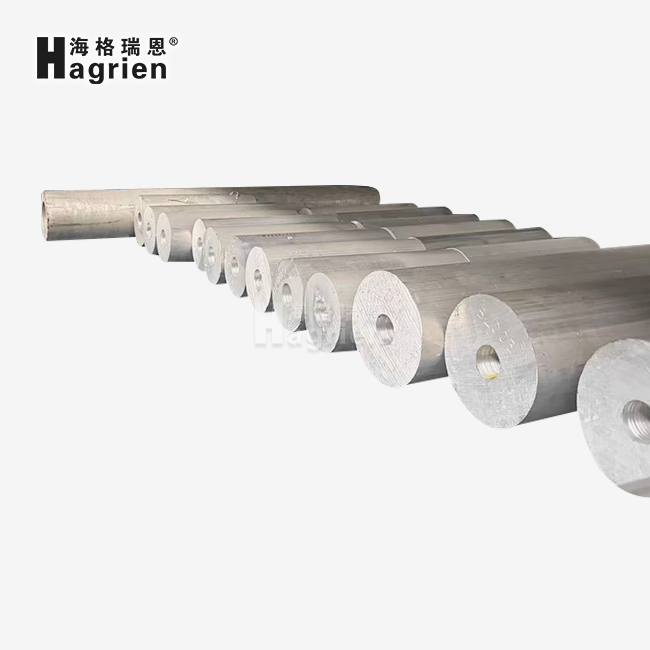 VIEW MOREMagnesium alloy hollow tube
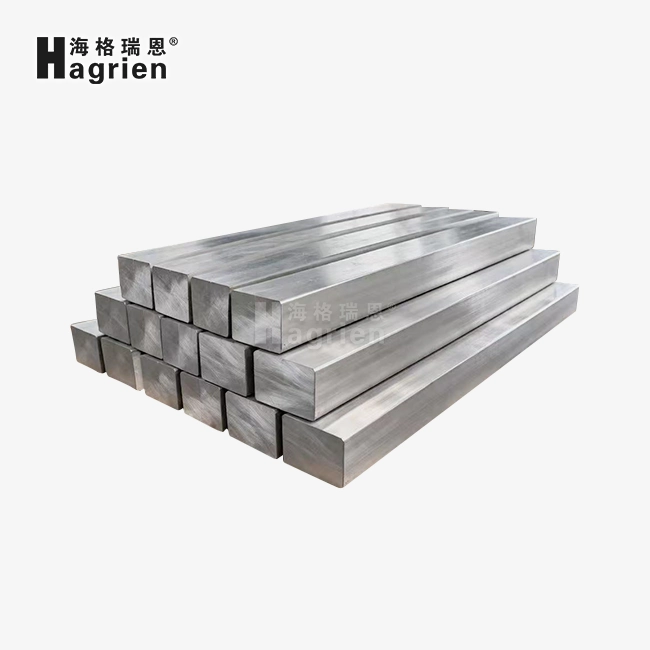 VIEW MOREControlled-Dissolution Magnesium Alloy Square Bar
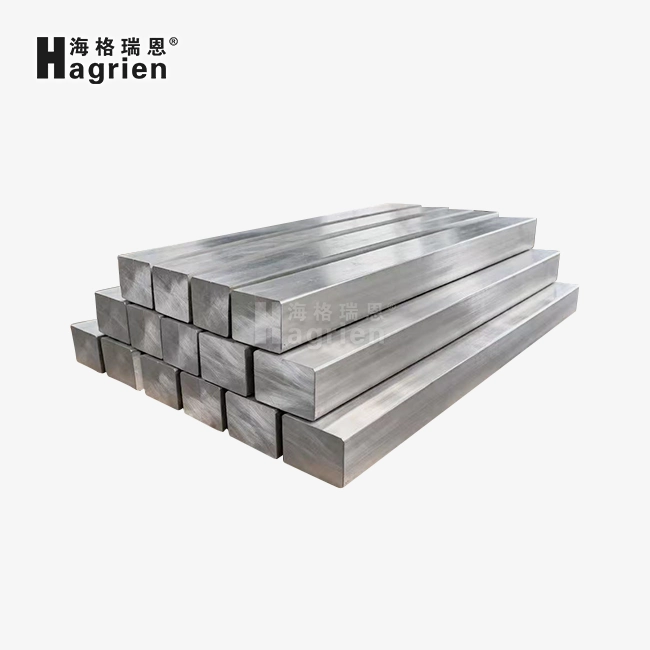 VIEW MOREMagnesium alloy rectangular bar
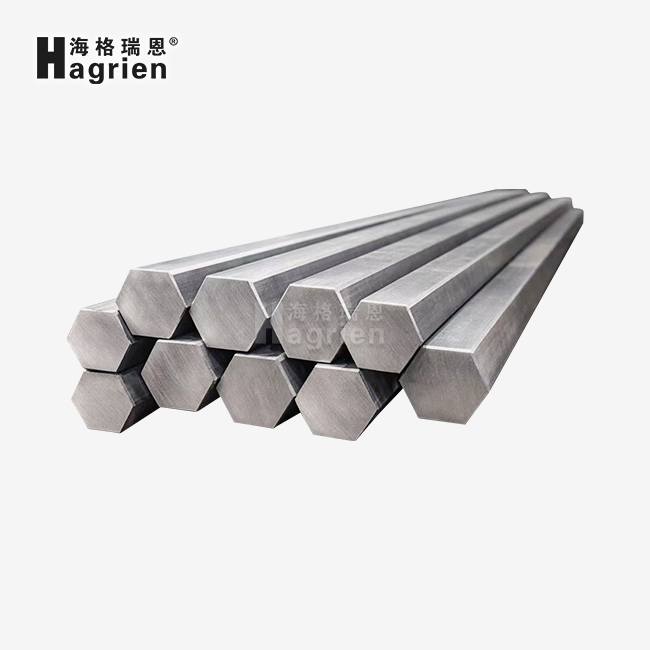 VIEW MOREAerospace Magnesium alloys hex bar
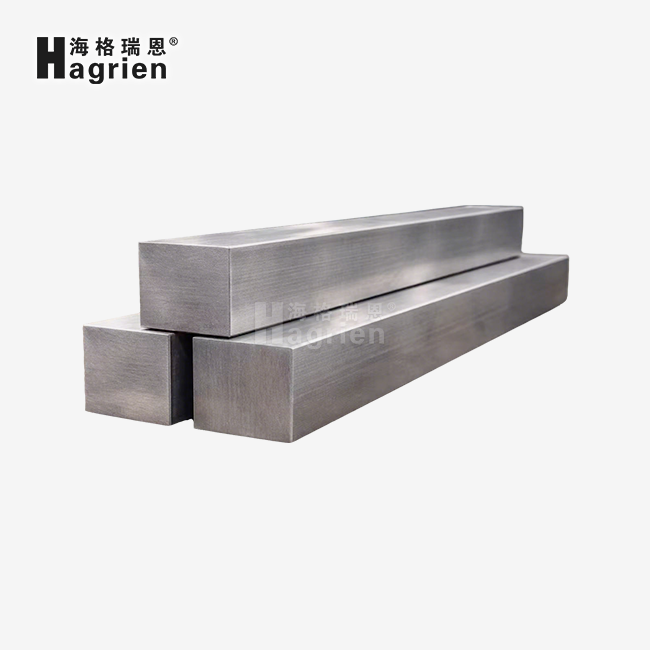 VIEW MOREAutomotive Magnesium alloy square bar
 VIEW MORE3C electronic Magnesium alloy round bar