_1776908283214.jpg)




How Dissolvable Frac Plugs Work: A Complete Guide
Dissolvable frac plugs, especially those made of designed magnesium alloys, dissolve totally in wellbore fluids, so there is no need for mill-out operations after the fractures are made. A Dissolvable Magnesium Alloy Plug is made to reliably separate zones during multistage hydraulic fracturing and then go through controlled electrochemical decay, leaving a full-bore production path that doesn't need any mechanical help. This technology solves some of the most important problems in unconventional, offshore, and difficult completion settings by cutting down on rig time, running costs, wellbore damage, and the time it takes to start production.

 Understanding Dissolvable Magnesium Alloy Plugs: What They Are and How They Work
Core Composition and Material Engineering
Every Dissolvable Magnesium Alloy Plug has a well-designed magnesium-based alloy system. Engineers add trace elements for high tensile strength, controlled dissolution, and sustained downhole performance. After wellbore fluid exposure, these alloys dissolve within a defined timescale and can tolerate fracture pressures beyond 10,000 psi. Manufacturers customize plugs for shale, offshore, and HPHT reservoir temperatures, salinity, fluid types, and operating windows by altering alloy chemistry and heat treatment.
The Science Behind Controlled Dissolution
Controlled electrochemical corrosion dissolves the Dissolvable Magnesium Alloy Plug predictably. In electrolyte-rich formation fluids or brines, magnesium oxidizes into magnesium ions and releases hydrogen gas. Temperature, pH, and chloride concentration affect dissolution. To ensure consistent corrosion and structural integrity, manufacturers build micro-galvanic cells in the alloy. Some plugs include transient surface protective layers that prevent corrosion during deployment, providing a safe working window before final dissolution. engineers can synchronize dissolution time with operational schedules by understanding these dynamics.
Mechanical Strength and Structural Integrity
Before dissolving, the Dissolvable Magnesium Alloy Plug must isolate the stage. The plug body, slips, and cones seal well during high-pressure fracture procedures due to their yield strength and compressive resistance. Large extruded bars up to 300 mm guarantee stable dimensions, consistent microstructures, and better surface quality for precision machining. Tight extrusion and heat-treatment controls decrease porosity and flaws, enhancing pressure integrity, installation reliability, and dissolving behavior without clogging production tubes.
Benefits and Applications of Dissolvable Magnesium Alloy Plugs in Oilfield Operations
Operational Efficiency and Cost Reduction
The biggest advantage of a Dissolvable Magnesium Alloy Plug is eliminating mill-out operations. Traditional cast iron and composite plugs require coiled tubing and milling tools after fracturing, increasing rig time, service costs, and operational risks. In wells with dozens of fracture stages, milling becomes expensive and time-consuming. Dissolvable plugs remove this step completely. Operators simply wait for dissolution before starting flowback and production. This shortens time-to-first-oil or gas, saves significant operational costs, and improves safety by reducing exposure to coiled tubing and high-pressure intervention activities.
Versatile Applications Across Well Types
Dissolvable Magnesium Alloy Plug systems are widely used across multiple completion environments. In multistage horizontal fracturing, they simplify operations in long laterals where milling is difficult. In HPHT reservoirs, engineered magnesium alloys maintain sealing performance under extreme pressure and temperature conditions. Re-fracturing and workover projects use dissolvable plugs for temporary zonal isolation without leaving permanent restrictions in the casing. Emerging applications such as geothermal wells and CCUS projects also benefit from dissolvable isolation tools that minimize long-term wellbore intervention and support complex underground operations.
Environmental Responsibility and Sustainability
The Dissolvable Magnesium Alloy Plug supports the industry's growing focus on environmental responsibility and ESG performance. During dissolution, magnesium alloys break down into magnesium ions and harmless hydroxide particles that naturally disperse within produced fluids. Unlike steel or composite plugs, dissolvable systems leave no permanent debris requiring mechanical removal or disposal. These environmental advantages help operators comply with stricter regulations in offshore and sensitive regions while reducing waste and operational emissions. For procurement teams, dissolvable technology combines strong operational performance with sustainable resource management goals.
 Comparison and Decision-Making: Choosing the Right Dissolvable Plug for Your Operation
Performance Trade-offs: Magnesium Alloy vs. Traditional Steel
Traditional steel frac plugs have been used for a long time and can handle high pressures, but they need to be milled out, which takes time, costs money, and increases the risk of damage. When compared to steel plugs, composite plugs take less time to mill, but they still need mechanical help. Dissolvable Magnesium Alloy Plugs skip all of these steps, but how well they work relies on which alloy is used and under what circumstances.
Key considerations include:
- Durability: Magnesium plugs must keep the pressure on during the whole process of fracture. In critical situations, high-strength versions can handle up to 15,000 psi, which is the same as standard materials.
- Consistency: Quality control from batch to batch is very important for consistency. Reliable providers follow strict process standards that make sure the microstructure, dimensions, and breakdown behavior are the same from one production run to the next.
- Lifecycle Costs: Dissolvable plugs may have higher unit prices, but their total cost of ownership drops by a huge amount when mill-out costs are taken out. Lifecycle study shows that dissolvable technology usually gives better economic returns, especially in horizontal completions with more than one step.
Selecting Magnesium Alloy Grades and Trusted Suppliers
The well's surroundings affects the choice of alloy grade. Which composition works best depends on temperature profiles, the salinity of the brine, the estimated length of time it stays in the ground, and the chemistry of the production fluid. Suppliers who offer engineerable alloy systems give you the freedom to match dissolution rates with working plans, so you don't have to worry about breaking down too soon or waiting too long.
To find reliable sellers, you need to look at a number of things:
- Manufacturing Capability: Suppliers who melt, extrude, and manufacture parts accurately monitor quality. Making 300 mm bars with large-diameter extrusion shows superior manufacturing and process control.
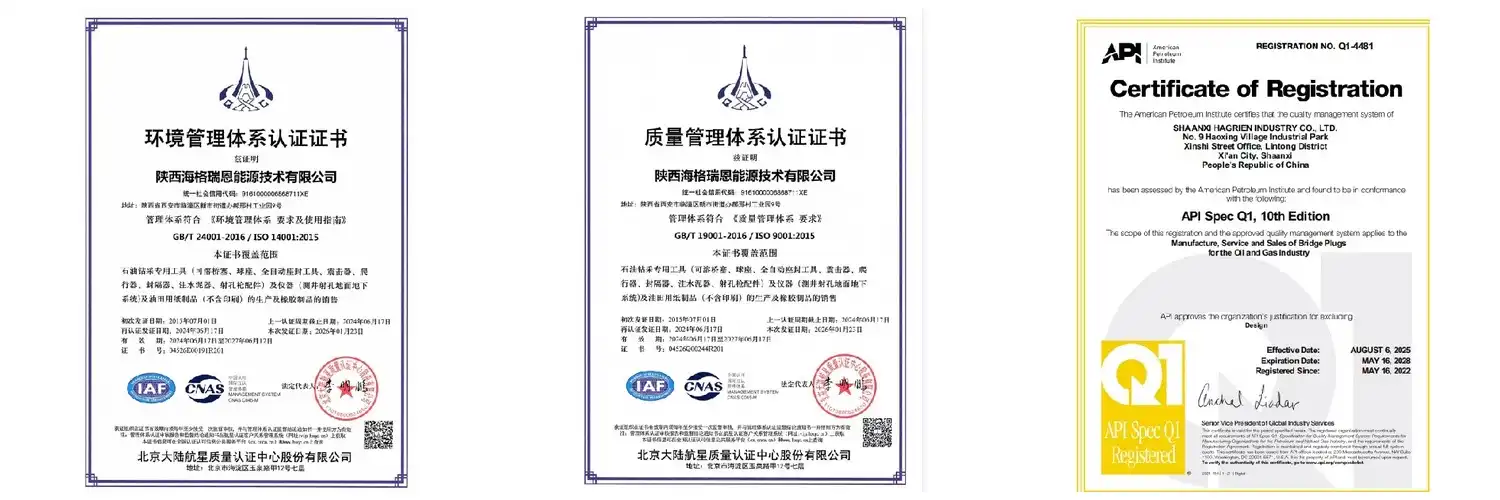
- Certification and Traceability: ISO 9001, ISO 14001, ISO 45001, API licenses, and CNAS-accredited lab tests demonstrate quality and consistency. Batch tracking and COA, COC, and SDS documentation aid internal and project milestone controls.
- Technical Support: Companies that offer application engineering, online assistance, and on-site advice help customers get the most out of their plugs and quickly solve problems in the field.
Laboratory Testing and Field Validation
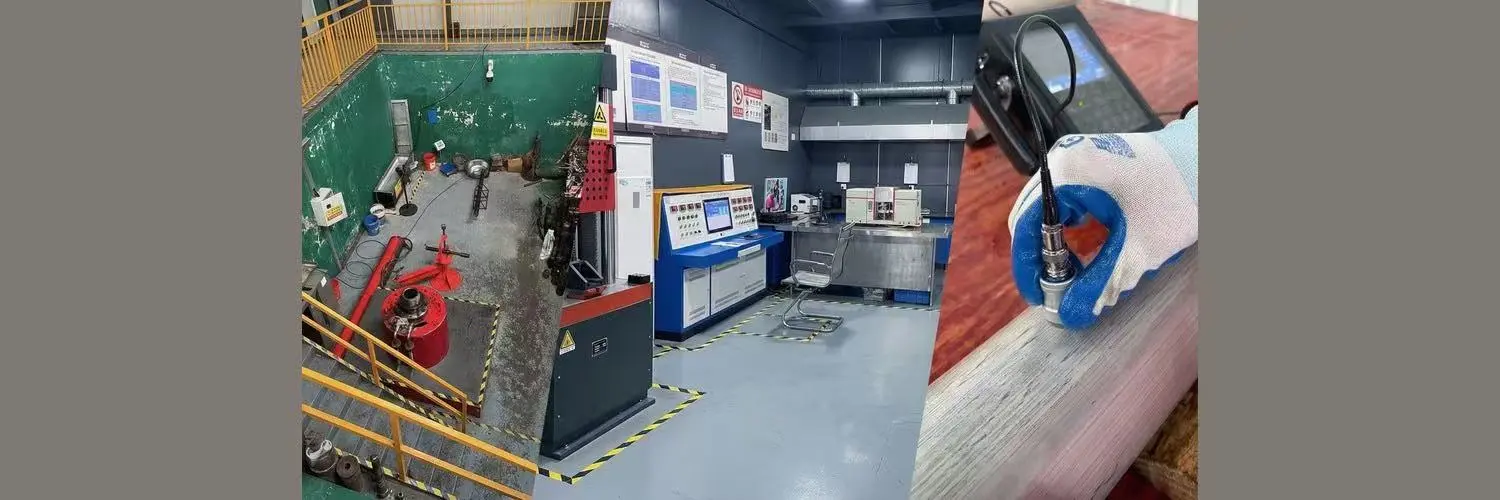
Immersion rust tests in the lab that follow the rules in ASTM G31 give us information about the base breakdown rate in a controlled setting. These tests mimic the temperature and salt downhole, which helps engineers make pretty good guesses about how long a plug will last. Field testing data, which comes from real completions, confirms lab results and makes prediction models better.
People who want to buy plugs should ask for test results and case studies that show how well the plugs worked in similar well settings. This method based on evidence lowers uncertainty and helps people make confident choices about buying.
Procurement Guide for Dissolvable Magnesium Alloy Plugs
Key Procurement Considerations
To find dissolvable frac plugs quickly, you need to think about a few useful things:
- Minimum Order Quantities (MOQ): MOQs for standard sizes may be cheaper, but MOQs for custom specs are usually higher. Knowing the terms of the MOQ helps sellers plan their goods and keep track of their cash flow.
- Customization Capabilities: The casing size, working conditions, and form of the finish change a lot from one well to the next. Suppliers that offer OEM/ODM services can work with customers to co-engineer plugs that meet their specific needs, such as custom metal formulas, mechanical setups, and dissolution timelines.
- Certification Standards: Make sure that providers offer ISO, API, and HSE certifications along with full paperwork sets. It is easier to get corporate approvals when you have certifications.
- Lead Times and Delivery: Standard dissolvable materials ship in two to four weeks, but special materials take four to eight weeks. For important projects, there are choices for faster production, but they need to be approved based on supplier capacity and raw material availability.
- Logistics and Trade Terms: Terms that are flexible, like EXW, FOB, or CIF, let buyers choose the terms that work best for them. Export packing and all the necessary paperwork make customs processing go more smoothly. For buyers in the United States, processes are easier when suppliers have North American coordination groups.
Evaluating OEM Suppliers and Authorized Distributors
Reliable OEM providers manage the whole process, from designing the metal and extruding it to cutting it and checking its quality. Consistency and responsibility are made sure by this vertical merging. Local inventory, faster shipping, and expert help from authorized distributors are all good things that authorized distributors offer, but buyers should make sure that the manufacturers they work with are trustworthy.
Warranties, after-sales service, and corrective action procedures (CAPA) are very important. Suppliers who are dedicated to continuous improvement deal with problems before they happen, improve quality, and keep communication open throughout the lifespan of a project.
Requesting Custom Solutions
Custom metal grades or plug sizes that aren't normal improve performance in hard-to-reach wells. Buyers should give full working conditions, such as temperature range, salinity, expected time downhole, pressure rates, and casing details. When you ask a question, suppliers with responsive tech teams usually answer quickly. Usually, you can get a written quote within one to three business days and proof of your needs within 24 hours.
Clear acceptance criteria help prototype and acceptance testing programs make sure that unique designs are good before they are made on a large scale. This step-by-step method lowers the risk and makes sure the end product meets the needs of the business.
 Conclusion
Dissolvable Magnesium Alloy Plugs are a huge step forward in the technology used to finish wells today. By combining strong mechanical performance with predictable, controlled dissolving, they get rid of the need for expensive mill-out operations, shorten the time needed for the rig, reduce wellbore damage, and make the process safer. Their usefulness in different operating situations is shown by the fact that they can be used in multistage fracturing, HPHT reservoirs, re-fracturing, and new energy uses. The industry's dedication to responsible resource development is in line with environmental benefits like biodegradability and meeting sustainability standards. When procurement professionals and finishing engineers choose providers with engineerable alloy systems, strict quality controls, full certifications, and quick technical help, they get a lot of benefits.
Frequently Asked Questions (FAQs)
1. How long does a Dissolvable Magnesium Alloy Plug take to dissolve under different well conditions?
The time it takes to dissolve depends on the temperature, saltiness, and chemistry of the fluid. Plugs may dissolve in 24 to 48 hours in brines with a lot of salt and high temperatures (above 120°C). When temperatures are around 80°C and the salt is low, breakdown can last for several days or weeks. Since fresh water slows down the process a lot, it's not likely that it will dissolve quickly without high chloride amounts. Suppliers can design metal systems to work within certain time frames, making sure that dissolution times work with finishing times and that there aren't too many wait times before flowback.
2. Will the dissolved material damage the reservoir or production equipment?
The magnesium alloy breaks down into magnesium ions and small metallic hydroxide particles. These are both safe and easily carried by the fluids used in production. These leftovers don't block formation pores or hurt tools used in the hole. Unlike milling waste, which can be made up of sharp metal pieces or composite bits, dissolved magnesium doesn't get in the way of machinery. This clean dissolution profile helps keep output going and lowers the risk of upkeep issues.
3. Can the plug dissolve prematurely during a long pump-down process?
During pump-down and setting, which usually takes 6 to 12 hours, plugs often have brief protective coatings or passivated surface layers that keep rust at bay. This "safe window" makes sure that the plug goes into the hole to the right depth, sits correctly, and keeps the pressure on during the breaking process before it starts to dissolve completely. Proper keeping in dry, temperature-controlled areas also stops damage from air moisture from happening too soon.
Partner with HAGRIEN for Reliable Dissolvable Magnesium Alloy Plug Solutions
HAGRIEN offers high-performance Dissolvable Magnesium Alloy Plugs extrusion bars and billets with a width of up to 300 mm. These products are certified by ISO 9001, ISO 14001, and ISO 45001, and have been tested in a lab that is recognized by CNAS and the API. Our ability to do everything in-house, from melting and extruding alloys to precise cutting, makes sure that each batch is the same, that they can be tracked, and that delivery times are reliable. With about seven years of production experience, we can design metal systems that are tailored to your specific working windows. These systems balance strength, machinability, and controlled dissolution rates. Whether you need standard sizes with lead times of 2 to 4 weeks or custom specs delivered in 4 to 8 weeks, our flexible team can get it done quickly and provide full paperwork (COA, COC, SDS) to help with your sourcing and approval processes.
We are a reliable source for Dissolvable Magnesium Alloy Plugs, and we offer OEM/ODM services, application engineering, online troubleshooting, and help after the sale. North American coordination and flexible trade terms make operations easier and lower the risk of program performance. Get in touch with our team at cyrus@us-hagrien.com to talk about your project needs, get quotes, and find out how our checked, scalable, and trackable materials can help you finish projects faster and better compete.
References
1. American Petroleum Institute. "Specification for Dissolvable Materials in Downhole Completion Equipment." API Technical Report Series, 2022.
2. Society of Petroleum Engineers. "Advanced Materials for Hydraulic Fracturing: Magnesium Alloys and Controlled Corrosion." SPE Journal of Production Engineering, 2021.
3. National Association of Corrosion Engineers. "Electrochemical Corrosion of Magnesium Alloys in Oilfield Brines." NACE International Conference Proceedings, 2020.
4. International Organization for Standardization. "Quality Management Systems for Petroleum and Natural Gas Industries." ISO 9001:2015 and ISO 14001:2015 Standards.
5. Hart Energy Publishing. "Dissolvable Frac Plug Technology: Cost-Benefit Analysis and Field Case Studies." Journal of Unconventional Oil and Gas Resources, 2023.
6. Energy Research Institute. "Environmental Impact of Dissolvable Completion Tools in Offshore and Onshore Operations." Environmental Science & Technology for Energy, 2022.

USER EVALUATE
Here is the customer's evaluation of us