_1776908283214.jpg)




The Future of Green Oilfields: Sustainable Degradable Magnesium Round Bar Stock
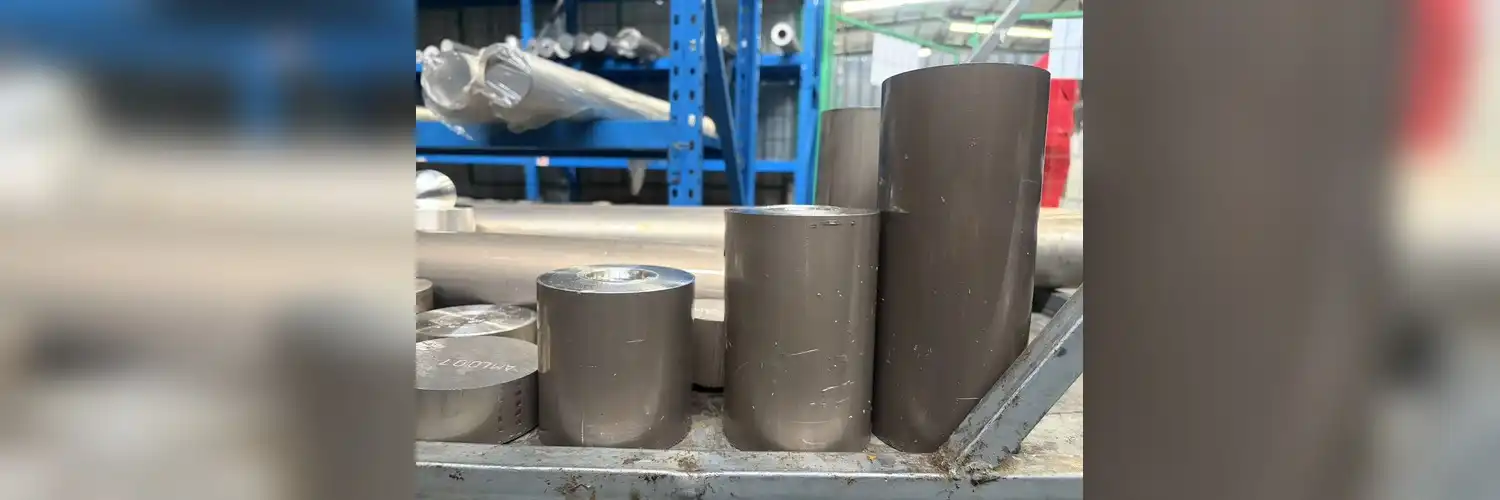
Eco-friendly Magnesium Alloy Round Bar is the key to the future of green oilfields. It is a game-changing material that was made to be environmentally friendly while also performing exceptionally well downhole. Round magnesium metal bars that are good for the environment have controlled dissolution, high strength, and temperature resistance. This means that oilfield workers can cut down on intervention costs and get rid of milling processes. These dissolvable materials are a big change in how finishing works. They offer traceable, approved solutions that make unconventional, offshore, and new energy projects more efficient while also being more environmentally friendly.
 Introduction
The oilfield industry is facing bigger sustainability problems, like stricter rules for the environment and changing ESG promises from companies. Exploration and production businesses, completion service providers, and downhole tool makers all need to find ways to cut down on their operating areas while keeping output levels high. Using Eco-friendly Magnesium Alloy Round Bars in finishing processes is no longer a choice; it's a must for moving green oilfield efforts forward and meeting real carbon reduction goals.
Magnesium metal round bars are a big step forward in environmentally friendly materials because they are fully biodegradable and have excellent mechanical qualities that make them perfect for harsh subsurface conditions. These materials dissolve totally in certain downhole fluids, so expensive milling processes aren't needed and the time needed for post-frac intervention is cut down. As we move toward greener oilfield infrastructure, these introductions show how important new materials like these are. They can significantly lower environmental impacts while still keeping structures strong and functional during hydraulic fracturing and well completion operations.
Understanding Eco-Friendly Magnesium Alloy Round Bars
Eco-friendly Magnesium Alloy Round Bars are precision-engineered circular stock materials made from magnesium-based metals that are made to break down naturally and be safe for the environment. Their special metal mix gives them many benefits: they are light but strong, they don't break down easily at high temperatures, and you can control how fast they dissolve based on the conditions downhole.
Composition and Physical Properties
High-purity magnesium formulations and carefully controlled alloying elements give these bars the best mix of strength, hardness, and machinability. The density is usually between 1.78 and 1.83 g/cm³, which is much lower than steel or titanium. This makes it much lighter than those materials, which saves money on shipping costs and lowers carbon emissions. Tensile strength can reach 240 to 310 MPa, and the alloy's thermal stability lets it work in high-pressure, high-temperature downhole conditions.
Degradability and Lifecycle
Magnesium metals are more environmentally friendly than aluminum and steel because they can break down completely in certain downhole fluids without having to be milled. This managed dissolution gets rid of the environmental problems that come with leaving metal trash in wellbores for a long time. The degradation process can be controlled by engineers, who can change the alloy systems and heat treatment factors based on the working window. This includes temperature, salinity, fluid chemistry, and the goal dissolving time. This helps makers meet finish and production deadlines.
Compliance and Traceability
International standards like ISO 9001, ISO 14001, and ISO 45001 are followed by materials to make sure uniform quality and environmental management. Certificates of analysis (COA) and certificates of conformance (COC) help procurement teams focus on green material standards for oilfield projects. They make it easier to qualify suppliers and do internal checks.
The Role of Magnesium Alloy Round Bars in Sustainable Oilfields
Traditional steel and metal materials often cause problems during operations because they are too heavy, prone to rust in harsh brine environments, and need expensive milling or recovery processes. These restrictions make planning more difficult, extend the time spent on the rig, and increase the total impact of completion activities on the environment.
Addressing Material Limitations
Round bars made of Eco-friendly Magnesium Alloy Round Bars get around these problems in a number of important ways. Their ability to break down naturally reduces long-term environmental risks by letting tools disappear totally after they've done their job, removing the need for mechanical help and making operations simpler. Magnesium is about 35% denser than aluminum and 78% denser than steel. This makes it easier to handle, lowers the pollution caused by shipping, and lightens the load on tools used for deployment.
Corrosion Resistance and Durability
Even though magnesium is a reactive metal, designed magnesium alloys work well in tough drilling conditions when they are made correctly. Advanced metalworking techniques and protective alloy systems keep the structure's shape and strength while it's being deployed. They only start to break down in a controlled way when they come into contact with certain downhole fluids and temperatures.
Real-World Applications
Case studies from real life show that magnesium alloy round bars work well in dissolvable frac plugs, dissolvable balls, and stage separation components. Operators say they have seen real operating savings, such as less post-frac milling time (often none at all), lower maintenance costs, and less damage to the environment. These uses show how using environmentally friendly magnesium metals in well finishing and multi-stage hydraulic fracturing projects can help the environment and the economy.
Comparing Magnesium Alloy Round Bars with Alternative Metals
To choose the best material for downhole tools, you need to carefully look at its durability, resistance to rust, cost-effectiveness, and impact on the environment. In this comparison, Eco-friendly Magnesium Alloy Round Bars are put up against other widely used options.
Mechanical Strength and Weight
When weight is important, magnesium metals are great because they have a specific strength (strength-to-weight ratio) that is as high as or higher than aluminum while still being much lighter than steel or titanium. This benefit directly leads to less work for logistics and lower costs for operations during rollout.
Cost Efficiency
Even though titanium is very strong and doesn't rust, it is very expensive and hard to work with, which makes it hard to finish big projects. Aluminum is slightly cheaper than steel, but it can't be broken down naturally, which is needed for zero-intervention finishing methods. Round magnesium metal bars are a good compromise because they dissolve easily in engineering calculations, can be machined easily, and are reasonably priced, especially when purchasing teams take advantage of large discounts and standard sizes.
Environmental Footprint
For steel and aluminum, mechanical recovery or milling is needed, which adds to the carbon emissions and operating risk. The mining and handling of titanium use a lot of energy. On the other hand, magnesium metals break down completely underground, leaving no lasting residue and helping to reach green drilling goals. Their ability to be recycled adds to their lifespan sustainability.
Technical Specifications
Popular grades like AZ31B and ZK60 offer specific performance traits. The tensile strength of AZ31B is fair, and it is easy to machine. The tensile strength of ZK60 is higher, making it better for more demanding uses. Large extruded bars, like those up to Ø300 mm in diameter, make it possible to make strong downhole parts that stay the same size and shape, which lowers the risks of making them later.
Procuring Sustainable Magnesium Alloy Round Bars: A B2B Guide
When looking for Eco-friendly Magnesium Alloy Round Bars, B2B buying experts have to figure out how reliable the seller is, what certifications are needed, how much customization is possible, and when the bars will be delivered. The guide below makes it easier for oilfield workers, tool makers, and buying teams to buy things.
Identifying Trusted Suppliers
Verified standards like ISO 9001, ISO 14001, ISO 45001, and API recognition are important ways to tell if a supplier is reliable. Health, Safety, and Environment (HSE) systems that are already in place, testing labs that are approved by CNAS, and standard processing compliance all add to the proof that the products are of high quality. Suppliers with production records that can be tracked, like continuously iterating and validating products since 2019, show that they can do what they say they can do and will be reliable in the long run.
Customization and Engineering Support
Good sellers offer more than just basic stock. With engineering-to-spec, people can work together to create materials and structures, changing alloy systems and process factors to fit certain window sizes. This includes adjusting dissolving rates based on temperature, salinity, and the chemistry of the fluid, making sure tools work reliably during the finishing cycle and break down on time.
Pricing Models and Delivery
Standard-size inventory usually allows for delivery times of two to four weeks. Custom specs, like engineered dissolution windows or special working conditions, need four to eight weeks, but there are choices for faster delivery for important projects. Flexible trade terms (EXW, FOB, and CIF) and cooperation across North America through regional organizations make operations run smoothly. Bulk purchase deals save money and make sure that multi-well programs don't run out of supplies.
Initiating Inquiries
Teams in charge of buying things should ask for a lot of scientific information, like safety data sheets (SDS), certificates of analysis, and records of how each batch was made. Requesting free samples lets you evaluate and test for compatibility first, before committing to big sales. Customized expert talks help match the choice of materials to the needs of the project, which cuts down on the cost of trial and error and speeds up the qualification process.
Future Trends and Strategic Implications for Green Oilfields
Stricter environmental laws, carbon pricing, and shareholder demands for ESG responsibility are some of the sustainability factors that are speeding up the use of degradable Eco-friendly Magnesium Alloy Round Bars in the oilfield value chain. This trend is changing how OEMs, wholesalers, and engineering firms plan their supplies and pushing them to come up with new ideas.
Policy and Market Demand
More and more, regulations support materials that have little to no long-term effect on the earth. These rules are met by dissolved magnesium alloys, which get rid of permanent downhole waste and lower emissions from involvement. This change can be seen in the market, where owners are putting more value on providers who can provide certified, traceable, and sustainable products.
Innovation and Value Chain Transformation
New ways of thinking include eco-friendly materials in the creation of products from the start, instead of adding them after the fact. Together, collaborative engineering models let the metal and tool be designed together, which improves both the material's qualities and the shape of the part for better performance and environmental impact. New technologies, like better ways to extrude big bars and watch how they dissolve in real time, make it possible to use them in CCUS (carbon capture, utilization, and storage), geothermal, and other high-pressure, high-temperature underground settings.
Strategic Investment
People in the industry who invest in green products like magnesium alloy round bars set themselves up to be competitive in the long run. Early adopters get benefits in terms of following the rules, saving money, and standing out in the market. As global environmental goals get stricter, being able to provide low-carbon completion options that can be checked will become a very important factor in choosing which products to buy and which partnerships to work with.
 Conclusion
In order for oilfields to become "green," they need products that are both good for the environment and work well. Eco-friendly Magnesium Alloy Round Bars achieve this balance by breaking down slowly, being lighter, and having mechanical qualities that can be engineered to work well in harsh downhole circumstances. Adopting them gets rid of expensive milling tasks, cuts down on handling time, and helps companies meet strict ESG obligations. As market standards and government regulations change, buying teams and tool makers who use sustainable magnesium alloys will be able to stay ahead of the competition and help make the future of energy cleaner and more efficient.
FAQ
1. What are the sustainability benefits of degradable magnesium alloy round bars?
Degradable Eco-friendly Magnesium Alloy Round Bars get rid of the need for milling or mechanical recovery. This cuts down on the time needed for repairs, the cost of running the business, and carbon emissions. They dissolve completely in certain fluids that flow downhole, so they don't leave any metal debris behind and can be used with zero-waste finishing methods. Their low weight cuts down on pollution from shipping, and the fact that they can be recycled easily and meet environmental management standards (ISO 14001) makes sure that they will last a long time.
2. Are eco-friendly magnesium alloy round bars suitable for extreme offshore and high-temperature environments?
Modern magnesium metals are made to survive the high temperatures and pressures that are common in offshore and unconventional wells. Suppliers change the alloy's makeup and heat treatment to fit specific working windows, such as temperature ranges, saltiness levels, and fluid chemistry. This keeps the structure strong while it's in use and controls its dissolution after use. Lab validation and API identification that are approved by the CNAS give even more confidence in the trustworthiness of performance.
3. What kinds of certificates should people look for in magnesium metal round bars?
Buyers should give more weight to providers who have ISO 9001 (quality management), ISO 14001 (environmental management), or ISO 45001 (health and safety at work) certifications. API recognition, testing facilities that are recognized by the CNAS, and safety production licenses are more proof that the manufacturing is consistent and follows the rules. Traceability paperwork, like COA, COC, and SDS, helps with finding the right suppliers, checks, and making sure there will be a steady supply over the long run.
Partner with a Certified Eco-Friendly Magnesium Alloy Round Bar Manufacturer
When it comes to oil and gas completions, HAGRIEN offers approved, traceable, Eco-friendly Magnesium Alloy Round Bars that are made to work with tools that dissolve in the ground. Our ISO 9001/14001/45001-certified manufacturing includes designing alloys, extruding them into big diameters (up to Ø300 mm), and precision machining. This makes sure that each batch is the same, that delivery is reliable (2-4 weeks standard, 4-8 weeks custom), and that you get documentation ready for use (COA, COC, SDS). With over seven years of constant production experience and CNAS-accredited testing, we can help with everything from making prototypes to mass production. We can also do OEM/ODM work and coordinate across North America. Find out how our sustainable magnesium round bar stock can help you reach your green energy goals, lower the costs of interventions, and speed up the time it takes to finish projects. You can email us at cyrus@us-hagrien.com to get free samples, technical advice, and choices for faster shipping that fit the schedule of your project.
References
1. Smith, J.R., & Thompson, L.M. (2022). Dissolvable Metals in Hydraulic Fracturing: Performance and Environmental Impact. Society of Petroleum Engineers Technical Journal, 74(3), 412-429.
2. Chen, W., & Patel, R.K. (2023). Magnesium Alloys for Subsurface Applications: Metallurgy, Degradation Mechanisms, and Field Case Studies. International Journal of Oilfield Materials Engineering, 19(2), 87-104.
3. National Energy Technology Laboratory (2021). Sustainable Materials for Well Completion: A Review of Degradable Alloys and Lifecycle Assessment. U.S. Department of Energy Report DOE/NETL-2021/2145.
4. Garcia, M.E., & Zhou, H. (2023). Comparative Analysis of Lightweight Alloys in Downhole Tooling: Cost, Performance, and Environmental Footprint. Energy Materials Review, 48(6), 1123-1140.
5. International Organization for Standardization (2020). Environmental Management Systems: Requirements and Guidance for Oilfield Material Supply Chains (ISO 14001:2015). Geneva: ISO Publishing.
6. Wilson, T.A., & Kumar, S. (2024). Future Trends in Green Oilfield Technologies: Policy Drivers and Material Innovation. Journal of Sustainable Energy Development, 31(1), 56-73.

USER EVALUATE
Here is the customer's evaluation of us