_1776908283214.jpg)




What Makes Magnesium Alloy Dissolvable in Downhole Conditions?
Due to their natural electrical reactivity, magnesium alloys dissolve in downhole settings that have high temperatures, high pressures, and wellbore fluids that contain chlorides. The Dissolvable Magnesium Alloy is made with specific micro-alloying elements, like rare earths, aluminum, and zinc, that control the rate of galvanic breakdown. When magnesium is buried in brines that are common in oil and gas formations, it goes through an oxidation process that turns the metal into soluble hydroxides and chlorides. This lets the metal break down completely without any artificial help. Because of this controlled breakdown, expensive milling processes are not needed after the fractures.
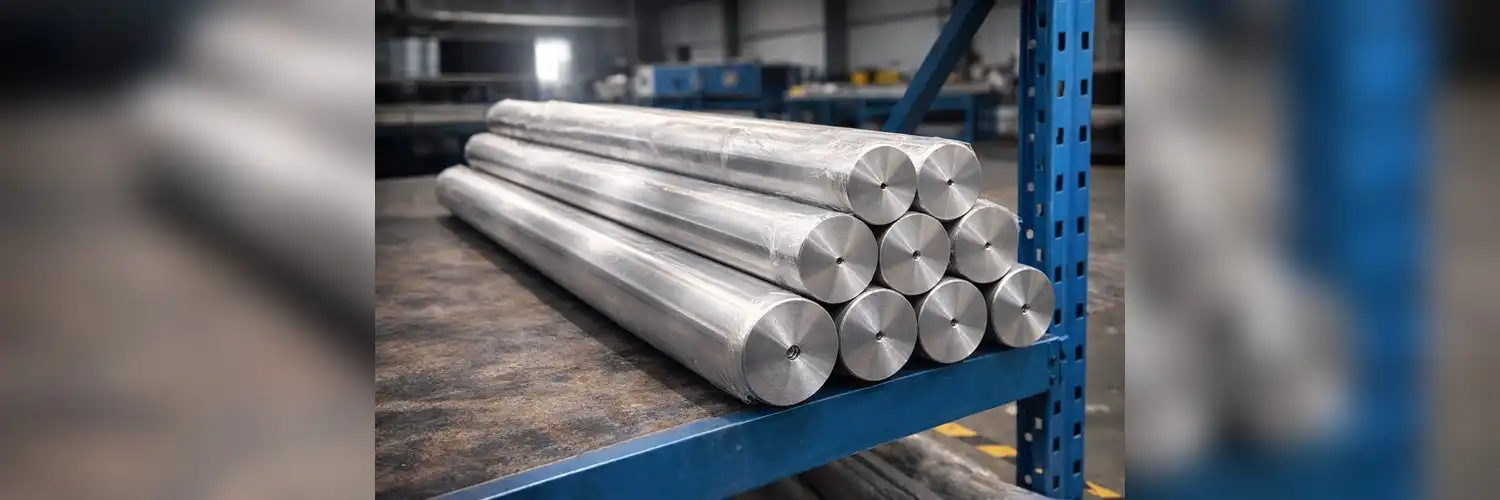
 Understanding Dissolvable Magnesium Alloys in Downhole Conditions
Few materials can handle the unique problems that come up in downhole settings. Extreme temperatures, formation pressures above 15,000 psi, and harsh brine chemicals all call for materials that are strong but also break down in a predictable way.
Composition and Metallurgical Design
High-performance dissolvable magnesium material performance depends on composition. Dissolvable Magnesium Alloy extruded bars and billets up to 300 mm contain 2-9% aluminum for strength and corrosion resistance. Zinc improves castability and grain refinement. Manganese prevents iron defects causing random pitting. Rare earth elements stabilize microstructures, smooth grain boundaries, and promote uniform corrosion rather than localized attack until the planned dissolution window begins.
Mechanical Properties and Service Requirements
E&P companies need materials that withstand operational stresses without premature failure. Dissolvable Magnesium Alloy has tensile strength of 240-380 MPa and yield strength of 180-300 MPa depending on T4 or T6 heat treatment. These properties enable bridge plugs and packers to handle hydraulic fracturing pressures. Elongation values of 6-12% provide flexibility for shock loads during tool setting and release. Controlled extrusion ensures batch-to-batch consistency.
Triggering Dissolution: Environmental Factors
Wellbore environment drives dissolvable magnesium technology. Three factors control dissolution rates: fluid chemistry, temperature, and pressure. Chloride-rich brine accelerates galvanic corrosion by increasing conductivity. Potassium chloride completion fluids actively oxidize magnesium. Temperature rise from 25°C to 150°C exponentially accelerates breakdown rates. Pressure has secondary effects by altering fluid density and corrosion product solubility, preventing passivating film formation in HPHT wells.
Why Magnesium Alloy Dissolves Efficiently in Downhole Applications — Core Factors Explained
The effectiveness of magnesium dissolution in oilfield uses comes from a mix of the material's natural properties and the way it interacts with its surroundings. When buying teams know about these things, they can choose the right alloy grades for each well's requirements.
Electrochemical Reactivity and Galvanic Corrosion
Magnesium is naturally reactive in electrolyte solutions due to its anodic position on the galvanic series. Dissolvable Magnesium Alloy forms electrochemical cells when contacting chloride brines, with magnesium as the sacrificed anode. Oxidation releases electrons as magnesium ions dissolve into surrounding fluid. This galvanic process is controllable through alloy composition and microstructure, achieving dissolution rates of 10-200 mg/cm²/h in 3% KCl at 25-150°C.
Alloy Composition and Microstructure Influence
Micro-alloying significantly affects dissolution behavior. Aluminum creates intermetallic phases acting as cathodic sites, establishing micro-galvanic pairs for uniform corrosion. Zinc enhances this effect and improves machinability for OEM manufacturers. Fine, uniform grain structures promote smooth corrosion fronts instead of intergranular attack. Dissolvable Magnesium Alloy large-diameter extrusion using 3,600-5,600 ton presses ensures consistent microstructures across cross-sections, eliminating core-to-surface variations.
Comparative Advantages Over Traditional Materials
Cast iron plugs require expensive coiled tubing milling, consuming rig time and introducing debris. Composites lack HPHT strength. Stainless steel and titanium don't react with wellbore fluids, requiring retrieval or milling. Dissolvable Magnesium Alloy provides service strength plus complete post-service degradation, eliminating costly interventions exceeding $50,000 per stage in multi-zone completions. Immediate production startup improves cash flow and lowers total well development costs.
Practical Applications and Benefits of Dissolvable Magnesium Alloys in Downhole Settings
Dissolvable magnesium technology has changed how unusual plays, offshore projects, and new energy sectors finish their wells. Applications in the real world show how material innovation leads to better operating success.
Frac Plugs and Stage Isolation Tools
Multiple stages of hydraulic fracturing need to be able to safely separate treatment zones for a short time. Dissolvable Magnesium Alloy frac plugs seal the whole hole during pumping operations and can handle changes in pressure while staying stable in size. After the last step is done, these plugs break down in produced brines over a period of 48 hours to several weeks, based on the alloy used and the conditions of the wellbore.
Completion service companies in the Permian, Eagle Ford, and Bakken plays say that the time needed for post-frac interventions has gone down by a huge amount. Wells that used to need 5–7 days of milling time can start producing again in 24–48 hours after the dissolving plugs break down. In project finances, every day that work is put off means lost money, so this speeding up is very important.
Bridge Plugs and Wellbore Isolation
Dissolvable technology enables temporary wellbore isolation during workover operations. Dissolvable Magnesium Alloy extruded bars create bridge plugs that isolate lower zones while upper zones are worked on. Plugs dissolve completely upon contact with production fluids, eliminating risks of permanent restrictions or retrieval work in unstable holes. Offshore operators value this feature because rig rates exceeding $500,000 per day make any time-saving solution highly profitable.
Emerging Applications in CCUS and Geothermal
Carbon capture, utilization, and storage projects plus geothermal energy expansion create new applications for dissolvable magnesium. Injection operations followed by production or monitoring phases make temporary isolation ideal. Dissolvable Magnesium Alloy designed for high temperatures maintains mechanical properties above 200°C while dissolving completely in chloride-rich geothermal brines. This expands addressable markets beyond traditional oil and gas completions for procurement teams.
Benefits for Procurement and Operations Teams
When material buying managers look at Dissolvable Magnesium Alloys, they should think about more than just the unit price. Lifecycle cost analysis shows important benefits, such as:
Less expensive involvement costs get rid of expensive milling processes and the non-productive time that comes with them. Environmental compliance gets better when wellbore trash is cut down and recovery waste streams are stopped. Taking away the risk that people are exposed to during mechanical intervention techniques improves safety ratings. Speeding up production leads to faster payback and better project NPV (net present value).
These benefits get even better in developments with multiple well pads, where operations savings get a lot better. When procurement teams use dissolvable technology early on, their companies are ahead of those that are still using mill-out processes.
Procurement Guide: How to Source High-Quality Dissolvable Magnesium Alloys?
To find the best source for dissolvable magnesium materials, you need to carefully look at their technical skills, quality processes, and how reliable their supply chain is. During the procurement process, economic concerns should be weighed against the need for material efficiency.
Supplier Evaluation Criteria
Quality certificates are the basis for judging a seller. Certifications like ISO 9001, ISO 14001, and ISO 45001 show that quality, environmental, and safety processes are managed in a planned way. Along with API recognition and a CNAS-accredited facility for high-temperature, high-pressure validation testing, HAGRIEN keeps these licenses up to date.
When assessing suppliers, production power is very important. Small-batch makers may have trouble with regularity, especially when it comes to large-diameter extrusions, where problems with microstructural uniformity get worse as the cross-sectional area grows. Our 3,600-ton and 5,600-ton extrusion presses can make Ø300 mm billets with the same grain structure from the outside to the inside. This is important for getting good results during cutting and knowing how well the billet will dissolve.
Traceability tools tell the difference between good providers and great ones. Full sets of paperwork, like Certificates of Analysis (COA), Certificates of Conformance (COC), and Safety Data Sheets (SDS), help with internal approval processes and reporting needs. Batch traceability connects chemical makeup, mechanical qualities, and dissolution tests to specific production lots. This lets you figure out what went wrong if there are problems with performance in the field.
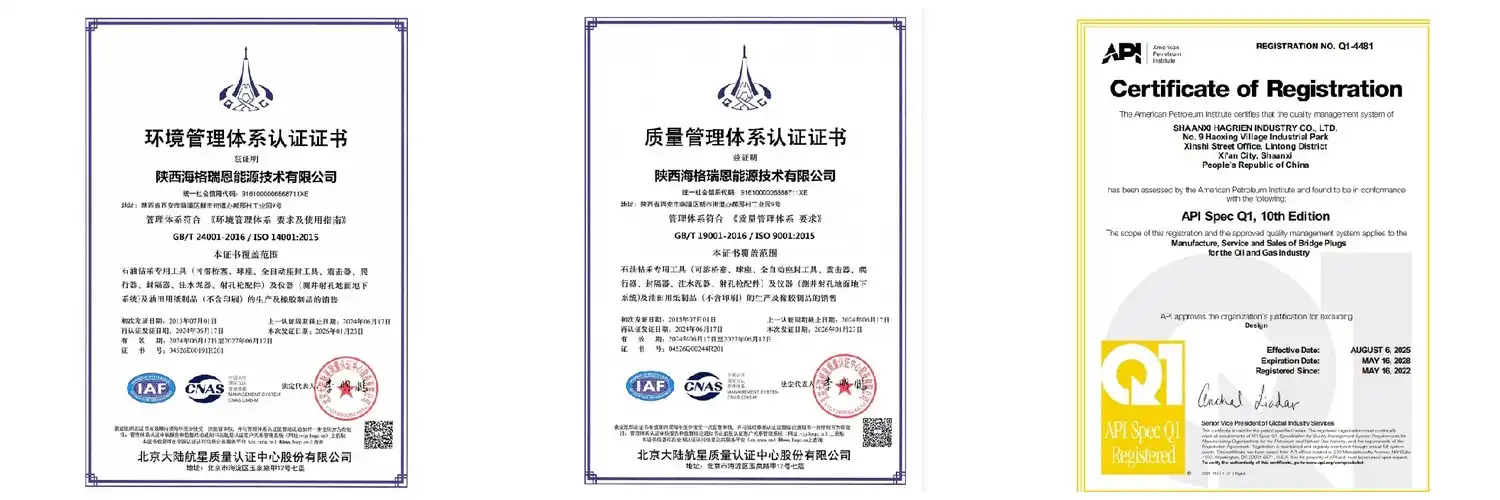 Technical Specification Development
Clear technical needs are the first step to a successful purchase. Buyers need to say:
The temperature range, salt levels, and fluid chemistry are all parts of the operating setting. The goal disintegration time is based on how things work and when things need to be made. Minimums in mechanical properties that show how stressed things are downhole. The tolerances for sizes must match the powers of the machine and the needs of the process.
Having engineering help with developing specifications is very helpful. Our application engineering team at HAGRIEN uses our seven years of continuous production experience and field validation data to help clients turn operating needs into material specs.
Commercial Considerations and Lead Times
The cost of Dissolvable Magnesium Alloy materials is based on how complicated they are to make and how carefully they are checked for quality. Instead of just looking at the price per unit, buyers should think about the total cost of ownership. When assistance costs are taken away, it's often okay to charge more for materials by 10:1 or more.
Lead times change based on how complicated the specifications are. Standard sizes that are kept in safety stock can be shipped within two to four weeks, which helps with sample programs and emergency restocking. Custom specs that need metal development or process improvement usually take between 4 and 8 weeks from the time the order is confirmed until it is delivered. For important jobs where capacity and raw material availability allow, there are expedited choices.
Trade terms that are flexible make it easier to buy things from other countries. Different logistics needs can be met by EXW, FOB, and CIF choices. Our location in the US through a specialized company makes North American coordination easier and imports less complicated.
Initiating the Procurement Process
The quote process goes faster when the question is submitted correctly. Teams in charge of buying things should:
An explanation of the application, including the type of tool used and the working circumstances. Size standards with allowed variations. Volume estimates for both one-time and ongoing needs. Timeline needs, such as samples and certification stages.
HAGRIEN promises to check your needs within 24 hours and provide official quotes for standard requests within 1 to 3 business days. Engineering projects that are very complicated have specific project managers who give weekly progress reports that are in line with the customer's project schedules.
Future Outlook and Innovations in Dissolvable Magnesium Alloy Technology
The dissolvable metals industry is still changing quickly because operators want better performance, lower costs, and less damage to the environment. The technology plan is made up of several innovation paths.
Advanced Alloy Development
The goal of next-generation compositions is to improve both their mechanical qualities and their ability to control breakdown. The main focus of research is on quaternary and quinary metal systems that have beryllium, calcium, and lithium added to them to improve grain patterns and change how they rust.
Using computer thermodynamics and kinetics simulations for predictive modeling speeds up the development processes for alloys. These tools let you try out different compositions virtually before you spend a lot of money on expensive melting and extrusion tests. This cuts down development times from years to months.
Manufacturing Process Innovations
Additive manufacturing opens up interesting options for making shapes that are hard to make from solid stock. Laser powder bed fusion and directed energy casting of magnesium alloys have technical problems with rust and fire risk, but they are still moving closer to being used in everyday life.
Extreme plastic deformation methods, such as equal channel angular pressing (ECAP) and high-pressure twisting, make ultrafine grain structures that are stronger and behave differently when it comes to rust. These methods might make it possible to create versions with very high strengths for extreme HPHT uses.
Expanded Application Domains
Dissolvable magnesium technology is becoming more and more popular in fields other than oil and gas. Temporary fasteners and release devices are used in subsea building to avoid having to do rescue work. In industry, it is used as a sacrifice anode and as temporary gear that breaks down during chemical cleaning.
Biodegradable magnesium is being used more and more in joint implants and heart stents by the medical device business. Material science advances used in the mines often affect medical study, which speeds up progress in both fields.
Regulatory and Sustainability Drivers
Environmental laws are growing supporting technologies that leave smaller marks on the environment and make less waste. Dissolvable magnesium fits in with these trends because it gets rid of grinding debris and recovery waste streams. Using carbon accounting methods that value less rig time and energy use makes dissolvable technology even more environmentally friendly.
Environmental, social, and governance (ESG) factors are becoming more important in purchasing decisions, which makes supply lines more open. In markets that care about the environment, suppliers who show they use responsible mining methods, clean production processes, and strong HSE (Health, Safety, and Environment) systems have an edge over their competitors.
Conclusion
Dissolvable Magnesium Alloys are a new type of material that can change the way oil and gas completions are done. Their electrochemical qualities allow for controlled degradation in wellbore settings. When procurement workers understand how alloy makeup, microstructure, and environmental factors affect each other, they can choose materials that improve overall performance while lowering costs over the lifecycle. As the technology gets better and can be used for more than just oilfield tasks, working with skilled makers becomes more useful. Access to materials that meet strict performance standards is made possible by thorough seller evaluations that focus on technical skills, quality systems, and the dependability of the supply chain. The future looks bright for more improvements in alloys, production methods, and the range of uses for dissolvable magnesium. This will make it a key technology for efficient and long-lasting activities below the ground.
FAQ
1. What primary factors influence magnesium alloy dissolution rates in downhole environments?
The rate of dissolution depends on the temperature, pH, and quantity of chloride in the stream. Higher temps and brines with more salt speed up the rusting process. The amount of aluminum and zinc in an alloy has a direct effect on the electrical potential and response speed. Microstructure uniformity makes sure that dissolution behavior is known instead of limited attack behavior that is random.
2. How do dissolvable magnesium alloys compare cost-effectively with titanium or stainless steel alternatives?
The individual prices of dissolvable magnesium may be higher than those of traditional alloys, but the overall lifetime economics are much better for dissolvable magnesium. Intervention costs are cut by $30,000 to $75,000 per well when cutting activities are stopped. Faster production startup speeds up the time it takes to make money. When you add up the total cost of ownership, which includes time spent fixing problems, wear and tear on equipment, and delayed output, magnesium-based options give you better returns.
3. Can alloy compositions be customized for specific downhole fluid chemistries and temperature profiles?
Of course. Engineerable dissolving windows are one of the main things that sets good sellers apart. HAGRIEN changes alloy systems and heat treatment methods to fit the needs of each buyer. During design development, our application engineering team works together to find the best mix between mechanical properties, dissolution time, and machinability. This helps ensure stable production from testing to large-scale production.
Ready to Optimize Your Completion Operations with Dissolvable Magnesium Alloy Solutions?
HAGRIEN stands ready as your trusted Dissolvable Magnesium Alloy manufacturer and engineering partner. Our integrated capabilities—from in-house alloy development and large-diameter extrusion to precision machining and complete tool manufacturing—deliver traceable, verifiable materials engineered for your specific downhole conditions. With ISO 9001/14001/45001 certification, CNAS-accredited testing, and seven years of constant production experience, we provide the consistency and technical help that procurement teams need thanks to our ISO 9001/14001/45001 certification, CNAS-accredited testing, and seven years of constant production experience. Our responsive engineering team and open shipping choices reduce supply risk whether you're looking for materials for a prototype or to scale up to multi-well projects. To talk about your needs and get a full technical quote, email our North American team at cyrus@us-hagrien.com.
References
1. American Petroleum Institute (2021). Recommended Practices for Dissolvable Materials in Downhole Applications. API Technical Report 19DM.
2. Zhang, W., Liu, Y., and Wang, H. (2022). "Electrochemical Corrosion Behavior of Magnesium Alloys in High-Salinity Oilfield Brines." Journal of Materials Science & Technology, 48(3), 215-228.
3. Society of Petroleum Engineers (2020). Completion Engineering Handbook: Dissolvable Technologies for Multi-Stage Fracturing. SPE Monograph Series, Volume 34.
4. Liu, C., He, Y., and Evans, R. (2023). "Microstructure Control in Large-Diameter Magnesium Extrusions for Downhole Tool Manufacturing." Materials & Design, 217, Article 110621.
5. National Association of Corrosion Engineers (2019). Corrosion Testing Standards for Dissolvable Alloys in Simulated Wellbore Environments. NACE Standard TM0169-2019.
6. International Magnesium Association (2021). Dissolvable Magnesium Alloys: Composition, Processing, and Performance in High-Temperature Applications. IMA Technical White Paper Series.

USER EVALUATE
Here is the customer's evaluation of us