_1776908283214.jpg)




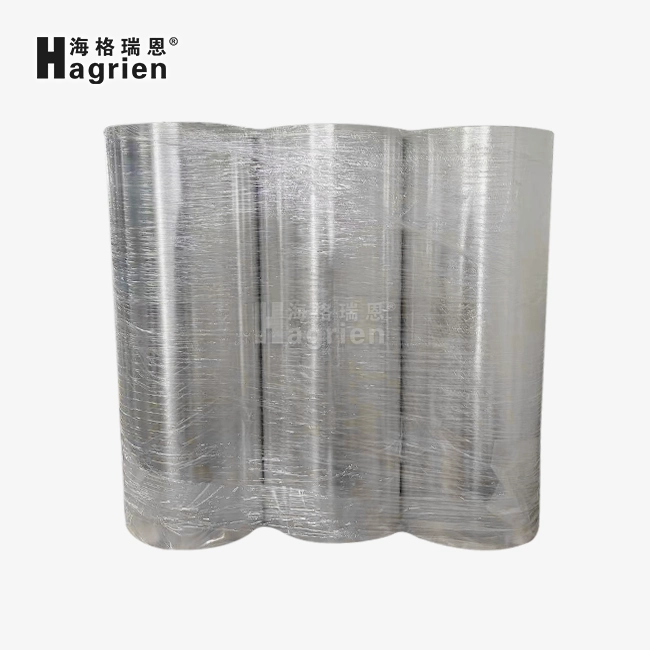
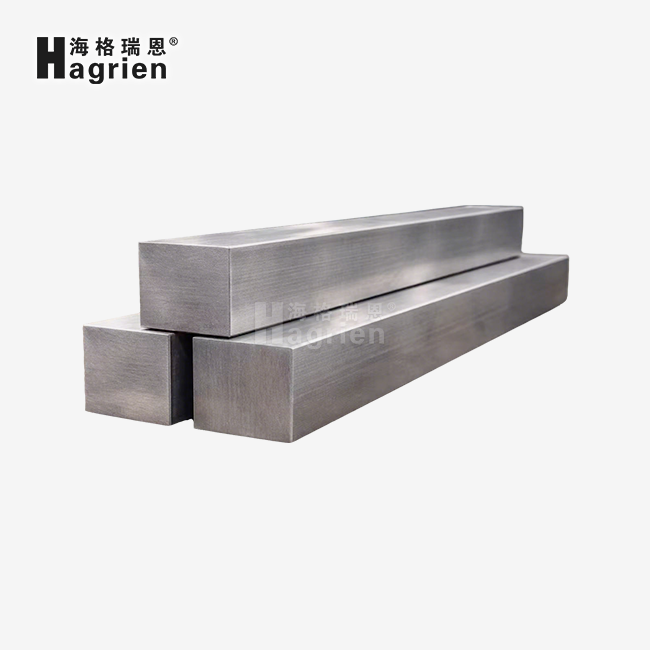
Controlled-Dissolution Magnesium Alloy Raw Material
Features controllable dissolution, high strength and high temperature resistance.
It can completely degrade in specific downhole fluids without post-operation milling,
making it efficient, eco-friendly and a key material for multistage fracturing in oil & gas fields.
- Product Description
Controlled-Dissolution Magnesium Alloy Raw Material
High-Performance Dissolvable Material for Energy and Industrial Applications
Shaanxi Hagrien Energy Technology Co., Ltd. delivers enterprise-grade Controlled-Dissolution Magnesium Alloy Raw Material engineered for precision downhole operations. Our material features controllable dissolution rates from 0.1 to 150 mg/cm²/h, tensile strength ranging from 280 to 450 MPa, and temperature resistance up to 150°C. With extruded billets available up to Ø300 mm diameter, we ensure uniform microstructure and dimensional stability across every batch. Backed by 7+ years of continuous production experience and CNAS-accredited testing facilities, we provide full traceability, standard lead times of 2–4 weeks, and complete documentation packages including COA, COC, and SDS certifications for audit-ready compliance.
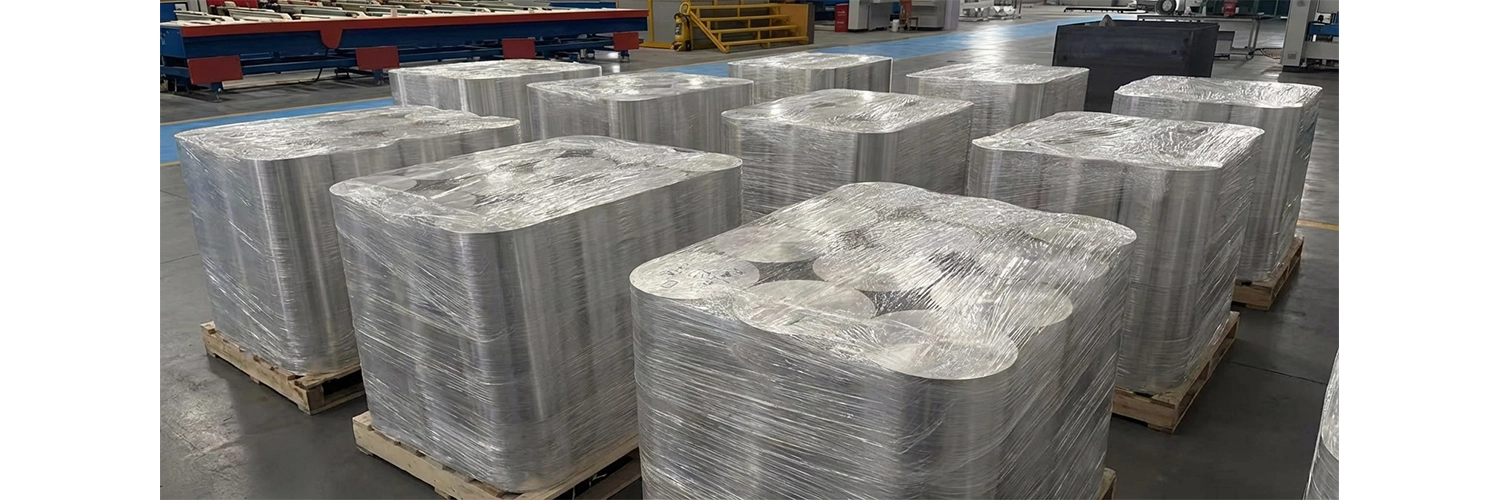
What Makes Our Magnesium Alloy Raw Material Different?
Engineered Dissolution Control
You need materials that perform predictably in demanding environments. Our product is formulated using advanced Mg-Al, Mg-RE, and Mg-Zn metallurgical systems. We design each alloy composition based on your specific operating conditions.
Temperature, salinity, and fluid chemistry all influence how quickly your tools dissolve. We map these variables during development. This means you get consistent, repeatable performance every time.
Large-Diameter Capability
Many suppliers struggle with quality control on larger components. We don't. Our extrusion capabilities reach up to Ø300 mm diameter with strict process discipline. This gives you:
- Uniform grain structure throughout the cross-section
- Minimal dimensional variation
- Superior surface finish
- Reduced machining waste
Your downstream processing becomes simpler and more cost-effective.
Closed-Loop Manufacturing Excellence
From raw material formulation to final inspection, we control every step. Our integrated facility handles alloy melting, metallurgy control, extrusion, and precision machining under one roof.
This vertical integration means faster prototyping. It means scalable production. It means fewer quality surprises when you transition from trial runs to full-scale manufacturing.
We use grain boundary engineering and heat treatment protocols (T4/T6) to stabilize protective surface films. This keeps your components mechanically strong until the predetermined dissolution window activates.
Technical Specifications
Item | Unit | AZ31B | AZ61A | AZ91D |
Density | g/cm³ | 1.77 | 1.80 | 1.81 |
Melting Point | ℃ | 566- 632 | 620- 630 | 470- 595 |
Tensile Strength | MPa | 255- 290 | 290- 315 | 230- 250 |
Yield Strength | MPa | 150- 200 | 170- 220 | 150- 170 |
Elongation | % | 12-21 | 10-16 | 3-5 |
Elastic Modulus | GPa | 45 | 45 | 45 |
Poisson’s Ratio | — | 0.32 | 0.31 | 0.32 |
Thermal Expansion Coefficient | 10⁻⁶ /℃ | 26 | 26 | 26 |
Thermal Conductivity | W/(m·K) | 70 | 65 | 50 |
Specific Heat Capacity | J/(kg·K) | 1000-1050 | 1050 | 1050 |
Electrical Resistivity | μΩ·cm | 92- 125 | 125 | 170 |
Brinell Hardness | HB | 56-73 | 60-70 | 63-90 |
Shear Modulus | GPa | 17 | 17 | 17 |
Fatigue Strength | MPa | 80- 110 | 90- 120 | 70- 100 |
Key Applications
Oil & Gas Downhole Tools
Your frac operations demand reliable isolation and clean wellbores. Our Controlled-Dissolution Magnesium Alloy Raw Material dissolvable magnesium alloys are specifically designed for:
- Dissolvable frac plugs that maintain high-pressure seals during hydraulic fracturing
- Bridge plugs for temporary zonal isolation
- Ball seats and slip systems that vanish after completing their function
No milling required. No stuck tools. No formation damage. Just predictable dissolution in wellbore fluids, leaving you with a clear production path.
Advanced Industrial Applications
Beyond oil and gas, this material serves demanding industrial needs:
- Marine sacrificial systems for subsea release mechanisms
- Temporary underwater sensors with controlled structural failure
- Time-release mechanical components in corrosive environments
The common thread? You need temporary mechanical strength followed by complete, predictable dissolution.
Quality Assurance You Can Trust
Multi-Stage Testing Protocol
We do not dispatch fabric based on confidence. Each group experiences thorough verification:
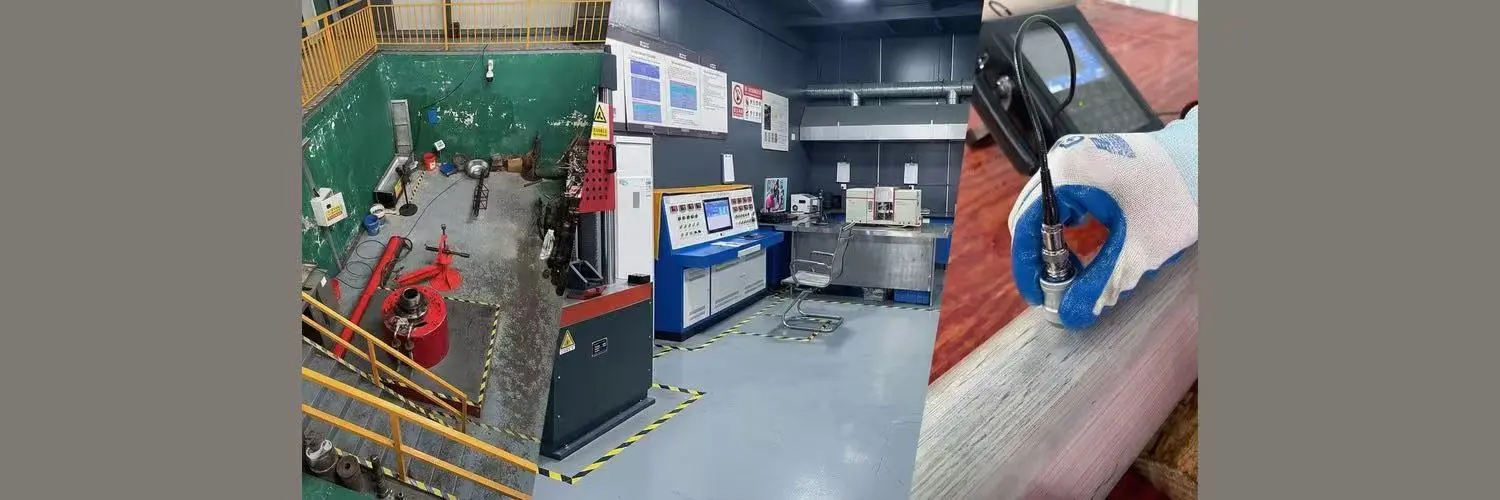
Chemical Composition Investigation: ICP-OES testing guarantees follow components like press, nickel, and copper remain underneath 50 ppm. This avoids untimely galvanic erosion that would compromise your disintegration timeline.
Mechanical Property Testing: Malleable and compression testing at hoisted temperatures mimics your genuine store or handle conditions.
Dissolution Rate Confirmation: We submerge tests in 3% KCl or your indicated liquid at changing temperatures. This maps the correct debasement bend for your application.
Microstructure Assessment: SEM and XRD examination confirm grain measure and auxiliary stage dissemination. These variables straightforwardly control disintegration uniformity.
Documentation and Traceability
Every shipment incorporates total documentation bundles. You get Certificate of Examination, Certificate of Conformance, and Security Information Sheets with batch-specific traceability.
Our CNAS-accredited research facility gives third-party confirmation when you require it. This audit-ready approach underpins your provider capability handle and administrative compliance prerequisites.
Engineering Support and Customization
Tailored Dissolution Windows
Standard materials rarely meet specialized needs perfectly. We customize dissolution rates from 24 hours to 30 days by adjusting:
- Micro-galvanic cell density
- Grain boundary structure
- Secondary phase precipitation
- Surface treatment protocols
Tell us your fluid chemistry, temperature profile, and desired dissolution timeline. We'll engineer the appropriate alloy composition.
Drawing-Based Production
You bring the designs. We handle manufacturing complexity. Our engineering team works from your technical drawings to produce:
- Prototype components for validation testing
- Pilot-run quantities for field trials
- Scaled production volumes with consistent quality
We support Factory Acceptance Testing and provide verification plans aligned with your project requirements.
Why Manufacturing Partners Choose Hagrien?
Predictable Lead Times
Standard items dispatch in 2–4 weeks. Custom definitions require 4–8 weeks. Sped up conveyance accessible for pressing projects.
We keep up security stock for common sizes. Our generation planning obliges your extend points of reference with week by week advance updates.
Responsive Communication
Your RFQ gets a reaction inside 24 hours. Nitty gritty citations arrive in 1–3 trade days. We adjust communication with North American commerce plans through our U.S. coordination office.
Technical questions get answers from our building group, not deals agents perusing from detail sheets.
Long-Term Supply Stability
We've worked ceaselessly since 2019 with reliable generation capability. Our in-house control of basic forms implies you're not uncovered to third-party provider disruptions.
As your program scales, our capacity scales with you. From model amounts to generation volumes, we keep up the same quality measures and fabric consistency.
Exhibition

Frequently Asked Questions
How does temperature influence the disintegration rate?
Dissolution takes after the Arrhenius condition relationship. Higher temperatures quicken the electrochemical response, ordinarily multiplying the rate for each 10-15°C increment. We give temperature-specific disintegration bends amid fabric selection.
Can this fabric be put away in standard distribution center conditions?
The combination is moisture-sensitive. We prescribe vacuum fixing or parched bundling to anticipate surface oxidation. Appropriate capacity anticipates untimely debasement and keeps up mechanical properties until deployment.
Are the disintegration byproducts secure for wellbore environments?
Yes. Disintegration produces basically Mg²⁺ particles and fine hydroxides. These do not harm arrangement porousness or meddled with generation chemistry. The byproducts are ecologically benign.
Can you keep up mechanical quality all through the useful period?
Absolutely. We utilize particular warm medications to stabilize defensive surface movies and control grain boundary vitality. This guarantees adequate quality remains until bulk disintegration begins.
What certifications back your quality system?
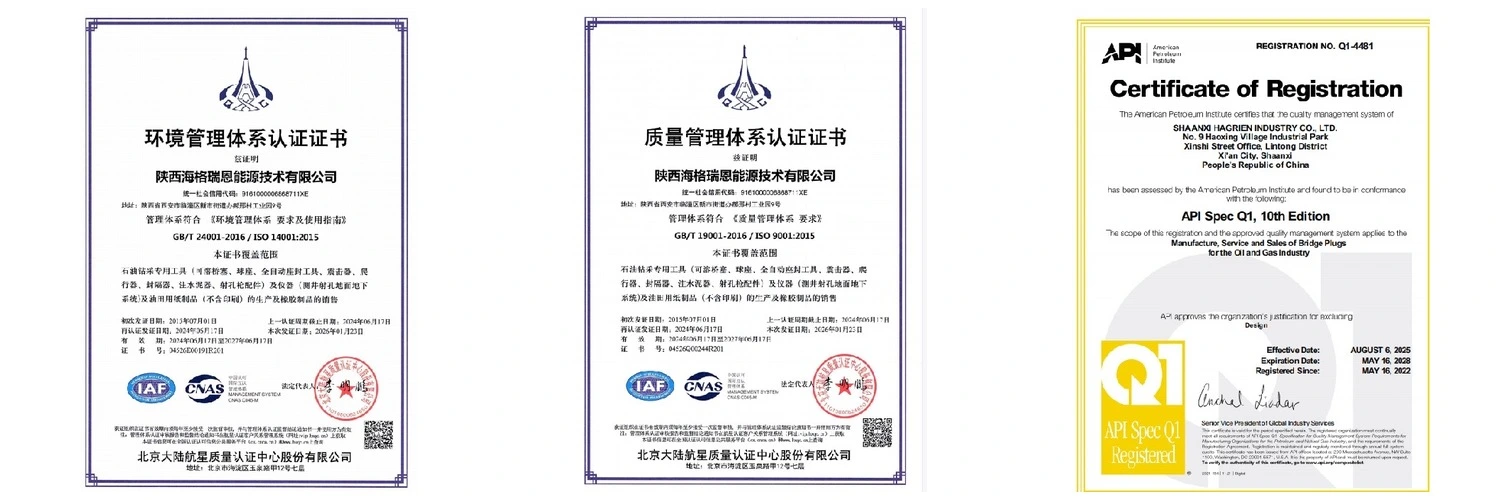
We work beneath ISO 9001, ISO 14001, and ISO 45001 certifications. Our research facility holds CNAS accreditation. We keep up HSE administration frameworks and API acknowledgment for oilfield applications.
How do you guarantee consistency between batches?
Every generation run takes after recorded handle parameters for dissolving, casting, expulsion, and warm treatment. Measurable prepare control screens basic factors. Batch-to-batch testing confirms chemical composition, mechanical properties, and disintegration characteristics some time recently discharge.
Get Started With Your Material Solution
Our engineering team is here to help you select the right Controlled-Dissolution Magnesium Alloy Raw Material for your project. Contact us at cyrus@us-hagrien.com today.

USER EVALUATE
Here is the customer's evaluation of us
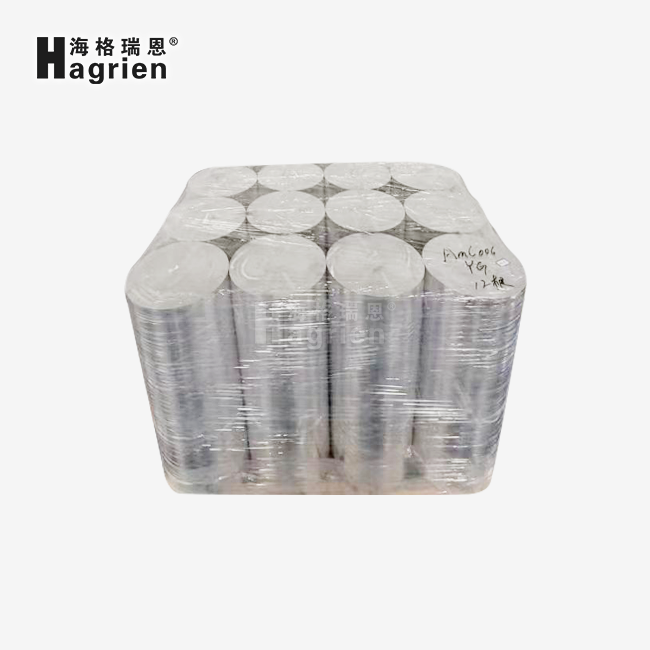 VIEW MOREMagnesium alloy Ingot for Melting
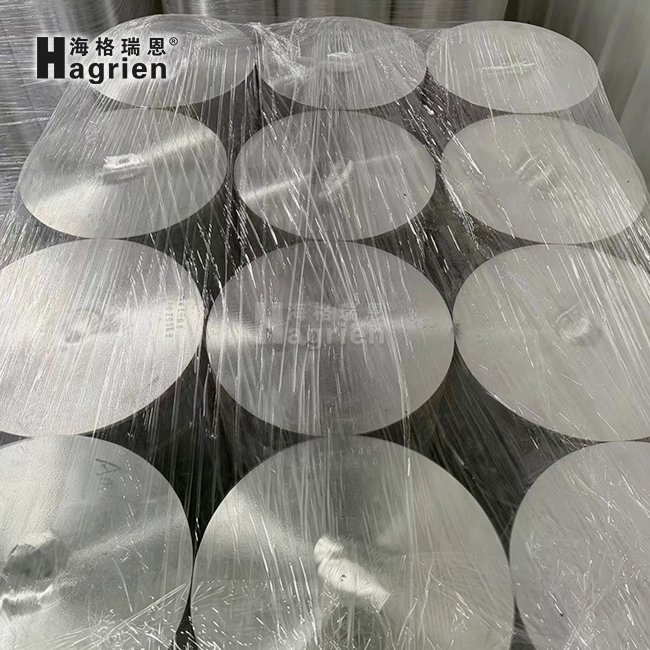 VIEW MOREMagnesium alloy cast ingot
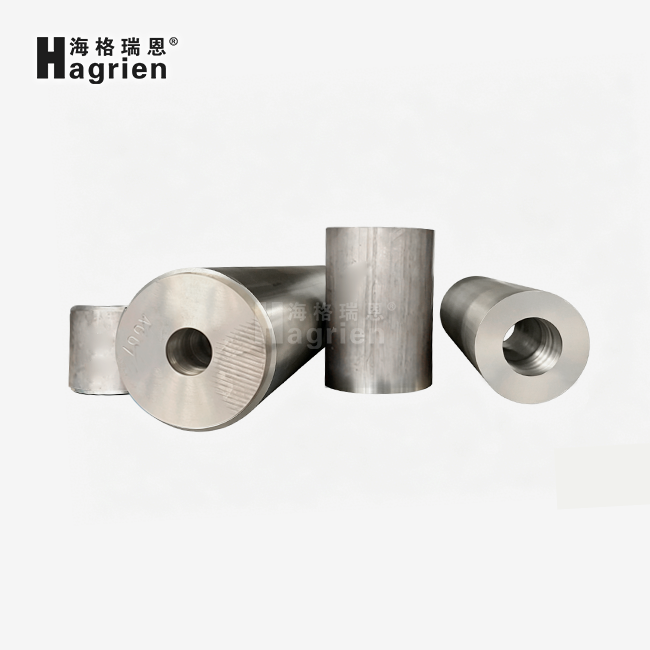 VIEW MOREAerospace Magnesium alloy tube profile
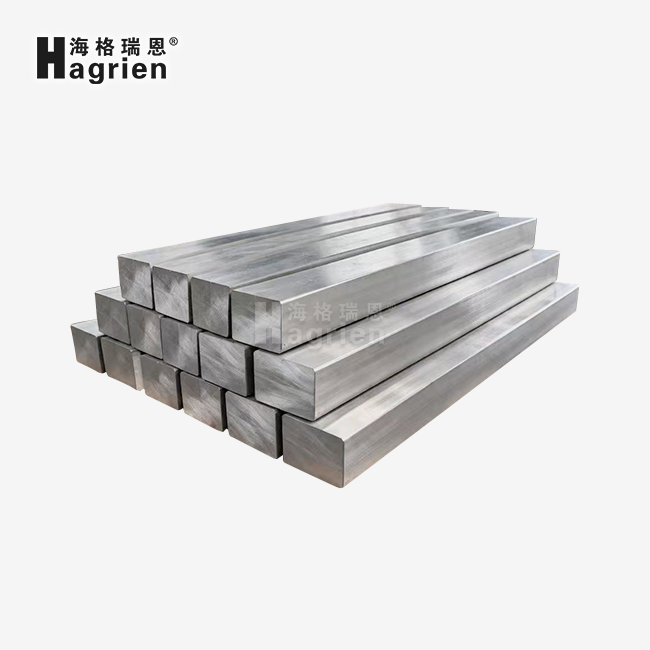 VIEW MORE3C electronic Magnesium alloy rectangular bar
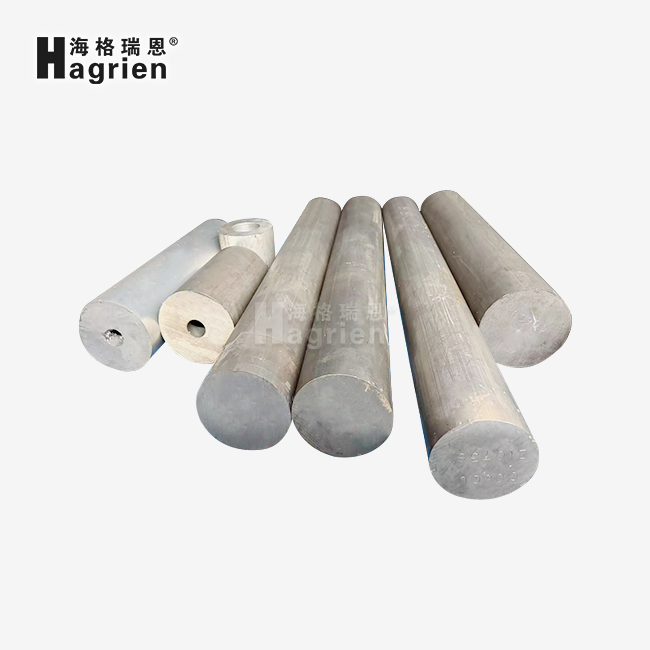 VIEW MOREMagnesium alloy tube billet
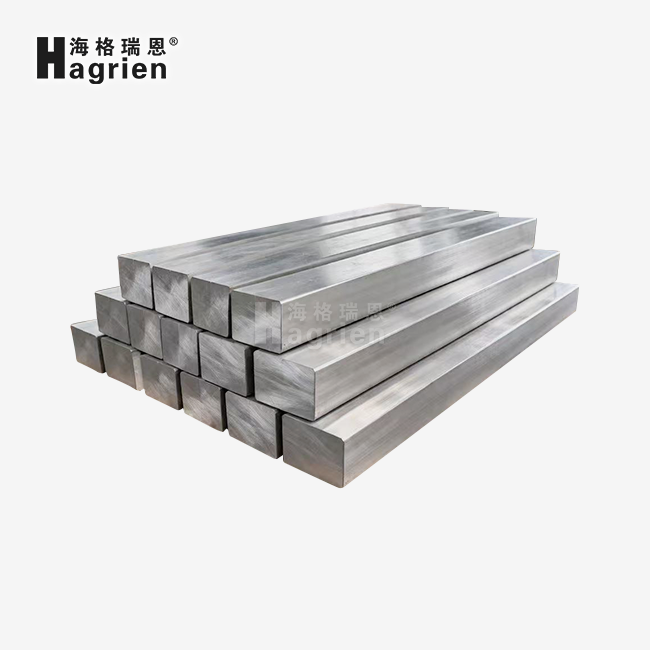 VIEW MOREAutomotive Magnesium alloy rectangular bar
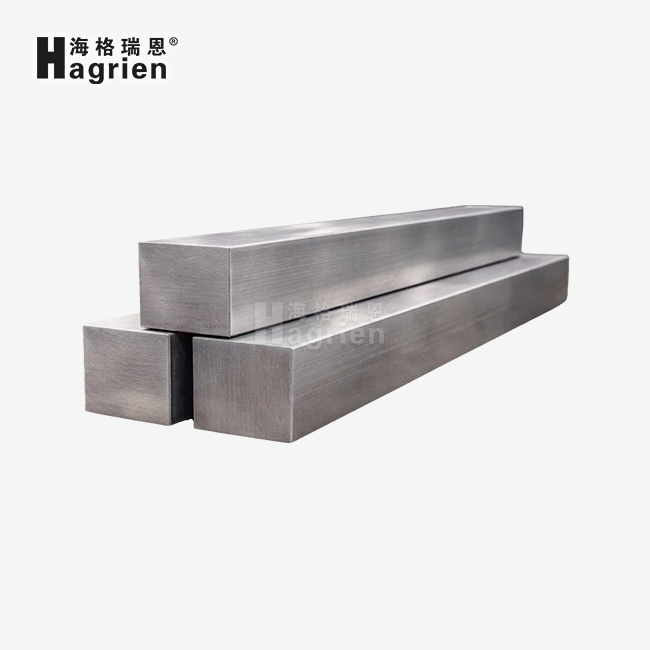 VIEW MOREHigh-Temperature Dissolvable Magnesium Alloy Square Bar
 VIEW MOREAutomotive Magnesium alloy square bar