_1776908283214.jpg)




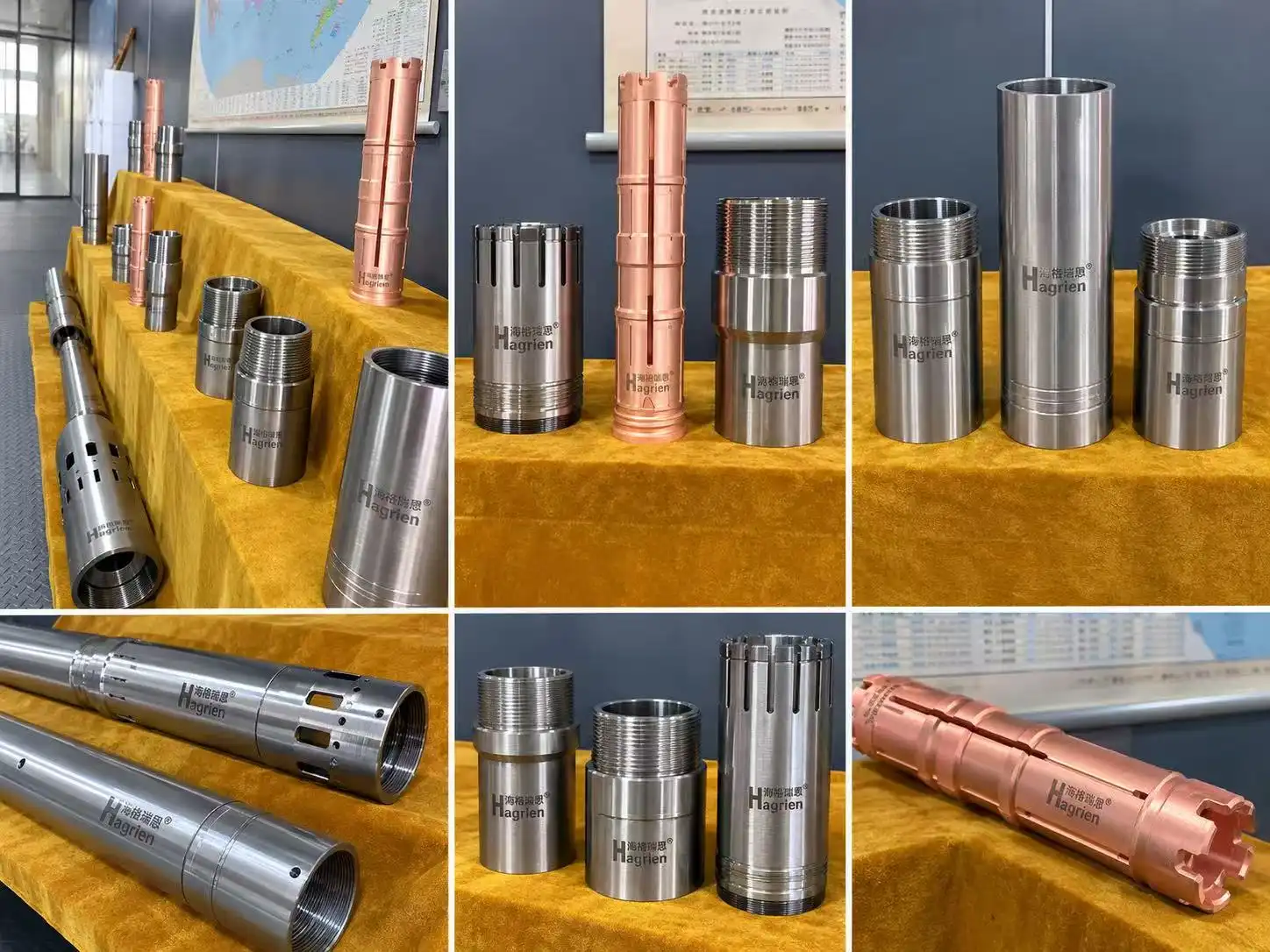
INFINITE-STAGE KEY-ACTIVATED SLIDING SLEEVE SYSTEM
- Product Description
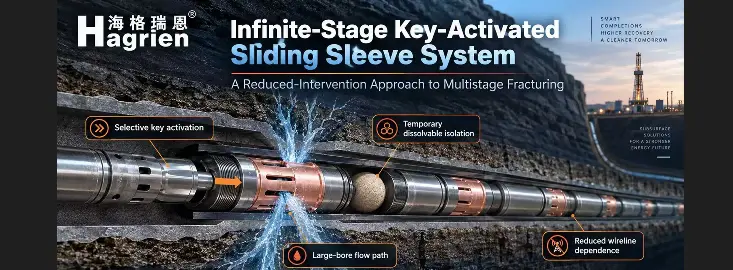
Infinite-Stage Key-Activated Sliding Sleeve System: A Reduced-Intervention Approach to Multistage Fracturing
For multistage fracturing programs, the cost of a completion is not determined by the downhole tool price alone. Wireline runs, perforating logistics, stage-to-stage waiting, tool changes, post-frac drill-out and uncertainty about downhole events can all add non-productive time, personnel exposure and operational complexity. HAGRIEN’s Infinite-Stage Key-Activated Sliding Sleeve System is designed around a different workflow: pre-install the target sleeves with the casing, selectively open the intended stage with a matching key, use a dissolvable sealing element to create temporary differential pressure, and preserve a large internal flow path for later operations.
Why operators and completion teams look for an alternative
Conventional bridge-and-perforate workflows are proven, but their operational chain can become increasingly complex as stage counts rise. A typical program may involve repeated wireline intervention, perforating guns and explosives logistics, plug deployment, pumping transitions, pressure confirmation and later drill-out. Each additional interface creates another opportunity for waiting time, handover error, equipment dependency or wellsite exposure.
· Repeated wireline intervention can interrupt pumping continuity and increase stage-to-stage coordination.
· Perforating charges and associated pyrotechnic logistics add transportation, storage, assembly and site-control requirements.
· Bridge plugs and later mill-out add another post-frac operation, with time, equipment and debris-management implications.
· Traditional ball-drop architectures may progressively restrict internal diameter as stage count grows.
· A tool that reaches depth but cannot be confidently identified, confirmed or recovered still creates operational uncertainty.
· After stimulation, operators increasingly value the ability to retain bore access for diagnostics, water control, re-entry or later intervention.
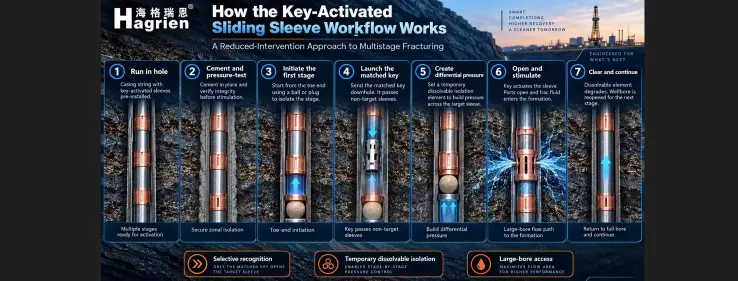
How the key-activated sliding sleeve workflow works
The Infinite-Stage Key-Activated Sliding Sleeve System is built around selective mechanical recognition rather than a conventional sequential restriction philosophy. Sliding sleeves are positioned along the target interval before cementing. During stimulation, a dedicated activation key travels through non-target sleeves and mechanically engages only with its matched sleeve. A dissolvable ball or temporary sealing element then establishes differential pressure so the inner sleeve can shift and expose the pre-designed flow ports. After the temporary sealing element dissolves or clears, the wellbore path is reopened for the next stage.
1. Run in hole: sleeves, toe-initiation components and casing accessories are installed as part of the casing string.
2. Cement and pressure-test: the casing system is cemented and integrity is confirmed before stimulation.
3. Initiate the first stage: the toe-end tool establishes the initial flow path according to the approved program.
4. Launch the matched key: the key passes non-target sleeves and identifies the intended sleeve mechanically.
5. Create differential pressure: the dissolvable sealing element temporarily isolates the flow path and transfers hydraulic load.
6. Open and stimulate: the target sleeve shifts, exposing the flow ports; event signals can be interpreted from pressure, acoustic and pumped-volume responses.
7. Clear and continue: the temporary sealing element dissolves/clears, helping restore the bore for the next stage.
Casing integrity and pressure-hold reference
Validation checkpoint | Reference result | Why it matters |
Plug bump / seat confirmation | 43 MPa | Confirms the completion sequence can establish the planned pressure event. |
Casing pressure test | 20.2 MPa | Provides an integrity checkpoint after installation and cementing. |
Hold period | 30 min | Shows the pressure is evaluated over time, not only at an instantaneous peak. |
Observed pressure drop | 0.2 MPa | A low drop in the record to prove that the casing test passed |
Note: These are cooperation-partner source values from a documented reference record. They do not define the pressure rating of every HAGRIEN project configuration.
Cumulative field-reference scale and pumping intensity
Public/reference indicator | Reported value | Commercial interpretation |
Cumulative horizontal interval | >10,000 m | Shows experience across extended horizontal applications in the referenced technology family. |
Cumulative sleeves used | 347 sleeves | Indicates repeated deployment rather than a single laboratory demonstration. |
Fastest single-stage reference | 59 min | Illustrates the potential value of reducing stage-to-stage tool changes and intervention. |
Typical pumping range in cited records | 8–10 m³/min | Represents high-rate stimulation conditions seen in reference operations. |
Maximum pumping rate in cited records | 15 m³/min | Demonstrates the importance of port-area, erosion and hydraulic verification. |
Proppant per stage in cited records | Average 40 m³; maximum 90 m³ | Highlights the need to validate port erosion and flow-path durability under proppant-laden fluid. |
High-stage-count reference wells
Reference metric | Public range / value |
Stages per well | 153–221 stages |
Total measured depth | approximately 4.7–5.6 km |
Casing reference | 5-1/2 in, 20 lb/ft |
Representative stage spacing | approximately 13.7–18.3 m |
Highest daily stage count in the cited table | up to 41 stages/day |
Maximum pumping rate in the cited table | approximately 8.0–8.3 m³/min |
Another documented fine-spacing reference case used 79 stages across roughly a 1 km horizontal interval with 12.5 m stage spacing. The cited pumping program operated at approximately 8–9.5 m³/min and 45–70 MPa, with the full stimulation sequence reported at 106 hours and a peak pace of 11 stages/day. These values are best read as evidence that the operating workflow can be measured and benchmarked—not as a universal performance promise.
What these data actually prove — and what they do not
For a serious completion buyer, isolated headline numbers are less important than an evidence chain. The public data above support four practical conclusions:
· The technology has reference evidence beyond a single bench test: installation, casing pressure hold, high-stage-count deployment and high-rate pumping are all represented in the source record.
· Operational value is linked to workflow simplification—fewer stage-to-stage tool changes and reduced dependence on wireline/perforating logistics—not to a single “magic” component.
· Large-bore access and temporary dissolvable isolation are important because they help preserve post-frac access and reduce the need for permanent internal restrictions.
· The same public records also show why project-specific validation is essential: rate, pressure, stage spacing, casing geometry, cement environment and proppant loading vary materially from well to well.
The data do not mean that every HAGRIEN configuration is automatically qualified at the maximum values shown.
Key customer benefits
Reduced dependence on pyrotechnics and wireline: Where the well design allows the key-activated sleeve workflow to replace conventional perforating steps, the operating plan can reduce explosives handling, gun assembly, wireline mobilization and repeated stage-entry tasks.
Fewer stage-to-stage transitions: Infinite-Stage Key-Activated Sliding Sleeve System is designed for sequential key launch and target recognition, helping completion teams reduce tool switching and waiting between stages.
Selective opening rather than progressive restriction: Each key is intended to act only on its matched sleeve, allowing stage selection without relying on a traditional continuously decreasing ball-seat sequence.
Large-bore access: The architecture is intended to preserve a larger internal flow path for production, cleanout, diagnostics or future intervention.
Observable downhole events: Pressure, auxiliary pressure, acoustic events and pumped-volume modeling can be combined to support arrival and actuation interpretation.
Contingency and lifecycle planning: Fishing/retrieval interfaces and switchable sleeve concepts can be incorporated into the system architecture, supporting recovery, shutoff or re-opening strategies where validated.
Project-level customization: Casing, temperature, pressure, fluid chemistry, cement environment, erosion, stage spacing, rate and dissolvable-material window are treated as project inputs rather than a one-size-fits-all catalogue claim.
Why HAGRIEN approaches the sleeve as a system, not a catalogue part
The commercial risk in a selective sliding sleeve is created at the interfaces: material consistency, key-to-sleeve matching, internal diameter control, seal behavior, port erosion, temporary isolation, cement contamination, manufacturing tolerance and event confirmation. HAGRIEN’s manufacturing model connects dissolvable-material development, melting and extrusion, CNC machining, component inspection, batch traceability and project-based system verification.
· Dissolvable magnesium alloy development and batch-controlled supply for balls, seats and selected completion components.
· CNC machining and critical-dimension control for sleeve components and precision interfaces.
· Material, dimensional, mechanical and dissolution testing with COA/COC and batch traceability.
· Project-specific DVP&R planning for key passage/matching, seat/seal function, opening, port flow, erosion and full sequence verification.
· Controlled field introduction: start from a defined operating envelope, record every critical event, review the first deployment and scale only after evidence is closed.
A practical validation path before field deployment
Gate | Public validation scope | Examples of project inputs |
— Well definition | Freeze operating envelope and acceptance baseline | Casing, temperature, pressure, fluid system, stage count, rate, proppant, cementing sequence |
— Material & parts | Verify material batches, dimensions, surface and critical fits | Dissolution window, strength, dimensional capability, traceability |
— Subsystem | Verify passage, recognition, temporary isolation, opening and port behavior | Key passage/matching, seat function, pressure response, flow/erosion |
— Full-scale system | Verify cemented opening, proppant pumping, sequence and contingency | Full sequence, event recognition, abnormal-condition recovery |
— Controlled field trial | Deploy a limited first-well scope with independent records | Defined stages, hold points, post-job review and scale-up criteria |
When is Infinite-Stage Key-Activated Sliding Sleeve System a strong candidate?
· High-stage-count horizontal wells where repeated wireline/perforating operations materially influence cycle time.
· Programs seeking to reduce explosives logistics or the number of bridge-and-perforate interfaces.
· Completions that value a large post-frac bore for production and future intervention.
· Operators willing to qualify the system around actual well conditions rather than purchasing only by nominal size.
· Projects where event confirmation, traceability and contingency planning are important procurement requirements.
Frequently Asked Questions
Does the system eliminate all intervention?
The design target is reduced intervention, not an unconditional “zero-intervention” claim. The final workflow depends on the well design, contingency requirements and approved operating program.
Does one key open every sleeve?
No. The selective concept is based on a dedicated key matching the intended sleeve while passing non-target sleeves. The proprietary coding geometry and matching tolerances are not publicly disclosed.
Why use a dissolvable ball or temporary sealing element?
It creates temporary isolation and differential pressure for actuation, then clears or dissolves so the bore can be restored for the next stage and later operations.
Can HAGRIEN guarantee the maximum public flow or pressure values in this article?
No. The published figures are representative cooperation-partner/reference data. Project ratings must be confirmed through the agreed qualification program for the actual casing, temperature, fluid chemistry, port geometry, proppant and operating sequence.
Can the sleeve be used for later water control or re-stimulation?
Switchable sleeve architecture can be designed for closing and re-opening functions, but lifecycle capability must be validated for the specific project and tool configuration.
What information should a buyer send for an initial technical review?
Casing size/weight, expected temperature and pressure, fluid chemistry, cementing environment, target stage count/spacing, pumping rate, proppant program, desired internal diameter, and any required post-frac intervention strategy.
 Discuss your next completion program with HAGRIEN
If your team is evaluating an alternative to conventional bridge-and-perforate workflows, HAGRIEN can support an initial technical screening, confidential data exchange and a project-specific validation plan for the Infinite-Stage Key-Activated Sliding Sleeve System.
Shaanxi Hagrien Energy Technology Co., Ltd. (HAGRIEN)
Website: www.us-hagrien.com
Email: cyrus@us-hagrien.com
Tel: +1 (346) 762-7100 | +86 29-87688776 | +86 135-7293-0001
WhatsApp: +1 346 762 7100
Office: 7-25 Sihai Tangrenjie, Weiyang District, Xi’an, Shaanxi, China
Factory: Hagrien Industrial Park, Haoxing Industrial Cluster Park, Xinshi, Lintong District, Xi’an, Shaanxi, China

USER EVALUATE
Here is the customer's evaluation of us
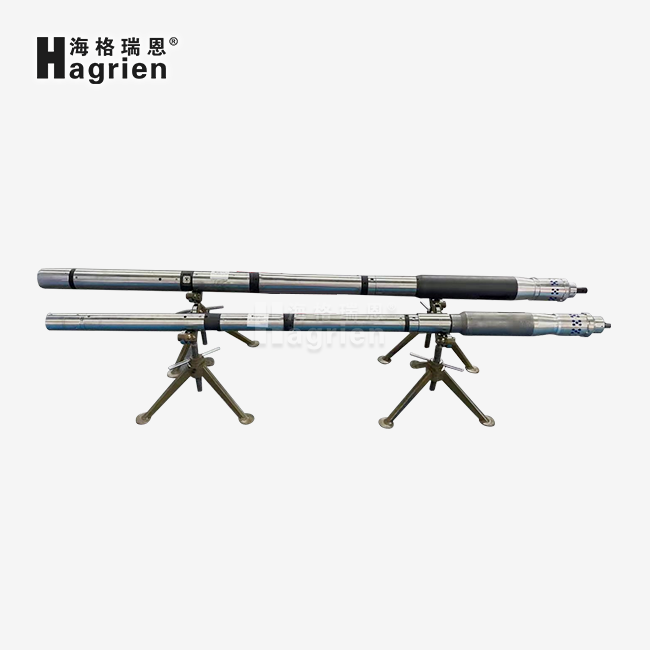 VIEW MOREElectric-hydraulic Setting tool
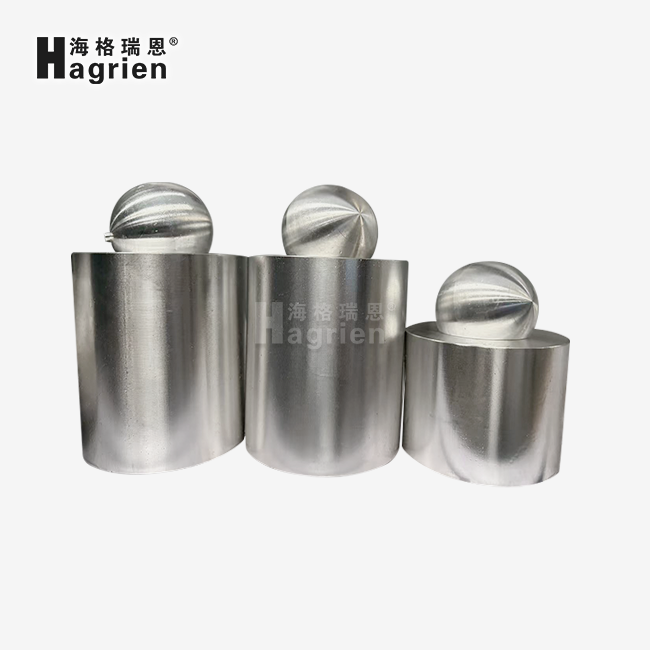 VIEW MORESoluble Magnesium Alloy Plugging Ball
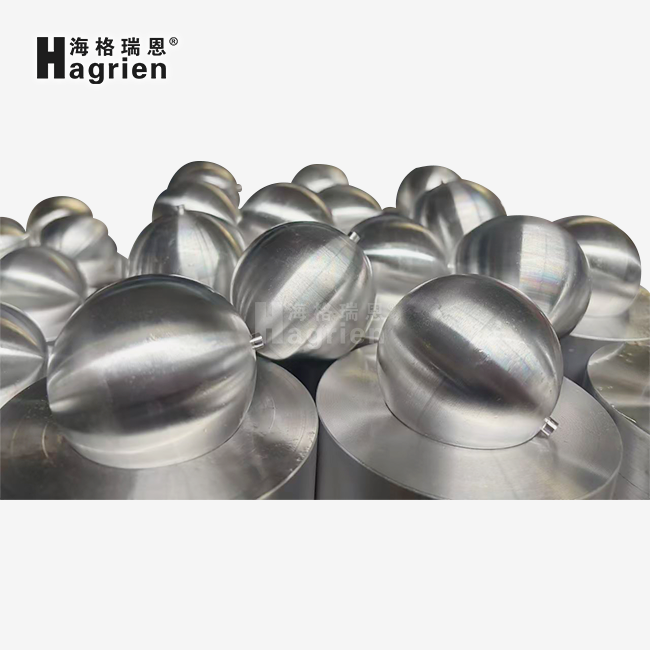 VIEW MORESoluble Magnesium Alloy Frac Ball
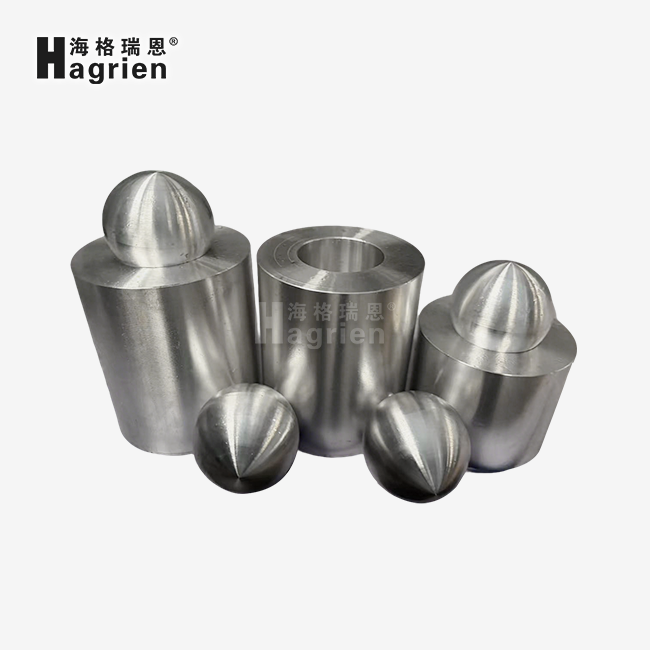 VIEW MORESoluble Magnesium Alloy Ball Seat
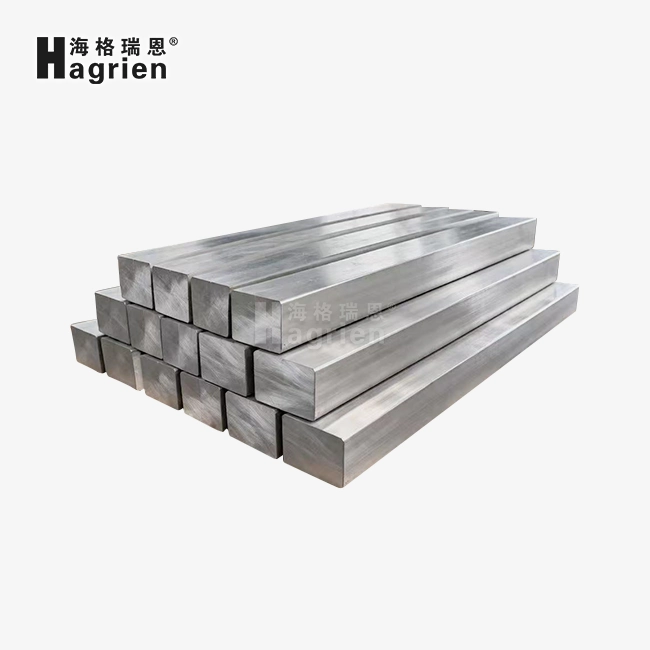 VIEW MOREControlled-Dissolution Magnesium Alloy Square Bar
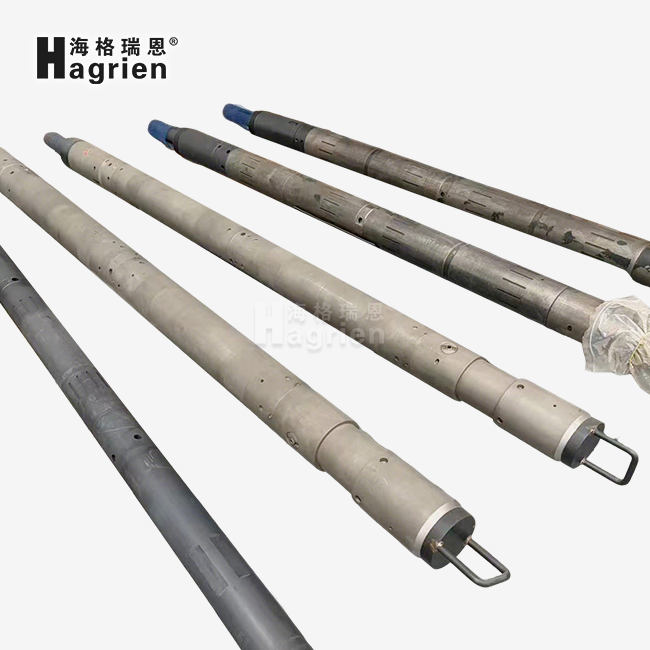 VIEW MOREPyrotechnic Setting tool
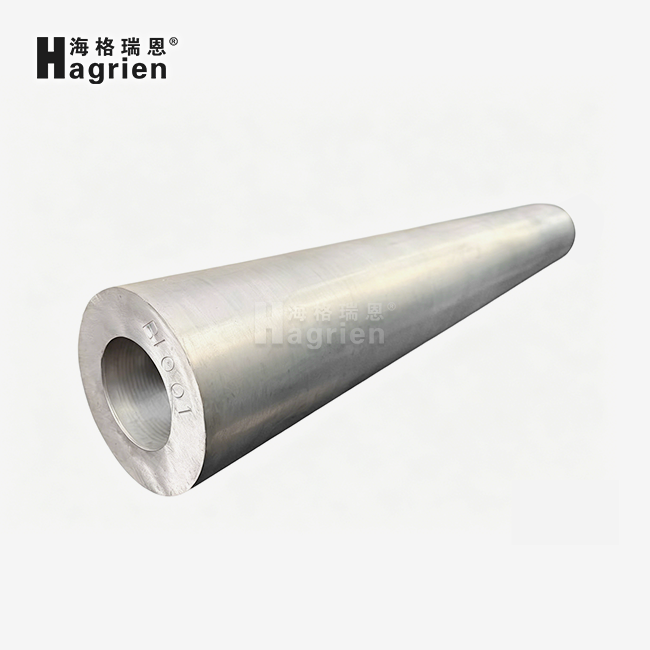 VIEW MOREHigh-Temperature Dissolvable Magnesium Alloy Seamless Pipe