




How to Choose a Single-Use Frac Plug Setting Tool
Choosing the right single-use frac plug setting tool starts with understanding your well conditions, per-run cost targets, and batch reliability requirements. A disposable plug-setting device eliminates the redress cycle entirely—each run uses a factory-fresh tool with intact seals and tight-tolerance components, reducing non-productive time (NPT) and field labor. For procurement teams buying 200 to 5,000 units annually, the decision hinges on setting force range, material traceability, HTHP compatibility, and supplier capacity. This guide walks you through every factor that matters before you commit to a bulk order.
 Understanding Single-Use Frac Plug Setting Tools
What Is a Disposable Plug-Setting Device?
A single-use frac plug setting tool is a downhole intervention device made to use hydraulic or explosive force to put in place and set bridge plugs or frac plugs during plug-and-perf operations. Unlike most reusable setting tools, which need to be cleaned, inspected, and have their seals replaced after each use, this one is only meant to be used once and then thrown away or recycled. Each tool comes in brand-new condition, so there is no chance that it will break because of old internal seals or bad field redressing.
How These Tools Work?
To press the slip-and-seal part of the plug against the wall of the casing, the tool links to the wireline string and sends either an E-line explosive charge or hydraulic pressure. The compression distance is controlled by a precisely machined piston stroke, which makes sure that the plug is always compressed the same way. The setting tool either stays downhole or is removed after the plug is set, based on the design. Non-recoverable models get rid of the cost of recovery completely, which saves time and money at every stage.
Typical Applications
There are three main types of jobs that use disposable plug-setting tools. They cut down on cycle time between stages of multi-stage unconventional shale completions because they don't need an on-site tool technician for redressing. When plug-isolation is done in high-temperature/high-pressure (HTHP) wells, it works much better when the tool's plugs have never been through a heat cycle before. The supply chain is easier to manage because there is no need to transport goods back and forth to a service center and there is no need for a repair kit to take up space on the rig.
Key Criteria to Consider When Choosing a Single-Use Frac Plug Setting Tool
Setting Force and Pressure Rating
The tool's setting force window should match the type of plug and the weight of the case. Axial loads of 5,000 to 30,000 lbf are common for most jobs. For most unusual shale laterals, tools with a wellbore pressure rating of 15,000 PSI are sufficient. However, for wells that are hotter than 300°F, tools made of elastomers with a rating of 400°F are needed. Make sure that the outer diameter (OD) options match the weight range of your casing so that the tool can land freely and not get stuck.
Material Traceability and Batch Consistency
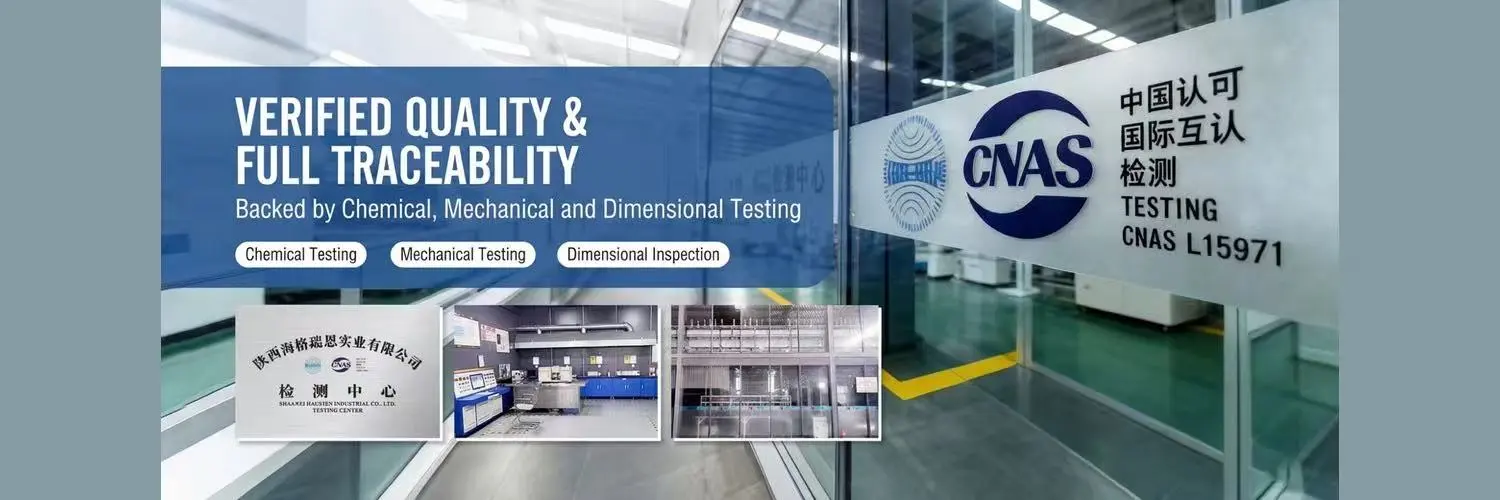
Batch-to-batch consistency is required for bulk purchases; it's not an option. It's written into the contract. Ask for Full Material Test Reports (MTR) for all load-bearing parts and make sure the provider tests each lot for hydrostatic shell integrity and seal integrity using nitrogen or hydraulic pressure. Coordinate measuring machines (CMM) are used to check the dimensions of thread adapters to make sure they work with all plug brands. When pump-down speeds are high and the laterals are long, tensile testing confirms the axial load capacity.
Compatibility with Dissolvable and Composite Plugs
To avoid cutting runs, many operators now use bridge plugs that dissolve. Make sure the setting tool has universal crossover adapters that can handle plug bodies made of cast iron, composite, or dissolvable material. If your service company works in areas with sour gas, make sure they follow NACE MR0175 for H₂S service. When rig configurations change from one project to the next, having tools that can be operated by both E-line and slickline/tubing hydraulics gives your crews more options.
Comparing Single-Use vs. Reusable Frac Plug Setting Tools
A lot of the time, purchasing managers wonder if switching to a disposable model really does lower the total cost. The real answer depends on the number of runs, the cost of fixing problems, and the failure rate.
Both methods are good at the most important parts of per-well cost tracking, as shown below:
- Per-unit price: A redress kit costs less than a single-use frac plug setting tool. In a fixed-asset decline model, however, each repair adds costs like labor, inspection time, seal inventory, and round-trip freight that can't be seen.
- Non-productive time (NPT) risk: Seals and piston bores on a used tool get worn down over time. In NPT, even one bad set on a 15-stage lateral can cost $50,000 or more, which is a lot more than the cost of 15 throwaway tools.
- Logistics and inventory: Disposable tools come already put together and tested. No expert on-site. Don't send anything back. That makes things easier and directly supports an asset depreciation model instead of a per-well cost model.
Your cost spreadsheet will be more accurate when you switch from a fleet-maintenance model to an expendable-tool model. When clients look at your prices, they see a clear line item for each stage instead of an equipment charge that is spread out over time. This is a billing structure that many operators now prefer.
Market Overview: Top Brands and Solutions in 2026
Established Service Company Offerings
As part of their plug-and-perf service packages, Halliburton, Baker Hughes, and SLB (Schlumberger) all offer their own single-trip setting methods. These tools have been used in many of the big shale areas in the U.S., but they are usually only sold as part of a service contract and not on their own. If your independent wireline service company buys tools that will be used up quickly, combined price might not give you the best per-unit value.
Independent Manufacturers and OEM-Ready Suppliers
Weatherford and NOV both make standalone setting tool hardware that is known to work with APIs. Companies that want to buy directly, use private labels, or become original equipment manufacturers (OEMs) can get ISO-certified single-use frac plug setting tools from companies like HAGRIEN. These tools are made to be used only once and have setting forces between 5,000 and 30,000 lbf, above 98% operational reliability in HTHP environments, and full batch traceability documentation. HAGRIEN lets you order in bulk, and they keep safety stock for standard configurations. Lead times are usually between two and four weeks.
Verifying Supplier Quality
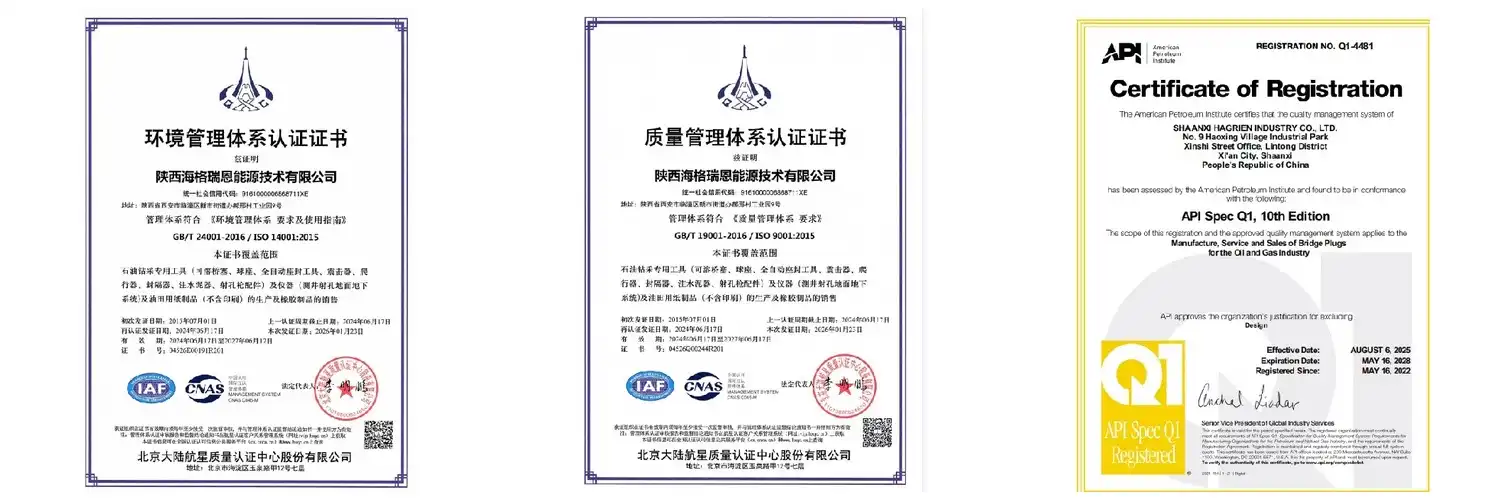
Before you place a large order, you should ask each possible provider for three things: a current ISO 9001 certificate, batch MTRs from a recent production lot, and a hydraulic test report. If the supplier can't get these to you within 48 hours, that's a sign of a supply chain risk. Also, make sure that the maker has a CNAS-accredited lab or something similar for testing pressure and temperature in-house.
 Procurement Best Practices: Where and How to Buy Single-Use Frac Plug Setting Tools
Sourcing Channels and Pricing
For orders over 200 units per year, going directly to the manufacturer usually gets you a better price per unit than going through a distributor. Online manufacturing platforms can help you find suppliers, but before signing an annual framework agreement, you should always test samples as part of the final approval process. In 2024, prices depend on the OD range, pressure grade, and material specification. To compare like for like, always ask for a standard quote package that breaks down unit cost, freight, paperwork, and inspection fees.
Sample Testing and Framework Agreements
To get qualified, you usually have to do a cost model comparison, a sample trial on two or three wells, a small-batch project application, and then an annual framework. Plan on two to four months for a new supplier. Ask the seller to send you sample tools with full paperwork on how to track them back to the manufacturer. This way, your equipment engineer can compare the performance data to the parameters of your well before you commit to buying a lot of them.
Inventory and Delivery Management
During busy project times, make sure your provider has standard-sized safety stock on hand. A manufacturer with a U.S. coordination entity can respond faster to urgent replenishment needs. In your supply agreement, agree on milestone-based delivery progress reports. Weekly check-ins that are timed to the project schedule will avoid the kind of last-minute shortages that force you to buy a more expensive tool.
 Conclusion
Picking a single-use frac plug setting tool is both a technical and a supply-chain choice. It's easier to keep track of your bills when you use the right single-use frac plug setting tool. It also lowers the cost per well. Put the range of setting forces, tests for seal integrity, batch tracking, and the reliability of source shipping at the top of your list. You can make your own cost model by comparing the total cost of replacing tools with the amount of money you spend on repairs now. Most wireline service companies find that the numbers work in their favor when they do more than 300 repairs a year. As soon as the numbers are right, you should move quickly to sample approval.
FAQ
1. Is a single-use frac plug setting tool compatible with all plug types?
Yes. Most of the time, these tools are made with crossover adapters that can fit most composite, dissolvable, and cast-iron bridge plugs. Talk to your supplier about the thread spec and OD before you place your order.
2. Does switching to disposable tools increase total completion cost?
Even though it costs more per unit than a redress kit, the total cost of ownership is usually cheaper when you consider the lower cost of work, the lower cost of return freight, and the lack of NPT risk from tool fatigue.
3. How do these tools perform in H₂S environments?
Most single-use types come in fabrics that meet NACE MR0175 standards and are rated for sour service. Before selecting for H₂S wells, ask for a material compliance certificate.
4. Can these tools be triggered by both wireline and hydraulic pressure?
Yes. There are models for both E-line (explosive power charge) and slickline or tubing hydraulic actuation, so teams can use them in a variety of job settings.
5. What is the environmental impact of a disposable setting tool?
The tools are made from strong steel that can be recycled over and over again. Getting rid of the need for round-trip planning for redressing also lowers the total carbon footprint for each stage that is finished.
Get Your Single-Use Frac Plug Setting Tool Quote from HAGRIEN
When HAGRIEN makes single-use frac plug setting tools, they make them so that they can be bought in bulk and have full batch tracking, 98%+ HTHP reliability, and variable delivery terms. Our team gets back to you within 24 hours, whether you need a sample run or an annual framework supply agreement. To get a basic quote package right away, email us at cyrus@us-hagrien.com or go to us-hagrien.com.
References
1. American Petroleum Institute. API 11D1: Packers and Bridge Plugs. 3rd ed. API Publishing Services, 2015.
2. NACE International. MR0175/ISO 15156: Petroleum and Natural Gas Industries—Materials for Use in H₂S-Containing Environments in Oil and Gas Production. NACE International, 2015.
3. Daneshy, A. A. "Hydraulic Fracture Propagation in Layered Formations." Society of Petroleum Engineers Journal, vol. 18, no. 1, 1978, pp. 33–41.
4. Montgomery, Carl T., and Michael B. Smith. "Hydraulic Fracturing: History of an Enduring Technology." Journal of Petroleum Technology, vol. 62, no. 12, 2010, pp. 26–40.
5. Palisch, Terry, et al. "Slickwater Fracturing: Food for Thought." SPE Production & Operations, vol. 25, no. 3, 2010, pp. 327–344.
6. King, George E. "Hydraulic Fracturing 101: What Every Representative, Environmentalist, Regulator, Reporter, Investor, University Researcher, Neighbor and Engineer Should Know About Estimating Frac Risk and Improving Frac Performance in Unconventional Gas and Oil Wells." SPE Hydraulic Fracturing Technology Conference, SPE-152596-MS, 2012.

USER EVALUATE
Here is the customer's evaluation of us