




How Does a Disposable Setting Tool Work Downhole?
A disposable setting tool is a single-use downhole device engineered to deliver the high axial force needed to set bridge plugs, packers, and frac plugs during oil and gas completions. HAGRIEN disposable setting tools operate through pure mechanical force—pipe-string pressure and rotation—without electricity, gas, or external hydraulics. Once run downhole, the tool actuates, sets the target component, and is retrieved or left in place. Because it is pre-assembled and pre-tested before shipment, there is no field redressing required. This design directly reduces Non-Productive Time (NPT) and lowers total well cost per stage.
 Understanding Disposable Setting Tools in Downhole Applications
What Is a Downhole Setting Tool?
It takes mechanical energy from the pipe string and sends it to a bridge plug, packer, or cement retainer. The tool changes the weight that is put on the bit or the turn of the pipe into a controlled axial stroke that squeezes the packing element and sets the slips. Because HAGRIEN is mechanically designed, it doesn't need any external hydraulic lines or explosive power charges. This makes the setup on the surface easier and cuts down on the amount of equipment needed on the rig floor.
Types: Hydraulic vs. Mechanical Variants
Different levels of pressure inside a hydraulic setting tool move a piston and make setting power. Mechanical setting tools, like the HAGRIEN line, depend on the load and rotation of the pipe string. This makes them ideal for rural areas or NACE MR0175 sour-service places where gas-handling permits are hard to get. Both types are one-time use assemblies, but the mechanical type has fewer problems with pressure vessels while it is being moved and stored.
Material Composition and Design Features
Hastrien's one-time-use setting tools are made from high-grade metal steel and have controlled-stroke pistons and shear pins that are precisely cut. It can handle pressures of more than 10,000 psi and temperatures up to 400°F (204°C). A coordinate measuring machine (CMM) is used to check the tool body's dimensions and make sure that the wiring is compatible with standard bridge plug and packer connections that meet API and ISO standards. Each unit comes fully assembled and with full paperwork for tracking materials.
 Advantages of Disposable Setting Tools Over Reusable Alternatives
Reduced Maintenance Cycles and Rig Downtime
Reusable disposable setting tool need to be cleaned after each use, have their seals replaced, and have their dimensions checked before they can be used again. In fracturing projects with more than one stage, this repair cycle can add several hours of rig time to each step. A one-time-use setting tool gets rid of that cycle completely. According to data from multi-stage completions in tight-gas plays, cutting down on tool repair between stages can cut flat time by 15 to 30 minutes per stage. This can save a 20-stage well a lot of money.
Safety and Environmental Compliance
With single-use tools, you don't need the chemical cleaners and hydraulic oils that are used for redressing. The tools made by HAGRIEN are certified to ISO 9001, ISO 14001, and ISO 45001, and the company has a well-established HSE management system. When possible, parts are made from alloys that can be recycled. This lowers the amount of chemical waste compared to regular tool maintenance. This puts buyers in a good situation when working on contracts that need proof that the supply chain is environmentally friendly.
Here are the main performance benefits that procurement decisions should keep in mind:
- No redress labor cost: Each tool arrives pre-assembled and pre-tested, so crews spend zero time on field refurbishment between runs.
- Consistent first-run performance: Because no internal seals experience fatigue from prior runs, every deployment begins at full rated integrity—pressure-rated above 10,000 psi and temperature-stable to 400°F.
- Simplified logistics: Lighter, non-oil-soaked components reduce the complexity of transporting used tools back to service centers, particularly in remote onshore or island-based operations.
The field is worried that low-cost tools might lower the number of first-time successes. These benefits directly address that worry. With consistent shear pin accuracy and no chance of seal fatigue, a new one-time-use tool is as reliable as or more reliable than a quality reusable tool that has just been serviced.
Key Factors When Selecting Disposable Setting Tools for Professional Use
Pressure Rating and Temperature Window
The working system tells you what tools to use. Standard-grade alloy steel tools are usually enough for wells below 10,000 feet and with temperatures below 300°F at the bottom. For HPHT uses or sour-service wells that need to follow NACE MR0175, buyers should ask for material traceability reports (MTRs) that confirm the H2S-resistant alloy chemistry. As standard, HAGRIEN gives full batch-level MTR paperwork to help national oil companies and joint-venture operators with their qualification applications.
Disposable vs. Reusable: When Each Makes Sense
When used only once and a skilled repair center is close by, reusable tools are cheaper per unit. Single-use tools are the most cost-effective option when rig time is expensive, redress arrangements are complicated, or the number of wells per campaign goes over the point where the total cost of redress labor is higher than the unit price difference. When operators are using 15 or more stages per well across multiple wells in a campaign, the math always works out in their favor.
Certifications and Supplier Qualification
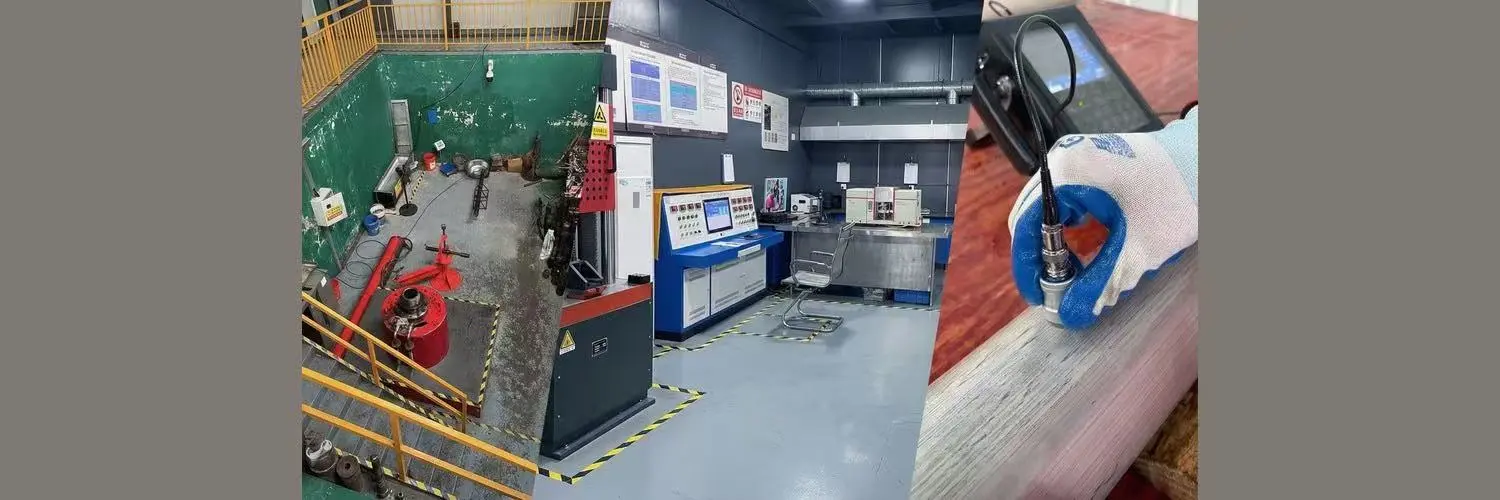
Before accepting a new supplier, procurement teams at national oil companies and joint-venture projects usually need to see API and ISO data. HAGRIEN has a Safety Production License, an ISO 9001/14001/45001 certification, and a high-temperature, high-pressure laboratory that is recognized by CNAS. These certificates help the process of qualifying suppliers and make it easier for the buyer's expert team to keep track of paperwork. You can get third-party test reports and CNAS lab validation records if you ask for them.
 Procurement Guide: Where and How to Buy Disposable Setting Tools
Bulk Purchasing and Trial Order Support
HAGRIEN supports small-batch trial orders before committing to annual framework volumes for procurement cycles that are sensitive to price. Standard sizes have safety stock, and wait times are between 2 and 4 weeks. Lead times for custom specifications, such as engineered dissolution windows for dissolvable bridge plug applications, are 4–8 weeks, but there are options for faster delivery for projects that need to be finished quickly. Trial orders and full-volume orders are priced the same; under framework deals, buyers get the same unit price for both sizes.
Pricing, Payment, and Delivery Terms
EXW, FOB, and CIF are all flexible trade terms, and HAGRIEN's U.S. company helps with planning in North America. Every order comes with a full set of export documents, including a COA, a COC, SDS, and batch inspection records. These help with clearing customs in markets in the Middle East, Southeast Asia, and North America. This set of paperwork also meets the import compliance needs of most national oil company procurement offices.
After-Sales and Technical Support
If you have a technical question, Hagrien will answer it within 24 hours, and for official quotes, it will take 1–3 working days. Throughout the lifecycle of a project, application engineering support, remote troubleshooting, and on-site service (China regional office) are all available. For long-term supply agreements, HAGRIEN uses corrective action and preventive action (CAPA) methods to deal with any feedback from the field. This helps well campaigns keep getting better at what they do.
Maintenance, Troubleshooting, and Best Practices for Usage
Storage and Pre-Deployment Handling
Disposable setting tool should be kept in a cool, dry place that is out of direct sunlight. According to O-ring shelf-life standards, elastomer parts can only be used for a certain amount of time. Usually, they can be kept for 3 to 5 years. Before putting them into use, check the thread guards and package seals. End caps should not be taken off until the tool is ready for run-in-hole.
Common Field Issues and Solutions
In the field, the most common problem with any setting tool is an unfinished stroke, which leads to a plug or packer that is only partly set. When it comes to mechanical tools that are only used once, this usually happens because not enough weight is being applied or the rotation sequence is wrong. With every shipment, HAGRIEN includes a field deployment guide that lists weight-on-bit goals and rotation parameters for each size of tool. The tool can only be used once, so if a run is stopped before it starts, it has to be replaced because it can't be restarted.
Safe Disposal After Use
If alloy recycling is needed for the project, used tool bodies should be kept separate from other scrap metal streams after they have been retrieved. HAGRIEN's tool parts are made from alloy steel that can be recycled, and normal completion fluid programs don't need to handle chemical residues differently than other toxic trash. Follow the rules set by the local government for getting rid of metal waste at the rig site.
Conclusion
A dependable disposable setting tool may assist operators simplify downhole operations, save preparation time and increase completion efficiency. It removes the need for field redressing, and offers consistent performance for each deployment as opposed to reusable options that are pre-assembled in design. When choosing a tool, operators should consider pressure and temperature ratings, material quality, certification records and supplier support capabilities. HAGRIEN provides disposable setting solutions for contemporary completion projects. They allow clients to decrease operational risks and total well costs. Strong production control, CNAS-verified testing and thorough documentation.
FAQ
1. Can a single-use setting tool be reused if the run is aborted?
No, a mechanical fixing tool that is thrown away is a one-stroke device. If the internal shear pins are moved, even just a little, the tool has to be changed before the next run. This approach makes sure that every release starts with a mechanical state that has been checked and isn't broken.
2. What pressure and temperature ratings apply to HAGRIEN's tools?
The HAGRIEN one-time-use setting tools can handle pressures of up to 10,000 psi and temperatures of up to 400°F (204°C). In order to make sure they get the right alloy grade and shear pin design for HPHT uses, customers should describe the well conditions during the RFQ stage.
3. Does HAGRIEN support small trial orders before annual framework agreements?
Yes. Before committing to volume agreements, HAGRIEN supports buying in small amounts for testing purposes. Under formal supply agreements, the unit price stays the same for both trial and framework volumes.
4. What documentation comes with each shipment?
There are COA, COC, SDS, batch inspection records, and MTR paperwork with every order. This package helps the national oil company qualify suppliers, clear customs, and do internal technical acceptance reviews.
5. What is the typical lead time for standard sizes?
Standard sizes ship two to four weeks after the order is confirmed. Custom orders are delivered in 4–8 weeks, and fast production is possible for tight deadlines.
Request a Quote from HAGRIEN — Your Trusted Disposable Setting Tool Manufacturer
HAGRIEN provides disposable setting tool that have been checked and are ready for documentation. These tools are made for demanding completion programs in North America, Southeast Asia, and the Middle East. With ISO certifications, API recognition, a CNAS-accredited lab, and a U.S. organizing body, we provide the whole supply chain, from small sales to long-term deals. For a quote and detailed information, please email our engineering team at cyrus@us-hagrien.com or visit us-hagrien.com.
References
1. American Petroleum Institute. API 11D1: Packers and Bridge Plugs. API Publishing Services, 2015.
2. International Organization for Standardization. ISO 14310: Petroleum and Natural Gas Industries — Downhole Equipment — Packers and Bridge Plugs. ISO, 2008.
3. NACE International. NACE MR0175/ISO 15156: Petroleum and Natural Gas Industries — Materials for Use in H2S-Containing Environments in Oil and Gas Production. NACE International, 2015.
4. Society of Petroleum Engineers. SPE 168971: Optimization of Plug-and-Perf Completions in Unconventional Reservoirs. SPE, 2014.
5. Economides, M.J., Hill, A.D., Ehlig-Economides, C., and Zhu, D. Petroleum Production Systems, 2nd ed. Prentice Hall, 2013.
6. World Oil. Advances in Single-Use Completion Tools for Multi-Stage Fracturing Programs. World Oil Publishing, 2021.

USER EVALUATE
Here is the customer's evaluation of us