_1776908283214.jpg)




Top Applications of Eco-friendly Magnesium Alloy Ingot Today
Eco-friendly magnesium Alloy Ingot revolutionizes well rehabilitation and downhole completions. This material is robust, temperature-resistant, and soluble under controlled conditions. This makes it the best dissolvable frac plug, bridge plug, and packer. Downhole fluids totally degrade these advanced metals, removing the need for expensive recovery. No milling is needed after the operation, saving rig time and promoting environmentally sustainable field development. Energy companies must combine efficiency and environmental responsibility. The eco-friendly magnesium Alloy Ingot is a key improvement in sustainable industrial materials, especially for oil and gas companies that finish projects and explore and produce. Their light weight, high strength, controlled breakdown, and environmental benefits are increasing demand in all North American energy sectors. This article explains the most important uses of these alloys and why well intervention, downhole tool manufacturing, and finishing service procurement professionals select magnesium-based solutions. Businesses may meet ESG goals and regulatory requirements while enhancing efficiency by learning about greener materials' technological benefits and field-proven uses.
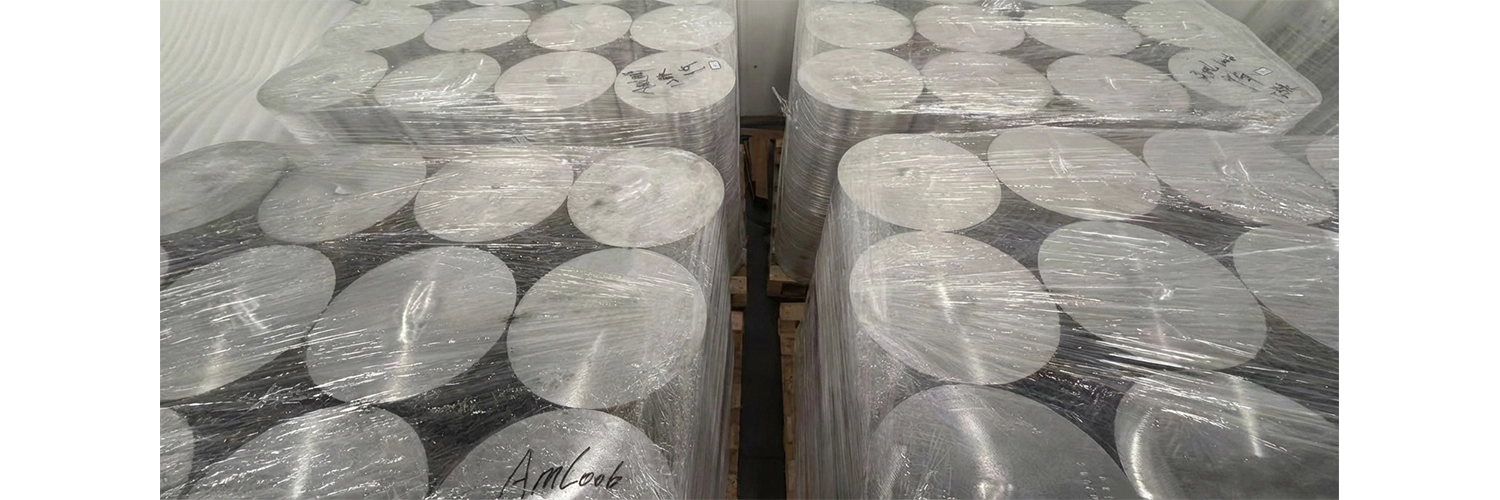
Understanding Eco-friendly Magnesium Alloy Ingots
Eco-friendly magnesium Alloy Ingot materials are made from designed bases that combine magnesium with carefully chosen alloying elements to improve their strength, resistance to corrosion, and rate of dissolution. These metals are different from regular steel or aluminum parts because they use advanced metallurgical processing methods to ensure reliable performance in subsurface settings with high pressure and temperature. The substance is the main raw material used to make dissolvable bridge plugs, packers, and stage separation tools that are used in hydraulic fracturing processes with more than one stage.
Composition and Material Engineering
These special ingots have makeup profiles that can be changed to balance mechanical performance with controllable breakdown rate. Manufacturers can adjust the chemistry of a metal based on certain working windows, such as the temperature range, fluid salinity, pH levels, and the desired time frame for degradation. Because these materials are engineerable, completion engineers can choose the best ones for the conditions of the basin, whether it's an unconventional shale play, deepwater offshore, or a geothermal well. Magnesium-based materials can be made into complicated shapes and with very tight tolerances, which is necessary for downhole tools to work reliably.
Environmental and Operational Benefits
The word "eco-friendly" refers to both how the material behaves when it's no longer useful and how long it can be made. If the fluids in the ground completely break down, there is no need for recovery operations, coil tube interventions, or milling runs, which take time on the rig and create more waste. Because it doesn't need to be recovered, this feature directly leads to lower carbon emissions from digging, lower water use, and lower surface transportation. When compared to composite or ceramic options, magnesium alloys are just as strong but much easier to use. This makes them perfect for users who care about both efficiency and the environment.
Top Applications of Eco-friendly Magnesium Alloy Ingot in Energy Operations
During the well finishing and production process, Eco-friendly magnesium Alloy Ingot materials are used for a variety of important tasks. They are used in many operating situations where traditional materials slow things down or need expensive fixes after the job is done.
Dissolvable Frac Plugs for Multistage Completions
Completion service providers use an Eco-friendly magnesium Alloy Ingot as the main structure part of dissolvable frac plugs, which make multistage fracturing in horizontal wells more efficient. These tools separate zones temporarily during stimulation stages. They break down totally after the set amount of time, which can be anywhere from hours to weeks based on the alloy and the conditions downhole. The controlled dissolution gets rid of the need for plug drillouts, which cuts down on finishing times by several days per well and keeps expensive stuck tool events from happening. Dissolvable plug technology has helped operators in the Permian Basin, Eagle Ford, and Marcellus/Utica regions save a lot of money and make their wells more profitable.
Bridge Plugs and Packers for Well Intervention
Bridge plugs made of magnesium are used by companies that do well intervention and workovers during recompletion operations, production zone isolation, and abandoning processes. The material has a high strength-to-weight ratio, which means it can reliably seal under differential pressures of more than 10,000 psi. Its predictable dissolution behavior also lets workers plan the next steps in the process without worrying about recovery. Offshore owners especially like the time savings on the rig because each wireline or coil tube run that doesn't have to be done saves a lot of money every day. The technology works especially well in wells with multiple sides and complicated completions, where regular mechanical plugs make it hard to get in and fix problems.
Stage Isolation Tools and Completion Components
OEM and ODM makers of downhole tools use Eco-friendly magnesium Alloy Ingot in slip systems, setting mechanisms, and compression elements, as well as other specialty finishing parts. For these uses, the material needs to have exact qualities, like having enough yield strength to work reliably mechanically and controlled dissolution processes that work with the operator's production schedule. Because the performance traits can be changed, tool types can be made to work in a wide range of well conditions, from low-temperature conventional sources to high-temperature geothermal or HPHT (high-pressure, high-temperature) offshore settings. As tool reliability has a direct effect on well productivity and working safety, being able to track down materials and make sure that batches are consistent become very important.
Emerging Applications in Sustainable Energy Projects
CCUS (carbon capture, utilization, and storage) projects, geothermal companies, and new energy efforts are looking into dissolvable materials based on magnesium for specific uses underground. For geothermal wells that work at temperatures above 300°F, the materials used need to be able to keep their shape while being lowered into the ground and breakdown easily in brines that are high in minerals. Temporary separation methods that get rid of long-term wellbore obstructions are helpful for CCUS injection wells. The environmental nature of the material fits well with the sustainability requirements that are driving these new industries. This makes Eco-friendly magnesium Alloy Ingot a technology that can be used to build the energy infrastructure of the future.
Oil and Gas Operator Adoption Drivers
E&P companies working in conventional, offshore, and unconventional fields put dissolvable magnesium products at the top of their list of priorities to fix a number of operating problems. Less time spent on non-productive tasks during completions directly boosts the return on capital and speeds up the start of production. Getting rid of mechanical recovery operations lowers the risk of harm to people working in the field and lowers the need for tools on the surface. The technology works with long horizontal wells where mechanical plug drillout gets harder as the length of the well increases. Procurement teams like how the material helps with company environmental reports because it reduces waste and emissions, which is in line with what investors want and with the rules that govern the industry.
Advantages of Eco-friendly Magnesium Alloy Ingot Over Traditional Materials
In the finishing and intervention process, Eco-friendly magnesium Alloy Ingot based dissolvable materials are better at both performance and cost compared to steel, aluminum, composite plastics, and ceramic options.
Operational Efficiency and Cost Reduction
The most obvious benefit is getting rid of the need for drillout operations after fractures. Operators don't have to pay for rig time for two to five days per well, which can save them $100,000 to $500,000. This is because the operators don't have to pay for rig time. Less coil tubing or wireline is needed, which lowers the costs of hiring a service provider and moving tools. The no-retrieval feature gets rid of the risks that come with tools getting stuck or lost in the hole, as well as the fishing that goes along with them, which can greatly increase the cost of drilling a well. These gains in efficiency are even bigger when more than one well on a pad shares equipment and supplies.
Material Performance and Reliability
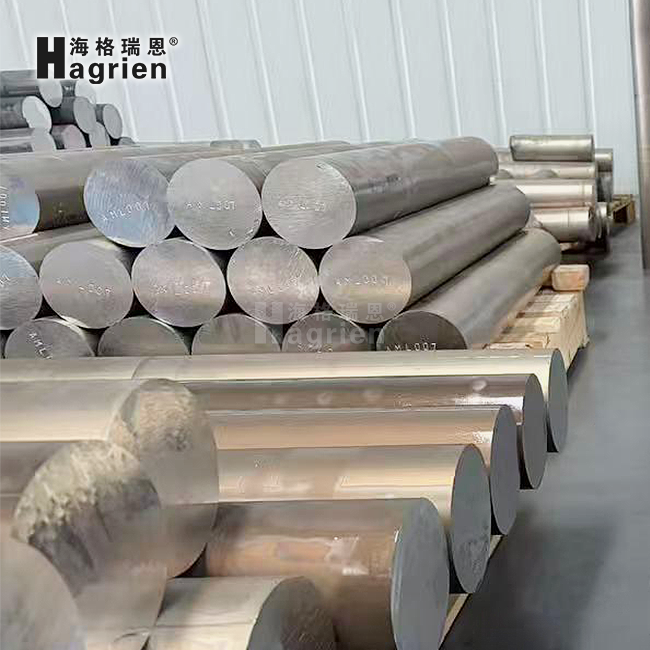
Eco-friendly magnesium Alloy Ingot have better strength-to-weight ratios than polymer composites, which lets engineers make tools that are smaller while still holding the same amount of pressure. Because the material is flexible, it can handle shock loads better during release than ceramic options that are more likely to break. Controlled grain structure and metallurgical consistency—especially in extruded billets with a width of up to 300 mm—make sure that the mechanical traits and dissolution behavior are the same from one production batch to the next. This reliability is very important for finishing engineers who use recorded material performance to plan complicated multistage operations.
Supply Chain and Procurement Advantages
When you buy from makers who can both build alloys and extrude them, the supply chain is less complicated than when you buy materials from multiple suppliers. Suppliers who give batch tracking, certificates of conformance (COC), and material test records (MTR) make it easier to qualify suppliers and make sure that quality is maintained within the company. Project planning and inventory management are easier when there is a steady supply of goods and known wait times, which are usually between 2 and 4 weeks for standard specs and 4 to 8 weeks for custom formulations. Having safety stock for popular sizes lets you do quick sampling and emergency restocking, which lowers the risks to the project schedule.
Environmental and ESG Alignment
Complete material breakdown gets rid of long-lasting wellbore waste and any problems that might cause production flow to slow down. The equipment helps operators keep their promises to cut down on waste and pollution linked to completions. Corporate sustainable reporting is possible with procurement documents that include carbon footprint data and life cycle evaluations. The material's addition to the circular economy principles—by reducing the use of resources and getting rid of waste—is in line with what institutional investors want and with financial disclosure models that deal with climate change. As energy companies deal with changing regulations and stakeholder demands, these things affect their purchasing choices more and more.
How to Procure Eco-friendly Magnesium Alloy Ingot for Downhole Applications
To get Eco-friendly magnesium Alloy Ingot materials, you need to carefully evaluate suppliers, make clear specifications, and have strong quality control systems in place. Because dissolvable downhole uses are so specific, they need stricter rules for buying than standard materials.
Supplier Technical Capabilities Assessment
Buying groups should give more weight to companies that can show they can do metal research, large-diameter extrusion, and application engineering all in-house. The fact that extruded billets with a controlled grain can be made up to 300 mm in diameter shows that the process is well managed and that the production scale is high. Suppliers with high-temperature, high-pressure labs that are approved by the CNAS can offer traceable proof testing that mimics the conditions of real downhole dissolution. Along with well-established HSE systems, ISO 9001, 14001, and 45001 standards show that a business is mature and follows good quality management practices. Since 2019, manufacturers who have been making things continuously for about seven years have shown that they have the technical skills and market approval to keep going.
Material Specification and Customization
For procurement to work well, there must be clear working windows that include the goal dissolution timeline, the predicted downhole temperature, the fluid's salinity and chemistry, and the mechanical qualities that the tool needs to work. Suppliers of engineerable alloy formulas can change the makeup to find the best balance between strength, ease of machining, and speed of dissolving. When figuring out the sizes of things, you have to think about how they will be machined later, how smooth the surface should be, and how straight the big billets have to be. Standard stock sizes and custom extrusion shapes are both available, which gives you options for optimizing tool design and keeping costs low.
Quality Documentation and Traceability Requirements
As part of the procurement requirements, full paperwork packages should be required. These should include chemical makeup analyses for each batch, results from mechanical property tests, reports on dimensional inspections, and records of heat treatments. If there are problems with performance in the field, suppliers who offer full traceability from the source of the raw materials to the end review can help find the root cause. Safety data sheets (SDS), certificates of analysis (COA), and certificates of conformance (COC) make it easier to check goods upon arrival and keep track of inventory. Suppliers should allow witness testing, source inspection, and audit access to production sites for important uses. This method for paperwork is very helpful when checking out new suppliers or making sure that material substitutions are acceptable.
Logistics and Commercial Considerations
Look for sellers whose trade terms are flexible (EXW, FOB, or CIF) and fit with your strategies for reducing landed costs and improving operations. Manufacturers that keep North American coordination organizations or distribution partnerships can make foreign shipping easier and offer technical help in the language of the recipient. Standard lead times of 2 to 4 weeks for catalog items and 4 to 8 weeks for designed standards should help with planning supplies and projects. Unit economics and store holding costs must be balanced in minimum order quantities. Having choices for faster output lets you plan for what to do if something goes wrong with a critical path item or an unexpected field requirement.
Future Trends and Innovations in Magnesium-Based Dissolvable Materials
The field of dissolvable materials is always changing because of new study in alloy metallurgy, manufacturing methods, and application engineering. In the next few years, the function and availability of materials will be affected by a number of changes.
Advanced Alloy Development and Performance Expansion
Researchers studying materials are working on the next generation of products that will be able to work in more extreme conditions, such as temperatures above 350°F, ultra-high-salinity brines, and corrosive gas environments with high amounts of H2S and CO2. These improvements will make it possible to use dissolvable tools in deep ocean possibilities, supercritical geothermal systems, and harsh unconventional sources that currently need traditional retrievable tools. As we learn more about grain boundary engineering and microalloying effects, we can make materials that are stronger without changing how predictably they dissolve.
Manufacturing Scale and Cost Optimization
As usage rises, companies invest in bigger extrusion systems, automated quality checking systems, and digitalizing their processes. These changes will make things more efficient, which will lower unit costs and make materials easier to find for both new and old uses. Putting together regional manufacturing footprints closer to big operating basins can cut lead times and transportation costs even more. As output levels rise, suppliers can offer more customized inventory management options, such as vendor-managed inventory and consignment deals that lower the amount of working capital that customers need.
Integration with Digital Well Construction
When material science and digital finishing design come together, it's easier to choose the right tools and guess how well they will work. Using real-time data from downhole sensors, fluid chemistry analysis, and material breakdown rates in computational models will help find the best stage spacing, plug specifications, and flowback timing. Suppliers who offer digital records of material properties and tools for predicting how materials will dissolve will provide more value than just real products. As companies try to get the most out of their capital and completion success, this data-driven method will become the norm.
Sustainability Reporting and Carbon Accounting
Demand for detailed product carbon footprint paperwork will rise as reporting of scope 1, 2, and 3 emissions becomes more important. Companies that use green energy for production, set up closed-loop water systems, and make the best use of material return will be able to compete more effectively. When life cycle assessment methods for dissolvable materials become standard in the business, operators will be able to include numbers that show how much they help the environment in their company sustainability reports. When material sellers agree to these reporting standards, they stop being transactional vendors and become strategic partners.
Conclusion
Eco-friendly magnesium Alloy Ingot has become a mission-critical material that makes well finishing and intervention operations in the energy industry more efficient and long-lasting. The material's unique mix of controlled dissolution, high mechanical strength, and environmental benefits solves basic operating problems that have made finishing less efficient. Magnesium-based dissolvable materials make a real difference in rig time, cost efficiency, and health and safety performance. They are useful for multistage fracturing in unconventional plays, complex offshore treatments, and new geothermal and CCUS uses. As new material formulations come out and production capacity grows, these options will become standard across a wider range of subsurface conditions and working settings.
FAQ
1. What makes an eco-friendly magnesium alloy ingot suitable for high-pressure downhole environments?
A well designed alloy composition mixes controlled dissolution with mechanical strength, ensuring stability. Above 10,000 psi differential pressures, tool components with yield strengths above 20,000 psi are sufficient. It is easy to produce into complicated structural and closing elements because to its low density and fine grain structure. Manufacturers manage iron, nickel, and copper impurities to avoid corrosion and ensure brine chemistry reliability.
2. How is dissolution rate controlled and verified?
Metal type, grain structure, temperature, and fluid chemistry affect dissolution. Manufacturers alter magnesium and other alloying elements for hours-to-week dissolving windows. For verification testing, CNAS-approved high-temperature, high-pressure facilities utilize representative brines at certain temperatures to imitate downhole circumstances. Post-partial breakdown tests quantify mass loss, surface shape change, and mechanical property stability. Technical basis for field launch and operator acceptability recommendations comes from this written testing.
3. What documentation supports supplier qualification and material traceability?
Full-quality kits include batch-specific chemical composition analysis by optical emission spectroscopy, ASTM mechanical property testing, dimensional inspection reports, and heat treatment records. All packages contain safety data sheets, material test results, and compliance certificates. Suppliers should monitor raw materials, extrusion, heat treatment, and testing. For field performance queries, lot-level monitoring is possible. ISO 9001 certification and strong HSE management systems build confidence in processes and organizations.
Partner with HAGRIEN for Reliable Eco-friendly Magnesium Alloy Ingot Supply
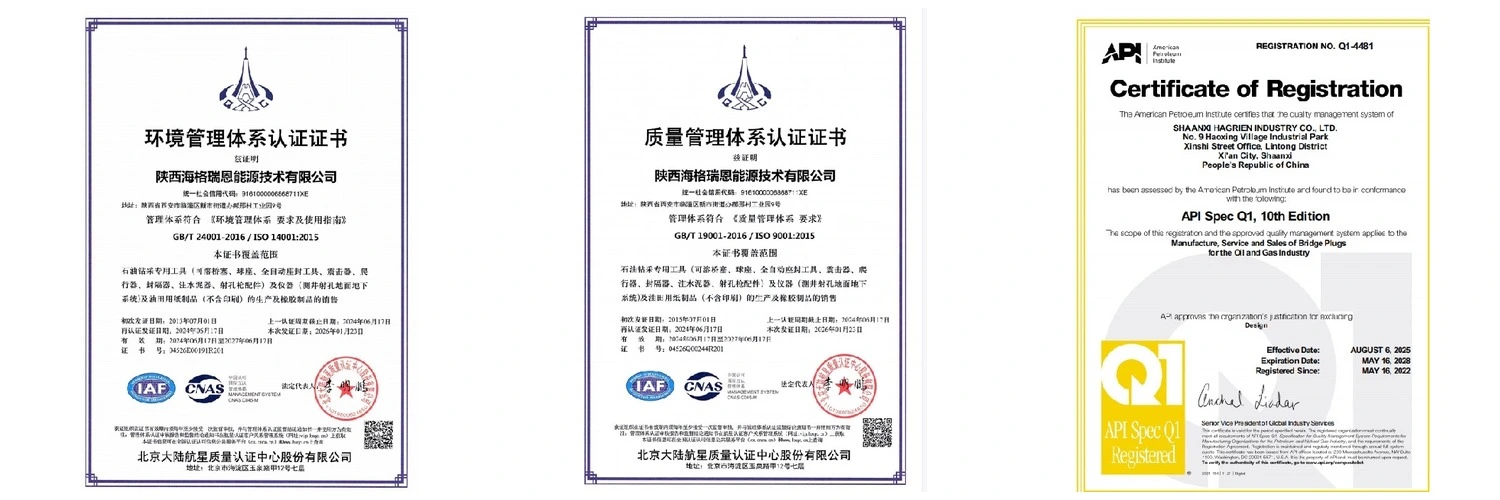
Choosing the correct materials affects project speed, cost, and worker safety. HAGRIEN uses cutting-edge technology to create Eco-Friendly Magnesium Alloy Ingot. Their talents include alloy development and accurate machine manufacturing. Our 3,600-ton and 5,600-ton extrusion presses allow us to manufacture billets up to 300 mm in diameter with controlled grain and uniform dimensions. We can back up our claims with CNAS-accredited HTHP lab facilities for traceable verification testing and seven years of continuous production of dissolvable downhole materials. Our commitment extends beyond materials to application development. Our skilled staff can assist you immediately with conventional catalog requirements supplied in two to four weeks or bespoke alloy formulas to match your particular working windows. We provide entire documentation packages including COA, COC, SDS, and batch traceability to fulfill source certification criteria. ISO 9001/14001/45001 certification, API recognition, and well-established HSE systems assure quality and audit readiness. Email our North American team at cyrus@us-hagrien.com to talk about the needs of your project. We offer substitution cross-references, thorough quote packages, and trial programs that cut down on the time needed for evaluation. As an experienced seller of Eco-friendly magnesium Alloy Ingot, we know the challenges that completion service providers, E&P operators, and tool makers face. We can help you meet your operating and business goals by providing material solutions.
References
1. Smith, J.R. and Williams, K.T. "Dissolvable Magnesium Alloys for Oilfield Applications: Metallurgy and Performance." Journal of Petroleum Technology, Vol. 74, No. 3, 2022, pp. 45-58.
2. Chen, L., Anderson, M., and Roberts, P. "Controlled Dissolution Kinetics in Magnesium-Based Downhole Tools." SPE Production & Operations, Vol. 36, No. 2, 2021, pp. 312-325.
3. Thompson, H.D. "Operational Efficiency Gains from Dissolvable Completion Technology in Unconventional Wells." World Oil Magazine, April 2023, pp. 67-72.
4. Martinez, C. and Zhang, W. "Material Selection Criteria for High-Temperature Dissolvable Wellbore Isolation Systems." International Journal of Oil, Gas and Coal Technology, Vol. 28, No. 4, 2021, pp. 401-419.
5. National Energy Technology Laboratory. "Environmental Benefits of Dissolvable Materials in Well Completion Operations." U.S. Department of Energy Technical Report, DOE/NETL-2023/3156, December 2022.
6. Wilson, R.K., et al. "Magnesium Alloy Metallurgy for Controlled Degradation in Subsurface Environments." Materials Science and Engineering: A, Vol. 845, 2022, pp. 143-157.

USER EVALUATE
Here is the customer's evaluation of us
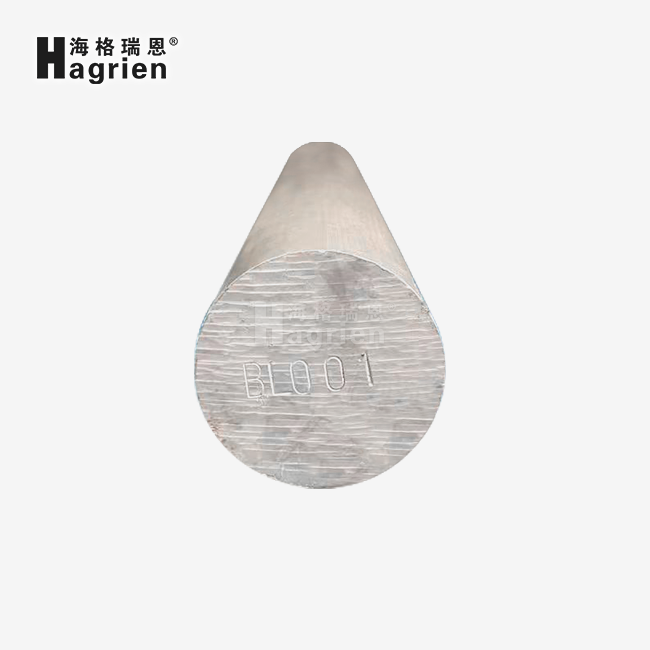 VIEW MOREHigh-Temperature Dissolvable Magnesium Alloy Round Bar
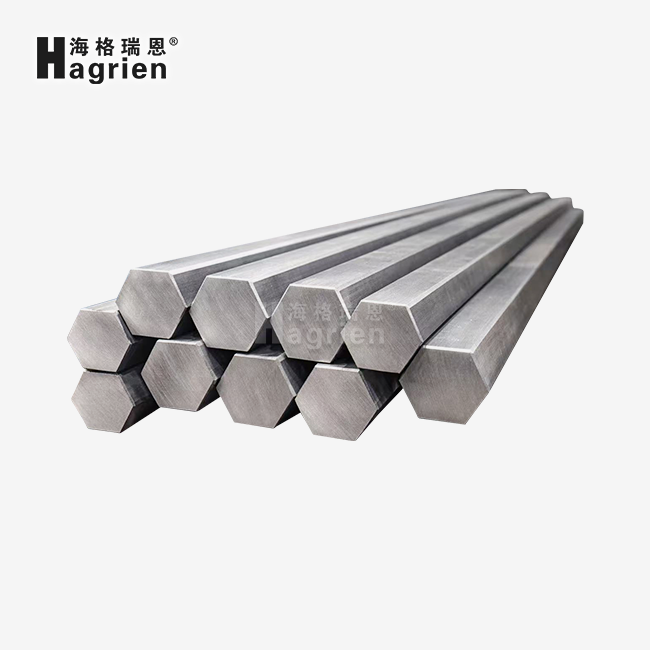 VIEW MOREMagnesium alloy hex bar
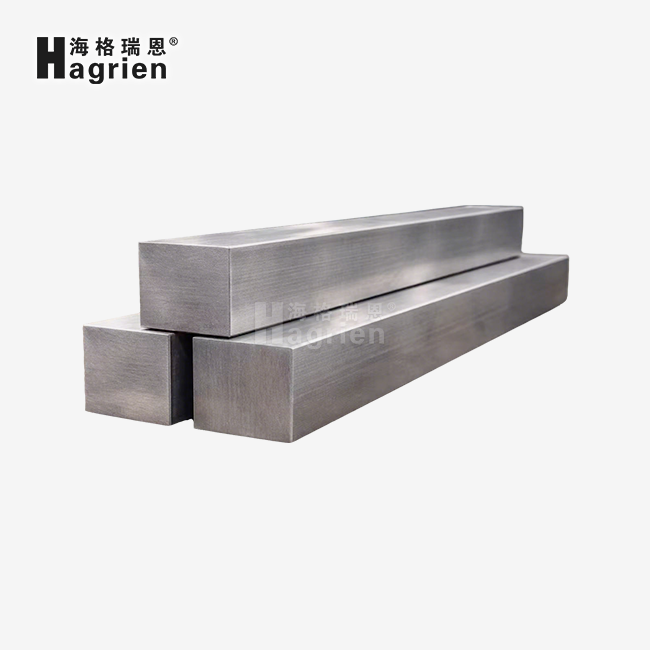 VIEW MOREAutomotive Magnesium alloy square bar
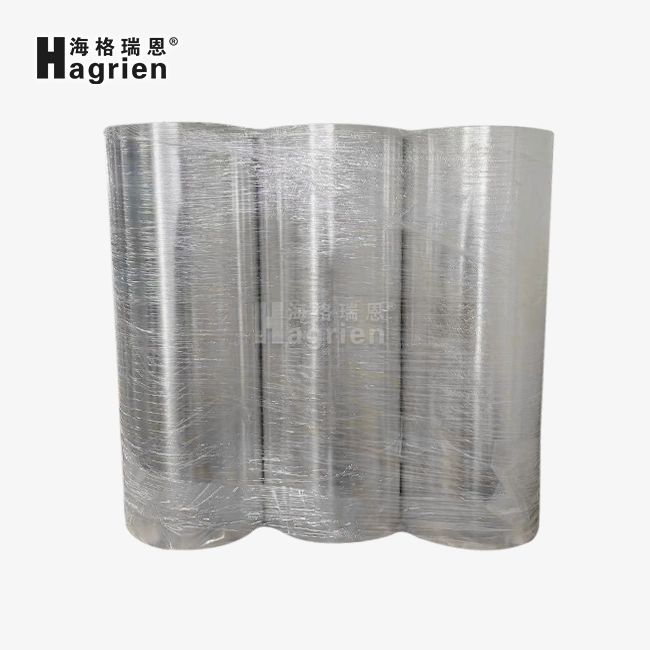 VIEW MOREDissolvable Magnesium Alloy Cast Ingot
 VIEW MOREOil Dissolvable Magnesium Alloy Cast Ingot
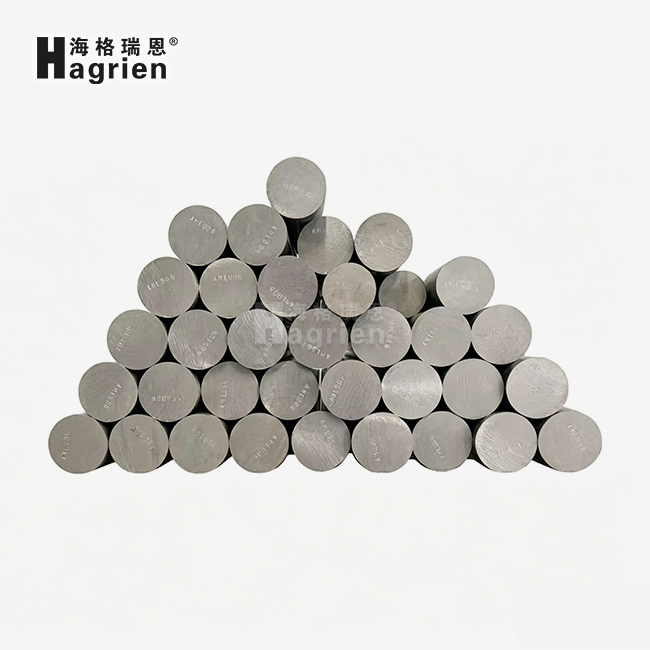 VIEW MOREEco-friendly Magnesium Alloy Round Bar
 VIEW MORENo retrieval required Magnesium Alloy Round Bar
 VIEW MOREEco-friendly Magnesium Alloy Square Bar