_1776908283214.jpg)




Benefits of Dissolvable Magnesium Alloy Ingot in Industry
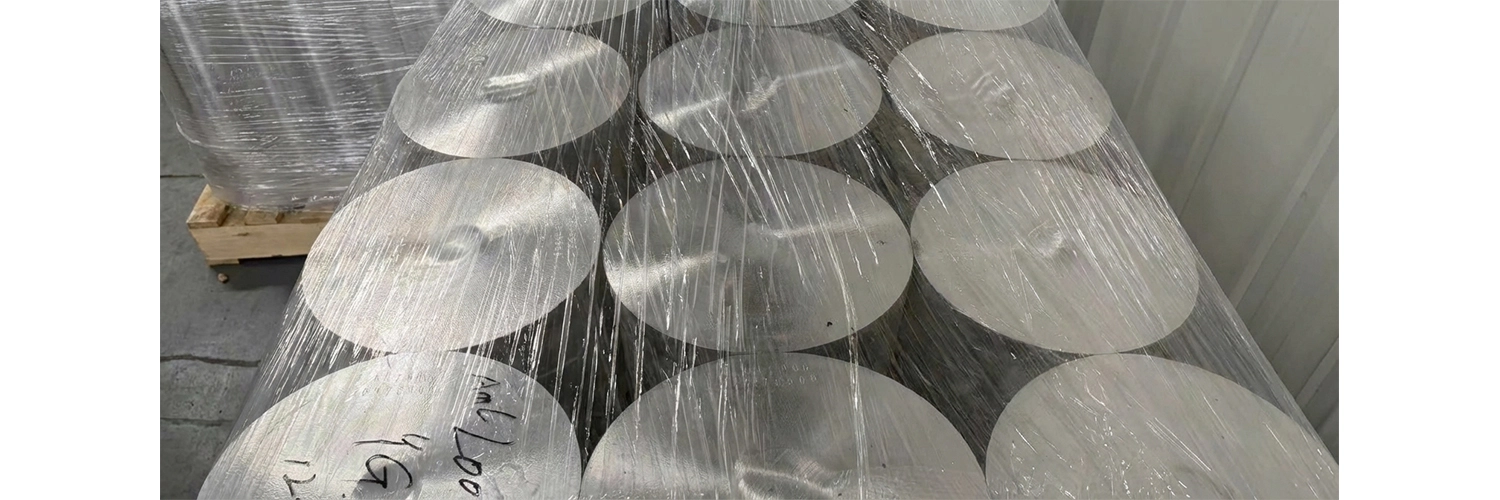
Dissolvable Magnesium Alloy Ingot has big benefits in many industries, but it's especially helpful in oil and gas because it gets rid of expensive milling processes, cuts down on involvement time, and helps protect the environment. These unique raw materials can dissolve at controlled rates, have high mechanical strength under extreme pressure and temperature conditions, and completely break down in downhole fluids. This makes them essential for unconventional completions, offshore operations, and new energy uses.
Understanding Dissolvable Magnesium Alloy Ingots
What Makes These Ingots Unique?
Dissolvable Magnesium Alloy Ingot represents a big step forward in building temporary structures that can be used in industrial settings. Instead of regular magnesium alloys that are made to prevent corrosion, these special mixes have limited amounts of aluminum, zinc, nickel, and rare earth elements like gadolinium and yttrium added to them. This makes a material that is very strong when it's working but breaks down normally when it comes in contact with certain electric fluids.
Core Composition and Dissolution Mechanism
The designed alloy system strikes a good mix between strength and controlled electrical reaction. When something is submerged in finishing fluids or produced water that has chloride ions in it, galvanic corrosion starts at set rates, which are usually between 10 and 150 mg/cm²·h based on the chemistry, temperature, and salinity of the fluid. Because this behavior can be predicted, engineers can make downhole tools that do their job consistently for a short time and then disappear without being touched, leaving clean wellbores ready for production.
Differentiating from Traditional Magnesium Materials
Standard magnesium metals focus on being resistant to rust and lasting a long time. Dissolvable versions go against this design theory on purpose. Precision microalloying and casting process control help makers make homogeneous phase distributions that help the surface dissolve evenly instead of causing pitting or structure fracture in certain areas. This difference is very important—uncontrolled decay could leave behind debris that blocks flow paths, but planned dissolution makes sure that all the material is gone.
Industrial Benefits of Dissolvable Magnesium Alloy Ingots
Operational Efficiency and Cost Reduction
Completion service providers use dissolvable bridge plugs and stage separation tools to get rid of the need for cutting, which usually takes two to four hours per plug. This means that days of rig time are saved in hydraulic fracturing operations with 30 to 50 steps. The cost effect goes beyond hourly rates; less mechanical involvement lowers the risk of casing wear, keeps workers safer by removing coiled tubing units from key path plans, and speeds up logistics.
Environmental Compliance and Sustainability
The residue of breakdown, which is mostly magnesium hydroxide, is not as bad for the environment as retrievable steel parts that need to be handled and thrown away on the surface. In North America, regulations are favoring materials that leave less of a mark on the environment and support the ideas of a revolving economy. When oil and gas companies use dissolvable technology in their completion plans, they show real progress toward meeting their sustainability goals while keeping up their working performance.
Mechanical Performance Under Extreme Conditions
These Dissolvable Magnesium Alloy Ingot bars have tensile strengths of 350–480 MPa and yield strengths of 280–400 MPa. This means that during breaking operations, tools can handle pressure differences of more than 10,000 psi. Low density (about 1.8 g/cm³) and strong mechanical qualities make it possible to make tools that are lighter and easier to handle without sacrificing structural integrity. The ability to be machined accurately makes it possible to make complicated shapes that are needed for current completion systems.
Supply Chain Advantages
Predictable wait times and the ability to track where materials came from are helpful for procurement teams working on big projects. Manufacturers that are certified to follow ISO 9001, ISO 14001, and ISO 45001 standards offer paperwork packages that make it easier to qualify suppliers. These packages include Certificates of Analysis, batch tracking records, and Safety Data Sheets. Inventory models that support both stock and custom specs make schedule problems that come with adopting new materials less likely to happen.
Applications Across Industries
Oil and Gas Completion Operations
Dissolvable frac plugs made from Dissolvable Magnesium Alloy Ingot are very important for unconventional shale growth. After hydraulic fracturing, the plugs keep the stages separate during stimulation. After 24 to 72 hours, based on the temperature and composition of the fluid in the well, the plugs dissolve in the created water. This process gets rid of the delay between finishing a project and starting production that mill-out operations cause. This speeds up first oil and makes the project more profitable. Offshore owners who have to pay a lot for rigs every day save a lot of money.
Emerging Energy and Subsurface Applications
For carbon capture and storage projects to work, they need temporary isolation tools that can handle areas high in CO₂ and other harmful chemicals until they can be taken away. Dissolvable packs that can handle brines with temperatures above 150°C are also useful for geothermal producers. For these uses, you need materials that can be engineered to work in certain working windows. For example, you could change the rate of dissolution by changing the composition to fit project timelines that range from weeks to months.
Specialized Manufacturing Scenarios
When making aerospace parts, temporary internal supports are sometimes needed during cutting operations that can't be removed mechanically after the final shape has been formed. One answer is Dissolvable Magnesium Alloy Ingot tooling, which keeps the structure stiff during processing and can then be chemically washed away without leaving any residue. Subsea infrastructure deployment also uses temporary locking devices that break down naturally in salt water, which gets rid of the need for expensive remotely driven vehicles to get involved.
Choosing the Right Dissolvable Magnesium Alloy Ingot for Your Business
Matching Material Specifications to Operating Conditions
To start the selection process, the working environment must be defined. This includes the bottomhole temperature, fluid salinity, pH levels, pressure differences, and the length of time the system must work. Higher temperatures and salt amounts speed up the dissolution process. At lower temperatures, micro-alloying changes may be needed to keep the reaction going properly. To make the right choice, engineering teams have to weigh the needs for mechanical strength against the speed at which the material should dissolve. This is a trade-off that needs suppliers to work together and tests to confirm.
Evaluating Supplier Capabilities
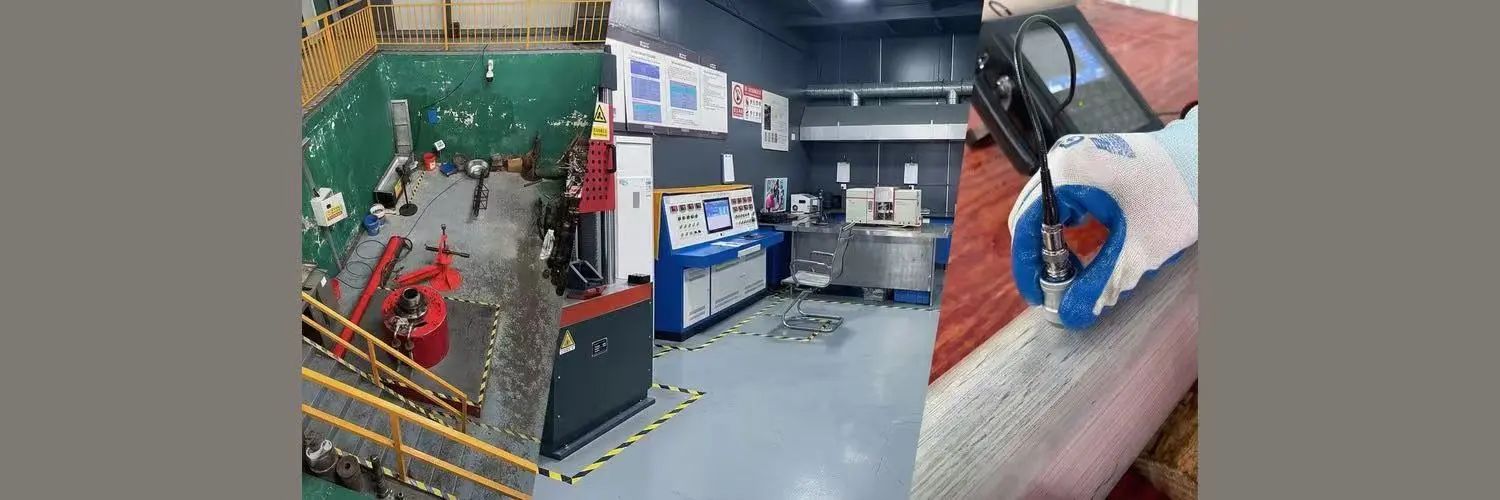
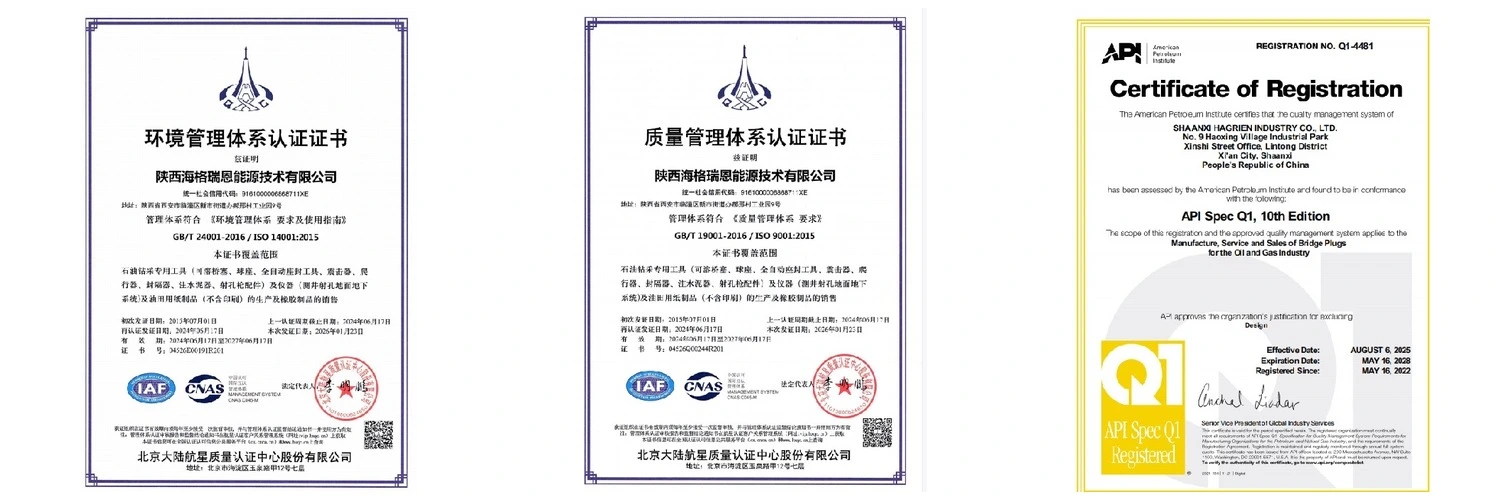
Not only should the specs of the materials be looked at, but so should the uniformity of the production process and the level of expert support. Large-diameter extrusion, especially for billets up to 300 mm in diameter, shows that the process is mature and that equipment has been invested in. If a supplier offers high-temperature, high-pressure laboratory testing that is approved by CNAS, it means that the performance can be tracked, which lowers the risk of tool approval programs. Implementing an HSE system and recognizing APIs show that you are committed to oilfield service standards.
Cost-Performance Considerations
Dissolvable Magnesium Alloy Ingot is more expensive than regular steel raw materials, but a total cost study shows that the economics are good. In most North American shale plays, getting rid of grinding processes saves between $50,000 and $150,000 per well. Well life is extended by less case wear, and net present value is increased by shorter time to production. When making business cases for adoption, people who work in procurement should compare these practical benefits to the costs of doing business.
Long-Term Supply Assurance
For projects that last more than one year, supply partners must show that they can scale up production and keep batches consistent. When manufacturers control the metal formulation, extrusion settings, and heat treatment methods, the supply chain is more stable than when wholesalers rely on outside sources. When you combine safety stock for standard sizes with project-based production for custom specs, flexible delivery models strike a good mix between being quick to respond and the cost of keeping inventory.
Manufacturing Process and Quality Assurance
Raw Material Selection and Alloying
Starting with a magnesium base metal that is very pure—usually at least 99.95% pure—aluminum, zinc, and micro-alloying elements are carefully added under a neutral atmosphere to make the metal. Precise stoichiometric control stops chemical shift that could change how the substance dissolves. Oxidation and hydrogen pickup, which hurt mechanical qualities, are kept to a minimum by vacuum melting and argon protection.
Casting and Extrusion
Direct-chill casting is used to make billets with a uniform grain structure from molten metal. After that, extrusion through dies at controlled temperatures and speeds smooths out the grain and makes it the right size. Hydraulic presses with a rating of 3,600 to 5,600 tons can handle bars with a width of up to 300 mm and keep the flow of material even. Straightening and cleaning the surface after extrusion make sure that the dimensions are within the range needed for milling.
Quality Verification and Testing
Comprehensive testing methods make sure that both the mechanical qualities and the way things dissolve are correct. Tensile testing proves the ultimate and yield strengths, and immersion testing in fluids that are similar to those found in deep underground mines measures the rate of corrosion over a range of temperatures and salt levels. A metallographic study checks that the grains are all the same size according to ASTM E112 standards and that there are no holes or other imperfections. Ultrasonic screening and other non-destructive tests can find internal discontinuities before the material breaks.
Certification and Documentation
Traceability tools connect finished bars to records of the casting process, test results, and heat numbers. A Certificate of Conformance is included with every shipment. It lists the chemical makeup, mechanical qualities, and size requirements. This paperwork helps with the qualification of customers, internal material review boards, and checks for legal compliance. Manufacturers who keep their ISO license show that they handle quality in an organized way that goes beyond individual product lots.
Conclusion
Dissolvable Magnesium Alloy Ingot solves important problems in industry by providing temporary structure and reliable, residue-free removal. The technology has real economic benefits because it cuts down on the time needed for interventions, improves safety, and makes environmental profiles better. When choosing materials, it's important to make sure that the compositional properties match the working conditions. This can be helped by supply partnerships that allow engineers to work together and quality systems that can be tracked. As finishing technologies change and environmental standards get stricter, these specialized metals become a strategic material choice that gives operators a competitive edge in developing unconventional resources and new energy uses.
Frequently Asked Questions
1. How does fluid salinity affect dissolution rates?
The amount of chloride ions has a direct effect on the rate of galvanic corrosion in the metal matrix. Higher-salinity finishing fluids speed up the process of dissolution, while produced water with a smaller salt content slows it down. Some makers try their products at different salinity levels, from 1% to 25% NaCl equivalent, to figure out the performance gaps. Custom alloy formulations can make up for very different fluid chemistries, keeping goal dissolving timelines even when storage conditions change.
2. Can dissolution rates be engineered for low-temperature wells?
Of course. For wells that work below 40°C, the makeup needs to be changed to keep the electrochemical reaction at a good level. Engineers can get steady decline even in cooler places by changing the amounts of nickel, iron, and copper in the alloy. This ability to customize sets high-quality sellers that offer application engineering help apart from suppliers of generic materials.
3. What is the typical shelf life under proper storage?
Dissolvable Magnesium Alloy Ingot keep their properties for more than 24 months when kept in low-humidity or vacuum-sealed areas with anti-oxidation packing. Under controlled conditions, surface rust has a small effect on the performance of the core material. Keeping track of supplies and rotating suppliers in the right way keeps materials fresh for projects that need to be done quickly.
Partner with HAGRIEN for Your Dissolvable Magnesium Alloy Ingot Requirements
With its combined materials and downhole tool skills, HAGRIEN makes the best products. Our production facilities are ISO-certified and can extrude billets with a width of up to 300 mm using 3,600-ton and 5,600-ton presses. They also have CNAS-accredited lab validation and API recognition. This closed-loop method makes sure that each batch is the same, that all the paperwork can be tracked, and that the breakdown performance matches your operation windows. We can work with you from the creation of a prototype to full-scale production, whether you're a completion service provider looking for a reliable source of Dissolvable Magnesium Alloy Ingots, an OEM manufacturer making next-generation tools, or a procurement team checking out new material sources. Standard sizes ship in two to four weeks, while special sizes and specs take four to eight weeks, with options for faster delivery. As the leader in North American cooperation, our U.S. entity supports flexible trade terms and quick project contact. Email our tech team at cyrus@us-hagrien.com to talk about your unique needs. We'll help you choose the right materials, give you cheap quotes, and provide qualification paperwork to help your seller approval process. You can look at our full selection of dissolvable magnesium alloy materials and designed downhole options at hgre2025.aixdb.cn.
References
1. Smith, J.R., and Thompson, M.K. "Controlled Dissolution Mechanisms in Magnesium-Based Alloys for Oilfield Applications." Journal of Petroleum Technology, vol. 74, no. 3, 2022, pp. 45-58.
2. Anderson, P.L. "Economic Analysis of Dissolvable Completion Technologies in Unconventional Resource Development." SPE Economics & Management, vol. 14, no. 2, 2021, pp. 112-127.
3. Chen, W., and Rodriguez, A. "Microstructural Control in High-Strength Dissolvable Magnesium Alloys." Materials Science and Engineering: A, vol. 835, 2023, pp. 142-156.
4. International Organization for Standardization. "Magnesium and Magnesium Alloys—Chemical Composition and Form of Wrought Products." ISO 16220:2017, 2017.
5. Williams, D.F. "Environmental Performance of Dissolvable Downhole Materials in Hydraulic Fracturing Operations." Environmental Science & Technology, vol. 56, no. 8, 2022, pp. 5234-5248.
6. National Association of Corrosion Engineers. "Corrosion Behavior of Magnesium Alloys in Oil and Gas Production Environments." NACE Technical Report TM0169, 2020.

USER EVALUATE
Here is the customer's evaluation of us
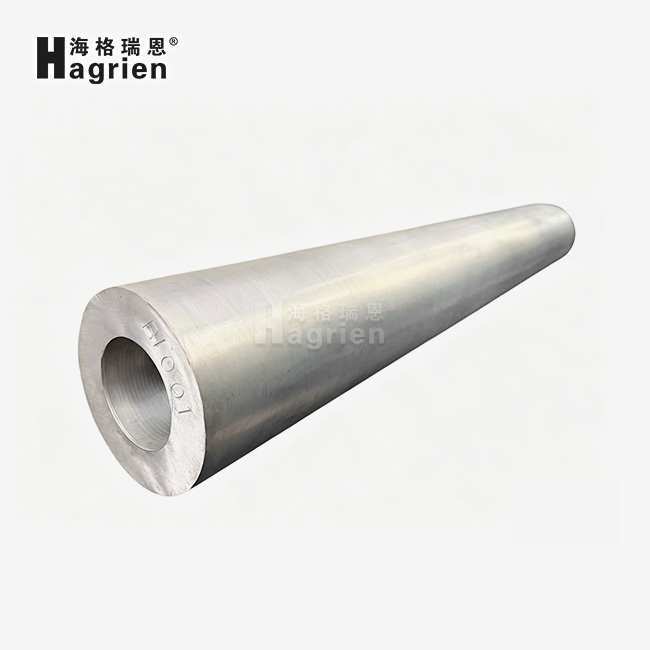 VIEW MOREHigh-Temperature Dissolvable Magnesium Alloy hollow tube
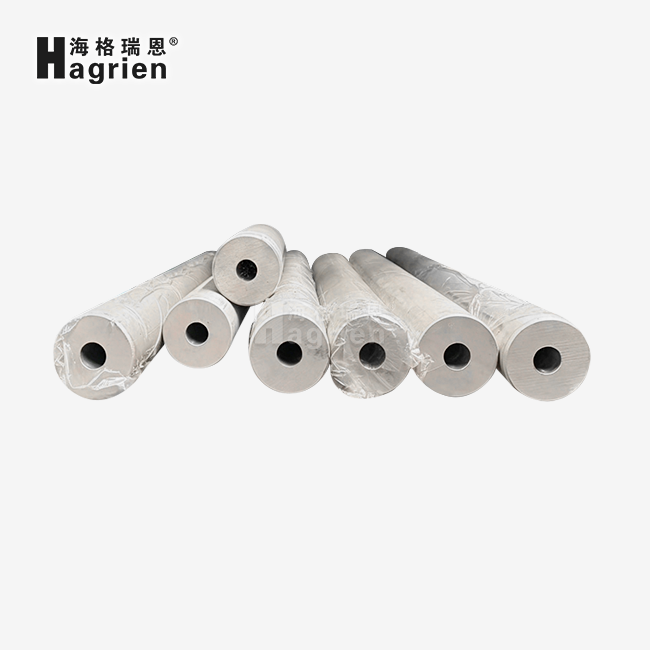 VIEW MORE3C electronic Magnesium alloy tube profile
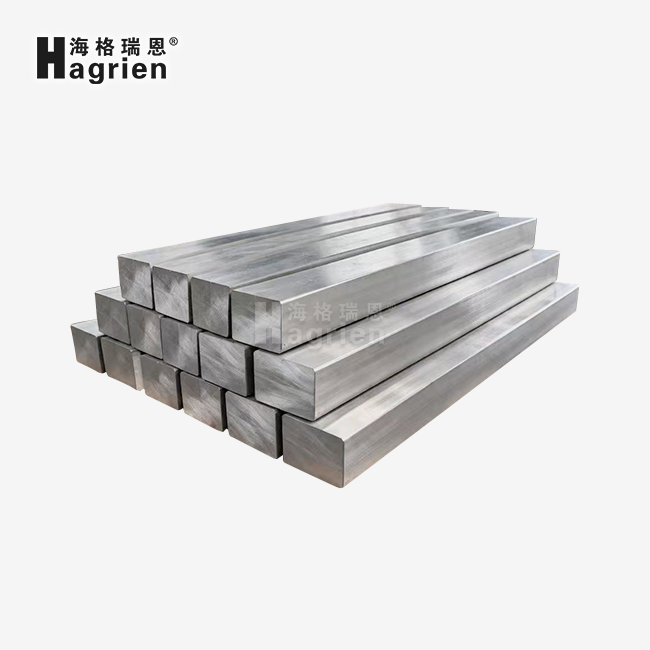 VIEW MORE3C electronic Magnesium alloy rectangular bar
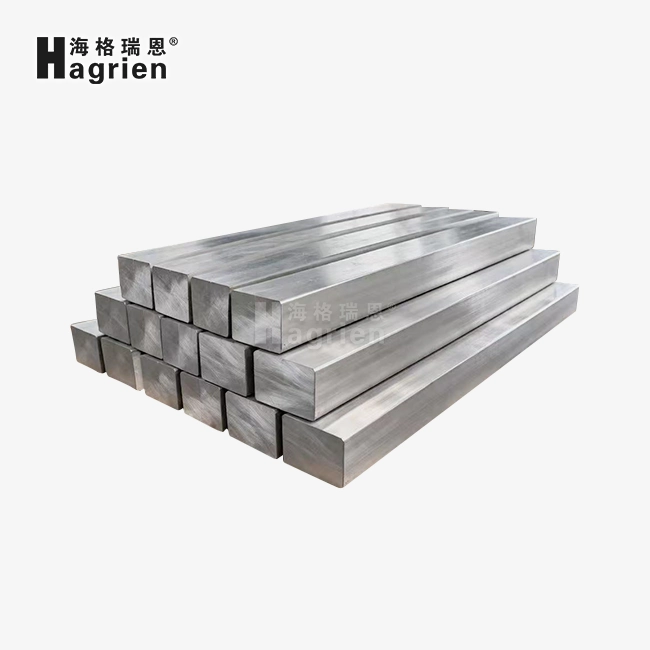 VIEW MOREControlled-Dissolution Magnesium Alloy Square Bar
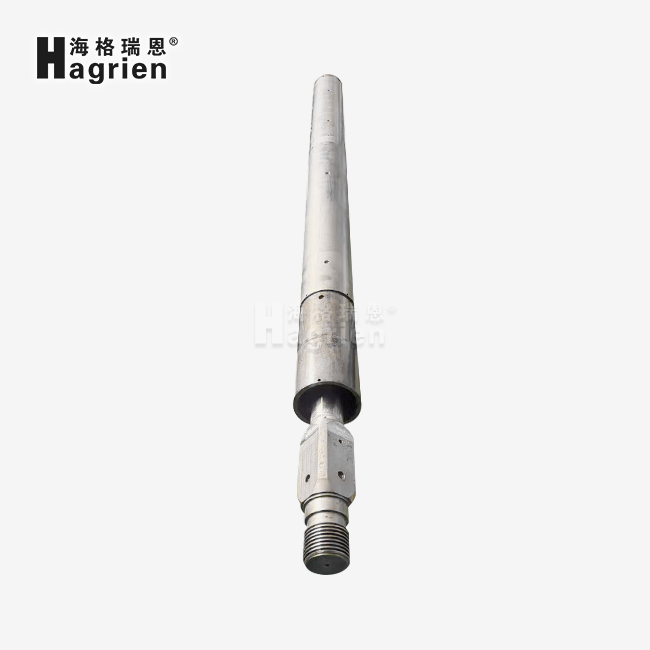 VIEW MOREMechanical setting tool
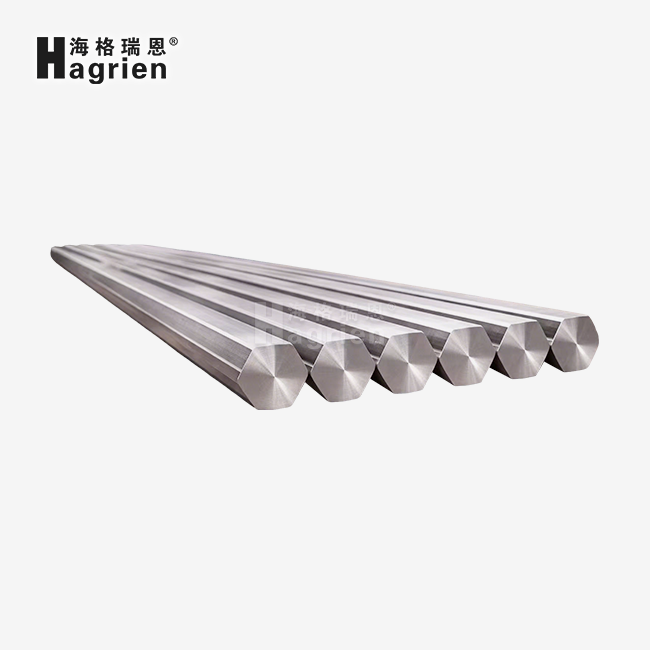 VIEW MOREDissolvable Magnesium Alloy Hexagonal Bar
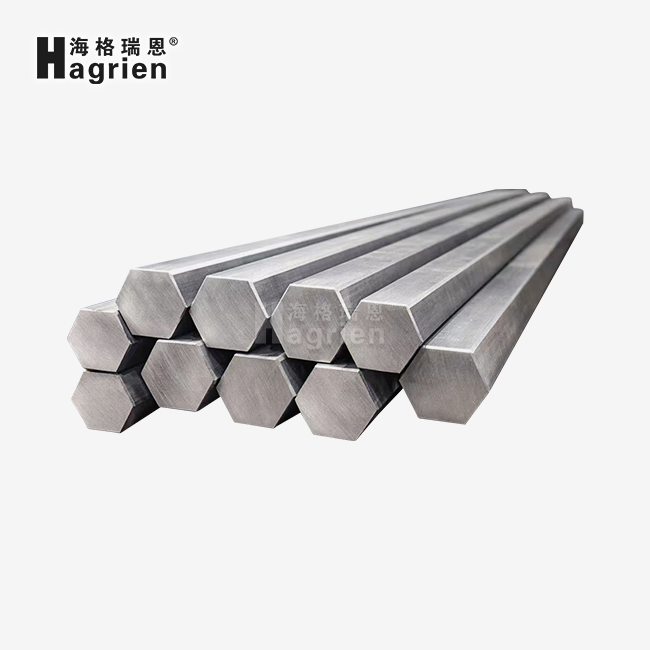 VIEW MORENo retrieval required Magnesium Alloy Hexagonal Bar
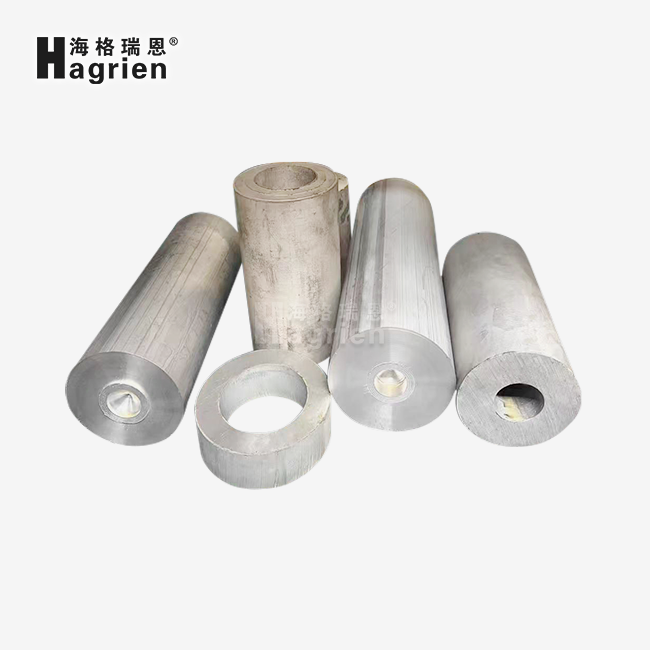 VIEW MOREAutomotive Magnesium alloy tube profile