_1776908283214.jpg)




What Is Eco-friendly Dissolvable magnesium plug Used For?
Eco-friendly Dissolvable magnesium plug serve as temporary isolation barriers in multi-stage hydraulic fracturing, extended reach drilling, and high-pressure well completions. These biodegradable downhole tools eliminate the need for costly drill-out operations by dissolving naturally in wellbore fluids after fracturing stages are complete. Their primary applications include plug-and-perf operations in shale gas fields, stage isolation in offshore wells, and temporary sealing in geothermal and CCUS projects, offering completion service providers a faster, safer alternative to conventional bridge plugs. During multi-stage hydraulic fracturing, extended reach drilling, and high-pressure well completions, Eco-friendly Dissolvable magnesium plug that dissolve in water are used as temporary separation barriers. By breaking down naturally in the wellbore fluids after the fracture stages are over, these recyclable downhole tools get rid of the need for expensive drill-out operations. They are mostly used for plug-and-perf operations in shale gas fields, stage separation in offshore wells, and temporary sealing in geothermal and CCUS projects. They are a faster and safer option to traditional bridge plugs for completion service providers. There is more and more pressure on the energy business to cut costs while also meeting tougher environmental standards. Traditional bridge plugs and mechanical separation devices are hard to work with because they need to be milled out after use, make metal trash, and take days or weeks longer to finish. In unconventional plays in the Eagle Ford, Marcellus, and Permian Basin basins, owners have found that degradable technology works well. The move toward biodegradable downhole tools is based on both economics and government rules. Companies want to cut down on intervention time and carbon emissions during well finishing operations.
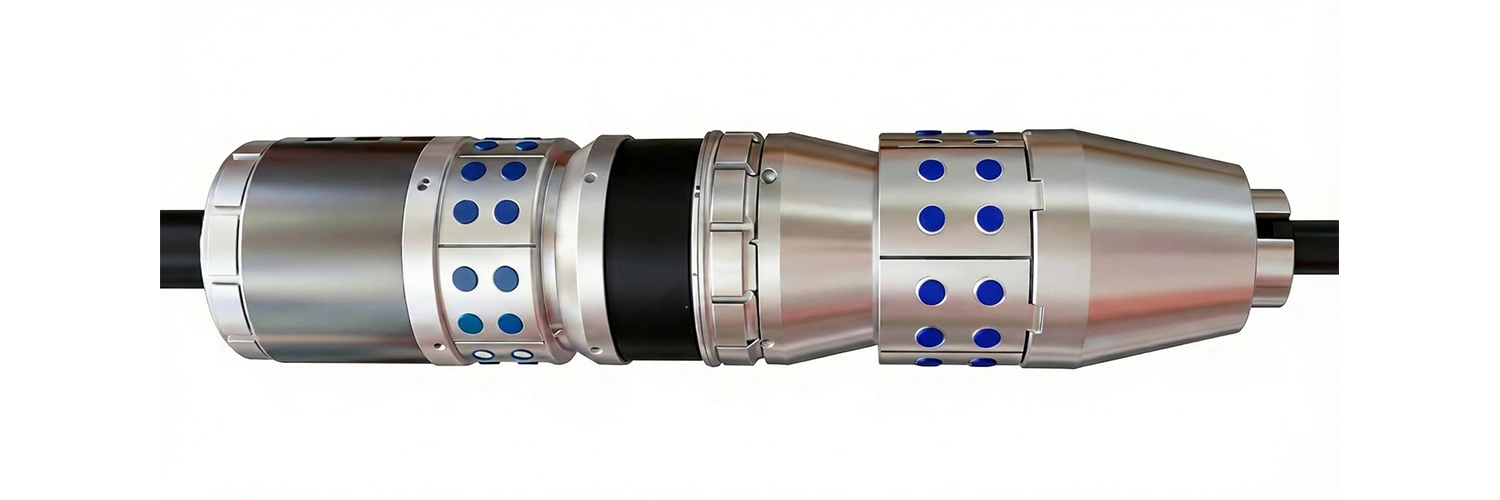
Understanding the Core Technology Behind Dissolvable Downhole Tools
Eco-friendly Dissolvable magnesium plug are carefully designed separation devices made from special alloys that have both high mechanical strength and controlled decay properties. Unlike cast iron or composite plugs, these tools are meant to disappear totally once they've done their job. This way, the wellbore can be used for production without having to manually retrieve the tools. When brine, acid, or other wellbore fluids are exposed to high temperatures and pressures, they set off electrochemical processes that power the technology.
There is no chance in the breakdown process. Engineers change the alloy's makeup, which includes things like manganese, aluminum, and zinc, to fine-tune the rate of degradation based on the conditions in the pool. In a 120°F shale rock with 3% KCl brine, a plug might break down in 48 hours. But, a plug made for lower, hotter areas might stay in place for weeks before it breaks down. This built-in adaptability lets finishing teams confidently arrange fracturing stages, knowing that each barrier will be cleared on time.
Finding the right mix is important for material efficiency. During pumping, the plug has to be able to handle difference pressures of more than 10,000 psi. Once it comes into contact with formation fluids, it has to dissolve in a way that can be predicted. Tensile strength is usually between 380 and 450 MPa, which is about the same as many steel alloys. Density stays at about 1.8 g/cm³, which is much lower than most materials. This light weight makes it less likely that the tool will get stuck in long horizontal sections. This is a very important benefit for extended reach drilling, where friction limits gravity-fed release.
Here are the core advantages driving adoption across completion workflows:
1. Adjustable composition and performance: Metallurgical freedom lets providers match dissolving windows to specific needs for time, temperature, and saltiness. Operators who work in different forms can ask for recipes that are specifically made for their finishing designs. This way, they can make sure that no plug dissolves too early or too late.
2. Low density and good machinability: Magnesium metals are light, which makes it easier to place them deeper in horizontal laterals and makes moving them easier on the rig floor. Machinability makes it possible to have very close tolerances on dimensions, which makes sure that the product works with high-tolerance case strings and lowers the chance that the installation will fail.
3. No retrieval required: Getting rid of coiled tubing or wireline involvement cuts costs and safety risks in the finishing process. Crews don't have to deal with the risks of tools getting stuck, fishing operations, and long rig times, which means that they can move faster from finishing to production.
4. Efficient, eco-friendly operation: The leftovers of dissolution are mostly magnesium hydroxide or magnesium oxide, which are non-toxic substances that are small enough to flow back to the top without damaging the formation or the environment. This green chemistry profile helps companies follow the rules that are changing to reduce waste and pollution.
These benefits lead to real changes in how things work. When completion service providers move from millable to dissolvable plugs, well completion times can be cut by up to 30%. On the other hand, E&P operators say that lower per-stage costs and less HSE risk for field staff are benefits.
Primary Applications Transforming Well Completion Strategies
Because degradable separation tools are so flexible, they have opened up new options for many drilling and finishing situations. Figuring out where these Eco-friendly Dissolvable magnesium plug provide the most benefit helps procurement teams and engineering managers make the case for acceptance and improve strategies for rollout.
Multi-Stage Shale Gas Fracturing
For unconventional resource development to work, dozens of different zones must be stimulated within a single horizontal wellbore. In the old way of doing things, you had to set a bridge plug, drill holes in the core, pump proppant, and then mill out the plug before going on to the next step. Each mill-out cycle takes hours of rig time and comes with risks, such as coiled tubing getting stuck or cleanup not being finished. With dissolveable magnesium pins, there is no need to dig out at all. The completion teams put in the plug, drilled holes in it, and fractured it. They then moved on while the barrier broke down in the created brine. This streamlined method shortens the time it takes to finish projects and lowers the amount of gas used by surface equipment, which helps both the economy and the environment. The total time saved can cut the finishing phase by a week or more in tight formation plays with horizontal lengths of more than 8,000 feet.
Extended Reach Drilling Operations
More and more, offshore platforms and onshore pads depend on extended reach drilling to get to sources without having to add more surface spots. These wellbores can go on for miles horizontally, which makes it hard to use and retrieve gravity-fed tools. Friction makes it hard for heavier cast iron plugs to reach their target depths, and mechanical retrievals in wellbores with lots of turns fail a lot of the time. Because magnesium metals aren't very dense, dissolvable plugs can be pumped or moved much further into lateral areas than other options. Once they are in place, they reliably block the area during stimulation treatments and then dissolve to allow full bore access again. This feature has been especially useful for projects in the deep Gulf of Mexico and on the North Slope of Alaska, where it is too expensive to get involved and there aren't many weather windows.
High-Pressure/High-Temperature Reservoirs
Complex deep-water settings and geothermal projects have harsh conditions that make it hard for standard finishing tools to work. Pressures can go up to or above 15,000 psi and temperatures can go over 150°C. In these situations, mechanical assistance is very risky and expensive, which makes dissolvable technology an appealing choice, even though it has to meet strict performance standards. Engineered forms of degradable plugs are made with better heat resistance and structural stability to keep the quality of the seal during the pumping phase. Once the stimulation is done and the wellbore conditions are stable, controlled dissolving starts. This clears the flow path without having to do expensive workovers under the water or at high temperatures. It's also good for CCUS projects, since they often involve injecting fluids into hard-to-reach formations where keeping the operation as simple as possible is a top concern.
The technology keeps getting better. New inventions include coatings that protect against dissolution, which delays the start of dissolution and lets pumping plans be longer, and real-time tracking systems that let people watch the degradation happen from afar. These improvements make the operating envelope bigger and more predictable, which gives workers more confidence when they're planning the steps needed to finish a job.
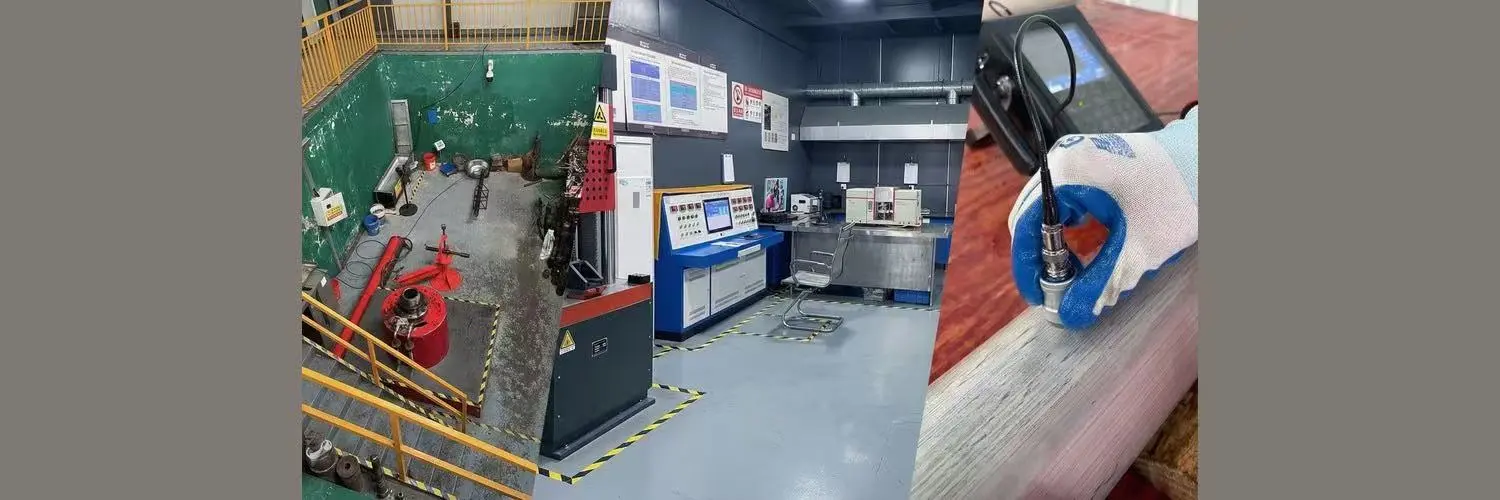
Key Considerations for Procurement and Supplier Selection
It takes more than comparing unit prices to find the right Eco-friendly Dissolvable magnesium plug and a dependable source. The long-term success of a project and the resilience of the supply chain are all affected by technical specifications, quality assurance processes, and logistical skills.
At the top of the list of things to be evaluated is dissolution rate engineering. So manufacturers can suggest the right alloy formulas, procurement teams must give manufacturers specific wellbore data, such as the temperature at the bottom of the hole, the salinity of the fluid, the expected pH range, and the time windows they want. If the plug's properties don't match the conditions of the reservoir, it could fail early or dissolve slowly, which would delay finishing and cost more.
Dimensional consistency is just as important. Existing finishing equipment needs to be able to work with the new casing sizes, pressure ratings, and interface limits. If a supplier lets you customize their products, they can change the shape of the plug to fit non-standard case programs or work with their own setting tools. This lowers the chance of compatibility problems during rollout.
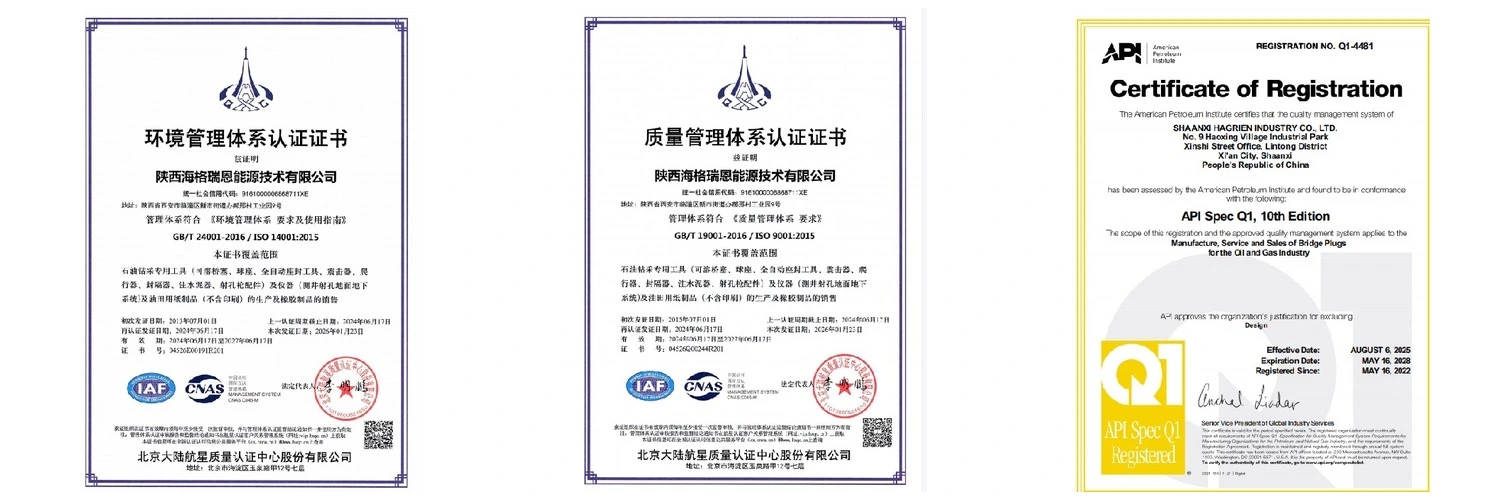
Certification and being able to track a product give customers trust in its quality. Certifications like ISO 9001, ISO 14001, and ISO 45001 show that a company takes good care of quality control and the environment. API approval means that the packers and bridge plugs are in line with industry standards. Testing labs that are approved by the CNAS provide traceable validation data. Batch traceability paperwork, such as Certificates of Analysis (COA) and Certificates of Conformance (COC), helps with internal reviews and regulatory checks.
Predictable delivery is important, especially for procurement processes that are pushed by projects. When manufacturers keep a safety stock on hand, they can quickly fill pressing sample requests or emergency restocking needs. Custom requirements usually take four to eight weeks, but this depends on how complicated the metal is and how many tests are done. When project deadlines get squished out of the blue, suppliers who offer faster production choices are very helpful.
Concerns about logistics go beyond wait times. Total settled costs and how quickly goods are cleared through customs are affected by export packing standards, paperwork for dangerous materials, and flexible trade terms (EXW, FOB, CIF). Suppliers who can coordinate in North America can make contact easier and cut down on transport delays, which is a big plus for operators who have to keep multiple rigs on tight drilling schedules.
Top-tier providers are different from commodity vendors because they offer engineering help and service after the sale. Application engineering advice helps match the properties of the material to the conditions of a specific well, and on-site and online expert support make sure that the right materials are used and that any problems that come up are dealt with. Suppliers with process training and feedback testing programs help finishing teams get better at using new technology and feel more confident about it.
Price structures need to be carefully looked at. Buyers should look at the total cost of ownership instead of just the unit price when they sign a bulk buying deal. When you look at the avoided intervention costs, reduced rig time, and lower HSE risk, it's clear that dissolvable plugs are a better deal than standard options, even though they cost more up front.
Leading Manufacturers and Market Landscape
The market for Eco-friendly Dissolvable magnesium plug has both well-known companies and new companies that are just starting out. The market is mostly concentrated in North America, Europe, and Asia. Getting buying teams to understand what suppliers can do and how they compare to others helps them build strong supply chains and get access to cutting-edge technology.
Manufacturers with a good reputation usually have a lot of licenses and show that they keep investing in research and development. High-tech business titles, HSE systems, and safety production licenses show that a company is dedicated to quality and following the rules. API licenses show that the product meets standards for the oil industry, and CNAS laboratory licensing shows that the company can do tests on its own to make sure the product works well.
Hagrien Energy Technology Co., Ltd. (HAGRIEN) is a great example of a top-tier seller that uses an integrated, manufacturing-driven method. HAGRIEN is a Chinese company with a base in the US that makes magnesium alloy bars up to 300 mm in diameter. They do all of their own melting, extrusion (3,600-ton and 5,600-ton presses), and precision cutting. From controlling the metallurgy to making the end part, this closed-loop feature makes sure that each batch is the same, that the dimensions stay the same, and that the parts can be tracked.
HAGRIEN's main strength is making systems that can be engineered to work with Windows. To get the right mix of strength, toughness, machinability, and controlled dissolution, alloy systems and heat treatment factors are changed based on temperature, salinity, and time goals set by the user. Since 2019, the company has been in constant production for about seven years, with proof that it works in a wide range of field situations.
As part of quality assurance procedures, spectroscopic analysis is used to check the makeup of the metal, hydrostatic pressure tests are done at the specified temperatures, and dissolution rate tests are done in standard salt solutions. Ultrasonic and X-ray inspection are non-destructive tests that find problems inside, and physical tolerance verification checks to make sure they work with high-tolerance shell strings. This strict method lowers the risks of processing further down the line and helps make sure that paperwork packages are ready for approval.
Being quick in the supply chain is another way to gain a competitive edge. HAGRIEN keeps standard sizes in stock as a safety measure, which lets them deliver typical specs in two to four weeks. Custom needs and technical conditions are met in four to eight weeks, and urgent jobs can be sped up if necessary. Answers to technical questions are sent within 24 hours, and official quotes with delivery dates are sent within one to three working days.
Customers can add dissolvable magnesium parts to the company's own finishing systems thanks to its OEM/ODM services, which support joint design from development to mass production. Service providers and tool makers can use HAGRIEN's material knowledge and manufacturing scale to make solutions that are specific to their markets through private labeling and regional cooperation models.
Other companies around the world also offer new products that work well with ours. These include improved finishes that stop dissolution, alloys that work best at very high temperatures, and digital monitoring systems that let us see how well our products are doing in real time. Procurement teams can review new technologies and stay ahead of the competition by staying up to date on these advances.
Performance Optimization and Emerging Innovations
Eco-friendly Dissolvable magnesium plug is increasingly being refined to improve both environmental performance and functional reliability. As industries demand cleaner materials, manufacturers are focusing on enhancing how these plugs dissolve under different operational conditions while maintaining stable performance during use.
Improved Dissolution Control in Variable Environments
One of the key innovations in Eco-friendly Dissolvable magnesium plug technology is better control over dissolution rates. Engineers are optimizing alloy composition and surface treatments so the plug performs consistently in freshwater, brine, or high-pressure environments. This ensures predictable functionality across different industrial applications.
Enhanced Manufacturing and Material Efficiency
Another important advancement lies in production efficiency. New processing techniques reduce waste and improve material purity, allowing Eco-friendly Dissolvable magnesium plug products to maintain strength during operation while still ensuring complete dissolution afterward. This balance is crucial for industries seeking both reliability and sustainability.
Integration with Smart Industrial Systems
Recent developments also explore integration with monitoring systems that track performance in real time. This helps operators better understand how Eco-friendly Dissolvable magnesium plug behaves under specific conditions, supporting more precise application and reducing operational risk.
Conclusion
With over seven years of manufacturing expertise and a fully integrated “materials + downhole tools” capability, Shaanxi Hagrien Energy Technology Co., Ltd. delivers high-performance and traceable solutions for oil & gas completion systems. Our Eco-friendly Dissolvable magnesium plug is engineered for efficient, controlled dissolution, eliminating the need for milling and reducing operational risk and environmental impact. Backed by in-house alloy design, Ø300mm extrusion capacity, CNAS-certified testing, and ISO/API-aligned quality systems, we ensure every plug delivers consistent performance under complex downhole conditions such as high temperature, salinity, and pressure. With OEM/ODM customization and rapid delivery cycles (2–8 weeks), we help operators reduce downtime, improve efficiency, and achieve import substitution goals. If you are looking for a reliable, eco-friendly completion solution, contact us today at hgre2025.aixdb.cn to discuss your project requirements and request a tailored quotation for Eco-friendly Dissolvable magnesium plug.
Reference
1. ASTM B107/B107M – Standard Specification for Magnesium-Alloy Extruded Bars, Rods, Profiles, Tubes
2. ISO 9001:2015 – Quality Management Systems Requirements
3. ISO 14001:2015 – Environmental Management Systems Requirements
4. ISO 45001:2018 – Occupational Health and Safety Management Systems Requirements
5. API Spec Q1 – Specification for Quality Management System Requirements for Manufacturing Organizations
6. SPE (Society of Petroleum Engineers) Technical Papers on Dissolvable Materials in Well Completion Applications

USER EVALUATE
Here is the customer's evaluation of us
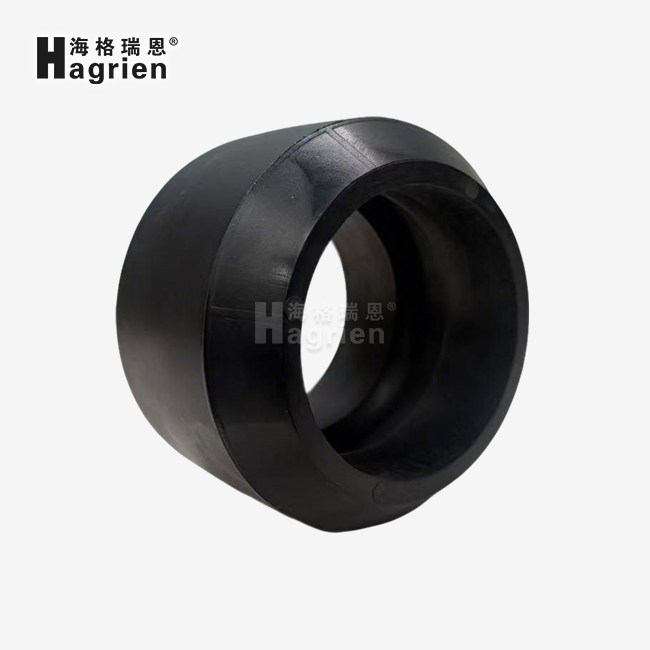 VIEW MORERubber Element
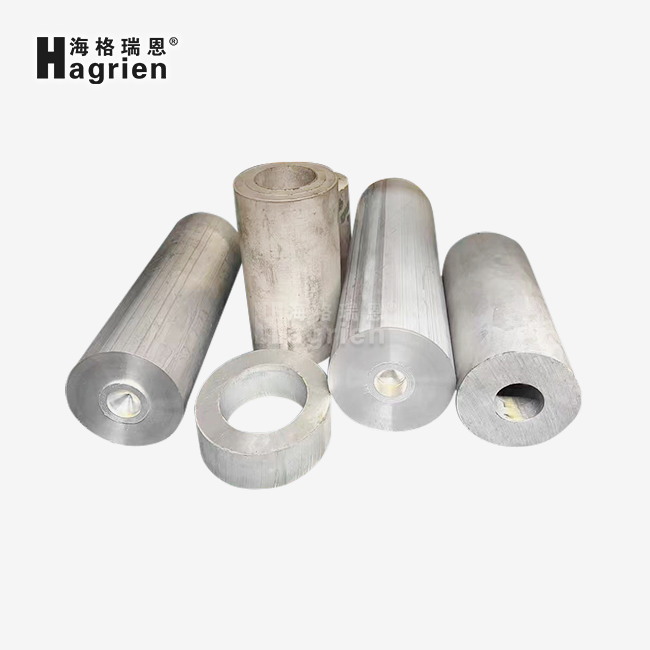 VIEW MOREControlled-Dissolution Magnesium Alloy Tube
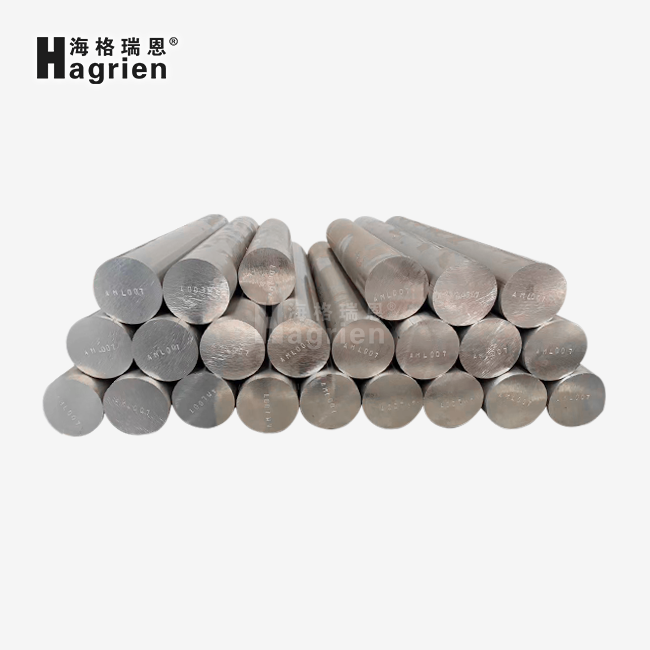 VIEW MOREControlled-Dissolution Magnesium Alloy Round Bar
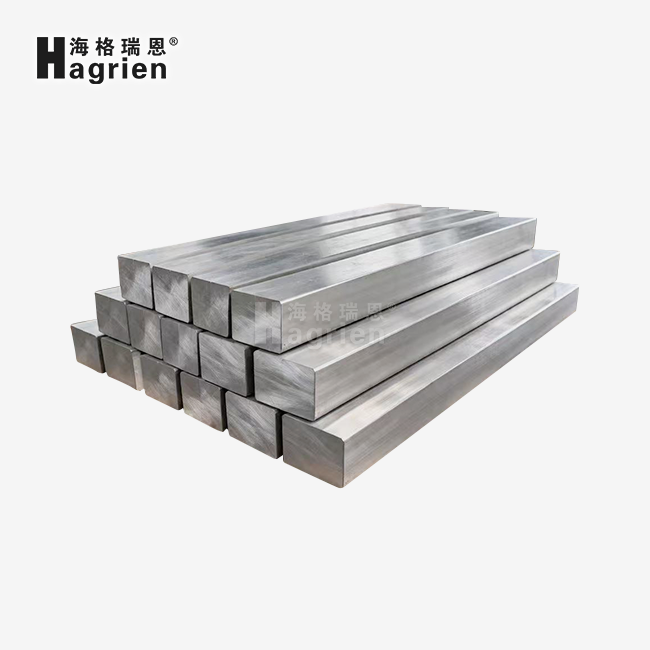 VIEW MOREAerospace Magnesium alloys rectangular bar
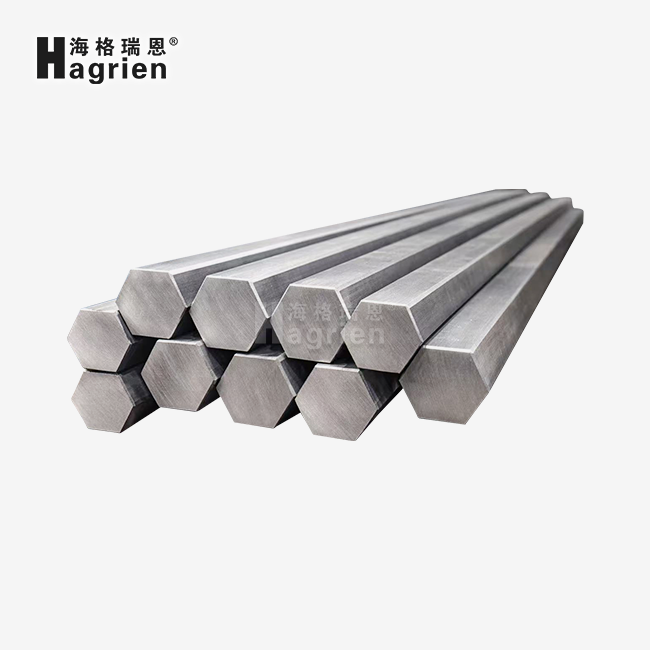 VIEW MOREMagnesium alloy hex bar
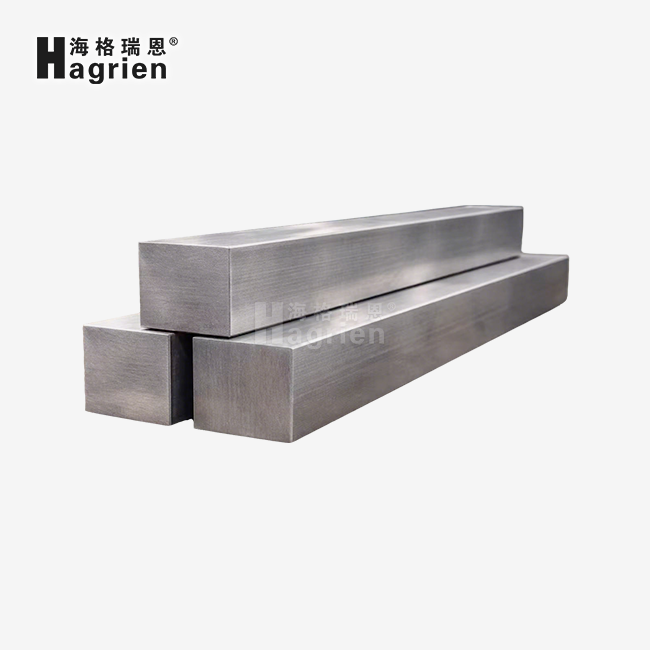 VIEW MOREAerospace Magnesium alloys square bar
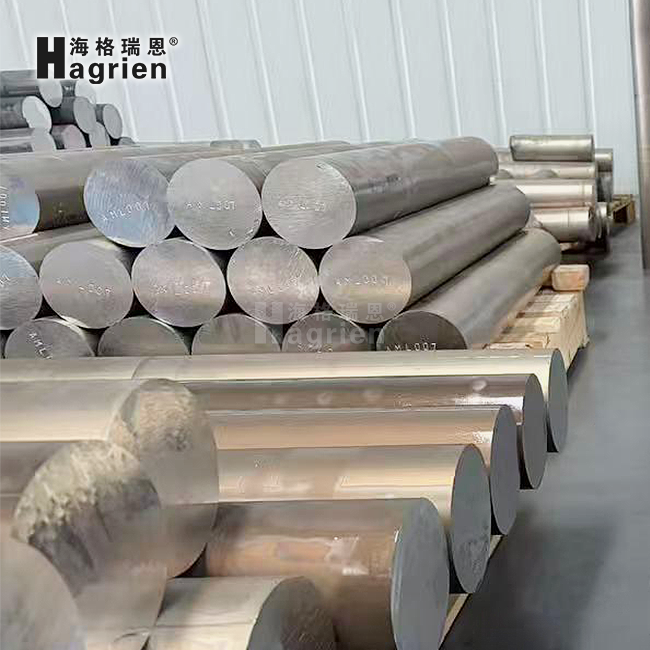 VIEW MORENo retrieval required Magnesium Alloy Round Bar
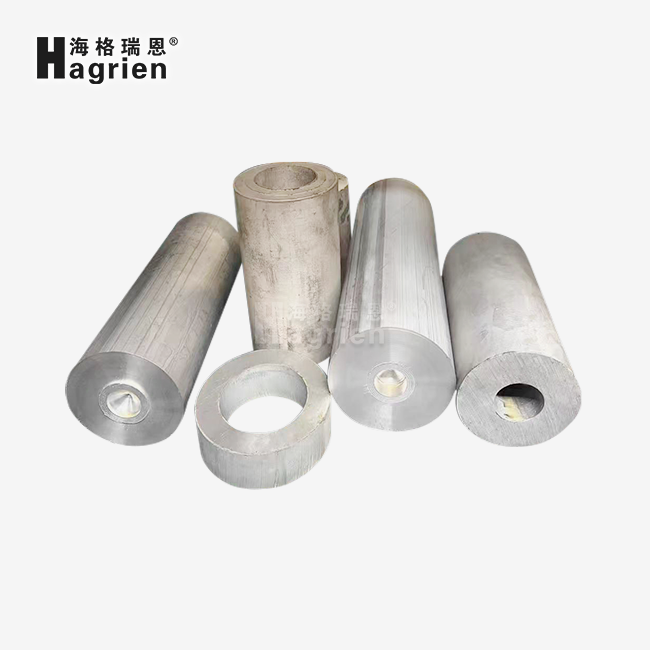 VIEW MOREAutomotive Magnesium alloy tube profile