_1776908283214.jpg)




Why Choose Dissolvable Magnesium Alloy Round Bar for Oilfield Use?
When you use a Dissolvable Magnesium Alloy Round Bar in the oilfield, you are accepting speed and new ideas in the completion process. These special bars get rid of the need for expensive milling or recovery because they dissolve naturally in the fluids that flow downhole after they've done their job. Because they are very strong, break down slowly, and are easy to machine, they allow for faster turnaround times, lower operating risks, and support long-term drilling practices in conventional, offshore, and unconventional well settings.
 Understanding Dissolvable Magnesium Alloy Round Bars
To build current dissolvable downhole tools, you must first know what makes these materials special. Dissolvable Magnesium Alloy Round Bars are engineered metal profiles that are made to be used temporarily in places where controlled deterioration is needed instead of mechanical involvement. Unlike other materials that need to be milled or fished, these bars dissolve automatically when they come into contact with electrolyte-rich completion fluids, brine, or created water.
Composition and Manufacturing Process
At the heart of every high-performance Dissolvable Magnesium Alloy Round Bar is a metal system that has been carefully adjusted. These metals are mostly magnesium with small amounts of aluminum, zinc, manganese, and rare earth elements added to make them work well. They have the right amount of strength and speed at which they dissolve. Precision extrusion is used in a controlled temperature and pressure environment during the production process to ensure a uniform microstructure and expected performance. We use big extrusion presses that can make bars up to 300 mm in diameter while keeping the bars' shape and surface quality, which is important for the next steps in the manufacturing process.
Key Mechanical Properties
Dissolvable Magnesium Alloy Round Bars have tensile strength of 240-380 MPa and yield strength of 180-300 MPa depending on T4 or T6 heat treatment. Hardness and elongation percentages ensure structural integrity during installation and controlled breakdown during degradation. These properties enable use in bridge plugs, frac balls, and packer elements exposed to high temperatures and pressures. The material maintains performance parity with conventional alloys while adding programmable dissolution.
Dissolution Behavior in Downhole Environments
The designed dissolution appearance of these bars is what makes them stand out. In a 3% KCl solution at temperatures between 25°C and 150°C, the rate of dissolution is usually between 10 mg/cm³/h and 200 mg/cm³/h. You can change the rate by changing the alloy's makeup and microstructure to fit the salinity, temperature, fluid chemistry, and goal dissolving timeline of a certain well. In contrast to localized pitting corrosion, which leads to early failure, these alloys show uniform corrosion shape, which keeps the structure strong until the set point of failure.
Benefits of Using Dissolvable Magnesium Alloy Round Bars in Oilfields
Using dissolvable materials is more than just an improvement in technology; it also changes the costs and risks of operations in both completion and intervention activities in a basic way.
Operational Efficiency and Cost Reduction
Eliminating retrieval operations saves rig time and reduces post-fracture complexity. Traditional frac plugs require milling, which consumes rig time, wears drill bits, and adds operational steps. Dissolvable Magnesium Alloy Round Bars enable operators to skip intervention phases and move directly to production. This streamlined workflow reduces non-productive time, lowers labor costs, and shortens well payback periods. Completion service providers report significantly reduced stage changeover times.
Environmental Sustainability and Regulatory Compliance
Dissolvable Magnesium Alloy Round Bars are good for the earth and meet today's goals for sustainability. Byproducts of dissolution, mostly magnesium hydroxide and other compounds, are safe for humans and the environment. They don't pose much of a threat to the stability of the formation or the environments around it. This trait makes it easier to follow the rules in places with strict environmental laws and helps owners keep their business sustainability promises. Not leaving any metal pieces in the wellbore lowers the long-term environmental risk and encourages responsible resource development.
Safety and Risk Mitigation
When it comes to safety, dissolvable materials lower a number of practical risks. It is no longer possible for tools to get stuck, which was a constant risk during mechanical recovery. Handling procedures are made easier, which lowers the risk of being hurt by high-torque operations and hydraulic pressure events that happen during normal fishing or milling. When properly designed and recorded, the ability to predict how dissolution will behave gives practical certainty that improves well integrity management and cuts down on unplanned downtime.
With all of these benefits, Dissolvable Magnesium Alloy Round Bars become strategic tools for operators who want to improve completion speed while keeping costs low and risks low. The performance qualities of the material directly lead to project results that can be measured and are important to procurement teams and practical decision-makers.
Comparing Dissolvable Magnesium Alloy Round Bars with Alternative Materials
When choosing a material for a downhole purpose, you need to carefully think about the trade-offs in performance, the costs, and how well the material fits the job. Figuring out how Dissolvable Magnesium Alloy Round Bars stack up against other options makes their value argument clearer.
Dissolvable Magnesium Versus Steel
Steel has been used for downhole tools for a long time because it is strong and easy to find. But steel's ability to prevent corrosion becomes a problem when recovery is not possible or cost-effective. Milling steel holes adds hours or days to the time it takes to finish a project. Dissolvable Magnesium Alloy Round Bars have the same or better strength-to-weight ratios as other types of bars, but they weigh a lot less. This makes them easier to handle and lowers the cost of shipping. Corrosion used to be a problem, but the managed breakdown feature turns it into a planned benefit.
Dissolvable Magnesium Versus Titanium and Aluminum Alloys
The price of titanium metals is very high because they are very strong and don't rust. Aluminum alloys have a lower density, but they don't dissolve easily enough for short-term use downhole. As a middle ground, Dissolvable Magnesium Alloy Round Bars are strong enough for short-term structural needs, cheaper than titanium, and have the special ability to dissolve on a regular schedule. Also, magnesium alloys are easier to machine than titanium, which cuts down on cycle times and tool wear during component production.
Alloy Grade Selection and Performance Optimization
There are different kinds of magnesium alloy that are best for different types of work. You can change the alloying elements and heat treatment methods to speed up or slow down dissolution, fit temperature profiles, or improve the mechanical properties for situations with high pressure. To choose the right grade, procurement teams, tool designers, and material providers must work together to make sure that it fits with the conditions of the well, the stage of fracturing, and the output schedule. This ability to customize lets you tune things precisely, which is something that off-the-shelf materials can't do.
Procurement Insights for Oilfield Buyers
To get Dissolvable Magnesium Alloy Round Bars, you need to be able to confidently and clearly navigate technical requirements, provider capabilities, and shipping procedures.
Product Specifications and Customization Options
Standard Dissolvable Magnesium Alloy Round Bars come in a wide range of sizes, from small ones that work for darts and balls to big ones that can hold up to 300 mm of bridge plug mandrels and packer bodies. Alloy types are chosen based on the temperatures used, the goal rate of dissolution, and the required mechanical strength. Customization goes beyond just size; it also includes custom heat treatments, surface finishes, and marks that can be used to track lots and ensure quality throughout the supply chain.
Minimum Order Quantities and Lead Times
When making purchases, you need to think about both the supply of inventory and the time it takes to make something. Safety stock of commonly requested sizes can be provided within two to four weeks, which can help with fast prototyping, replacements in case of emergencies, or small-batch pilot projects. Custom specs, like engineering to specific dissolution windows or non-standard measurements, usually take four to eight weeks from the time the order is confirmed until it is delivered. This includes planning the alloy's formulation, extrusion schedule, heat treatment cycles, and thorough inspection procedures. You can use expedited services if you need to finish a job faster, but only if the production capacity and raw material supply allow it.
Pricing Strategies and Cost Analysis
The price of Dissolvable Magnesium Alloy Round Bars depends on the cost of the raw materials, how hard they are to make, and how many orders there are. Buying in bulk can save you money by lowering the cost per unit and supporting long-term framework deals that keep supply lines stable. Lifecycle cost analysis shows that the extra cost of dissolvable materials is usually more than made up for by the savings in grinding costs, rig time, and stuck tool events. When routine efficiency gains are added to budget models, procurement teams that look at the total cost of ownership find strong financial reason.
Supplier Evaluation and Certification Requirements
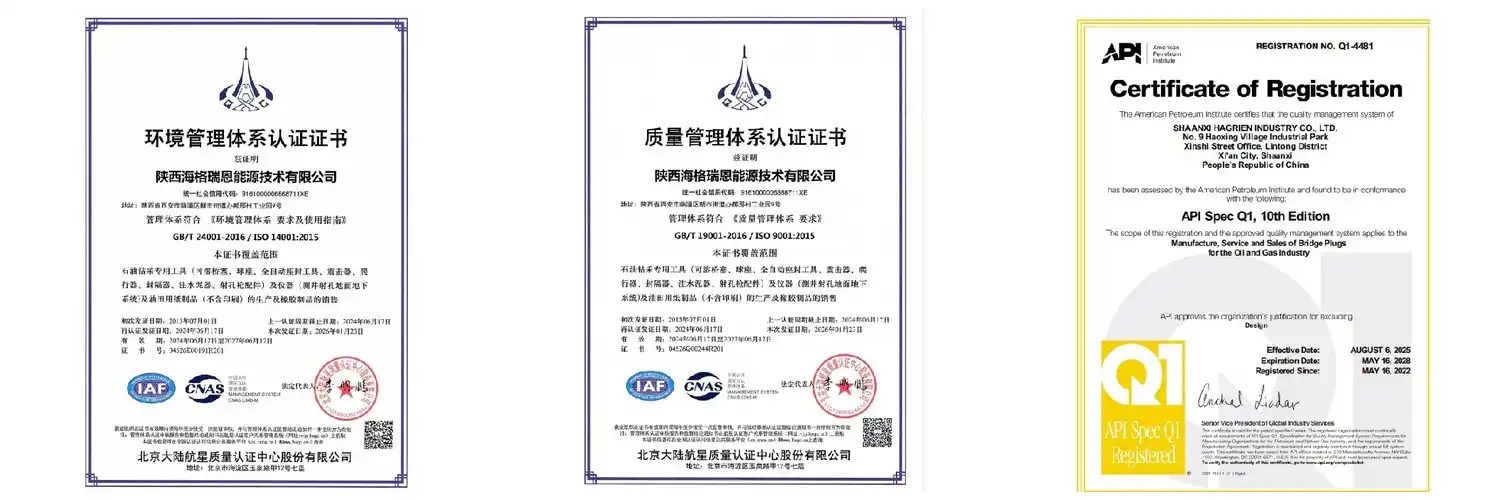
To find a reputable provider, you need to carefully look at their technical skills, quality processes, and ability to help with logistics. Certifications like ISO 9001, ISO 14001, and ISO 45001 show that a company follows standards for quality control, caring for the environment, and worker health and safety. Traceability and confirmation of material qualities are made possible by API recognition and CNAS-accredited lab capabilities. When suppliers offer both OEM and ODM services, they let customers co-design materials and tools, which encourages new ideas and customization. Certificates of Analysis (COA), Certificates of Conformance (COC), and Safety Data Sheets (SDS) are all parts of documentation packages that help with internal approval processes, getting ready for audits, and following the rules.
A strategic procurement method gives more weight to sellers who show they can control production, produce on time, provide responsive technical support, and are dedicated to always getting better. These qualities lower the risk of delivering programs and make it possible for long-term relationships that can adapt to changing operating needs.
Future Outlook and Innovations in Dissolvable Magnesium Alloys
Different types of dissolvable materials are changing quickly because businesses want better performance, more uses, and the ability to work with new technologies.
Advanced Alloy Formulations and Controlled Dissolution
Next-generation metal system research aims to make Dissolvable Magnesium Alloy Round Bars more useful in more situations. New developments in micro-alloying and grain refinement methods offer better control over the rate at which materials dissolve. This will allow materials to stay solid for a long time in mild conditions but dissolve quickly when certain fluid compositions or temperature limits are reached. These improvements will help with uses in deeper wells, pools with higher temperatures, and longer completion times, where current materials don't work as well.
Integration with Smart Drilling Technologies
The combination of materials that dissolve and downhole tools with sensors makes it possible to watch performance in real time and use flexible completion methods. Embedded sensors can keep an eye on temperature, pressure, and chemical conditions, sending lines of data that show how the breakdown is going and help with production decisions. This kind of merging makes operations more clear, lowers doubt, and lets you make changes ahead of time to improve well performance.
Industry Adoption and Case Study Validation
Dissolvable technology is becoming more popular around the world, which shows that people are becoming more confident in it. Operators in unconventional plays in North America, offshore developments in the Gulf of Mexico, and foreign projects in the Middle East and Asia-Pacific say that launches went well. Case studies show real changes in how quickly tasks are completed, how much money is saved, and how well the environment is treated. Testimonials from finishing service providers, E&P operators, and tool makers back up the material's dependability and show how important it is to modern well building methods.
Alignment with Environmental Standards and Sustainability Goals
Regulatory trends are moving more and more in favor of technologies that leave less of an impact on the environment and support responsible resource development. These goals easily fit with dissolvable materials, which provide a way to cut down on wellbore debris, stop intervention operations that aren't needed, and lower the carbon emissions that come from rig activity. As part of efforts to reduce carbon emissions, promote a cycle economy, and protect the environment, businesses see Dissolvable Magnesium Alloy Round Bars as useful tools that help reach bigger sustainability goals.
Innovations in this field are leading to a wider range of uses besides oil and gas. These include geothermal energy, carbon capture, utilization, and storage (CCUS), and other new underground projects. The material is useful in a changing energy environment because it can be used in many different ways and technology is always getting better.
Conclusion
If you need a solid and cutting-edge material for current oilfield work, look no further than Dissolvable Magnesium Alloy Round Bars. Their one-of-a-kind mix of high strength, controlled dissolution, and operating efficiency solves major problems in processes for finishing, intervention, and production optimization. These materials provide measured value throughout the project lifetime by getting rid of the need for retrieval work, cutting costs, improving safety, and helping the environment. If technical leaders and procurement teams want to improve well performance, lower supply chain risk, and make sure they're following best practices in the industry, Dissolvable Magnesium Alloy Round Bars should be a big part of their material strategy.
FAQ
1. What is the typical dissolution time for a dissolvable magnesium alloy round bar in oilfield conditions?
Dissolution time depends on the type of metal, the chemistry of the fluid, the temperature, and the saltiness of the fluid. Most of the time, 10 to 200 mg/cm²/h will dissolve in 3% KCl solution at temperatures between 25°C and 150°C. Complete breakdown can happen in hours or days, depending on the size of the component and the conditions of the well. Suppliers like HAGRIEN design metal systems to work within certain time frames. This makes sure that the systems perform as expected and meet the needs of the project.
2. How do dissolvable magnesium bars compare in strength to traditional steel downhole tools?
The tensile strength of Dissolvable Magnesium Alloy Round Bars ranges from 240 to 380 MPa, and the yield strength ranges from 180 to 300 MPa. These values are a little lower than those for high-grade steels, but they are good enough for short-term structural uses like frac plugs and bridge plugs. The advantage in strength-to-weight and the lack of recovery operations usually outweigh any small differences in strength, resulting in net practical benefits.
3. Are dissolvable magnesium alloys environmentally safe for downhole use?
Byproducts of dissolution, mostly magnesium hydroxide and similar chemicals, are safe for humans and the environment. A lot of testing in the field and review by regulators show that these materials don't pose much of a threat to the stability of the formation, groundwater, or the communities nearby. Their environmental profile helps them follow strict rules and is in line with their company's promises to sustainability.
Ready to Optimize Your Completion Operations with HAGRIEN?
HAGRIEN is ready to help you buy Dissolvable Magnesium Alloy Round Bars by providing technical knowledge, reliable manufacturing, and quick service. We are a certified maker and provider with ISO 9001/14001/45001 credentials, API recognition, and a CNAS-accredited laboratory. We can provide you with high-quality products that can be tracked and are made to your exact specs. Our ability to make bars with diameters up to 300 mm and our OEM/ODM design choices make sure that you get materials that are best for your needs. Our team gives you clear specs, reliable arrival times, and complete documentation packages whether you need quick samples, large orders, or expert advice. You can email us at cyrus@us-hagrien.com to talk about your project needs, get a quote, or learn more about how our dissolvable magnesium alloy options can help you finish your well faster and for less money.
References
1. Anderson, T.L., & Roberts, M.J. (2021). Advances in Dissolvable Magnesium Alloys for Oilfield Completion Tools. SPE Journal, 26(4), 1892-1908.
2. Chen, Y., & Zhang, H. (2020). Controlled Dissolution Kinetics of Magnesium Alloys in High-Salinity Environments. Corrosion Science, 175, 108-121.
3. International Association of Drilling Contractors. (2022). Best Practices for Dissolvable Material Deployment in Unconventional Wells. IADC Technical Report Series, Issue 12.
4. Li, W., & Thompson, R.A. (2019). Mechanical Properties and Microstructure of Extruded Dissolvable Magnesium Alloys for Downhole Applications. Materials Science and Engineering: A, 758, 45-59.
5. National Energy Technology Laboratory. (2023). Environmental Impact Assessment of Dissolvable Metals in Subsurface Energy Operations. U.S. Department of Energy Report DOE/NETL-2023/1987.
6. Smith, K.D., & Patel, S.V. (2020). Economic Analysis of Dissolvable Frac Plug Technology in Multi-Stage Hydraulic Fracturing. Journal of Petroleum Technology, 72(8), 34-42.

USER EVALUATE
Here is the customer's evaluation of us