




Why Dissolvable Seal Rings Matter in Modern Well Completions
Dissolvable seal ring matter in modern well completions because they hold pressure during a fracturing stage and then leave the wellbore open without a separate retrieval run. The seal ring is dissolvable and sealed against differential pressure while operators pump and then degrades in wellbore fluids. This technique eliminates grinding, lowers debris and speeds time between stimulation and output. This reference has been created for completion tool engineers, procurement teams and distributors, who need accurate information on materials, performance restrictions and supplier inspections. Each section focuses on a single decision point so that you may assess whether a dissolvable seal ring is right for your tool design.
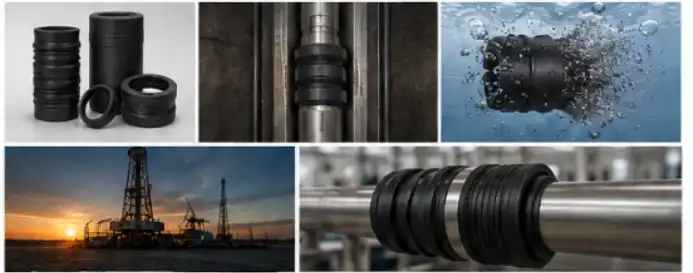
Why Dissolvable Seal Rings Are Becoming Important in Modern Well Completions
The Cost of Milling and Retrieval
After a frac job there are often plugs and seals remaining in the casing. Then personnel run coiled tubing to grind them out increasing rig time, fluid volume and hazard. Milling also produces cuttings that may get trapped in downhole equipment. Hydraulic fracturing made up about half of U.S. crude oil production in 2016, according to the U.S. Energy Information Administration, so little time savings per step mount up over several wells. Each avoided intervention reduces cost and operational exposure, thus operators and tool makers are seeking for alternatives to minimize the retrieval trip.
How Temporary Isolation Fits Multi-Stage Fracturing?
Multi-stage programs like plug-and-perf need a barrier at each step to retain pressure while fluid and proppant flow through the perforations. The barrier is of no longer use after the job. Interventionless completions are made possible using dissolvable instruments that dissolve in wellbore fluid. The seal component is a little portion of that instrument but it is the part that ensures the plug stays in place while pumping. If the seal fails early the stage suffers. If it stays, it might still impede flow. Thus a substantial part of the danger of the completion falls on a dissolvable seal ring.
Where the Value Depends on Matching?
It IS possible to lower lifetime cost but ONLY in certain situations. A seal ring intended to dissolve in a hot high salinity well may not behave the same in a cool low chloride well. First, specify the sealing window, i.e. the duration during which the ring must hold pressure. Secondly, specify the dissolving window, i.e. the period at which the passage should become open. By treating them as separate, the usual specification issue of having a ring that starts to decay before the stimulation job is complete is avoided. The problem should be answered by test results under actual circumstances of temperature, pressure and fluid before field use.
What Is a Dissolvable Seal Ring and How Does It Work?
Definition and Sealing Mechanism
A dissolvable seal ring is a temporary sealing element designed to retain pressure before dissolving or degrading under certain circumstances. The seal is generated via radial compression, axial loading or an interference fit on the mating surface. Performance is a function of cross-section, groove size, surface polish, contact pressure and tool tolerances. Too loose a fit may leak; too much ring may extrude or fracture in setting. When replacing a non-dissolvable ring, engineers should confirm that the new ring is interchangeable with the existing groove so the tool body does not have to be rebuilt.
Lifecycle from Seal to Disappearance
The life cycle phases are: initial sealing, downhole exposure, surface reaction or corrosion, strength decline, and removal from the sealing interface. Hagrien Dissolvable seal rings are elastomer sealing devices that enable zonal isolation during fracturing operations and dissolve in the wellbore fluids. Engineered rubber materials reliably encapsulate differential pressure during pumping, then predictably vanish to eliminate retrieval after the frac process. Predictable means that the timing has been measured under the same pressure, temperature and fluid conditions as the target well, not estimated from a catalog value.
Why Validation Conditions Matter
Seal engineers are often concerned with premature disintegration. Dissolution starts when the ring is contacted by fluid. Hence the exposure history is important considering storage, run-in time and fluid type. The route should be opened only when the ring has resisted deterioration for the whole pumping window. ISO 14310 specifies the validation standards for packers and bridge plugs and is used by tool manufacturers to organize the certification of the whole assembly. Such work should be supported by seal level data: pressure holding, temperature exposure and dissolution curves all collected under given parameters. Without these data a stated timing of dissolution is of little use.
Dissolvable Seal Ring Materials and Performance
Elastomer, Magnesium, and Aluminum Options
There are three groups of materials in dissolvable sealing and tool design. Elastomer compounds of NBR, HNBR, FKM and EPDM provide the required compliance for a tight seal. ISO 23936-2 deals with elastomers in interaction with oil and gas production medium. Magnesium alloys are suitable for dissolvable tool bodies since they corrode easily in chloride fluids, as reported by Song and Atrens in 1999. Aluminum-based alloys have a varied mix of strength, corrosion response and timing. Material name does not guaranty performance, thus consider compound or alloy, coating and shape combined. HAGRIEN melts, extrudes and manufactures dissolvable magnesium alloy bars in-house up to Ø300 mm. So, material and machining problems go to one team.
Temperature, Pressure, and Dissolution Time
Dissolution is usually faster at higher temperature and may weaken the substance. Salinity and fluid chemistry further affect the pace. Pressure capacity varies on cross section, compression ratio, groove design and tolerances. The HAGRIEN wellbore sealing rubber elements are made in NBR, HNBR, FKM and EPDM compounds and may work in the temperature range of -50°C to +260°C with pressure ratings up to 15,000 psi. These numbers refer to the grade of the sealing element, not to a guaranteed period of disintegration. Dissolution time is a function of the substance and the well fluid and has to be verified with application specific tests.
Comparing Dissolvable Seal Ring Supplier Data
Dissolution times from different suppliers cannot be compared unless test conditions match. Request these items before approving a part:
- Pressure and temperature records: Request to hold pressure, hold time, test temperature, test fluid and groove dimensions employed. A result done at ambient temperature or another groove tells you nothing about the ring in your assembly. Was the sample a part of the manufacturing or a separate test coupon?
- Dissolution curves: Request weight loss or strength loss against time with specified brine composition, salinity, and temperature. One data point at one time is not evidence of the ring holding during early pumping, which is the most important for sealing. ASTM G31. Standard Guide for Laboratory Immersion Corrosion Testing of Metals.
- Dimensional & Lot Records: Request inspection reports, material certifications and batch numbers for the lot provided. Traceability allows your team to tie a field result to a particular lot. It also removes the conflict between material source and machining source when problems occur. Request a certificate of compliance with every shipment.
These records turn a supplier claim into evidence your engineers can audit.
 Dissolvable Seal Rings Compared With Conventional and Retrievable Seals
Dissolvable, Conventional, and Retrievable Seals Compared
Conventional seal rings are simple and proven, but they stay in the hole until someone mills or retrieves the host tool. Retrievable seals allow controlled removal, though each trip costs time. dissolvable seal ring remove that step by degrading in wellbore fluid. Compare the options on installation, pressure isolation, removal needs, intervention time, debris, wellbore access, predictability, and total operating cost. Dissolvable options usually win on intervention time and debris, while conventional options win on predictability when fluid chemistry is uncertain. Ask each supplier to define dissolvable versus degradable and to state expected residue, since the terms are not always used consistently.
Frac Plugs, Bridge Plugs, and Packers
HAGRIEN dissolvable seal rings are used in frac plugs, bridge plugs, packers, and dissolvable completion tools for horizontal shale wells and interventionless multi-stage completion programs. During fracturing, the ring maintains a seal under differential pressure as stage fluid is pumped. After the fracturing stage is complete, the ring gradually dissolves or degrades in wellbore fluids, helping clear the sealing interface and reopen the bore without a separate milling or retrieval operation. A ring cannot be evaluated independently of the complete tool assembly. Performance depends on casing size, plug materials, setting loads, dissolution timing, and residue behavior. Any deployment in production wells should be preceded by application-specific validation.
When Conventional Seals Remain the Better Choice
Dissolvable technology isn’t right for every profession. Seals for permanent barriers must last the lifetime of the well. Retrievable seals are preferred when controlled retrieval is required, for example when pulling a tool out for inspection. Wells with unclear or fluctuating fluid chemistry are similarly at danger, since dissolution relies on interaction with the fluid. We propose a simple test. If the tool is to be sealed for an indefinite duration, use a conventional seal. If the barrier is specified and machining it would be costly or disruptive, the dissolvable seal ring is worth serious consideration.
How to Choose and Buy a Dissolvable Seal Ring
Selection Starts With the Groove and Completion Scenario
Completion scenario includes: tool configuration, casing or tubing size, pressure, temperature, sealing time, goal dissolving window. Then verify material grade, cross-section, compression, interference, fluid compatibility, coating and production tolerances. The first question for OEM engineers replacing a non-dissolvable ring is compatibility with grooves. If the new dissolvable seal ring fits into the dimension of the current groove, then there is no need to modify the tool body, just need to qualify the ring. Send your drawing in early. Our engineers check it against the application so dimensions mismatch is caught before prototyping, not after bench testing.
Customization, Samples, and Order Quantities
The usual OEM process: design and application evaluation, prototype, bench validation, small-scale trial, bulk manufacturing. HAGRIEN provides OEM/ODM work with drawing control. Standard profiles are available within 2-4 weeks, unique solutions within 4-8 weeks. Requirements and technical lists are confirmed within 24 hours. Formal quote and delivery plan are provided within 1–3 business days. Separate confirmation is needed for complex projects. Common profiles available in sample and trial orders via discussion with distributors. The unit price is only one part of the cost of a dissolvable seal ring order, other factors like as tooling, testing, inspection, packing and shipping all have an impact on the final price.
Documentation, Traceability, and Installation Care
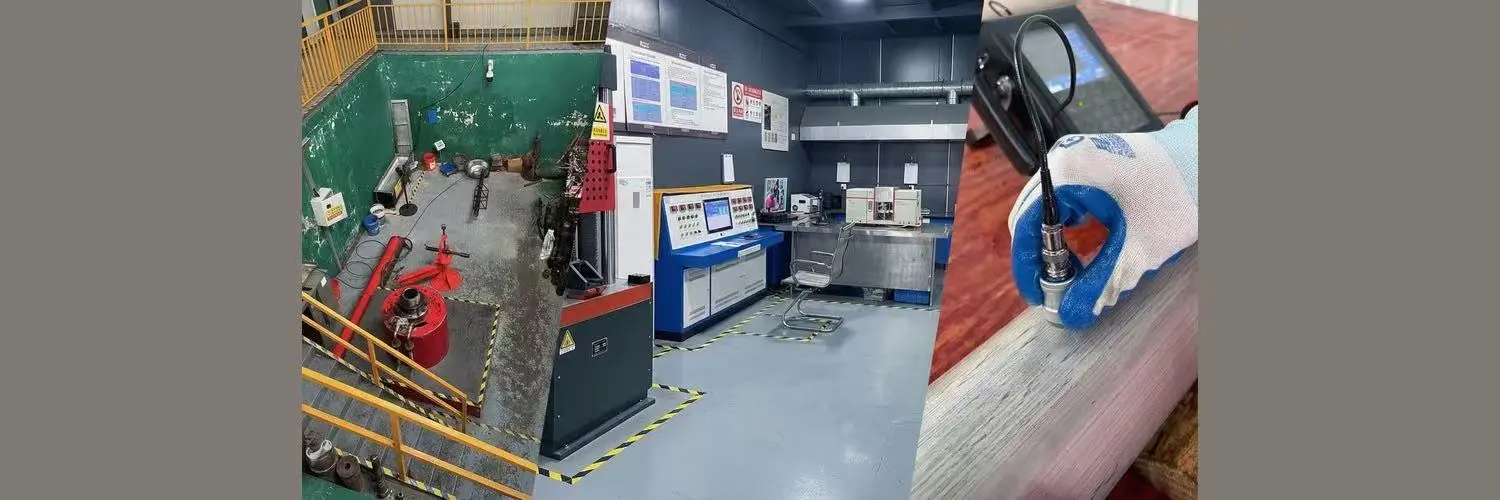
Request datasheets , material certifications , COA / COC / SDS , inspection records , batch traceability . HAGRIEN is certified ISO 9001, ISO 14001 and ISO 45001, has API recognition and quality control in an HTHP laboratory recognized by CNAS. EXW, FOB, CIF terms of trade. Coordination for North America via our USA organization. On receiving, check measurements surface condition and material identity. inspect for fractures, deformation or contamination. Do not twist, pull or touch sharp edges and use no prohibited lubrication during assembly. Keep the rings in their original, unopened box, and note the lot number, date of installation and test results for each assembly.
 Conclusion
Dissolvable seal ring give completion teams a way to hold pressure during a fracturing stage and then clear the bore without milling or retrieval. The material demonstrates that value is a function of matching compound or alloy, shape, temperature, pressure and fluid chemistry to the application and verifying both the sealing window and the dissolving window. Approval is based on pressure records, dissolution curves, dimensional reports and lot traceability. Supplier statements relating to time of dissolution are meaningful only when the circumstances of the test are given. Dissolvable designs are appropriate for temporary barriers in horizontal shale and multi-stage operations, whereas conventional or retrievable seals are preferable for permanent or controlled-retrieval activities.
FAQ
1. What is a dissolvable seal ring?
It is a temporary sealing component that holds differential pressure during a job, then dissolves or degrades in wellbore fluids. HAGRIEN versions use engineered elastomer compounds.
2. How long does dissolution take?
Timing is dependent upon chemical or alloy, temperature, fluid chemistry and exposure period. There is no one number that works for all wells. Ask for dissolution curves obtained under circumstances similar to yours.
3. Can it handle high pressure and temperature?
HAGRIEN wellbore sealing rubber elements are rated from -50°C to +260°C and up to 15,000 psi. Confirm that rating, along with dissolution timing, against your own well conditions through testing.
4. Can HAGRIEN customize rings for OEM tools?
Yes. We work from your drawings with NBR, HNBR, FKM, or EPDM compounds. Customized solutions carry lead times of 4–8 weeks.
Request a Dissolvable Seal Ring Quote from HAGRIEN
Looking for a dissolvable seal ring manufacturer that handles material, machining, and documentation in one place? Send HAGRIEN your drawings, groove details, pressure, temperature, fluid composition, sealing duration, and target quantity at cyrus@us-hagrien.com. We welcome sample requests, OEM development, small-batch trials, and bulk orders, and we confirm technical feasibility before stating performance expectations. Visit us-hagrien.com for more details.
 References
1. ISO 14310: Petroleum and Natural Gas Industries – Downhole Equipment – Packers and Bridge Plugs, 2008
2. ISO 23936-2: Petroleum, Petrochemical and Natural Gas Industries – Non-Metallic Materials in Contact with Media Related to Oil and Gas Production – Part 2: Elastomers, 2011
3. ASTM D471: Standard Test Method for Rubber Property—Effect of Liquids, 2016
4. ASTM G31: Standard Guide for Laboratory Immersion Corrosion Testing of Metals, 2021
5. Advanced Engineering Materials: Corrosion Mechanisms of Magnesium Alloys, 1999
6. U.S. Energy Information Administration, Today in Energy: Hydraulic Fracturing Accounts for About Half of Current U.S. Crude Oil Production, 2016

USER EVALUATE
Here is the customer's evaluation of us