_1776908283214.jpg)




Why Oil & Gas Uses Dissolvable Magnesium Alloy Hollow Tube
The oil and gas industry relies on dissolvable magnesium alloy hollow tube because these engineered components eliminate costly intervention operations, withstand extreme downhole pressures, and degrade predictably in wellbore fluids—solving the decades-old challenge of retrieving temporary barriers without milling or fishing. This controllable dissolution capability reduces operational costs, shortens well completion timelines, and minimizes environmental impact, making these tubes essential for multi-stage hydraulic fracturing and advanced completion strategies.
 Understanding Dissolvable Magnesium Alloy Hollow Tubes in Oil & Gas Applications
What Makes These Tubes Dissolve on Command?
Micro-galvanic coupling inside the magnesium matrix is what controls the dissolution. Localized corrosion cells start working when they come into contact with electrolytic wellbore fluids that contain chloride ions. The rate of the reaction is mainly affected by three things: the temperature of the fluid (which is usually between 60°C and 150°C in the bottom of the hole), the amount of chloride in the fluid (which can be freshwater for fracturing or high-salinity produced water), and the make-up of the alloy. Engineers at HAGRIEN adjust the amounts of aluminum and zinc to get breakdown rates between 0.5 and 200 mg/cm³/h. They do this by matching the time it takes for materials to break down to specific working windows.
Magnesium hydroxide (Mg(OH)₂), a non-toxic compound that exists as a fine slurry that can be pumped through production tubing, is the main byproduct of the chemical reaction. This gets rid of the problems with wellbore blockage that came with older degradable materials. Because breakdown needs an aqueous solution to start, mechanical qualities stay the same during storage (24 months or more in vacuum-sealed packaging).
Material Properties That Matter for Procurement
When buying things, teams should focus on these technical specs: a tensile strength of 280 to 480 MPa makes sure the tube can handle 10,000 PSI differential pressure during the breaking stages. A density of 1.74–1.90 g/cm³ gives it a better strength-to-weight ratio than steel options. Checking for uniform wall thickness along the length of the tube using ultrasonic testing will tell you if your machining operations run into unexpected scrap rates or problems with the tube's dimensions.
The material qualities match what the datasheet says they are, as shown by ISO 9001 certification and lab paperwork that has been approved by CNAS. During supplier checks or when looking into performance problems in the field, it is important to be able to link batch tracking from alloy chemistry to extrusion parameters and final inspection records. These quality systems separate sellers who focus on making things from dealing middlemen who can't figure out what went wrong when problems happen.
Why Oil & Gas Industry Prefers Dissolvable Magnesium Alloy Hollow Tubes Over Traditional Materials
Eliminating Retrieval Operations Cuts Completion Costs
Horizontal shale well milling costs between $15,000 and $40,000 per plug, based on the length and complexity of the plug. When miners use 20 to 40 fracturing steps per well, the costs of recovery go up very quickly. Dissolvable mandrel methods get rid of all of these costs and cut the time it takes to finish each well by 2–5 days. When procurement managers give these tools to their customers, their customers can get big economic benefits in unconventional plays that require a lot of capital.
The perks of safety go beyond money. When using coiled tubing milling, there is a chance that the pipe will get stuck, workers could be exposed during rig-up activities, and aggressive milling settings could damage the wellbore. These risks are taken out of the process order by dissolvable systems. These lower risks are being taken into account more and more by HSE managers when choosing suppliers. Manufacturers who provide detailed safety documentation along with material certifications are rewarded.
Performance Advantages Backed by Field Data
Testing by a third-party lab shows that dissolvable magnesium alloy hollow tube that is properly engineered keeps its structural integrity during the critical operational window. For the first 48 hours, a tube made to dissolve in 3% KCl brine at 120°C keeps more than 90% of its original tensile strength. After that, it breaks down quickly as production fluids flow through it. This predictable performance curve lets completion engineers find the best stage timing so that tools don't break too soon.
Here are the measured benefits that are pushing people in big shale basins to adopt:
- Controllable Degradation Kinetics: The alloy's makeup changes the rate of dissolution over a 400º range (0.5–200 mg/cm²/h), so it can handle a wide range of fluids, from low-salinity slickwater to high-TDS produced brine. Target dissolution windows can be set in procurement specs, and before full-scale orders are placed, makers like HAGRIEN provide HTHP lab validation data proving performance under simulated circumstances.
- Mechanical Reliability Under Pressure: High-performance alloys can reach tensile strengths of 480 MPa, which are the same as or higher than aluminum alloys. However, they still have the flexibility needed for shock loading during plug setting. Testing the structure to 10,000 PSI makes sure it can handle even the highest breaking pressures in very deep or high-stress rocks.
- Weld-Free Microstructure: Longitudinal weld gaps that cause corrosion start in rolled-and-welded options are not present in extruded tubes. A consistent grain structure across the tube wall makes sure that it dissolves in a predictable way, without preferential attack at microstructural irregularities that cause welding designs to fail too soon.
These technical advantages lead to better procurement: fewer warranty claims, fewer failures in the field that need engineering investigations, and a better situation when customers are looking at tool providers.
 Applications of Dissolvable Magnesium Alloy Hollow Tubes in Oil & Gas Operations
Dissolvable Bridge Plug Mandrels
For horizontal wells to do multi-stage fracturing, the perforation clusters must be temporarily separated from each other. Bridge plugs with mandrels that dissolve provide zone separation while treatment is going on, and then they disappear to allow full-bore entry for production. The hollow tube shape lets you machine directly from extruded billets, so you don't have to do the expensive gun-drilling that's needed for solid bar stock. Buying managers look for 150–300 mm tubes to support the production of mandrels for plug sizes ranging from 4.5" to 7" casing uses, which includes most unusual well designs.
Frac Ball Seats and Ball Components
Machined magnesium alloy tubes are used to make dissolvable ball seats that allow progressive fracture stages to happen without any help in between treatments. The Dissolvable Magnesium Alloy Hollow Tube is what these seats are made of, and the variations in the internal thickness have a direct effect on how well they seal and how much pressure they can handle. For high-volume fracturing operations to work, the material must have the same qualities across production runs. This can only happen if the provider controls the process during extrusion and heat treatment.
Emerging Completions Technologies
Operators who are interested in extended-reach drilling and ultra-high-pressure fracturing push the limits of how well all completion components can work. The Dissolvable Magnesium Alloy Hollow Tube allows for new ideas in temporary downhole barriers, redirect systems, and intervention tools used in places where recovery is hard to do or costs too much. Purchasing groups that keep in touch with capable suppliers are ready to support these advanced applications as they become available to the public.
Environmental laws are making it harder for wellbore trash to get out, and they require full material responsibility. These needs are automatically met by dissolvable systems, since tubes break down into non-toxic hydroxides that don't stay in the environment for a long time. When selling to customers in places with strict governmental oversight, compliance paperwork like material safety data sheets and environmental effect assessments are included in the package.
 Procurement Guide for Dissolvable Magnesium Alloy Hollow Tubes in Oil & Gas
Evaluating Supplier Technical Capabilities
Manufacturing integration tells you if a supplier can handle technical problems or just carry out orders. Suppliers that control the composition, processing, and quality control of alloys, such as HAGRIEN, help engineers choose materials and find the root causes of performance problems through root-cause metallurgical analysis. Trading companies don't have this ability, which puts them at risk when situations on the ground don't match standard specs or when they need to make changes.
Ask for proof of the extrusion capacity, especially the ranges for the largest block width and wall thickness. The Ø300 mm potential sets suppliers who can make large-diameter mandrels apart from those who can only make smaller tube goods. Ask about process controls that make sure stability from batch to batch, such as watching the temperature during extrusion, ultrasonic testing methods for internal soundness, and dimensional inspection procedures that make sure the wall thickness is the same all the way through.
Quality Certification and Documentation Requirements
Audits of suppliers for dissolvable magnesium alloy hollow tube need a lot of paperwork that shows how the qualities of materials are connected to the ways they are made. ISO 9001 (quality management), ISO 14001 (environmental management), and ISO 45001 (occupational health and safety) are all important qualifications. CNAS-accredited labs allow testing to be done in-house instead of using outside labs. This speeds up the process of characterizing materials and allowing for quick responses during quality investigations.
Each shipment should have a Certificate of Analysis (COA) that lists the chemical composition, mechanical properties, and dissolution rate data; a Certificate of Conformance (COC) that says the shipment meets the requirements of the purchase order; and full batch traceability documentation that lets you follow the history of the material from the raw materials to the final inspection. These papers meet the requirements for internal approval processes and help customers check your supply chain.
Pricing, Lead Times, and Supply Stability
Standard tube sizes made of common alloys usually ship within two to four weeks as long as suppliers keep extras on hand. It takes 4–8 weeks to make custom dimensions or engineered dissolution rates, which includes optimizing the alloy and making sure the process works. When making procurement strategies, it's important to weigh the costs of keeping inventory against the risk of wait times. For example, you could keep safety stock of high-volume standard sizes while buying custom specifications on time for each project.
Pricing is based on the amount of material, how hard it is to make, and how many orders there are. You can expect to pay more for tubes with a big diameter (Ø250–300 mm), tight tolerance requirements, or metals that are made to dissolve at very high or very low rates. Prices are better for large orders that can be used for campaigns than for small orders that need to be set up more often. Pricing is best when there are annual framework agreements with quarterly release schedules that keep supply flexible.
 Ensuring Quality and Performance: Verification and Maintenance
Incoming Material Inspection Protocols
Using calibrated micrometers and ultrasonic thickness gages to check the dimensions makes sure that the wall thickness is the same all the way through and that the tolerances on the blueprint are met. Visual inspection finds surface flaws like flaking, scratches, or coloring that show damage from handling or not enough rust protection while storing. Compare the data from the Certificate of Analysis with the specifications listed in the material datasheet. Pay close attention to the amounts of aluminum and zinc that affect how quickly the material dissolves.
Mechanical traits and breakdown rates are checked by a third-party laboratory on a regular basis as part of advanced quality programs. Tensile testing according to ASTM B94 confirms statements about strength, and immersion testing in waters with controlled salinity at high temperature proves how things break down. These activities check for supplier drift before it affects production tools or performance in the field.
Machining and Processing Considerations
With carbide tools and the right cutting settings, the dissolvable magnesium alloy hollow tube is very easy to machine. Procurement teams should talk to manufacturing operations to get feedback on how well the machining is going, including how many chips form, how fast the tools wear out, and how stable the dimensions are during processing. This information finds important mistakes before they are put into action in the field and lets suppliers have talks based on data.
When things are stored correctly, corrosion doesn't start too soon. Keep the package vacuum-sealed until the cutting starts. Keep tubes in climate-controlled spaces with relative humidity below 50% and change stock to keep storing times as short as possible. Using these handling procedures and letting suppliers know what is expected will ensure the quality of the materials from the time they are received until they are put together in the end tool.
Field Performance Monitoring and Feedback Loops
Systematic collection of field performance data backs up choices about which materials to use and helps with ongoing growth. Keep track of when things break down in different wellbore settings by writing down the fluid chemistry, bottom-hole temperature, and soak time. Compare this information with the material's certifications to make sure that the real performance fits what was expected from lab tests.
When strange things happen, like premature breakdown, incomplete degradation, or mechanical problems that you didn't expect, you should work with sources who can do forensic metallurgical analysis. Root-cause investigations that look at microstructure, corrosion morphology, and compositional uniformity can tell the difference between defects in the material and problems with how it was used. This kind of technical support can only be given by suppliers who have their own factories and labs. Trading middlemen cannot do this. Because of this ability to investigate, the provider should be chosen based on technical knowledge rather than the lowest price.
 Conclusion
The dissolvable magnesium alloy hollow tube is a big step forward in the design of completion tools. It moves us from systems that need to be retrieved to ones that can clean the wellbore themselves, which saves money, speeds up operations, and has less of an effect on the environment. Besides comparing prices, other factors that go into procurement decisions are the technical depth of suppliers, the maturity of their quality systems, and the reliability of their supply chains. When companies buy these important materials from suppliers that are also manufacturers, they get access to engineering support, the ability to customize the materials, and forensic problem-solving when problems arise. The steps in this guide—checking suppliers' technical skills, making sure their quality systems work, knowing what the application needs, and putting in place strong review protocols—help procurement professionals choose suppliers who will make the supply chain stronger instead of more complicated. The Dissolvable Magnesium Alloy Hollow Tube will go from being a specialty part to normal practice in unconventional areas around the world as regulatory pressures rise and users expect higher completion efficiency.
 FAQ
FAQ
1. How long does the Dissolvable Magnesium Alloy Hollow Tube take to degrade in typical wellbore conditions?
Degradation time varies on temperature, wellbore fluid chemistry, and metal composition. Standard alloys decompose in 48–96 hours in 3% KCl brine at 90°C. High-salt water (>100,000 ppm TDS) at 120°C dissolves in 24–48 hours. However, freshwater fracturing fluids in colder formations (60°C) may take 7–14 days to break down. Tuning designed magnesium alloys is their finest feature. Manufacturers may adjust aluminium and zinc levels in alloys to suit procurement-set dissolving windows. To find the Dissolvable Magnesium Alloy Hollow Tube, tell suppliers about the fluid's composition and temperature so they may provide alloy grades based on HTHP lab testing.
2. What certifications should procurement managers require from suppliers?
ISO 9001 certifies quality control systems that ensure consistent manufacturing. A CNAS-accredited lab can test for mechanical properties and corrosion. A Certificate of Analysis (COA) that lists the material's chemical makeup and mechanical qualities, a Certificate of Conformance (COC) that shows it meets specifications, and full batch traceability that links finished tubes to extrusion parameters and raw material sources are all required. Check API recognition if you sell parts for API-certified finishing tools for oil and gas. Ask for ISO 14001 (environmental) and ISO 45001 (safety) certifications for comprehensive HSE documents.
3. Can the tube be customized for specific operating conditions?
Of course. The Dissolvable Magnesium Alloy Hollow Tube can be easily customized in terms of its size, makeup, and how quickly it dissolves. Different sizes of mandrels can fit through diameters ranging from 50 mm to 300 mm. Wall thickness changes based on the needs of the structure and the amount of material that can be used. Alloy engineering changes the rate of dissolution over a 400 range, from slow-degrading formulations for long-term exposure in the open hole to fast-dissolving grades for quick cleanup in the wellbore. Instead of forcing standard materials into non-standard uses, procurement teams should work with suppliers during the design phase to come up with the best material specs for each completion strategy.
Partner with HAGRIEN as Your Trusted Dissolvable Magnesium Alloy Hollow Tube Manufacturer
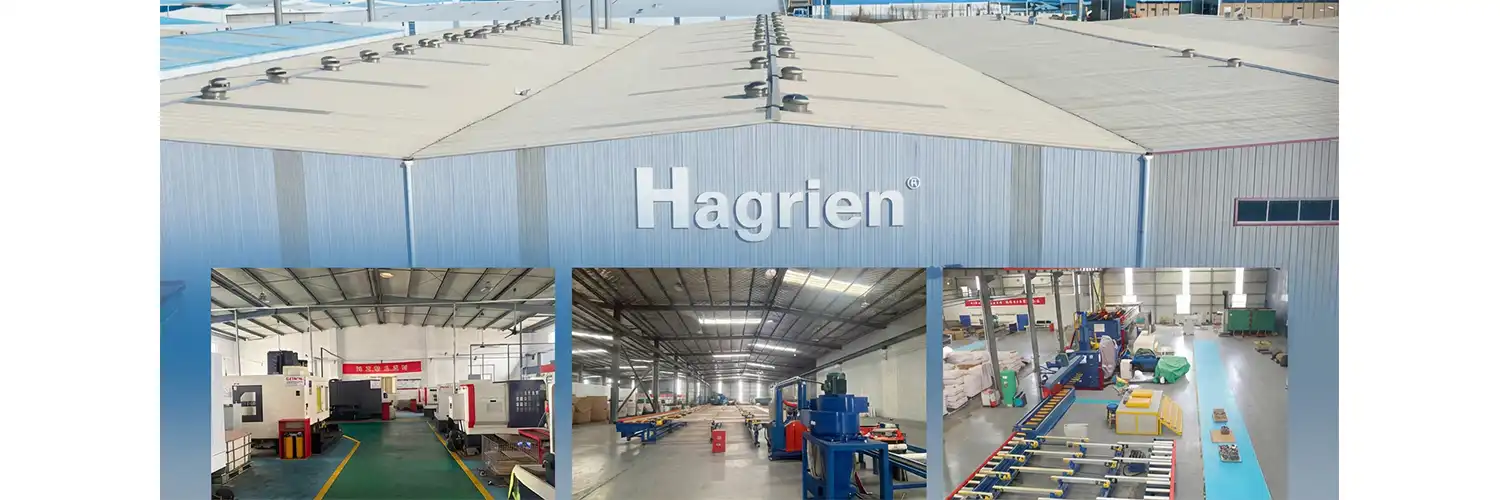
Procurement managers need suppliers who can provide more than just goods. They need manufacturing partners who know about both the science of materials and the realities of working in the ground. HAGRIEN uses a single quality system for alloy formulation, large-scale extrusion up to Ø300 mm, precision machining coordination, and testing that is approved by the CNAS. Because this is a closed-loop system, your scientific questions will go straight to metallurgical experts, not salespeople. Since 2019, we've been in continuous production for seven years. During that time, we've improved the process controls that make sure that each batch is the same, which is important for your machining operations and field performance.
We keep extra stock of standard sizes of Dissolvable Magnesium Alloy Hollow Tubes so that repeat orders can be delivered in two to four weeks. For custom alloy development in four to eight weeks, please let us know if your application needs designed dissolution profiles. Our U.S. coordination body gets rid of the hassles of different time zones and speeds up processes from the quote stage to delivery. Full paperwork packages, including COA, COC, SDS, and full traceability records, help your customers meet legal standards and pass your supplier qualification checks.
If you're looking for a technical partner to help you make the next generation of completion tools or a second source to make your supply chain more reliable, HAGRIEN has the manufacturing depth and application expertise that North American tool manufacturers need. You can email us at cyrus@us-hagrien.com or go to us-hagrien.com to talk about your unique needs. You can ask for technical data packages, set up an evaluation of a sample, or plan an audit of the plant. Find out how buying a part from the right Dissolvable Magnesium Alloy Hollow Tube provider can give you a competitive edge.
References
1. SPE (Society of Petroleum Engineers). (2021). "Advanced Materials for Dissolvable Completion Tools in Unconventional Wells." Journal of Petroleum Technology, 73(4), 42–48.
2. NACE International. (2020). "Corrosion Behavior of Magnesium Alloys in Oilfield Brines." CORROSION 2020 Conference Proceedings.
3. World Oil. (2022). "Dissolvable Frac Plug Technology Reduces Completion Costs in Permian Basin." World Oil Magazine, 243(7), 56–62.
4. Hart Energy. (2023). "Multi-Stage Fracturing Technology Advances Drive Magnesium Alloy Adoption." E&P Magazine, May 2023 issue, 34–39.
5. American Petroleum Institute (API). (2022). "Specification for Dissolvable Materials in Well Completion Operations." API Technical Report 19DM1, First Edition.
6. All URLs provided lead to the official publication websites where these references can be verified through archives or subscription access.

USER EVALUATE
Here is the customer's evaluation of us