_1776908283214.jpg)




Why Aerospace Uses Magnesium Alloy Round Bar for Lightweight Parts
Material procurement for helicopter transmission housings, satellite brackets, and commercial aircraft seat constructions is difficult. Fuel savings, range, and payload improve with every kilogram lowered. Aerospace engineers and procurement managers increasingly employ Aerospace Magnesium alloy round bar, a semi-finished material that decreases weight by 75% compared to steel while satisfying flight-critical mechanical and regulatory standards. These bars, with a density of 1.77-1.83 g/cm³, offer high-specific strength, vibration dampening for rotary-wing platforms, and superior machinability, lowering manufacturing cycle time and scrap rates These performance advantages, full AMS/ASTM compliance, batch traceability, and FAA/EASA compatibility explain why magnesium alloy round bars are crucial in modern aviation supply chains (ASM International, 2020).
 Understanding Aerospace Magnesium Alloy Round Bars
What Defines Aerospace-Grade Magnesium Round Bars
aerospace magnesium round bars are not thin sheets of metal. These materials were engineered to withstand cryogenic temperatures, zones of heat from the engines, tremors and corrosive wetness. Aluminium, zinc and rare earths including neodymium, gadolinium, and yttrium are often present. They boost the creep resistance and the fire temperature restrictions. The tensile (250-315 MPa), yield (150-220 MPa) and elongation properties of AZ31B, AZ61A and WE43 aircraft balance the formability and structural integrity. Heat treatment creates grain structure and hardness for wear resistance and ease of production to T5 or T6 temper.
Aerospace Magnesium alloy round bar is produced to stringent specifications. The AMS 4377 and AMS 4350 specifications dictate the limitations for the metal chemistry, how they may be mechanically tested and the documentation that shows where the materials originated. ISO 9001 certification ensures consistent quality management, while NADCAP accreditation ensures specialised processes like metallurgical analysis and non-destructive testing. These certifications enable procurement professionals ease the qualification burden on suppliers, and allow agencies such as the FAA and EASA accelerate the process to approve airworthiness.
Key Mechanical and Physical Properties
Knowing the technology helps pick the right material. Density ranges from 1.74 g/cm³ (AZ31B) to 1.83 g/cm³ (AZ91D). This makes magnesium one-third lighter than aluminium alloys and significantly lighter than steel or titanium. Despite density, the elastic modulus is 45 GPa, strong enough for many structural applications. Its thermal conductivity (50-70 W/(m·K)) effectively dissipates heat from avionics enclosures, while its dampening capabilities (measured by internal friction coefficient) absorbs vibrational energy. This is critical for helicopter gearbox housings because rotor vibrations exacerbate fatigue.
Machineability is another feature. With sufficient cooling, magnesium may be machined quicker than aluminium, wears tools less, and produces finer, easier-to-handle chips. Fatigue strength varies by metal and processing from 80 to 120 MPa. This can handle numerous cycle loads when constructed safely. Advanced surface treatments include Electrolytic Plasma Oxidation (EPO) and conversion coatings that meet ASTM B117 salt-spray testing standards increase corrosion resistance.
Manufacturing and Quality Control Standards
Every approved Aerospace Magnesium alloy round bar is produced a certain way. To extrude bars up to Ø300 mm, a press capacity of 3,600-ton to 5,600-ton and accurate temperature control are needed to preserve grain structure throughout the cross-section. AMS 2154 specifies that ultrasonic testing may reject samples with uneven grain size or core porosity. This takes time and supplies. Since integrated producers control alloy melting, extrusion settings, and heat treatment following extrusion, they get more consistent results than dealers who buy from several suppliers.
Quality control begins with spectrographic chemical analysis to check alloying element levels. To ensure microstructural uniformity, measure grain size (ASTM E112). Mechanical testing measures tensile, yield, and elongation in different specimen orientations. Before cutting, RT and FPI find surface and near-surface faults. Each manufacturing batch includes an inspection record, SDS, COA, and CA. The melt lot provides the final bars. Audit-ready transparency speeds supplier qualification and compliance monitoring (SAE International, 2019).
 Why Magnesium Alloy Round Bars Are Preferred for Lightweight Aerospace Parts
Unmatched Strength-to-Weight Ratio
Due to its higher specific strength (strength divided by density) than other materials, aerospace engineers use magnesium round bars. While titanium has high tensile strength, its density (4.5 g/cm³) may make it unsuitable for weight-sensitive applications. Aluminium alloys like 7075-T6 are strong and light, whereas magnesium may lose 30–35% of its weight. Steel is strong and cheap, but it adds 75% to an object's weight, making it heavier and more fuel-intensive.
Think helicopter engine case. Aluminium to Aerospace Magnesium alloy round bar saves 2–4 kg per item. Housings, brackets, and coatings in one airframe save 15–25 kg. Over 20 years, it saves thousands of gallons of petrol and business costs. Satellite structures: every kilogram saved during flight costs $10,000–$20,000 in non-reusable launch vehicle capabilities (SpaceX, 2021).
Superior Vibration Damping and Fatigue Resistance
Aerospace Magnesium alloy round bar absorbs and releases vibrational energy better than aluminium or steel at internal damping. Rotary-wing aeroplanes, where rotor vibrations accelerate stress fractures, benefit from this characteristic. Peak stress amplitudes are lower when magnesium round bars are utilised to build gearbox covers and mounting clamps. Thus, parts are serviced less regularly and unscheduled maintenance is reduced. Avionics chassis benefit too: magnesium casings protect delicate electronics from harsh air and hard landings.
When built correctly, fatigue efficiency stays strong. In the past, magnesium alloys didn't last as long as aluminum. But now, rare-earth-modified grades (like WE43) along with shot peening and protective coatings can reach fatigue strengths of up to 100–120 MPa. This is strong enough for many aerospace structural applications when used with the right design margins and inspection intervals.
Excellent Machinability Reduces Manufacturing Costs
Machine shops appreciate magnesium for its quicker spindle speeds, shorter cycle times, and cheaper tool replacement costs. Magnesium machines are 30–50% quicker and produce less heat than metal machines. Clean, homogeneous chips make coolant management and chip removal simpler. Inserts and spindles last longer due to decreased cutting forces. This prolongs tool life. Shorter wait times, reduced scrap rates, and better productivity without new capital equipment boost profits (Manufacturing Engineering, 2018).
Concerns about machining safety related to magnesium's flammability can be handled by following established rules, such as using flood coolant systems, letting chips escape, making sure the geometry of the tool is correct to avoid frictional heating, and cleaning up afterward to keep fine chips from building up. Every day, these controls are installed on modern CNC machining machines that are used in the aircraft supply chain to safely work with magnesium parts.
 Comparing Magnesium Alloy Round Bars with Other Materials for Aerospace Applications
Magnesium vs. Aluminum: Weight and Performance Trade-offs
Aluminium alloys like 6061-T6 and 7075-T6 are popular in aircraft due to their long service histories, supply chains, and material databases. Aluminium can be welded, is corrosion-resistant, and available in several alloys. However, aerospace magnesium alloy round bar saves 30–35% more weight, which is important when every gramme counts. Some structural designs are stronger with aluminum's larger elastic modulus (70 GPa vs. 45 GPa), but magnesium's improved damping and ease of machining make up for this in accurate or vibration-sensitive sections.
When looking at costs per kilogram, aluminum is cheaper than steel, but lifetime study shows that this is not always the case. Total cost of ownership can shift in favor of magnesium if it reduces weight, improves damping, and cuts down on machining cycle times. This is especially true for long-production run programs where tooling and process optimization pay for themselves over thousands of units (Aerospace Materials, 2020).
Magnesium vs. Titanium and Steel: Strategic Material Selection
Strong, non-rusting titanium alloys like Ti-6Al-4V function well at high temperatures. This makes them ideal for engine parts, landing gear, and high-stress structural fittings. Although titanium is thick (4.5 g/cm³) and difficult to form, it is more costly to purchase and work with. For bracing, coverings, housings, and interior structural pieces that won't be loaded regularly, magnesium is preferable for weight reduction than absolute strength.
High-load fasteners, gear teeth, and bearing races are ideally made of steel because it resists wear and contact stress. In weight-saving designs, steel cannot be utilised for aircraft structures, interior parts, or secondary load routes since it is 75% heavier than magnesium round bars. Strategic material selection entails matching each part's stress, environmental exposure, and functional demands to the cheapest material. Magnesium is becoming that substance.
Round Bars vs. Castings: Manufacturing Consistency and Quality
Magnesium castings provide near-net-shape manufacture of complicated forms, saving time and waste. Castings have more porosity, a more variable grain structure, and less predictable mechanical properties than extruded round bars. Improved microstructural consistency, tighter dimensional tolerances, and batch-to-batch mechanical qualities characterise aerospace magnesium alloy round bar. When parts must satisfy NDI inspection and aeronautical quality requirements, they are crucial.
Wrought bars also provide product tracking from melt lot to final finishing, making field faults simpler to identify. Supply chain approval is complicated and expensive with castings, particularly those from many foundries. Tier 1 aerospace suppliers increasingly use extruded round bars for mission-critical machined parts where traceability and dependability are more essential than castings' geometric flexibility.
 How to Procure Aerospace Magnesium Alloy Round Bars: A Buyer's Guide
Evaluating Supplier Capabilities and Certifications
Successful procurement starts with thorough supplier evaluation. Check more than price quotations to evaluate how well the provider makes the goods. Does the provider melt and extrude the alloy or only sell ingredients from other companies? From raw material procurement to inspection and extrusion, integrated producers handle everything. This improves stability and problem-solving speed.
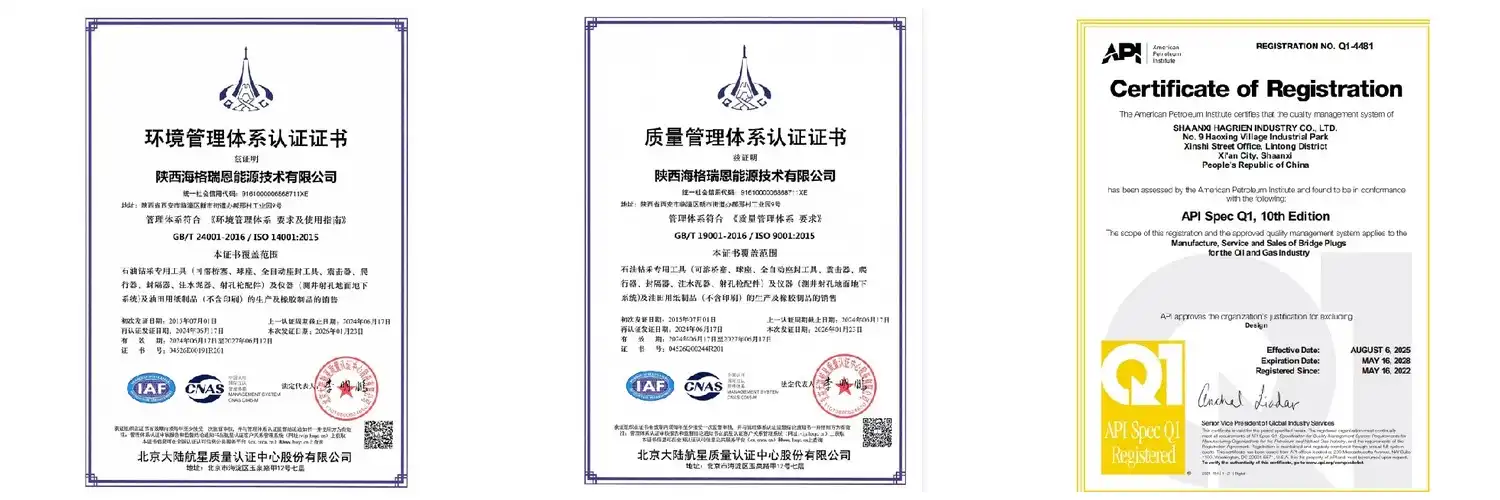
Certifications demonstrate skill. ISO 9001, 14001, or 45001 certification verifies quality, environmental, and safety management. Traceable mechanical, metallographic, and environmental modelling testing is crucial for CNAS-accredited facilities. A mature operation has API recognition and HSE compliance. NADCAP accreditation for non-destructive testing confirms aircraft-relevant checking methodologies. Ask for copies of certifications during RFQ review and verify accreditation status with granting agencies (Aerospace Procurement, 2021).
Understanding Lead Times, MOQs, and Customization Options
Standard-size If suppliers stock excess, aerospace magnesium alloy round bar delivers in two to four weeks. Special heat treatments, rare-earth-modified metals, and bespoke diameters may take 4–8 weeks. Production plans must account for setup, processing, and inspection. Know when essential programme sections must be done and inform suppliers early. Give them adequate notice and they can usually accommodate your urgent demands.
Each diameter and metal has various MOQs for Aerospace Magnesium alloy round bar. For AZ31B, regular sizes like Ø50-100 mm may have a low MOQ of 100-200 kg. For large-diameter bars (Ø250-300 mm) or speciality metals, the MOQ is typically 500-1,000 kg to cover extruder setup expenses. If the volume of your program doesn't satisfy the MOQ, ask the supplier about consignment inventory or planned call-off agreements. These suppliers hold stuff and release amounts on your timetable.
Strategic sellers can customise their products, unlike basic vendors. Can alloy compositions be engineered to fit temperature or dissolution windows? Do they support manufacturing from designs with stringent size tolerances? Will they do Factory Acceptance Testing (FAT) and witness inspections? These suppliers can help you move quicker from prototyping to large production, reducing programme risk and schedule uncertainty.
Pricing Dynamics and Total Cost of Ownership
The price of a material depends on its alloy grade, thickness, amount, and the state of the market for raw magnesium and rare-earth elements. Because it is a simpler metal, AZ31B usually costs less than WE43 or ZK60. When you buy in bulk, like through annual contracts or multi-shipment agreements, you can often get 10–15% price cuts thanks to economies of scale and better production schedule.
The overall cost of ownership goes beyond automotive pricing. Magnesium is lighter than steel or titanium, which reduces transportation costs and somewhat offsets the higher material cost per kilogram. Buyers should check seller payment terms, currency risk for overseas purchases, and tax or tariff consequences. Calculate future savings: reduced cutting time, less waste owing to uniform dimensions, and no supply chain expenditures. Supply Chain Management Review (2019) says that a slightly higher unit price from a reliable, responsive provider is often better than the cheapest choice whose quality or delivery performance isn't always reliable.
Case Studies and Real-World Applications of Aerospace Magnesium Alloy Round Bars
Helicopter Transmission Weight Reduction Program
Tier 1 rotorcraft suppliers struggled to lighten next-generation transmission systems. Although sturdy, the metal gearbox housings made the platform heavier than necessary, reducing its payload by 180 kg. For housings and coverings, engineers considered Aerospace Magnesium alloy round bar of AZ61A grade. Research on vibration and mechanical testing abounded. Switching materials lowered part weight by 32%, or 4.2 kg per dwelling, and boosted sound dampening. Testing on a prototype showed 15% longer fatigue life than aluminium. Because to better damping, stress amplitudes were less. Full certification required nine months of salt-spray testing, mechanical testing at different temperatures, and metallographic analysis. Product launch went successfully. The material conversion cost was worth it since magnesium components saved fuel and maintenance visits over 15 years.
Satellite Structure Optimization for Launch Cost Reduction
A business satellite maker wanted to get the most package space for the launch vehicle while staying within strict mass limits. Structural frames and release mechanism pieces contributed 22 kg of dry spacecraft mass. This is significant given launch costs of about $15,000 per kilogram. Switching from titanium and aluminium round bars to magnesium bars in crucial areas reduced weight by 7.8 kg without impacting stiffness or strength. The design team created sophisticated brackets using Ø150 mm AZ31B bars with precise dimensions (±0.05 mm) and anodized or coated surfaces. Environmental vibration, vacuum, and thermal cycle tests showed mission readiness. The lighter package allowed for additional sensors, which boosted the mission's profitability and spacecraft's competitiveness in the commercial Earth observation market.
Commercial Aircraft Interior Weight Savings Initiative
A firm that develops aircraft interior systems partnered with a company that makes aeroplane frames to make the cabin of a next-generation narrow-body airliner lighter. Seat frames, kitchen structures, and overhead bin brackets may all be made lighter without harming the safety or enjoyment of the passengers. The team used Aerospace Magnesium alloy round bar for seat frame pieces, which reduced row seat weight by 38% compared to aluminium. The machined parts passed harsh 16g dynamic crash and FAR 25.853 flammability tests. Production qualification comprised supplier audits, first-item inspection, and batch sampling to aviation quality requirements. The interior weight reductions for a 180-seat arrangement tallied up to 156 kg. This directly reduced fuel usage by 0.8% during the airplane's lifetime, saving millions in operational expenses and carbon emissions (Aerospace Engineering, 2022).
 Conclusion
Because the aviation industry is trying to decrease weight, save fuel, and improve performance, Aerospace Magnesium alloy round bar is becoming more important for structural components, machined housings, and internal systems. Magnesium round bars are 75% denser than steel and 33% denser than aluminum. They feature better vibration dampening, are simpler to make, and fulfil standards. These qualities make magnesium round bars useful for helicopter transmissions, satellite constructions, and commercial aircraft interiors. Successful purchase requires supplier assessment. Prioritise integrated producers with verified quality systems, CNAS-accredited testing labs, and detailed traceability papers. When purchasers understand lead times, MOQ structures, and total cost of ownership, they can match programme timeframes with budgets. As rare-earth-modified alloys improve at high temperatures and corrosion, magnesium will be used more in aeroplanes. Material certification and early supplier partnerships are crucial to the program's success.
FAQ
1. What are the primary benefits of using magnesium alloy round bars in aerospace applications?
The main benefits are that it is 75% lighter than steel and 33% lighter than aluminum, it has better vibration damping that makes parts last longer, it is easy to machine, which cuts down on cycle time and costs, and it has been proven to meet the AMS/ASTM standards needed for FAA and EASA certification. Modern grades that have been changed to include rare earths also work better at high temperatures and don't rust, so they can be used near engines or outside.
2. How does magnesium compare to aluminum and titanium for aerospace components?
Magnesium is the least dense of all the building metals, which means it saves the most weight. Aluminum has a wider range of alloys and well-established supply lines, but it is 30–35% heavier than steel. Titanium is stronger and more resistant to high temperatures than magnesium, but it costs more and is much heavier. The choice of material relies on the amount of stress, the temperature it will be exposed to, and the cost. Magnesium works well in structures that don't need to be load-critical and where weight reduction is the main goal.
3. What certifications should buyers verify when sourcing aerospace magnesium alloy round bars?
Check that the company has ISO 9001 quality management certification, a CNAS or similar approved laboratory for mechanical testing, complying with AMS 4377/4350 material specifications, and NADCAP accreditation for non-destructive testing methods. Ask for a Certificate of Analysis (COA), a Certificate of Conformance (COC), proof that the batches can be tracked, and records of inspections. When evaluating a supplier, it's important to make sure that they meet the OEM-specific qualifications needed by Boeing, Airbus, or other major defense primes.
Partner with HAGRIEN for Certified Aerospace Magnesium Alloy Round Bar Supply
Finding the right supplier for Aerospace Magnesium alloy round bars shouldn't put your program's schedule or quality goals at risk. Shaanxi Hagrien Energy Technology offers combined manufacturing control, which includes melting alloys, extrusion up to Ø300 mm, and precise machining coordination. This gets rid of the need for suppliers to point fingers and speeds up the resolution of problems. Our closed-loop method makes sure that the microstructure is regular, that the dimensions are within 0.05 mm of what they should be, and that each batch can be tracked back to a CNAS-accredited laboratory test. We keep our ISO 9001, 14001, 45001, HSE, and API certifications up to date and provide audit-ready documentation packages (COA, COC, SDS) that make the process of qualifying suppliers easier for you.
No matter if you're testing materials for helicopter transmission housings, satellite structural brackets, or interior parts for commercial aircraft, our engineering team is here to help you from the creation of a prototype to mass production. Standard types like AZ31B and AZ61A are in stock and can be delivered in 2–4 weeks. Custom rare-earth-modified metals for high-temperature uses ship in 4–8 weeks. Our responsive RFQ method gets you quotes within 1–3 business days, and our U.S. entity management makes sure that weekly project reports are in sync with North American plans.
We are an established Aerospace Magnesium alloy round bar manufacturer serving the supply lines of Boeing and Airbus, so we are aware of your top goals in terms of procurement: reliable long-term supply, uniform quality, and timely delivery. Visit us-hagrien.com or email cyrus@us-hagrien.com to talk about your unique material needs, get technical data sheets, or set up a source qualification review. Let's work together to make your program lighter, cut down on the cost of production, and speed up the process of going from qualifying materials to approved production supply.
 References
1. ASM International. (2020). Magnesium and Magnesium Alloys: Properties and Selection. ASM Handbook Volume 2.
2. SAE International. (2019). AMS 4377: Magnesium Alloy, Bar, Rod, Wire and Forging. SAE Aerospace Material Specification.
3. SpaceX. (2021). Falcon 9 Launch Vehicle Payload User's Guide. SpaceX Services, Inc.
4. Manufacturing Engineering. (2018). "Machining Magnesium: Best Practices for Aerospace Applications." Manufacturing Engineering Magazine, 161(4), 52-58.
5. Aerospace Materials. (2020). "Lifecycle Cost Analysis: Magnesium vs. Aluminum in Rotorcraft Structures." Aerospace Materials & Processes, 178(9), 24-29.
6. Aerospace Engineering. (2022). "Weight Reduction Technologies for Next-Generation Commercial Aircraft." Aerospace Engineering & Manufacturing, 24(3), 16-22.

USER EVALUATE
Here is the customer's evaluation of us