_1776908283214.jpg)




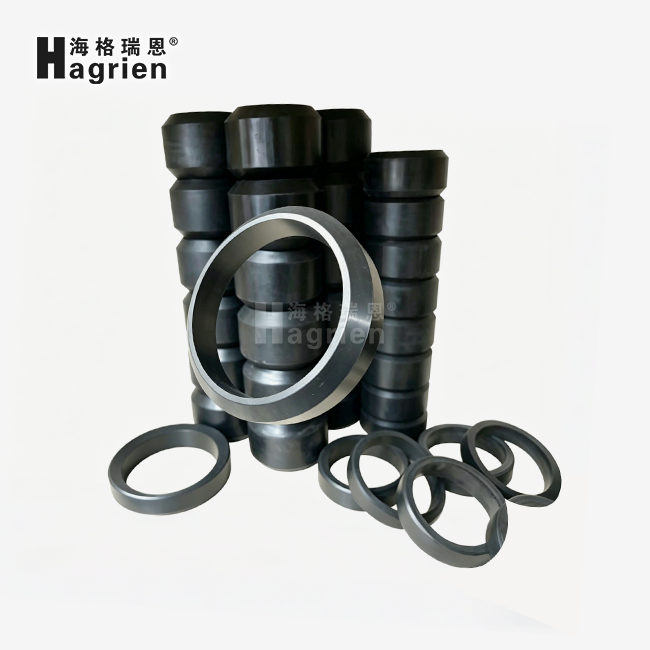
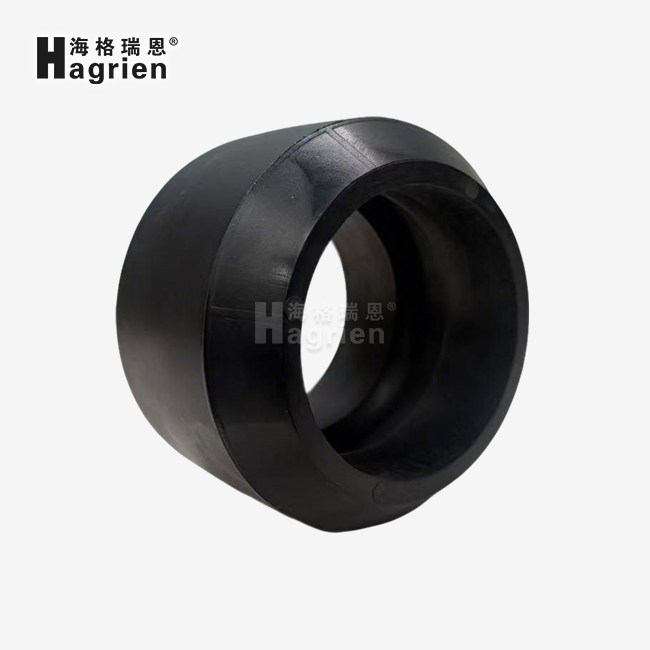
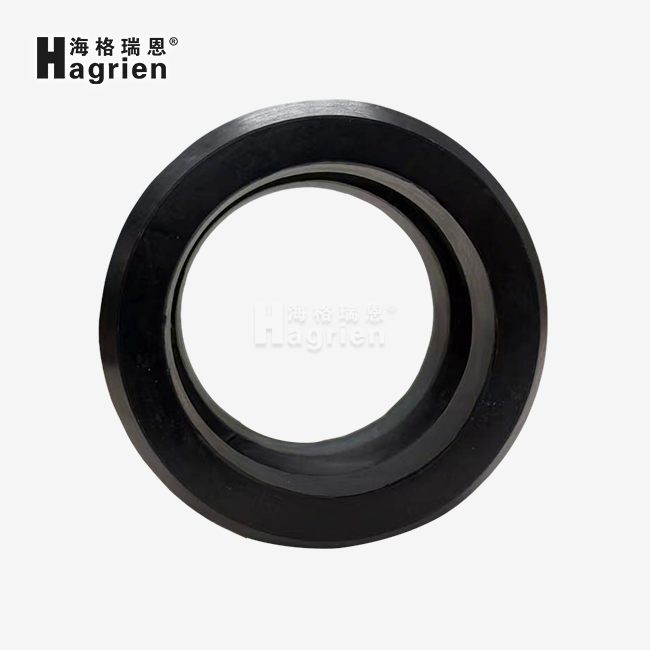
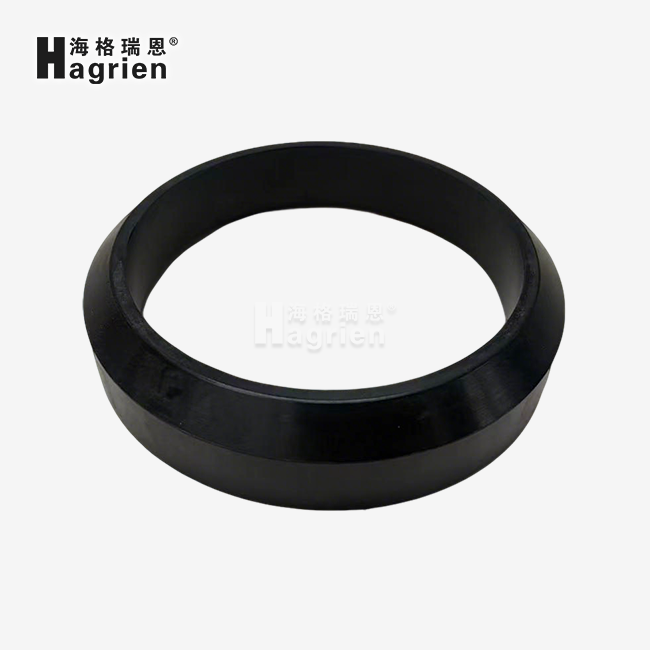
Wellbore sealing Rubber Element
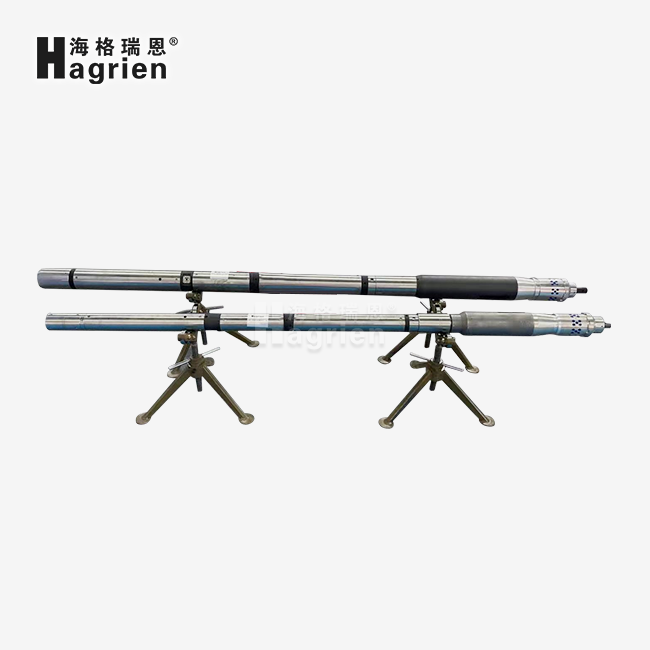
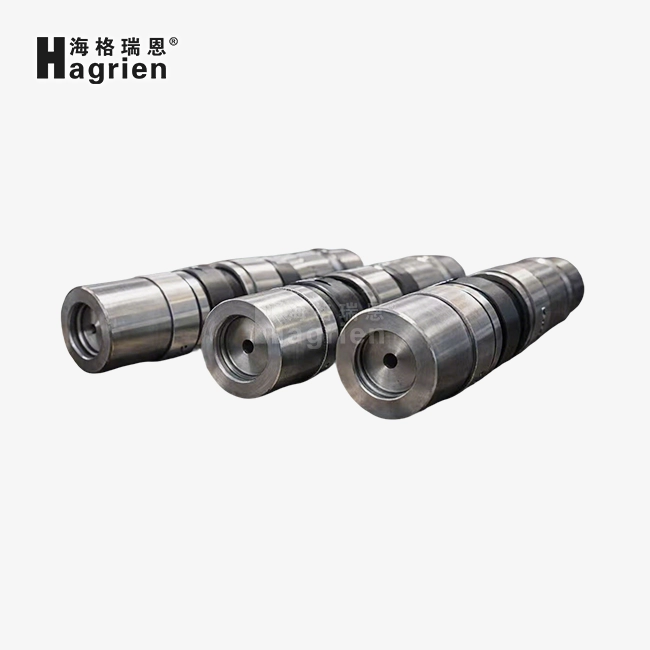
Suitable for sealing, buffering and isolation of downhole tools, frac plugs and other equipment.
Stable structure, strong adaptability, reliable and durable.
- Product Description
Wellbore Sealing Rubber Element – Enterprise-Grade Downhole Isolation Solutions
When you're specifying components for high-pressure downhole assemblies, you need more than just off-the-shelf parts. Shaanxi Hagrien Energy Technology Co., Ltd. delivers Wellbore sealing Rubber Element solutions engineered for real operating conditions—supporting packers, bridge plugs, and completion tools with reliable zonal isolation. Our manufacturing system integrates material verification, precision fabrication, and full traceability. With temperature resistance spanning -50°C to +260°C, pressure ratings up to 15,000 psi, and compatibility across NBR, HNBR, FKM, and EPDM compounds, we help you reduce downstream risk and accelerate qualification cycles. Lead times: 2–4 weeks for standard profiles, 4–8 weeks for custom configurations.
What Is a Wellbore Sealing Rubber Element?
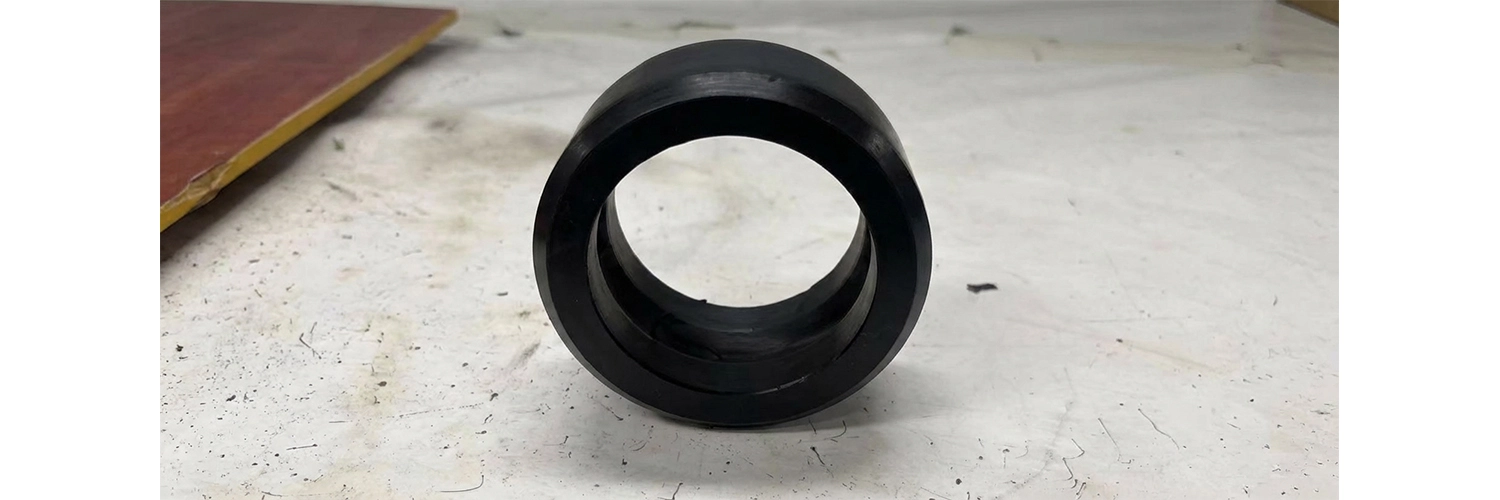
A product is a precision-molded elastomeric component designed to create a hydraulic barrier in oil and gas wells.
You'll find these elements installed in:
- Packers for permanent zonal isolation
- Bridge plugs for temporary interval control
- Blowout preventers for surface safety systems
They work by controlled distortion. When you apply mechanical or water powered constrain, the component extends to fill the annular space between the tubing and casing. This makes a leak-proof seal that anticipates cross-flow between formations.
The challenge? Your wellbore environment is extraordinary. Tall weight. Destructive liquids. Warm cycling. Standard elastic compounds fall flat beneath these conditions.
That's why fabric choice things. HNBR stands up to acrid gas. FKM handles tall temperatures. EPDM survives steam infusion. Each polymer is chosen based on your particular downhole chemistry and working window.
Key Technical Specifications
Here's what defines performance in demanding completion operations:
| Parameter | Specification | Why It Matters |
|---|---|---|
| Hardness | Shore A 70–95 | Controls compression behavior and extrusion resistance |
| Tensile Strength | ≥15 MPa | Prevents tearing during expansion and setting |
| Compression Set | <25% @ 70 hrs @ service temp | Maintains sealing force over extended periods |
| Temperature Range | -50°C to +260°C (compound-dependent) | Ensures stability across geothermal, deepwater, and HPHT wells |
| Pressure Rating | Up to 15,000 psi differential | Resists extrusion and maintains seal integrity |
| Chemical Resistance | Oil, brine, H₂S, CO₂, acids | Prevents swelling, embrittlement, and premature failure |
| RGD Resistance | Per ISO 23936-2 / NORSOK M-710 | Avoids internal rupture during rapid decompression |
Suitable for high-temperature, high-salinity zones and low-temperature, low-salinity zones. Customization available.
Five Reasons Why Engineers Choose Our Rubber Elements
1. Application-Matched Material Selection
We don't guess. You share your operating conditions—temperature, fluid type, pressure profile, and isolation duration for Wellbore sealing Rubber Element. We recommend the compound that balances mechanical strength, chemical resistance, and thermal stability. This reduces trial-and-error costs.
2. Verified Performance Under Real Conditions
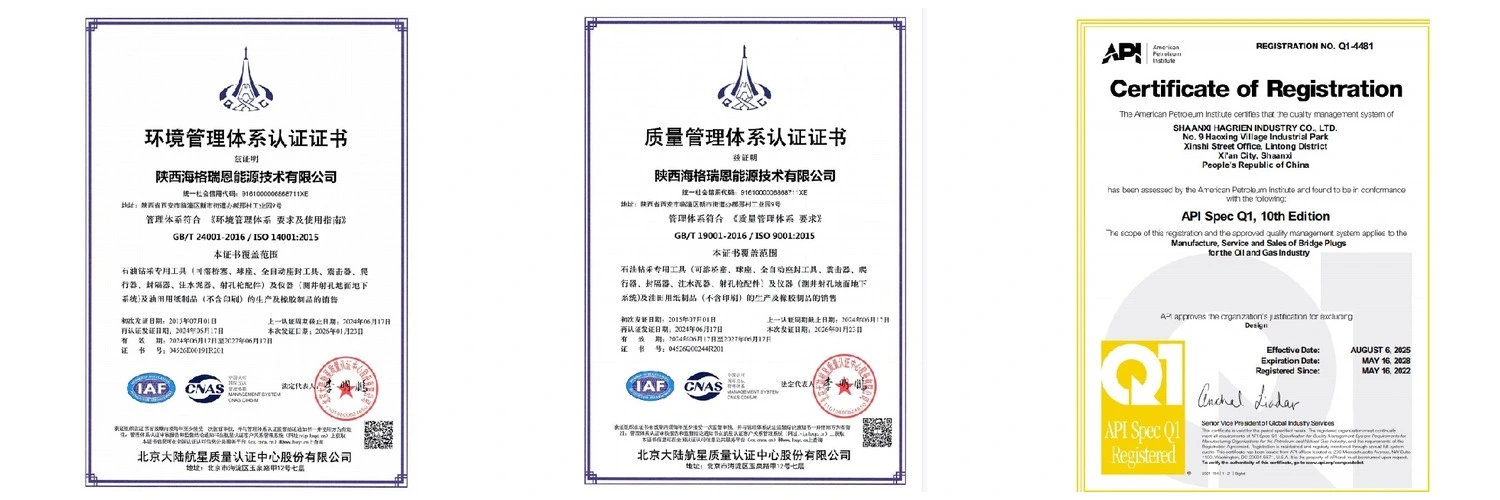
Our CNAS-accredited HTHP laboratory simulates downhole environments. We test compression set, extrusion resistance, and chemical aging before production. You get data sheets, COA, and traceability documentation with every batch.
3. Precision Molding for Dimensional Consistency
Tight tolerances matter. Inconsistent geometry leads to incomplete sealing or tool mismatch. Our controlled molding process delivers repeatable dimensions and surface finish, reducing your assembly risk.
4. Integration with Completion Tool Systems
We fabricate dissolvable bridge plugs, packers, and setting apparatuses in-house. This implies we get it how elastic components associated with metal bodies, slip frameworks, and enactment instruments. You get facilitated supply and quicker troubleshooting.
5. Quick Reaction and Unsurprising Lead Times
You'll get an RFQ reaction inside 24 hours. Standard profiles transport in 2–4 weeks. Custom compounds or geometries take 4–8 weeks. We keep up security stock for common sizes and give week after week venture overhauls adjusted with your plan.
Where You'll Deploy These Elements
HPHT Gas Wells
In deepwater situations, lasting packers require seals that survive 20+ a long time of presentation. HNBR and FKM components stand up to warm maturing, keep up flexibility beneath weight cycling, and anticipate supported casing weight (SCP) that triggers security shutdowns.
Multi-Stage Water powered Fracturing
During high-rate pumping in unusual shale plays, your frac plugs must disconnect each organize without liquid bypass. High-durometer elastic components withstand grating proppant stream and weight spikes up to 10,000 psi, guaranteeing discrete interim stimulation.
Geothermal and EOR Operations
Steam infusion wells request specialized EPDM or Aflas-based compounds. These components keep up seal astuteness in spite of nonstop presentation to high-temperature steam, pH variances, and warm cycling—preventing steam breakthrough into non-target zones.
Blowout Preventer (BOP) Systems
Surface security frameworks depend on quick fixing beneath crisis conditions. Elastomeric components must enact right away, stand up to expulsion beneath most extreme wellhead weight, and keep up adaptability over temperature extremes.
How We Support Your Qualification Process?
Step 1: Application Review
You provide wellbore data—depth, temperature, fluid composition, and isolation requirement. We match your needs to the appropriate polymer and hardness range.
Step 2: Sample Validation
We produce prototype elements with full documentation. You test them in your assembly or lab environment. We adjust formulation or geometry based on your feedback.
Step 3: Batch Consistency
Once approved, we scale to production with strict process discipline. Every batch includes COA, SDS, and inspection records. You get the same performance, every time.
Step 4: Supply Assurance
We maintain safety stock for standard profiles. For custom programs, we align production cycles with your forecast and provide buffer inventory during peak demand.
Why International Buyers Work with Hagrien?
You're managing multiple suppliers. Communication delays slow down projects. Quality variation creates downstream problems.
Here's how we help:
- Coordinated Supply: We manufacture rubber elements, dissolvable plugs, and magnesium alloy components in-house. You reduce vendor fragmentation.
- Engineering Support: We provide material selection guidance, FAT protocols, and verification plans. You accelerate qualification.
- Predictable Timelines: Weekly updates, clear lead times, and expedited delivery options keep your program on track.
- U.S. Entity Coordination: Our North American presence aligns communication with your time zone and simplifies logistics.
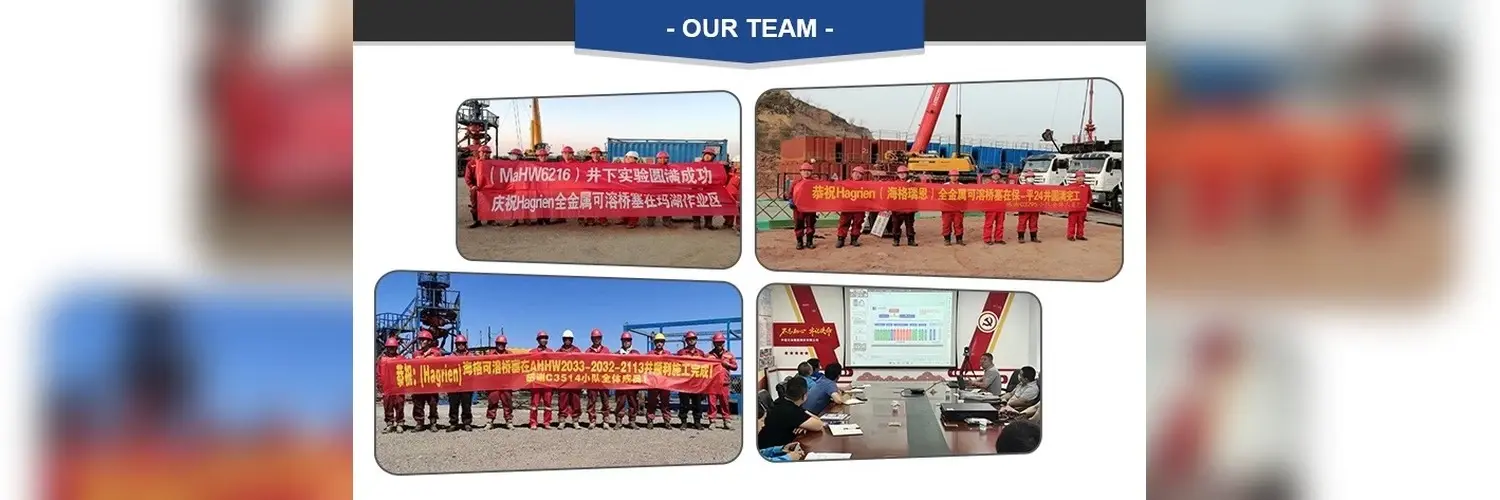
Exhibition

Frequently Asked Questions
1. What is the product mainly used for?
The product is mainly used for wellbore sealing, pressure isolation, and packer or plug sealing systems. Buyers usually want to know whether the product can meet the target working condition, machining route, and final application requirement without creating unnecessary downstream risk.
2. What key features should buyers evaluate when sourcing the product?
Buyers should evaluate temperature resistance, chemical compatibility, compression recovery, and sealing reliability. In export purchasing, these factors matter because they directly affect processing yield, field reliability, product consistency, and the total cost of qualification.
3. Why do international buyers choose Hagrien for the product?
Hagrien supports completion-tool buyers with application-oriented sealing knowledge, product matching, and coordinated supply for plug systems and downhole assemblies. This helps customers reduce dependence on a single supplier, improve communication speed, and move from sample validation to stable volume supply more efficiently.
4. Can you customize element geometry for proprietary tool designs?
Yes. We produce drawing-based components with controlled tolerances. Share your specifications, and we'll develop prototypes with FAT support and scaling to production volumes.
5. What documentation do you provide for traceability?
Every batch includes Certificate of Analysis (COA), Certificate of Conformance (COC), Safety Data Sheet (SDS), and batch-specific inspection records. This ensures audit readiness for your quality system.
Contact Us
Ready to discuss your application of Wellbore sealing Rubber Element? Reach out to cyrus@us-hagrien.com for technical consultation and quotation support.

USER EVALUATE
Here is the customer's evaluation of us