




Benefits of Using a Disposable Setting Tool in Completions
Switching to a disposable setting tool in your completion program is one of the most practical cost decisions a procurement team can make. These single-use downhole devices set packers, bridge plugs, and frac plugs through pure mechanical force—pipe-string pressure and rotation—without electricity, gas, or external hydraulics. With pressure ratings above 10,000 psi and temperature resistance up to 400°F, each disposable setting tool delivers consistent, first-run reliability in conventional and unconventional wells, including remote locations and NACE sour-service environments where redressing facilities simply are not available.
 Understanding the Disposable Setting Tool
A throwaway setting tool is a special, one-time-use device that is sent downhole to provide the axial force needed to set cement retainers, bridge plugs, and packers in oil and gas wells. For better understanding of this device's benefits, let's first look at what it is and how it works.
How the Mechanism Works?
The HAGRIEN disposable setting tool only uses mechanical energy. The weight and movement of the pipe string move an internal piston, which sends a measured setting force to the plug or packer below. There is no need for explosion charges, electric lines, or external hydraulic systems. This simple design cuts down on the number of places where something could go wrong.
Key Technical Parameters
It is made so that each throwaway HAGRIEN setting tool can withstand pressures of up to 10,000 psi and temperatures of up to 400°F (204°C). The setting force stays the same in horizontal wells and low-pressure reservoirs thanks to the high-grade alloy steel construction, precision-machined shear pins, and optimized stroke lengths. Every unit works as well as a brand-new multi-run tool because it is made according to ISO 14310 and API 11D1 standards.
Where It Fits in the Completion Workflow?
The disposable setting tool can be used in both standard and non-standard completion programs instead of imported reusable tools. Moving oil-soaked redress kits back to a service center takes days of non-productive time (NPT) and costs a lot of money for each well in remote onshore blocks, deepwater tiebacks, and HPHT wells.
Core Benefits of Using Disposable Setting Tools in Completions
There are more reasons than just unit price to use a disposable setting tool. Here are the main benefits that procurement leaders and field teams most often talk about when they switch from using regular tools that can be used more than once.
Reduced Non-Productive Time and Faster Operations
Rig teams don't have to go through the redressing cycle at all because each throwaway setting tool comes already put together and ready to use. Industry data from multi-stage plug-and-perf programs shows that getting rid of on-site refurbishment can save two to four hours of rig time per stage. This is a big savings when you consider that rig rates in the Middle East and Southeast Asia often go over $15,000.
Lower Total Cost of Ownership
It might look like a one-time-use packer fixing tool costs more per unit than a repair kit, but the real cost is lower. The cost model gets rid of the need to return big, oily tools, hire skilled technicians to take things apart and check them, and worry about losing money because of one failed-to-set event. This total-cost argument is often what makes the difference in projects with limited funds and national oil company clients.
Consistent Quality on Every Run
A bridge plug setting tool that is used more than once gets worse with each use. As time goes on, elastomer seals wear out, shear pins get micro-fatigue, and dirt builds up inside the hydraulic tanks. With a new, disposable fixing tool, there is no chance of seal strain at all. The procurement teams at regional oil-field service companies always say that standardizing on single-use devices makes first-run success rates better. This is because every run starts with components that are fully specified.
These benefits directly lead to fewer call-backs, less risk of liability, and better performance records with national oil company clients—three outcomes that are just as important as the unit price on any tender document.
 Comparing Disposable Setting Tools with Reusable and Permanent Tools
Every type of finishing tool isn't right for every job. A organized comparison helps buying teams put money where it will make the most difference.
Maintenance Burden and Downtime
Reusable setting tools need to be inspected after each use, have their elastomers replaced every so often, and be taken to a certified service center for repair. This logistics chain can add one to two weeks to the cycle time for tool turnaround in onshore blocks that are far away, like those in Oman, Indonesia, or the Sichuan Basin. With a throwaway setting tool, you only have to use it once, record the data, and move on to the next step.
Capital Expenditure vs. Operating Expenditure
Permanent or reuse tools need to be bought up front and have budgets set aside for regular upkeep. When you use a plug-setting device that is only used once, the cost is moved to running costs. This makes it easier to stick to well-by-well project budgets and make deals with national oil companies. For businesses that buy between $5 million and $50 million a year, this budget freedom is useful for getting things done.
Material Durability and Application Fit
The aerospace-grade aluminum and high-grade alloy steel used to make the throwaway setting tool give it the same level of power as a high-end reusable device for its one-time use. Using a brand-new tool for every run is not a luxury in HPHT wells and NACE sour-service areas where chemicals cause seals to break down faster, it is the safest technical choice.
 Practical Application Scenarios
Field deployments in the real world make it clear where a disposable setting tool gives the best return.
Multi-Stage Hydraulic Fracturing
Back-to-back frac plug setting runs in plug-and-perf operations across tight gas blocks need tools that can be used right away and regularly do their job. With a disposable frac plug setting tool, there is no need to clean and re-grease between runs. This keeps the completion crew on schedule and the wellbore moving toward first production.
Remote and Sour-Service Environments
One thing that both offshore platforms and desert areas in the Middle East have in common is that there isn't a service center close. A one-time-use setting tool is sent directly to the well site already put together and doesn't need a repair center there. In formations that hold H₂S, NACE MR0175-compliant materials in every new unit provide proven sour-service protection on every run, without relying on the condition of a device that has been used before.
Budget-Constrained National Oil Company Projects
In Indonesia, Malaysia, and the Gulf states, regional oil-field service companies that bid on national oil company contracts often win based on the total cost of the project rather than the day rate. Standardizing on a one-time packer setting tool that doesn't need redress logistics saves money on the bid package while keeping the first-run success rate that technical managers need for acceptance sign-off.
Procurement Insights: How to Source the Best Disposable Setting Tools
There's more to finding the right throwaway setting tool provider than just checking prices. The following things set long-term partners apart from one-time vendors:
Certification and Documentation
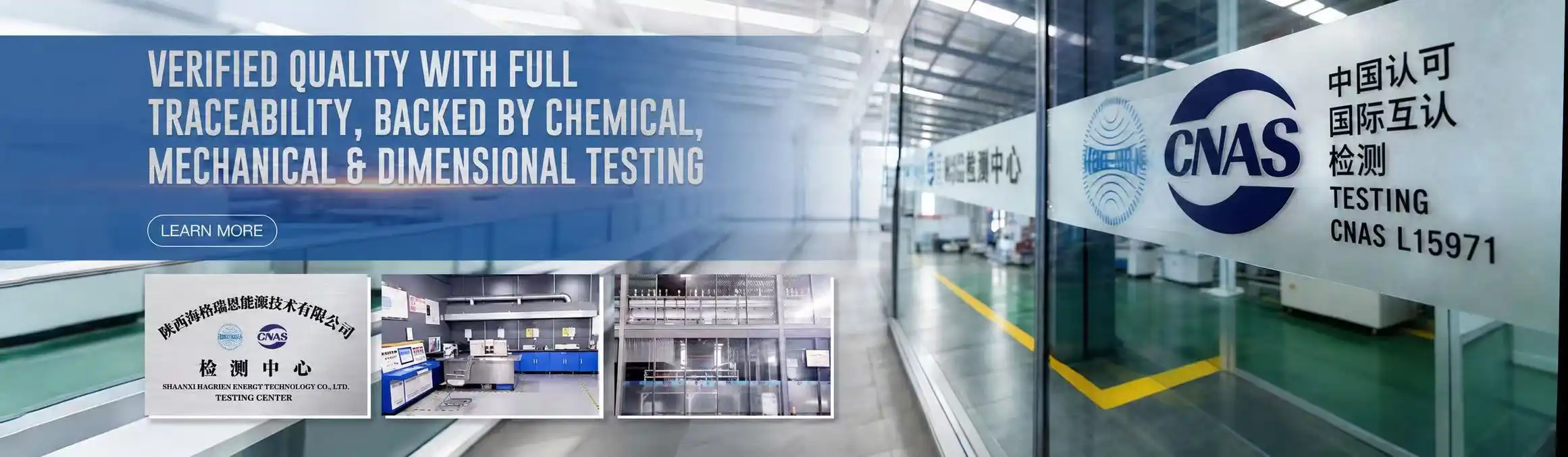
Suppliers you can trust have ISO 9001, API approval, and CNAS test accreditation. Ask for third-party hydraulic test results, COA/COC paperwork, and records that show how each batch of materials can be tracked. For deals with the national oil company, these papers are required in order for the vendor to be qualified.
Trial Order and Scalability Support
A reliable company that makes disposable setting tools lets you place small-batch trial orders before committing to a frame agreement. Make sure the supplier can ship sample quantities within two to four weeks, offer technical support in the field during the trial, and keep unit prices stable as volumes rise.
After-Sales Responsiveness
Field teams lose faith in new suppliers most often when they take too long to respond. Make sure the supplier responds to technical questions 24 hours a day and gives weekly updates on the status of deliveries while the product is being made. Another sign of a supplier ready for a long-term connection is on-site expert help for first-run operations.
 Conclusion
For finishing projects that are tight on money and can't afford the NPT and transportation costs of standard reusable equipment, a disposable setting tool is a good choice. From multi-stage frac operations to HPHT sour-service wells, the single-use design keeps the stability of the first run while getting rid of the practical load of redress cycles. When procurement teams look at the total cost of ownership instead of just the unit price, they always find that the numbers favor the disposable approach. This is especially true for the types of projects that regional oil-field service companies work on for national oil companies.
FAQ
1. Can a disposable setting tool be reused if the first run is aborted?
No, each throwaway setting tool is only meant to be used once. If the internal system is even partly set off, the gadget needs to be replaced. This isn't a limitation; it's part of the system that makes sure every run meets all the requirements.
2. What pressure and temperature ratings apply?
The throwaway setting tool from HAGRIEN can handle pressures up to 10,000 psi and temperatures up to 400°F (204°C), so it can be used in most normal and unusual finishing settings.
3. How do I verify tool quality before placing a bulk order?
Ask for records that show how each batch of materials was made, copies of the COA and COC, reports of hydrostatic pressure tests and shear pin tensile test results. Suppliers whose labs are CNAS-accredited can give national oil company-approved validation reports that can be tracked back to the source.
4. What is the typical lead time?
Every size takes two to four weeks to ship. It takes four to eight weeks for custom specifications or engineering dissolution window requirements, but there are faster options for important projects.
5. Does the tool work in sour-service wells?
Yes, the throwaway setting tool is made of alloy steel that meets NACE MR0175 standards, so it can be used in H₂S-bearing formations. Material tracking records show that each batch is compliant.
Request a Quote from HAGRIEN — Your Disposable Setting Tool Supplier
HAGRIEN sells disposable setting tools that are ISO- and API-certified and made for the pressure ratings, temperature windows, and documentation standards that your projects need. As a manufacturer that has been making things continuously for seven years and a CNAS-accredited laboratory, we back up every batch with COA/COC traceability records and quick technical support. We welcome small-batch test orders. Please email our team at cyrus@us-hagrien.com or go to us-hagrien.com to get a quote and a product information.
References
1. American Petroleum Institute. API 11D1: Packers and Bridge Plugs. API Publishing Services, 2015.
2. International Organization for Standardization. ISO 14310: Petroleum and Natural Gas Industries — Downhole Equipment — Packers and Bridge Plugs. ISO, 2008.
3. NACE International. NACE MR0175/ISO 15156: Materials for Use in H₂S-Containing Environments in Oil and Gas Production. NACE International, 2015.
4. Society of Petroleum Engineers. SPE 166104: Reducing Non-Productive Time in Multi-Stage Fracturing Through Single-Use Completion Tools. SPE Journal, 2013.
5. World Oil. Advances in Single-Trip Completion Tool Technology for Unconventional Wells. World Oil Magazine, 2021.
6. Hart Energy. Cost Drivers in Plug-and-Perf Completions: Equipment Selection and Field Efficiency. E&P Magazine, 2022.

USER EVALUATE
Here is the customer's evaluation of us