




How to Select a Bridge Plug Setting Tool for High Pressure
Selecting the right bridge plug setting tool for high-pressure well operations directly determines whether your crew completes the job in a single run or loses hours—and significant budget—to a remedial trip. A reliable downhole setting assembly must convert hydraulic or electrical energy into a controlled axial force that fully seats the plug's slips and sealing elements against the casing wall, even above 10,000 psi differential. The sections below walk through every decision point, from technical screening to procurement strategy, so you can choose with confidence.
 Understanding Bridge Plug Setting Tools for High Pressure
What These Tools Actually Do?
An isolation device called a bridge plug setting tool connects your conveyance string (wireline, coiled tubing, or jointed pipe) to the isolation device. It stops the activation from happening too early during run-in-hole (RIH) and gives you a precise, repeatable setting force when you need it. If you don't have the right tool, the plug either doesn't seat properly or lets go of the string too soon.
Why Pressure Rating Matters More Than You Think?
SPE technical papers consistently show that incomplete sets are the cause of a large portion of well intervention non-productive time (NPT). When the difference pressure is higher than what the tool is supposed to handle, the internal pistons skip over the fluid, the stroke is too short, and the plug slips when it's loaded. You can really feel safe when you choose a tool with a rating that is much higher than the pressure you expect to be in the hole.
Consequences of a Wrong Selection
Using a running-and-setting assembly that is too small or doesn't work with the machine can cause a chain of problems, including disconnections in the middle of a run, short strokes due to debris or seal bypass, and finally a full workstring trip to recover the unseat plug. For every repair run, you have to pay for more rig time, crew hours, and fluid, which cuts into the well's economy.
Key Selection Criteria for High-Pressure Bridge Plug Setting Tools
Pressure Rating and Material Strength
First, make sure that the differential pressure rating of the setting tool is higher than the highest wellbore pressure you expect by a reasonable amount. It is necessary to use high-strength alloy steel construction, which can be proven by full Material Test Reports (MTRs) that list the chemical makeup and hardness, which is usually between 18 and 22 HRC for sour service. With an ISO 9001 quality system, batch tracking makes sure that every part you get is the same as the one that passed hydraulic testing.
Interface Compatibility and Customization
Before you commit to a tool, here are the main compatibility factors you should look at:
- Thread and crossover match: Confirm the tool's top and bottom connections match your existing conveyance equipment and plug mandrel. Mismatched threads are the leading cause of on-site delays.
- Shear screw calibration: Verify that shear values are batch-tested and supplied with derating charts for temperature, because HPHT conditions can lower actual shear force by 15–25%.
- Adapter sleeve range: A setting tool that accepts multiple crossover kits can set different plug diameters, reducing your fleet size and spare-part inventory.
If these things are true, your team will be able to switch tools between jobs without having to call the original equipment maker for special parts.
Dissolvable and Magnesium Alloy Components
More and more, operators with multi-stage fracturing programs choose magnesium metal or dissolvable parts to get rid of the need for post-frac plug grinding. If you are looking at a bridge plug setting tool that has elements that dissolve, make sure the seller gives you written dissolution window data that is specific to your fluid chemistry, temperature, and target timeline. A big risk is that the material will break down too quickly before the plug is set; you need planned dissolution, not guessing.
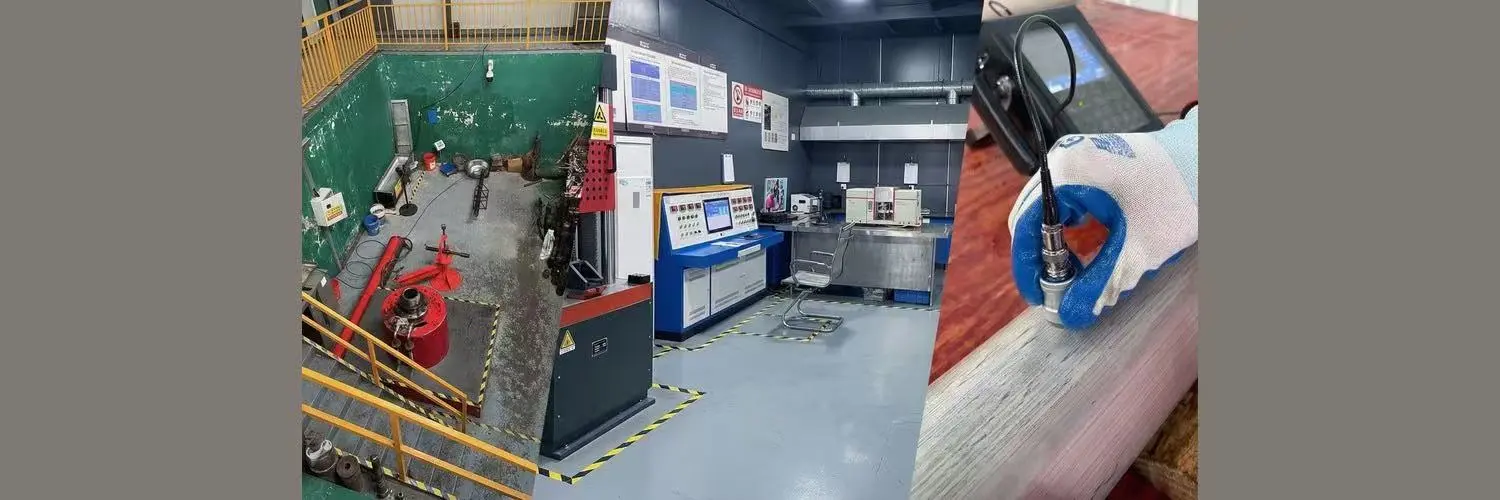
Comparing Leading Bridge Plug Setting Tools for High Pressure
Mechanical vs. Hydraulic vs. Electric Setting Tools
For high-pressure uses, each actuation method has its own pros and cons. Mechanical tools work by applying weight or torque. They are easy to fix, but they don't give you much information about how much force you're using. Hydraulic tools use controlled fluid pressure from the surface or a downhole pump to make a stroke that is slower and more precise. This makes them perfect for HPHT completions that need precise force. To set up an electric or e-line, you fire a power charge that quickly creates gas pressure. This is perfect for plug-and-perf wireline work in horizontal laterals.
Evaluating Supplier Reputation and Documentation
If a supplier can't show this papers when asked, they pose a qualification risk that is greater than any price benefit.
- Non-Destructive Testing (NDT) records: Magnetic Particle Inspection (MPI) or Liquid Penetrant Inspection (LPI) on all load-bearing threads.
- Hydrostatic pressure test certificates: The tool body should be tested to at least 1.5× its rated working pressure before shipment.
- Functional shear test data: Batch-tested shear pins with exact release-force values (lbf), traceable to lot number.
HAGRIEN's bridge plug setting tools are designed to be reliable running and setting tools for putting in bridge plugs in downhole completions, such as for zoned isolation in multi-stage fracturing, wellbore abandonment, temporary workover isolation, and HPHT completion programs. These tools are made of high-strength alloy steel and can handle differential pressures of more than 10,000 psi. They can be set up mechanically, hydraulically, wireline, or electrically. A quality system that is ISO 9001-certified makes sure that each batch can be tracked. Standard configurations ship in 2–4 weeks, while custom configurations take 4–8 weeks. For OEM buying, you can get private marking and interface customization.
HAGRIEN Bridge Plug Setting Tools
HAGRIEN's bridge plug setting tools are engineered running-and-setting tools built for reliable bridge plug deployment in downhole completions, including zonal isolation in multi-stage fracturing, wellbore abandonment, temporary workover isolation, and HPHT completion programs. Constructed from high-strength alloy steel, these tools carry differential pressure ratings above 10,000 psi and support mechanical, hydraulic, wireline, and electric setting modes. Full batch traceability runs through an ISO 9001–certified quality system, and standard configurations ship in 2–4 weeks, with custom configurations delivered in 4–8 weeks. Private labeling and interface customization are available for OEM procurement.
Installation and Maintenance Best Practices
Pre-Run Inspection Checklist
A careful pre-job check before every run lowers the chance of a short stroke or mid-string break. Use a precise caliper to check the size of the setting mandrel. The measurements should be accurate to within ±0.001 inches. Make sure that the lot numbers of the shear screws meet the temperature-based figure for your well. Check all of the elastomeric seals for cuts or swelling that could be caused by being in fluids before.
Redressing the Tool After Each Run
After every trip downhole, there must be a full redress. This means changing all the rubber seals, checking the piston surfaces for galling or cutting, and repacking with high-temperature grease that is rated for the highest temperature in the bottom hole. Skipping any step of redress is the fastest way to get a new job and more liability. Make sure there is a repair kit on the floor of the rig so that the tool tech can fix the part in less than two hours.
Troubleshooting Common Failure Modes
Most incomplete sets are caused by three main things: debris in the hydraulic fluid, a broken seal inside the piston stack, and using the tool at too high of a temperature. If the stroke is short after the run, check the cleanliness of the fluid first. If the seals show bypass wear, check to see if the well temperature went above the elastomer rating of the tool. Your operations team can find patterns before they become a problem that stops work by keeping a failed log for multiple well runs.
Procurement Tips: Where and How to Buy High-Pressure Bridge Plug Setting Tools
Matching Your Procurement Model to Your Operation Scale
How many well runs you do each year should match up with your procurement plan. Annual supply deals with set lead times and safety stock are good for wireline service companies that run dozens of wells every year. When OEM bridge plug makers look for a setting tool to include with their plug product, they need to be able to customize the interface, support private marking, and make sure that the quality of each batch is the same across hundreds to thousands of units. Single-project operators might like an original order that is smaller with the choice to grow.
Supplier Evaluation Criteria
Before placing an order with a bridge plug setting tool supplier, make sure of the following:
- Certifications: ISO 9001 is the baseline; API recognition and a CNAS-accredited laboratory add measurable credibility.
- Lead time commitments: Standard sizes should ship in 2–4 weeks; custom configurations in 4–8 weeks. Anything longer than this creates scheduling risk on an active pad.
- After-sales support: Ask specifically about remote troubleshooting, spare-part availability, and field redress training.
When your supply goes down, these checks keep your business safe from having to leave tools on the rig idle.
Negotiating for Long-Term Value
Talk about the total cost of ownership instead of unit price when you're buying something. If a cheaper tool needs to be fixed more often or makes one fix trip for every ten wells, it is not cheaper; it is more expensive. Ask your providers about bulk discounts, agreements to keep spare parts in stock for quick deliveries, and co-design help if your application needs an interface that isn't standard.
 Conclusion
There are four main things you need to look for in a bridge plug setting tool for high-pressure applications: a pressure-rated material construction with trackable documentation, an interface that works with your current plug system, a realistic maintenance plan with a well-stocked redress kit, and a supplier who can consistently meet your lead-time needs. If you skip any of these pillars, your operational risk goes up. A failed set costs a lot more in rig time, crew hours, and lost client trust than a properly specified tool chosen through a structured evaluation process.
FAQ
1. What pressure rating should I specify for HPHT wells?
If you expect the bottomhole pressure to be less than 10,000 psi, you should ask for a bridge plug setting tool that can handle at least 15,000 psi of differential. The gap takes into account sudden rises in pressure during pumping for fracturing. Always ask for a certificate that says the tool body was tested to 1.5 times its rated working pressure.
2. How often should I redress the setting tool?
After every downhole run, there must be a full repair, which includes changing all elastomeric seals and checking the surfaces of the pistons. Seal skipping and short strokes are most often caused by using the same seals for more than one run.
3. Is a hydraulic setting tool better than a mechanical one for high-pressure wells?
Most of the time, hydraulic tools offer more precise and repeatable setting force, which makes them better for HPHT projects that need consistent force.
4. Can one bridge plug setting tool accommodate different plug sizes?
Yes. For different plug sizes, one setting tool can work with the right crossover kits and adapter sleeves.
5. What documentation should I request before approving a supplier?
This is especially important if you use different casing sizes in different wells.
 Connect with HAGRIEN for Your Next Bridge Plug Setting Tool Order
HAGRIEN makes bridge plug setting tools that can handle differential pressures of more than 10,000 psi. Each batch can be tracked back to its source according to ISO 9001 standards, the tools can be used in more than one setting mode, and standard setups can be delivered in two to four weeks. Our engineering team is ready to look over your interface needs and send you a written quote within 1–3 business days, whether you need a bridge plug setting tool provider for yearly service contracts or an OEM private-label bridge plug setting tool for sale. To begin your technical evaluation right away, email us at cyrus@us-hagrien.com or go to us-hagrien.com.
References
1. Society of Petroleum Engineers (SPE). SPE Journal: Well Intervention and Zonal Isolation Technologies. 2022.
2. American Petroleum Institute (API). API 11D1: Packers and Bridge Plugs. 7th ed., 2015.
3. World Oil. Plug-and-Perf Completion Techniques in Horizontal Wells. 2021.
4. Hart Energy / E&P Magazine. HPHT Completions: Equipment Selection and Risk Management. 2020.
5. Society of Petroleum Engineers (SPE). SPE-199878-MS: Advances in Dissolvable Downhole Tools for Multi-Stage Fracturing. 2020.
6. Oil & Gas Journal. Wireline Bridge Plug Setting Operations: Best Practices for High-Pressure Environments. 2019.

USER EVALUATE
Here is the customer's evaluation of us