_1776908283214.jpg)




Choosing a Bridge Plug Setting Tool for Oil Wells
When you need to isolate a zone downhole, the bridge plug setting tool you pick can determine whether an operation wraps up in a single run or burns an extra day of rig time on a costly return trip. A running-and-setting tool is the mechanical interface between your conveyance string and the isolation device. It converts hydraulic pressure, wireline energy, or mechanical force into the precise axial load required to set slips and seal elements against casing. Getting that selection right means accounting for well geometry, pressure rating, material compatibility, and how fast you can redress the tool between jobs.
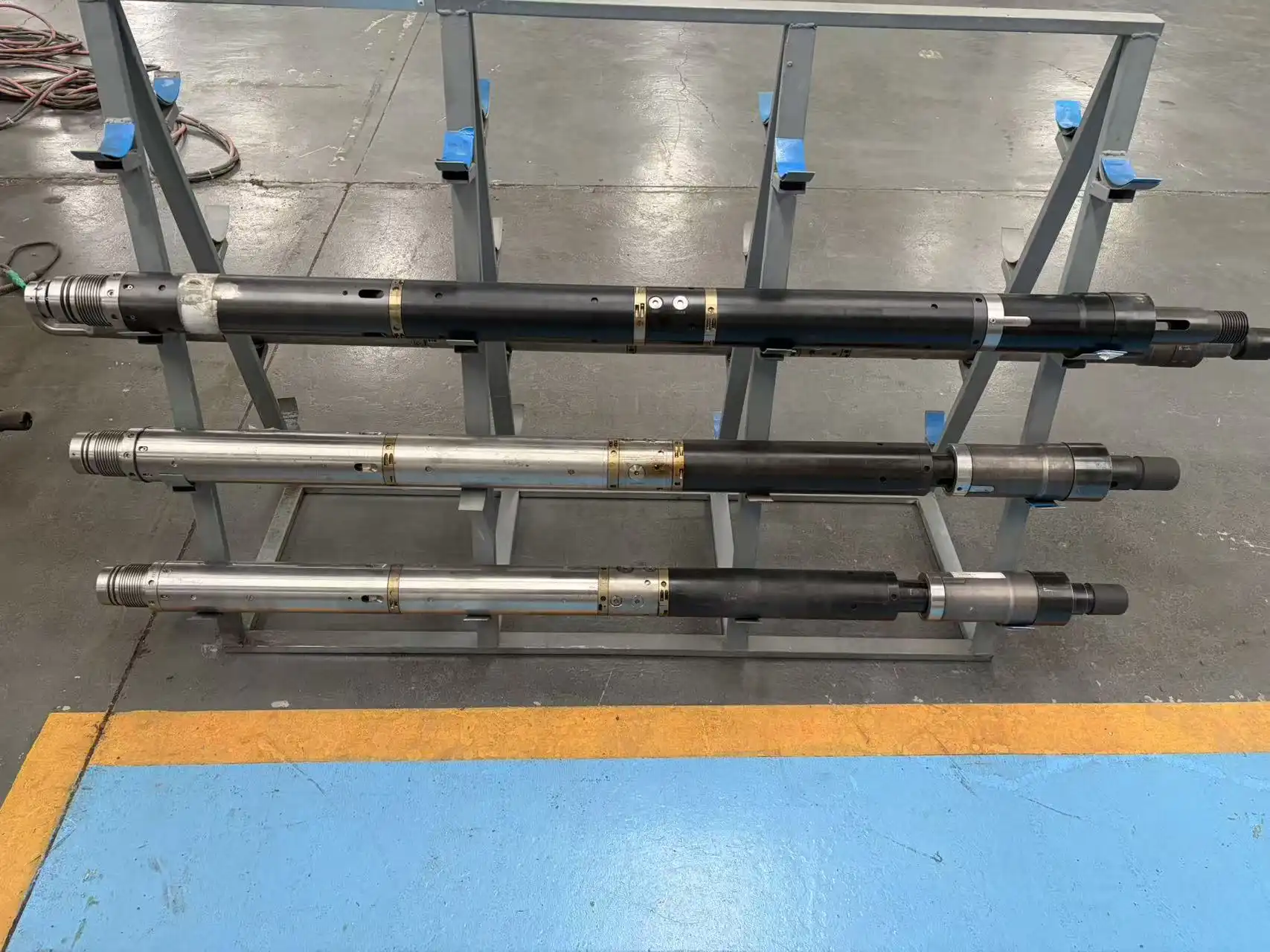
Understanding Bridge Plug Setting Tools: Basics and Benefits
What the Tool Actually Does
With a single downhole stroke, a bridge plug setting tool moves a plug to the desired depth and then turns it on. The tool presses the plug's slip assembly against the wall of the casing while also putting pressure on the elastomeric or dissolvable seal element. A preset release device takes the setting tool off once the plug is in place and sealed. This lets the string be retrieved. Because this function does both running and setting, operators can combine two separate trips into one, which greatly reduces the time that the wellhead is exposed.
Why Zonal Isolation Matters
In programs with more than one stage of fracturing, each stage depends on the integrity of the plug that came before it. A tool that short-stroked or lost hydraulic pressure can leave an unfinished set, which can let frac fluid move into an interval that is already full. According to technical literature from SPE, missing plug sets are one of the main reasons why plug-and-perf processes waste time. A properly rated setting tool that can handle differential pressures of more than 10,000 psi protects the separation of the frac stage and the return of production per lateral foot.
The Case for Dissolvable Materials
When used with a compatible setting tool and dissolvable bridge plugs, there is no need for a separate milling or retrieval run. Over a controlled period of time, magnesium alloy parts dissolve in produced water or brine. This time varies from hours to days, depending on the temperature and saltiness of the water. When using dissolvable completions, operators need a bridge plug setting tool with a mandrel shape and break mechanism that are designed to release the plug cleanly without damaging its dissolvable body while it is being used.
How to Choose the Right Bridge Plug Setting Tool: Criteria and Best Practices?
Match the Setting Mode to Your Conveyance
The first choice is which setting mode to use. Electrical or explosive activation is often used on wireline-deployed tools to speed up pump-down in horizontal laterals. For work with coiled tubes or joined pipes, hydraulic actuation is usually best, where surface pump pressure drives the piston stroke. In workover situations where simplicity is more important than speed, mechanical setting tools are still used. The depth accuracy, reliability of the actuation, and reset time between runs are all different for each mode. Before you look at other specs, make sure that the setting tool you're considering works with the delivery method that you already have.
Pressure, Temperature, and Material Specifications
It's important that your tool is rated for the wellbore environment, not just the plug's stress level. When looking at a bridge plug setting tool for HPHT uses, make sure it is made of a high-strength alloy steel, has tested seals that stay intact at temperatures downhole, and has a documented pressure rating with a safety factor. Under ISO 9001 systems, buying teams can fully track each batch. This includes Material Test Reports (MTRs) and hardness checks up to 18–22 HRC for sour service. This gives them the proof they need for internal approval.
Before you place your order, here are the main details you should check:
- Pressure rating: For normal frac plug operations, make sure the differential pressure capacity is more than 10,000 psi. Tools made for HPHT systems should have grades that are written down and temperature derating charts.
- Shear screw calibration: Batch-tested shear pins with confirmed shear values in lbf stop the screw from acting too soon during high-speed pump-down. Fluid passage holes in the body of the tool even out the hydrostatic pressure and add another layer of defense against pre-set activation.
- Seal inspection timeline: It shouldn't take more than a known, recorded amount of time to do a full repair after each run. This includes changing all the elastomeric seals, checking the piston surfaces for scoring, and re-greasing with high-temperature grease. When redress cycles are long, the number of runs per shift goes down.
These specification checks lower the risk of having to run the job again and protect the success rate of the first run.
Interface Compatibility and Adapter Options
A bridge plug setting tool is only useful if it can easily connect to your plug library. With cross-over kits and adapter sleeves, you can use one bridge plug setting tool on a variety of plug sizes. This means you don't have to keep as many tool strings on hand. Check the thread shapes, OD clearances, and dimensions of the release device against the designs of your plugs. You have more options when you buy from suppliers who offer engineering co-design or custom interface configurations than when you buy products from a catalog.
Comparing Bridge Plug Setting Tools: What to Evaluate in 2026Design and Setting Method Differentiation
There are tools on the market from big North American original equipment makers (OEMs), regional service providers, and manufacturers who are ready to sell. Large OEMs usually have well-documented performance records, but their prices are higher and their interface requirements are strict. Custom configurations may be able to be done faster by suppliers in the same area. Companies that are ready to export and have their own material control and precision machining can offer low lead times and full paperwork packages. Which one is best depends on how flexible your supply chain needs to be and how much you need to customize the interface.
Documentation and Traceability Standards
When looking for a supplier of bridge plug setting tools, procurement teams should ask: Records of non-destructive testing (MPI or LPI on all load-bearing threads), measurement inspection reports showing that the limits of the mandrels are within ±0.001 inches, hydrostatic pressure test results at 1.5 times the rated working pressure, and functional shear test data. If your supplier can give you these records at the batch level as well as the model level, you can use them for both internal qualification and operator approval processes. This way, you can be sure that the records are ready for an audit.
Lead Time and Backup Parts Availability
Equipment downtime because of a lost seal kit or a mandrel that is back-ordered is a cost that can be avoided. When comparing providers, make sure you get written promises about wait times. Standard configurations should ship in two to four weeks, and custom configurations should ship in four to eight weeks. Make sure the supplier has spare parts for wear in case something goes wrong. Active service companies would rather work with a bridge plug setting tool supplier that can answer a technical question within 24 hours and give a formal quote within 1–3 business days than one that takes weeks to respond to a simple RFQ.
 Procurement Guidance: Sourcing a Bridge Plug Setting Tool With Confidence
Choosing a Qualified Supplier
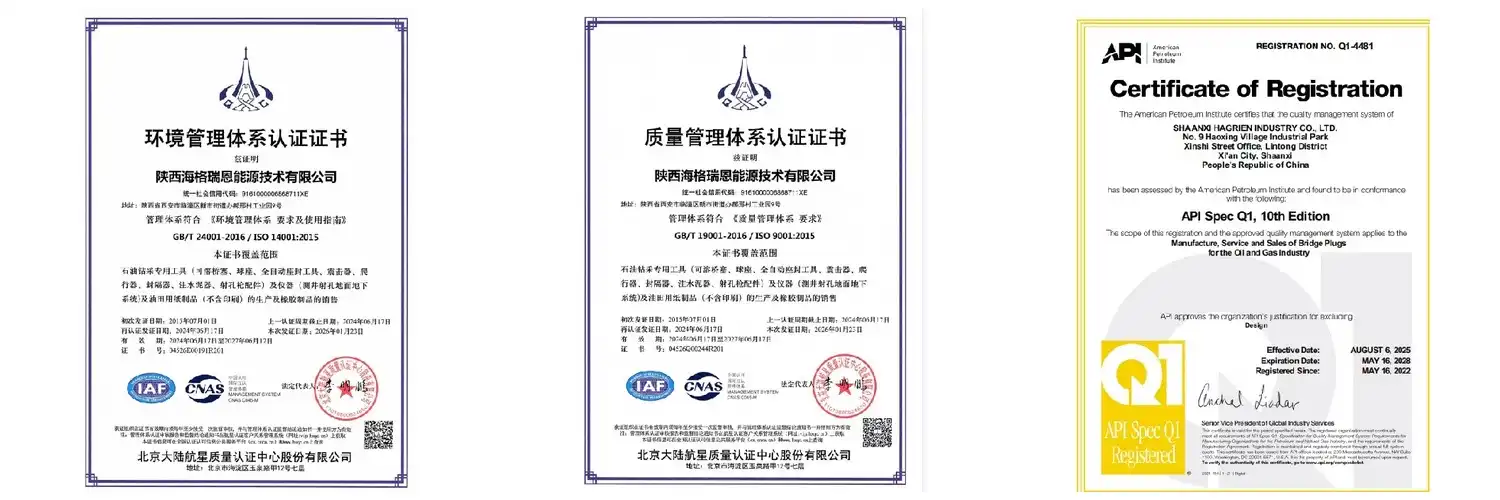
If you're looking for suppliers of downhole tool parts, make sure they have at least ISO 9001 certification. API recognition is even better. A high-temperature, high-pressure verification laboratory that is recognized by the CNAS adds to the trust that test results can be tracked and checked. When it comes to batch consistency, suppliers who do their own metallurgy control—from making the alloy to extrusion and precision machining—offer better results than those who get their raw materials from outside sources.
OEM and Private-Label Considerations
OEM clients who buy bridge plugs with setting tools need a supplier who can customize the interface, private label, and provide serialized traceability. Make sure the provider won't give the same configuration to a straight rival and that they offer small-batch prototyping without having strict minimum order amounts. Engineering co-design support, in which the supplier's technical team looks over your plug drawings and makes sure they fit before production, lowers the chance of expensive interface mismatches happening during production runs.
Understanding the Full Procurement Cycle
For service companies, the first time they qualify a bridge plug setting tool takes about three to six months. This includes a technical review, a sample trial, and a multi-well field test. After these tests, they either place an order or sign an annual supply agreement. Once interface drawings are approved and a small-batch testing goes well, OEM clients move faster—in two to five months. Early on in the project planning process, include these deadlines, and find out if the provider offers faster production for orders that are on the critical path.
Conclusion
It's not so much about picking a brand name as it is about making sure that the verified specifications match the conditions of your well, that the interface works with the plugs you already have, and that you choose a supplier that can keep quality high throughout the whole supply relationship. Documented pressure ratings, material records that can be tracked, and reasonable lead-time promises should be given the most weight. When these three things come together, the success rate on the first try goes up and the number of unplanned return trips goes down.
FAQ
1. What is the difference between hydraulic and pyrotechnic setting tools?
Hydraulic tools use fluid pressure, which can come from the ground or a nearby pump, to move the setting piston, which lets you control the stroke speed. Pyrotechnic tools use a powder charge to make fast gas pressure, which is best for wireline pump-down in horizontal laterals where speed is important. Each way works best for a different type of transport and depth.
2. What causes a short-stroke or incomplete set?
The most common reasons are debris in the hydraulic fluid, an internal seal bypass on the setting piston, or using the tool at temperatures higher than what it was designed to handle. Most early or incomplete sets can be avoided with batch-verified shear pins and clean hydraulic systems.
3. Can one setting tool work with multiple plug sizes?
Yes. Cross-over kits and adapter plates make it possible for a single bridge plug setting tool to work with plugs of different sizes. Make sure that the shape of the adapter keeps the load path that is needed and that the disconnect device works well in all of the configurations.
4. How often does a setting tool need full redress?
After each run. For redress, all rubber seals must be replaced, piston surfaces must be checked for cutting, and high-temperature grease must be reapplied. When suppliers post recorded refund times, it helps field teams make accurate shift schedules.
5. What documentation should I request from a supplier?
Ask for Material Test Reports, hardness certifications, NDT inspection records, hydrostatic test results at 1.5× rated pressure, and data from functional shear tests. For finishing programs that have been accepted by an operator, batch-level traceability is required, not just model-level.
Get a Quoted Bridge Plug Setting Tool From HAGRIEN
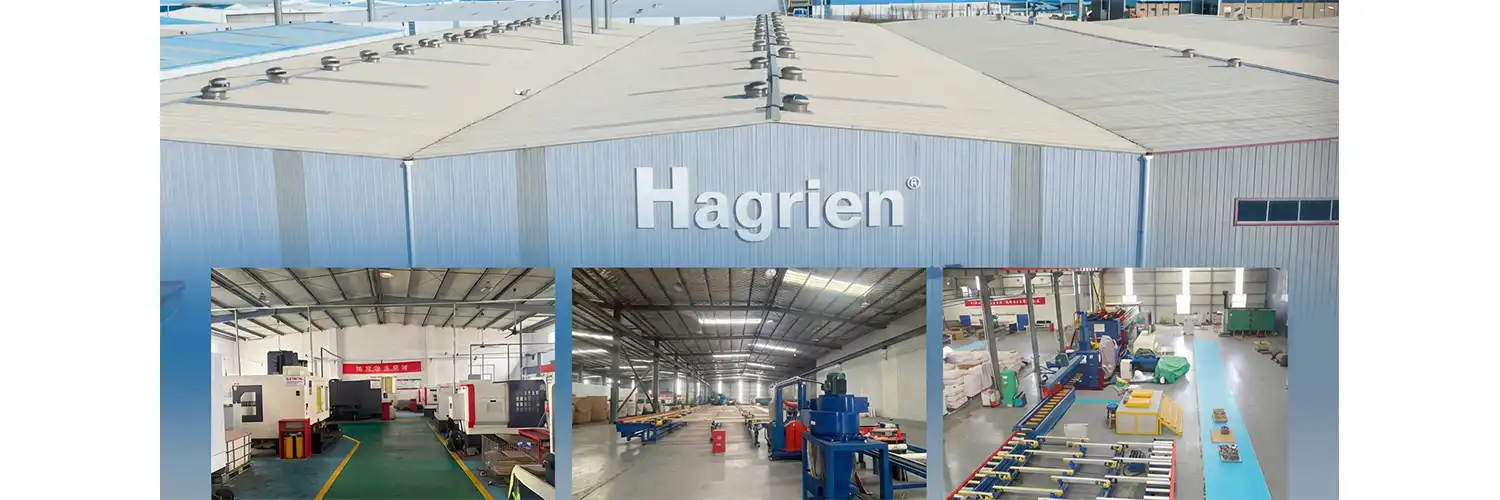
HAGRIEN designs and makes bridge plug running-and-setting tools. These tools are made of high-strength alloy steel and can handle pressures of up to 10,000 psi. They also work with multiple modes and can be fully tracked by ISO 9001. It takes 2 to 4 weeks to ship standard configurations, and 4 to 8 weeks to ship custom or OEM configurations. Since HAGRIEN is a qualified bridge plug setting tool manufacturer with API recognition and CNAS laboratory certification, they offer private labeling, co-designing interfaces, and documentation packages that are ready for operator qualification. You can email our team at cyrus@us-hagrien.com or go to us-hagrien.com to get a quote or a catalog of our products.
References
1. Society of Petroleum Engineers (SPE). Plug-and-Perforate Completion Design and Execution in Horizontal Wells. SPE Journal, 2021.
2. American Petroleum Institute (API). API 11D1: Packers and Bridge Plugs — Specification for Wellbore Mechanical Integrity Devices. API, 2015.
3. Economides, M. J., Hill, A. D., Ehlig-Economides, C., & Zhu, D. Petroleum Production Systems (2nd ed.). Prentice Hall, 2013.
4. Society of Petroleum Engineers (SPE). Non-Productive Time Reduction in Multi-Stage Fracturing Operations: Root Cause Analysis. SPE Production & Operations, 2020.
5. International Organization for Standardization. ISO 9001:2015 — Quality Management Systems: Requirements. ISO, 2015.
6. World Oil. Downhole Tool Materials and Dissolvable Completion Technology: Field Performance Review. World Oil Magazine, 2022.

USER EVALUATE
Here is the customer's evaluation of us