_1776908283214.jpg)




Frac Plug Setting Tool: Complete Step-by-Step Field Guide
A frac plug setting tool is a downhole conveyance device that converts hydraulic, electronic, or mechanical energy into controlled linear force to expand and lock frac plugs or bridge plugs inside the wellbore. In multi-stage hydraulic fracturing, reliable zonal isolation directly determines whether a stage produces or fails. Choosing the right frac plug setting tool—one with consistent force output, verified pressure ratings, and field-serviceable design—reduces re-run risk and keeps daily well counts on schedule. This guide walks through every phase of selection, deployment, and maintenance.
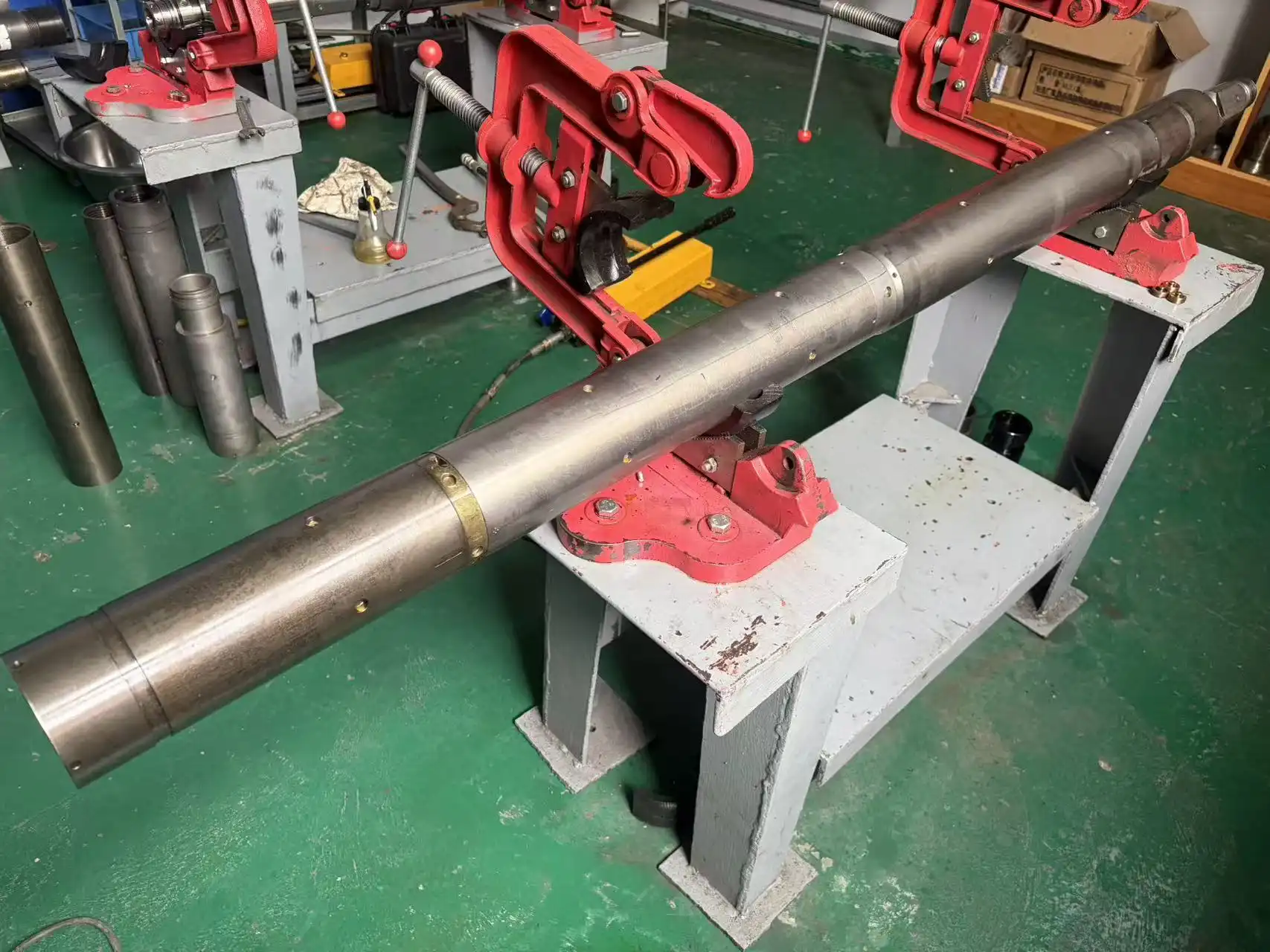
Understanding Frac Plug Setting Tools – Fundamentals and Key Features
Understanding what makes a well-designed frac plug setting tool different from a mediocre one is helpful before making a purchase.
What the Tool Actually Does?
A frac plug setting tool takes electrical, hydraulic, or pyrotechnic energy and turns it into an exact, timed stroke that pushes slips and closing elements against the wall of the casing. A single-pass set with a full mechanical lock, no leak paths, and no re-run is the goal. The mandrel, piston, shear pins, and release mechanism are all parts of the string that must work together in a certain order.
Materials and Pressure Ratings
The AISI 4140/4340 alloy steel used to make HAGRIEN frac plug setting tools gives them the tensile strength to handle setting loads of up to 60,000 lbf and keeps them from wearing out after many uses. Differential pressure values are higher than 10,000 psi, and temperature resistance goes up to 400°F. These are the conditions that apply to most unusual plays in North America and a lot of HPHT wells in the Middle East. Material specifications that are in line with NACE MR0175 stop sulfide stress cracking in sour service environments. This is a silent failure mode that takes tools without any visible signs.
Configuration Options for Every Well Program
HAGRIEN offers five different types of setting tools: mechanical, electric-hydraulic, electronic, pyrotechnic, and field-adjustable. The field-adjustable version lets crews change shear values and pressure thresholds at the wellsite without having to send the tool back to be re-calibrated. This solves the problem of getting to the site only to find that the plug spec has changed overnight.
Step-by-Step Procedure for Using a Frac Plug Setting Tool in the Field
First-run success that lasts starts long before the wiring truck arrives on site.
Pre-Job Inspection and Safety Checks
Before each run, check the O-ring holes, thread links, and setting tool mandrel. If the last run put the tool in wellbore fluid with a pH below 5 or temps above the recommended limits, you should replace the elastomers. Check the number of shear pins and the shear value against the setting force requirement set by the plug maker. If the job needs a non-pyrotechnic tool, check the level of charge in the battery and make sure the electronics are still working. On the pre-job sheet, write down all of the numbers. This will protect both the operator and the service company if there is a disagreement.
Running and Setting the Plug
Lower the completed frac plug setting tool string at a controlled speed through the deviated section while keeping an eye on the weight indicator for any drag signs that could mean there is a tight spot. At the target depth, follow the tool's instructions for setting up. For electric-hydraulic tools, this means sending the firing command, making sure the stroke is shown on the surface readout, and then waiting for the shear-out signal. Before you fire, check the depth correlation with the gamma-ray or the casing collar locator. Even a small difference of a few feet in a 30 foot cluster spacing changes the frac geometry.
Post-Setting Verification and Tool Retrieval
Once the setting sequence is over, use upward jar or overpull to make sure the tool is no longer stuck in the plug. Write down the highest setting force (it should be between 60,000 and 120,000 lbf) and any changes in the stroke distance. Bring the frac plug setting tool to the top, write down the time that the wellbore fluid touched the plug, and then start the redress process. It is recommended to completely disassemble, replace the seals, and check the threads every five to eight runs, depending on how acidic the fluid is and how much it is exposed to heat.
Choosing the Right Frac Plug Setting Tool for Your Needs
Buying wireline fixing tools has real practical effects on the business. Before you sign a buy order, you should think about these main technical and business factors.
- Setting force range and real-time feedback: Look for tools that deliver a verifiable force window—60,000 to 120,000 lbf covers most composite and metal-to-metal plug designs. Electronic tools with surface readout eliminate guesswork and provide the audit trail that operators increasingly require.
- Interface compatibility: Standard E-4 and compact connectors allow the setting tool to mate with most plug OEM designs without custom adapters. Confirm thread specification against your existing gun string before ordering.
- Field serviceability: Seal kits that a two-person crew can swap in under three hours keep non-productive time low. HAGRIEN's modular design is built around this principle—replacement seal groups are stocked and ship within standard lead times.
- NACE compliance documentation: For any well with H₂S above trace levels, request written material certification referencing NACE MR0175. A verbal assurance is not sufficient for most operator approval processes.
- Spare parts lead time: Battery-operated and electric-hydraulic tools share electronic subassemblies that can have long replacement cycles from some suppliers. Confirm that critical wear parts—pistons, seals, firing heads—are available within two to four weeks.
Most of the time, wireline crews miss a day because of a force mismatch, a connection that doesn't work, or a seal kit that takes three weeks to come. These factors directly address these problems. It's much cheaper to deal with them during the procurement stage than at the wells.
Common Challenges and Best Practices in Frac Plug Setting Operations
Even if you have a well-defined tool, the field conditions add factors that mean you need to be ready.
Root Causes of Setting Failures
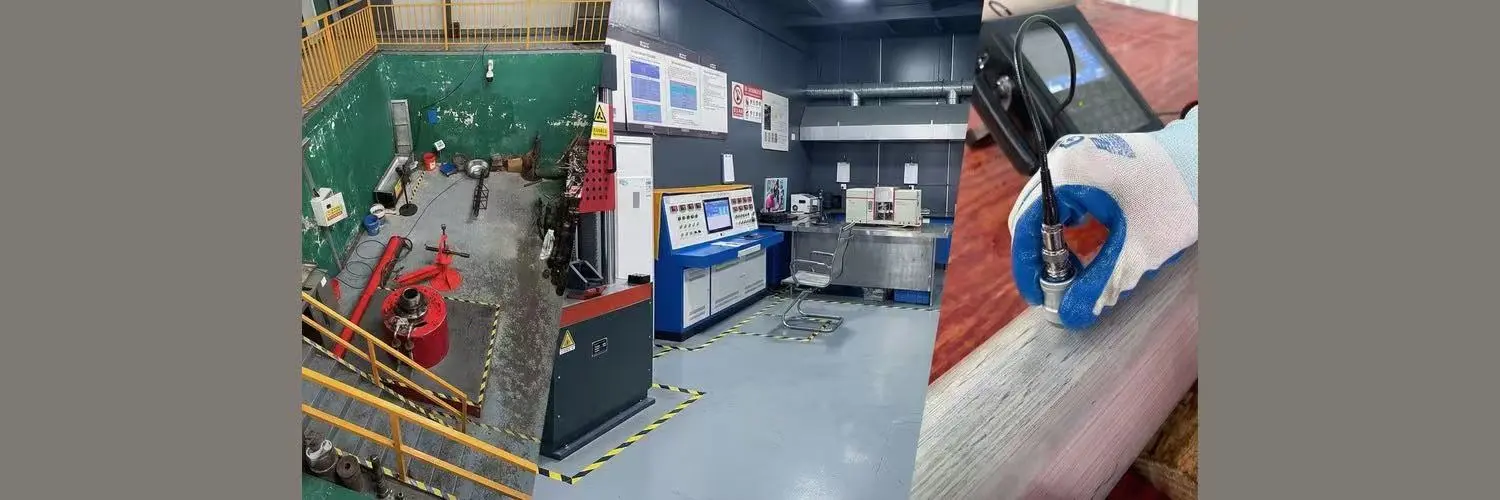
Most plug setting problems are caused by one of three things: a worn piston seal that doesn't give enough stroke, dirt in the setting sleeve that stops full expansion, or a shear pin value that isn't right for the plug's setting force. Each time the pressure tank is redressed, it is inspected with magnetic particles and tested with ultrasound to find underlying wear and tear before it causes a downhole failure.
Preventive Maintenance and Training
A written maintenance schedule—full redress every five to eight runs, or every run in acidic environments—dramatically lowers the number of failures. SPE paper data from plug-and-perf campaigns in the Permian Basin consistently shows that service companies with written redress protocols do better than those that rely only on technician judgment. When technicians are taught to read and record surface force data on every run, a dataset is created that can find tool performance drift before it leads to a miss.
Emerging Trends Worth Tracking
There are battery-powered electronic setting tools taking the place of pyrotechnic systems on more and more rigs where hazmat logistics add cost and schedule risk. The change gets rid of the need to store explosives, makes it easier to get shipping permits, and gives the operations manager real-time proof of force at the surface. All three of these effects directly lead to more runs per day. The electrical and electric-hydraulic lines from HAGRIEN were made with this change in mind.
Conclusion
A frac plug setting tool is only as good as the engineering that went into making it and the people who take care of it. The practical steps that separate a successful campaign from an expensive re-run are matching the setting force to the plug specification, making sure that NACE compliance for sour service is met, making sure that the interfaces work with each other, and keeping seal kits on hand. HAGRIEN makes frac plug setting tools in five different styles: mechanical, electric-hydraulic, electronic, explosive, and field-adjustable. They are made from AISI 4140/4340 alloy steel, which can withstand temperatures up to 400°F and differential pressures above 10,000 psi. Each tool comes with quality documents that can be tracked. For full technical details, go to us-hagrien.com.
FAQ
1. What causes a frac plug setting tool to fail to release?
Release failures are usually caused by not enough stroke delivery because of a leaking seal or too much dirt in the setting sleeve.
2. Can this tool be used in H₂S sour gas service?
Yes, as long as the tool is made from materials that meet NACE MR0175 standards to avoid sulfide stress cracking. Always ask for proof of writing materials.
3. How do hydraulic setting tools compare to pyrotechnic tools?
Electronic and hydraulic tools move as non-hazmat freight, which means they don't have to be handled with explosives. In some high-load situations, pyrotechnic tools are better because they are smaller.
4. What is the recommended redress interval?
Every five to eight runs, depending on how acidic the wellbore fluid is and how hot it is, the whole system should be taken apart and a new seal should be put on.
5. What is the typical lead time for spare parts?
HAGRIEN aims for two to four weeks for standard seal kits and wear parts. Get in touch with cyrus@us-hagrien.com to make sure that the tool setup you need is available.
Partner with HAGRIEN for Your Next Frac Plug Setting Tool Order
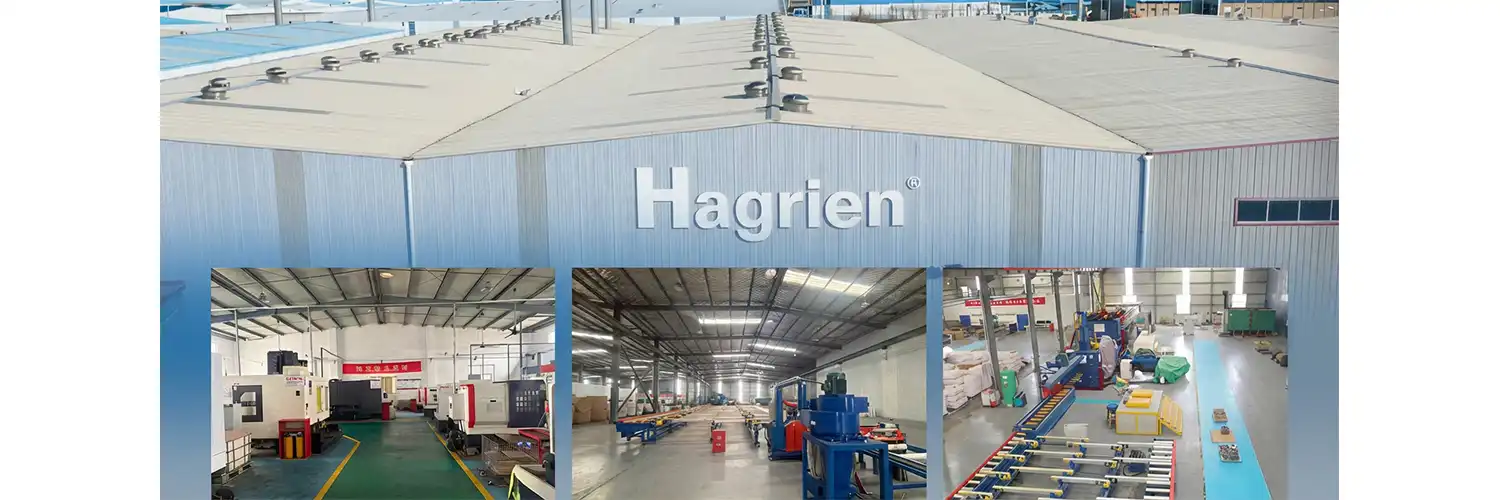
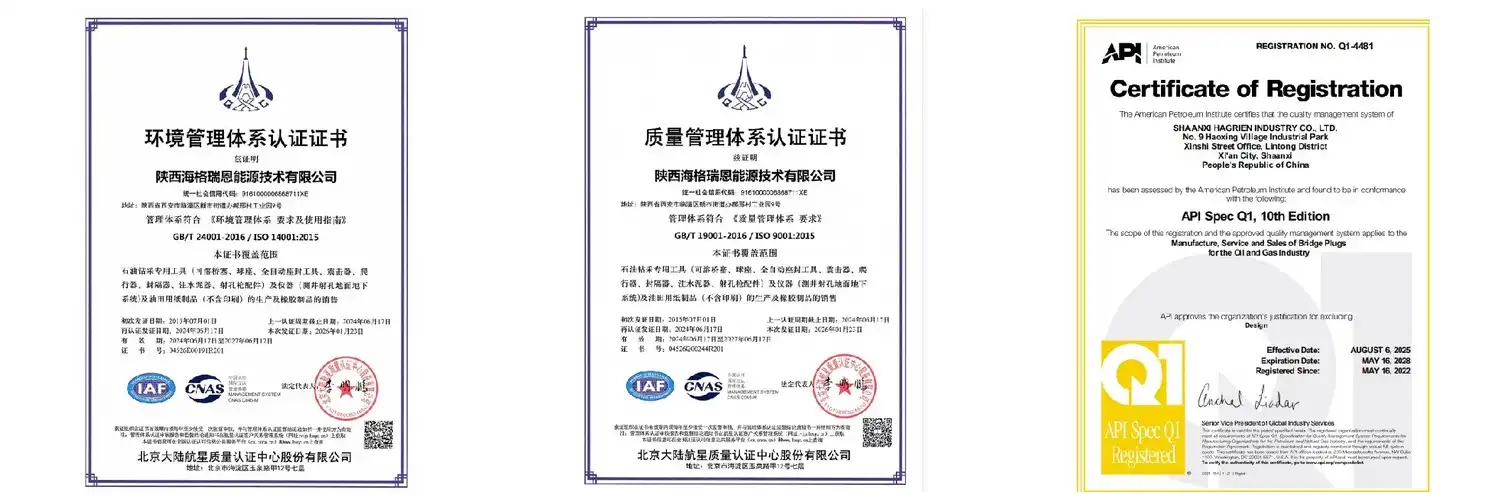
HAGRIEN makes frac plug setting tools and has a CNAS-accredited laboratory, as well as ISO 9001/14001/45001 certification. Our tools come in mechanical, electric-hydraulic, electronic, and field-adjustable styles. They are all made from certified AISI 4140/4340 steel and can be tracked back to the exact batch they were made in. As a verified supplier of frac plug setting tools with coordination based in the U.S., we can offer stable lead times and full COA/COC paperwork. To get specifications or a quote, email our engineering team at cyrus@us-hagrien.com or go to us-hagrien.com.
References
1. Society of Petroleum Engineers. SPE-199731-MS: Advances in Plug-and-Perf Completion Technology for Unconventional Wells. SPE, 2020.
2. American Petroleum Institute. API 11D1: Packers and Bridge Plugs. API Publishing Services, 2015.
3. NACE International. NACE MR0175/ISO 15156: Materials for Use in H₂S-Containing Environments in Oil and Gas Production. NACE International, 2015.
4. Economides, M. J., & Nolte, K. G. Reservoir Stimulation, 3rd ed. Wiley, 2000.
5. Bern, P. A., et al. "Downhole Tool Reliability in HPHT Environments." Journal of Petroleum Technology, SPE, 2018.
6. ISO. ISO 14310: Petroleum and Natural Gas Industries – Downhole Equipment – Packers and Bridge Plugs. ISO, 2008.

USER EVALUATE
Here is the customer's evaluation of us