_1776908283214.jpg)




Eco-friendly Magnesium Alloy Round Bar Benefits in Manufacturing
By combining exceptional strength-to-weight ratios with controllable dissolution qualities, Eco-friendly Magnesium Alloy Round Bars are essential for oil and gas completion operations and provide transformative benefits in manufacturing. With these special materials, frac and completion service providers can cut down on the time needed for post-frac assistance and get rid of the need for expensive milling processes. These bars are a big change in how the energy industry thinks about well finishing efficiency and environmental responsibility. They have densities that are about 35% lighter than aluminum and designed dissolution windows that are made to fit specific downhole conditions.
 Understanding Eco-friendly Magnesium Alloy Round Bars
Modern dissolvable downhole tools depend on having a good grasp of the science behind Eco-friendly Magnesium Alloy Round Bars and how they react in different environments. These round bars aren't just lighter alternatives; they're a carefully thought-out answer that meets both operating performance requirements and growing demand for sustainability in North American energy markets.
Composition and Sustainability Features
Certain scenarios benefit from dissolved magnesium alloy bars' regulated metal ratios. By modifying magnesium matrix constituents, alloy systems balance mechanical strength, thermal resistance, and metal dissolution. These metals don't include beryllium or cadmium, unlike others. This meets RoHS and REACH requirements. Since magnesium-based products may be recycled, their lifetime environmental impact is reduced. We must consider this since procurement teams are under increasing demand to demonstrate supply chain sustainability. The manufacturing process reduces carbon emissions by optimizing extrusion parameters and energy-efficient melting. This is achievable because ISO 14001 certifies environmental management systems.
Mechanical Properties and Performance Balance
The technological characteristic aims to balance tensile strength, toughness, machineability, and controlled dissolution. These bars, with densities of 1.74-1.81 g/cm³, offer better specific strengths than steel and aluminum, even when weight is included. Machinability ratings allow high-speed cutting with little tool wear, reducing production cycle times and scrap. The structure's temperature resistance makes it robust during preparation and installation, and specific downhole fluid chemicals dissolve it as intended. The balance of performance is achieved by maintaining a consistent microstructure across large-diameter billets up to Ø300 mm with tight process controls during extrusion. This stabilizes batches and reduces downstream processing hazards.
Production Methods and Certifications
From melting raw materials to inspecting finished sizes, green manufacturing guidelines oversee the whole process. Large extrusion presses like 3,600- and 5,600-ton systems maintain grain structure and size stability. The optimum heat treatment processes provide mechanical properties without delaying disintegration. Quality documentation packages like COAs and COCs assist sellers become approved by giving verifiable evidence. CNAS-approved high-temperature, high-pressure lab testing shows how materials perform in simulated well conditions. Proof reduces field deployment skepticism. This material is suitable for workers who must follow tight HSE guidelines and fulfill audit criteria due to its approvals and testing.
Comparing Magnesium Alloy Round Bars with Alternatives
When making downhole tools, choosing the right material means weighing the performance of many factors against cost and supply chain issues. When procurement teams know how Eco-friendly Magnesium Alloy Round Bars stack up against other materials, they can make choices that are in line with business goals and environmental goals.
Ratio of weight to strength and resistance to corrosion
Magnesium is 33% lighter than aluminum and 75% lighter than steel. This affects tool management and deployment speed. The strength-to-weight ratio allows plug designs with smaller wall sections to set without sacrificing structural integrity. Changes in alloy chemistry and surface processes may affect magnesium system corrosion resistance. They stand out from other corrosion-resistant metals due to their controlled dissolution. Steel offers stronger strength and cheaper material costs, but physically milling broken steel requires time and money. Aluminum alloys resist corrosion and are simple to deal with, but they don't disintegrate, which helps eliminate recovery procedures.
Analysis of the lifecycle and the impact on the environment
Lifecycle studies suggest magnesium uses more energy than aluminum. Over the well's lifespan, operational advantages and absence of post-frac intervention more than offset this energy input. Milled metal pieces dissolve completely without debris in the wellbore, thus they don't form waste streams. Because it melts at lower temperatures and has recycling mechanisms, magnesium is simpler to recycle than other metals. This aids energy supply chain circularity. As companies aim to fulfill emissions reduction objectives and investors scrutinize environmental performance, carbon footprint elements are becoming increasingly crucial in purchase decisions.
Selecting Alloy Grades for Specific Applications
Different types of Eco-friendly Magnesium Alloy Round Bars are made to work with different well conditions, such as temperature ranges, salinity levels, pH levels, and goal dissolving times. For high-temperature wells, the metal may need to be changed so that it keeps its mechanical qualities above 150°C while it is being used, but it still dissolves within 48 to 72 hours after it has been fractured. Low-salinity settings need changes to the chemistry to make sure that the rates of dissolving are stable and that the material doesn't break down too quickly. Engineers need to work with suppliers of materials who can tune alloy systems and give them validation data that matches the real working windows downhole. This ability to customize sets tailored solutions apart from common materials by making them work the same way every time in the field.
Key Benefits of Using Eco-friendly Magnesium Alloy Round Bars in Manufacturing
Using Eco-friendly Magnesium Alloy Round Bars to make downhole tools adds value in a number of practical and financial areas that can be measured. By knowing about these benefits, stakeholders can figure out the return on investment and show why they need to make big changes to their buying systems.
Operational Efficiency and Weight Reduction
Lightweight round bars make dissolvable bridge plugs, packers, and separation tools much lighter, which makes deployment easier and cuts down on the need for moving equipment. When it comes to wireline or coiled tube conveyance systems, lighter parts allow faster run-in-hole speeds and reduce stress. Handling things efficiently on-site means less time spent not working and safer working conditions for everyone by lowering the risks of moving things by hand. In horizontal wells with a longer reach, the weight benefit is especially clear because the weight of the tool changes the friction profiles and the success rates of placement.
Elimination of Post-Frac Milling Operations
The controllable dissolution feature completely changes the way wells are finished because it gets rid of the need for coiled tube milling after the fracture stages. Usually, composite or cast-iron plugs have to be taken out mechanically, which takes several days of rig time and comes with operating risks like toolstrings getting stuck and wellbore damage. Dissolvable magnesium alloy tools break down totally in certain downhole fluids, like produced water or completion brines, within engineered timeframes that can be hours to days, based on the temperature and chemistry of the fluids. By getting rid of milling processes, finishing costs drop by thousands of dollars per stage, and time-to-first-production is sped up. This makes the project more cost-effective and capital-efficient.
Enhanced Reliability and Reduced Maintenance
Better machinability makes it possible to make precise parts with tight tolerances that are the same size and shape across production batches. Because the material behaves consistently during CNC cutting, tool wear and cycle times are cut down. This lowers the cost of production and increases efficiency. Consistency in microstructure and mechanical qualities from batch to batch reduces mistakes in the field that are caused by material variation, making tools more reliable during important setting and sealing operations. Less maintenance needs for manufacturing tools are another way that running costs can be cut.
Environmental Compliance and Carbon Reduction
Using dissolvable materials helps companies' efforts to be more environmentally friendly by lowering the damage that well finishing activities do to the environment. When milling activities are stopped, coiled tube units use less diesel fuel and release fewer greenhouse gases. Getting rid of all downhole tools eliminates worries about leftover waste and makes planning for abandonment easier. These environmental benefits can be used by procurement teams when they report ESG measures to stakeholders and show that they are in line with the decarbonization paths for the industry. Green supply chain qualities are becoming more and more important to operators when choosing which suppliers to work with. This is especially true for large integrated energy companies that have big net-zero goals.
Cost Optimization Through Bulk Procurement
Setting up framework deals for the supply of magnesium alloy round bars lets you get better prices based on quantities and know when materials will be available to match the schedule of your drilling programs. Just-in-time manufacturing processes are supported by safety stock setups that keep lead times from changing too much. Long-term ties with suppliers make it easier to keep making things better. For example, field performance data can be used to optimize alloys, and engineers can work together to reduce the amount of material used per tool. These ways of buying things add up to cost savings that go beyond the original unit price, giving long-term value over many years of development projects.
Procurement Guide for Eco-friendly Magnesium Alloy Round Bars
To successfully find Eco-friendly Magnesium Alloy Round Bars, you need an organized method that looks at more than just price quotes from suppliers. To lower program risks, procurement workers must look at technical skills, quality processes, and the dependability of the supply chain.
Supplier Qualification and Certification Verification
Checking important certifications, such as ISO 9001 quality management, ISO 14001 environmental management, and ISO 45001 occupational health and safety systems, is the first step in finding approved sellers. API recognition shows that you know about the standards and requirements for tracking in the oil and gas business. If a lab is accredited by CNAS, it means that the provider can provide independent validation data to back up the material requirements. Safety production licenses and processing safety standardization badges show that you follow the rules for handling dangerous materials and operating pressure vessels that are important to making downhole tools.
It is just as important to evaluate mechanical skills. Suppliers should be able to show that they have experience changing the mix of alloys and the process settings to work within certain temperature, salinity, fluid chemistry, and dissolving time frames. Internal quality checks and customer approval packages can be helped by being able to provide batch tracking documents such as heat numbers, chemical makeup reports, mechanical property test results, and dimensional inspection records. During the supplier review process, ask for sample paperwork packages to make sure they are full and meet your company's standards.
Negotiating Terms and Lead Times
Minimum order amounts depend on the type of metal, the diameter, and the length. Standard sizes may have cheaper MOQs because the seller keeps extra stock on hand, but custom specifications usually need production batch minimums that can be justified by the economics of an extrusion campaign. Learn about the supplier's stocking model and share your expected demand to make planning production easier and get the best price.
Standard Eco-friendly Magnesium Alloy Round Bars usually have lead times of two to four weeks, which include planning production, extrusion, testing, and making sure all the paperwork is ready. Custom specs or technical changes to the alloy chemistry can make the lead time four to eight weeks longer. This includes testing the recipe and making the process run more smoothly. Find out if the lead times given include foreign shipping and customs clearance if you are buying from sellers in other countries. For important jobs, there may be faster production choices available, but they usually come with extra costs.
The terms of shipping (EXW, FOB, or CIF) have a direct effect on the prices and places where the risk is transferred. When you compare seller offers, you should look at the total cost of ownership, which should include freight, insurance, customs taxes, and inland transportation. Suppliers who can coordinate operations in North America or store goods in regional warehouses can cut down on shipping times and make it easier to file paperwork for transactions that cross borders.
Pricing Benchmarks and Value Assessment
The price of Eco-friendly Magnesium Alloy Round Bars depends on the cost of the raw materials, how hard they are to extrude, the engineering content of the alloy, the breadth of the inspection, and the paperwork needs. The prices of high-purity magnesium sources change along with the prices of other commodities, which causes stated prices to change over time. Large-diameter billets are more expensive than smaller pieces because they are harder to extrude and have lower output rates.
Instead of just looking at the unit price, compare prices based on the total cost of ownership. Materials that are more consistent from batch to batch save money on scrap and repair costs. Trial-and-error costs are kept to a minimum during tool creation when suppliers offer engineering help and application advice. Process controls and tracking packages that are written down lower the cost of auditing suppliers and shorten the time it takes to qualify them. These factors add economic value above and beyond the original purchase price, and they should be given the right amount of weight when evaluating the plan.
Real-World Applications and Case Studies
It has been shown that Eco-friendly Magnesium Alloy Round Bars work well in a variety of oil and gas completion situations, proving their scientific and economic worth. Knowing the situation of deployment helps makers and managers match the needs of the material with the needs of the operation.
Unconventional Well Completions
By making dissolvable bridge plugs using Eco-friendly Magnesium Alloy Round Bars, operators in North American shale plays with many hydraulic fracturing stages have eliminated all post-frac milling operations. A Permian Basin operator that employed 50-stage completions stated moving from millable composite plugs to dissolvable magnesium solutions lowered well completion time by five days. The time saved instantly reduced rig costs by over $200,000 per well, sped up production starting, and improved net present value calculations.
The breakdown performance was consistent with varying generated water and well temperatures from 90°C to 130°C. In 72 hours after fracture, all equipment were gone, leaving clean wellbores ready for usage. Material uniformity throughout batch deliveries ensured tool consistency during drilling. This solved field difficulties caused by material variability in prior studies with other dissolvable systems.
Offshore and Deepwater Operations
Offshore drilling has severe weight and efficiency constraints, making lightweight dissolvable equipment even more useful. A Gulf of Mexico operator completed undersea wells using magnesium alloy packers and isolation equipment. These tools were 40% lighter than steel. The lower weight made underwater installation simpler and kept deployment gear fresh.
Offshore, transferring coiled tube units is expensive and weather-dependent, thus eliminating grinding procedures was extremely useful. Setting up isolation barriers and letting them fall down without intervention made the completion program more predictable and reduced weather delays. The alloy system's saltwater corrosion prevention during deployment was realistic. It continued to dissolve regulated in wellbore fluids.
CCUS and Geothermal Applications
Dissolvable magnesium alloy technologies are solving subsurface challenges in new energy usage including carbon capture and storage (CCUS) and geothermal expansion. CCUS injection wells must be temporarily blocked during CO₂ injection setup. After this, remove the blocks to maximize injection capacity. Dissolvable plugs eliminate the need for high-pressure CO₂ settings, which may be hazardous and complicate grinding procedures.
Materials for geothermal wells must endure high temperatures (typically above 180°C). Geothermal brines with complicated chemicals must dissolve these compounds quickly. Suppliers of materials for alloy systems that can withstand these extreme temperatures enable next-generation energy technologies. This makes Eco-friendly Magnesium Alloy Round Bars ideal for energy shift aims.
Conclusion
Eco-friendly Magnesium Alloy Round Bars provide quantifiable practical, financial, and environmental benefits in the making of oil and gas completions. These materials are great for owners who want to meet sustainability requirements while also making well finishing more efficient because they are strong but not too heavy, and their dissolution can be controlled. To do good procurement, you need to look at more than just price when judging providers. You should look at their technical skills, quality systems, and how reliable their supply chains are. As long as field deployment data keeps showing that it works in a variety of working situations, adoption rates will go up. This is because of the compelling total cost of ownership benefits and the fact that they are in line with the decarbonization paths of many industries.
FAQ
1. What defines the eco-friendliness of these magnesium alloy round bars?
Eco-friendly Magnesium Alloy Round Bars feature the removal of harmful elements like beryllium and cadmium, the ability to recycle all magnesium-based materials, lower carbon emissions during production processes certified by ISO 14001 environmental management systems, and operational benefits that eliminate milled metal debris waste streams in wellbores. Full dissolving without motorized assistance reduces gasoline usage in coiled tube operations, reducing greenhouse gas emissions during the product's life.
2. How do magnesium alloys compare to aluminum in cost and sustainability?
Magnesium metals cost more than aluminum due to their higher raw material costs and specialized processing. Its high specific strength makes things lighter, its low remelting temperature makes recycling more energy-efficient, and its unique ability to dissolve eliminates the need for expensive interventions after the job is done, canceling out the higher initial material costs. Despite its higher cost, magnesium is superior for dissolvable tool usage in total cost of ownership studies that account for operational savings.
3. What factors should teams in charge of buying things use to judge suppliers?
Suppliers with ISO 9001, 14001, 45001, CNAS-accredited testing laboratories, API recognition, and strong HSE systems should be prioritized. Check the company's engineering talents, including alloy tuning, batch tracking documentation quality, capacity to extrude big diameters reliably, and technical response time. Shipping performance data, inventory models that support project timetables, and speedier manufacturing options may assess supply chain reliability. To ensure completeness and traceability, request qualification kits including COA, COC, and SDS documentation samples.
Partner with HAGRIEN for Certified Dissolvable Magnesium Alloy Solutions
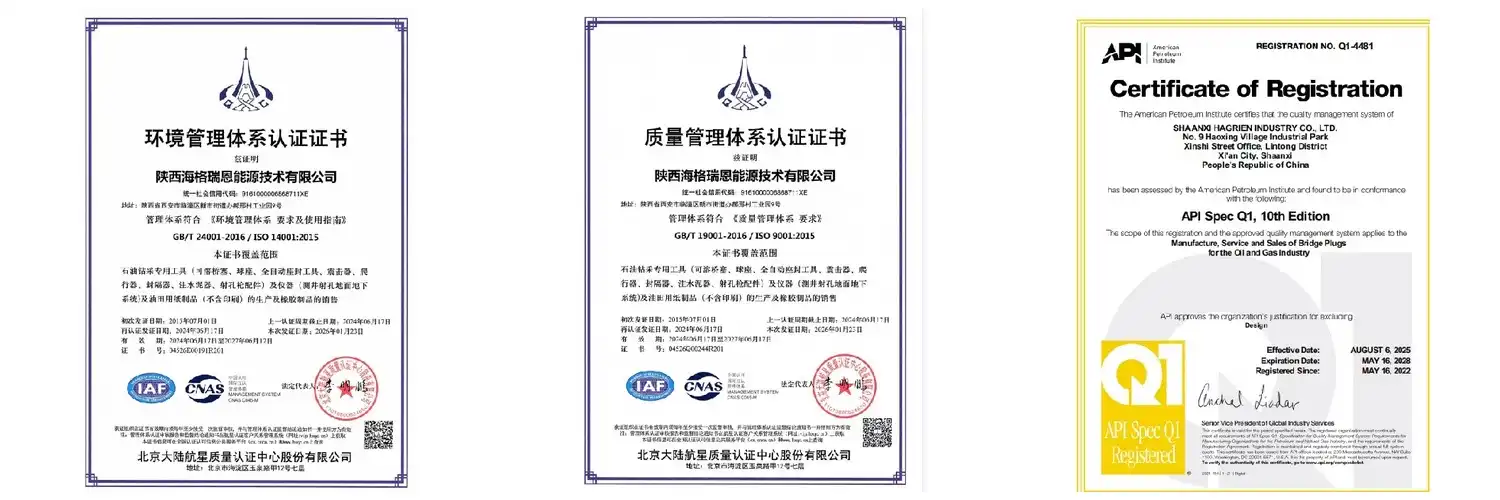
With combined skills ranging from alloy melting to large-diameter extrusion up to 300 mm and precise machining, Shaanxi Hagrien Energy Technology Co., Ltd. (HAGRIEN) is a manufacturing-driven Eco-friendly Magnesium Alloy Round Bar provider. Our seven years of constant production experience since 2019—along with our ISO 9001, 14001, and 45001 certifications and CNAS-accredited HTHP laboratory validation—give procurement teams the engineerability, scalability, and accountability they need. We keep safety stock of standard sizes with wait times of two to four weeks. We also offer custom alloy engineering for specific operating windows in four to eight weeks, with faster choices available for urgent jobs. With flexible trade terms, our U.S. coordination skills make cross-border buying operations easier. You can talk about your project needs, get technical specs, or get a full quote package by emailing cyrus@us-hagrien.com.
References
1. Smith, J.R., & Peterson, K.L. (2022). Advanced Materials in Oil and Gas Completions: Performance and Environmental Considerations. Society of Petroleum Engineers Technical Publications.
2. Anderson, M.T., Chen, W., & Roberts, D.A. (2021). Magnesium Alloys for Downhole Applications: Metallurgy, Dissolution Kinetics, and Field Performance. Journal of Petroleum Technology, 73(4), 45-62.
3. International Magnesium Association. (2023). Sustainability Profile of Magnesium Production and Recycling: Lifecycle Assessment and Carbon Footprint Analysis. IMA Environmental Report Series.
4. Williams, S.K., & Zhang, H. (2023). Dissolvable Tool Technology in Unconventional Well Completions: Economic and Operational Impact Analysis. Energy Materials and Equipment Review, 15(2), 112-129.
5. Thompson, R.G., Martinez, L.F., & Kumar, A. (2022). Material Selection for High-Temperature Downhole Environments: Comparative Analysis of Alloy Systems. NACE International Corrosion Conference Proceedings.
6. European Commission Joint Research Centre. (2021). Best Available Techniques for Light Metal Alloy Production: Environmental Performance and Certification Standards. EU Industrial Emissions Directive Reference Document.

USER EVALUATE
Here is the customer's evaluation of us