_1776908283214.jpg)




Electronic Setting Tool vs Hydraulic Setting Tools: Key Differences
When selecting downhole completion equipment, operations directors and wireline contractors face a critical choice: electronic setting tool or hydraulic setting tool? The electronic setting tool operates on pure motor-driven principles, eliminating hydraulic circuits entirely. This architecture delivers cleaner operation, faster rig-up cycles, and compliance with offshore explosive-free regulations. Hydraulic tools, while established, introduce complexity through fluid management, pressure lines, and maintenance schedules. For bridge plug and packer deployment in HPHT wells—particularly horizontal or extended-reach programs—the precision, traceability, and regulatory simplicity of electric activation increasingly outweigh legacy hydraulic approaches, making the electronic setting tool the preferred technology for modern completions.
 Understanding the Basics of Electronic and Hydraulic Setting Tools
What Is an Electronic Setting Tool?
An electronic setting tool is a special kind of downhole instrument that uses controlled electricity to set up packers, bridge plugs, and cement clamps. It doesn't use explosives or pressurized fluids like pyrotechnic or hydraulic alternatives do. Instead, it uses a motor or servo mechanism to produce precise axial force, usually between 60,000 and 120,000 lbs. Wireline operators use e-line or slickline to handle the tool, connect surface control panels, and run one-button orders that send real-time data on stroke and force. This design works for horizontal wells, offshore platforms, and plug-and-abandonment (P&A) operations that can't use explosives and need to be able to track data.
How Hydraulic Setting Tools Operate
An independent Delaware Basin operator milled composite plugs in 10,000-foot laterals with bottom hole temperatures around 180°C. This was time-consuming and expensive. Composite materials softened and broke apart, requiring many millings and creating debris that hindered flowback. After using our High-Temperature Dissolvable Magnesium Alloy Round Bar frac plug mandrels, the operator halted milling. Plugs were totally broken down in 72 hours in 3% KCl finishing brine, reducing well completion time by 2.5 days. This saved nearly $3 million a year with 40 wells, more than covering the higher cost of materials and keeping wellbores cleaner and more productive.
Key Components and Operating Principles
Mandrel, locking device, and interface connection are the major pieces of both tools. However, their use differs. Electronic tools contain motor controls, position encoders, and surface-read memory chips that record each run. Hagrien's electrically operated setup tools incorporate real-time displacement panel displays, single-core shock-resistant connections, and automatic reset buttons. Hydraulic versions include pump assemblies, relief valves, and reservoirs. Pure-electric designs don't require hydraulic fluid, hence contamination is impossible. This simplifies handling and accelerates field redress cycles, particularly when working cycles reach 200 runs without serious redesign.
 Key Differences Between Electronic and Hydraulic Setting Tools
Force Control and Traceability
Closed-loop force control is provided by electronic setting tools. In real time, encoders measure the movement of the mandrel, live tension curves are shown on the surface panels, and each setting event is saved in onboard memory with a timestamp and peak force information. This allows for quality records that are in line with ISO standards and checks after the job is done. Surface pressure is used by hydraulic tools to indirectly figure out force. Changes in seal friction, fluid temperature, and line volume add to the uncertainty. When conditions downhole require proof of correct plug activation, which is common in offshore regulatory regimes and P&A projects that are likely to be sued, electric actuation provides the audit trail that hydraulic systems can't.
Maintenance Cycles and Field Readiness
Rig performance is directly affected by how often maintenance is done. Hagrien's electronic setting tool has a 200-run service life without any upkeep because it is made of 17-4PH stainless steel and materials that are NACE MR0175-compliant and resistant to H2S and CO2 rust. Between campaigns, operators fix O-rings and check connectors, but they don't replace seals, add fluid, or do pressure-line diagnostics like hydraulic tools do. Hydraulic systems need fluid analysis, cylinder polishing, and valve recalibration on a regular basis. These are time-consuming chores that keep skilled workers from doing other work. For workers who are in charge of multi-well projects, less downtime for electric tools means that they are used more often.
Safety and Regulatory Compliance
When you send pyrotechnic charges abroad, you need special shipping permits, explosive-handling permits, and magazine storage requirements. Even though hydraulic fluids don't explode, they can still cause spills and must be contained according to environmental laws. Both problems are taken care of by electronic setting tools. There are no explosives, pressurized fluids, or flammable parts in Hagrien units. This makes it easier to move through drilling zones in cities, follows strict HSE rules offshore, and speeds up the customs clearance process for international projects. Field teams like that pre-job briefings are easier to understand and that wireline transportation in live wellbores is less dangerous.
 Procurement Factors for Electronic vs Hydraulic Setting Tools
Initial Investment and Total Cost of Ownership
Because they use advanced electronics, precise cutting, and built-in data, electronic setting tools usually have higher unit prices, ranging from $50,000 to $300,000. This is because they can handle more force and have more features. Hydraulic tools often start out cheaper, but they have secret costs that add up over time, like the need for regular seal kits, fluid inventory, pressure-testing equipment, and special training. Electric tools have a lower total cost of ownership over a five-year program with more than 1,000 runs because they don't need to be maintained and can be serviced more often. Hagrien has a 60-day lead time for normal setups and a 45-day delivery time for intelligent controls. This lets buyers time the coming of equipment with drilling plans and avoid demurrage and rental fees.
Supplier Capabilities and Documentation Standards
Qualification speed is important. For every tool string, operators want a Certificate of Conformance (COC), a Certificate of Analysis (COA), and the ability to track back to the batch. Hagrien's CNAS-accredited HPHT laboratory does stroke calibration and force verification and gives out inspection records that meet the needs of API and ISO audits. Suppliers that don't have their own test facilities or don't have vertically integrated manufacturing add time to the qualification process, which increases project risk. Buyers should check that vendors respond quickly to RFQs (Hagrien promises 24 hours of acknowledgment and 1–3 business days of formal quotes), keep extra stock on hand in case of emergency, and offer engineering-to-spec customization when wellbore conditions call for non-standard force curves or interface geometries.
Interface Compatibility and System Integration
Baker No. 10 or No. 20 interfaces are often found on older completion strings. To avoid expensive tool-string redesigns, electronic tools must work perfectly with current plug stocks. The electrically controlled 76 mm and 96 mm setting tools from Hagrien come with standard Baker connections and single-core shock-resistant plugs that work with most wireline heads. Some hydraulic tools need special switches or pump skids that can only be bought from one company. This forces users to use only one source for their supplies. Hagrien promises to deliver intelligent controls that work with perforating depth systems, tension sensors, and magnetic collar locators within three months of the award. These features will make multi-service tool strings even more efficient, saving time on the rig and lowering the cost of coordination.
Case Studies and Practical Applications
Offshore Platform Completions: Explosive-Free Zones
A Gulf of Mexico operator had to deal with strict safety rules for platforms that said pyrotechnic devices were not allowed. With older explosive setting tools, magazines had to be transported by helicopter and stored on board, which added $12,000 per trip to the cost of logistics. When Hagrien's electronic setting tool was used instead of handling explosives, activation time was cut by two days per well, and HSE paperwork was made easier. Over the course of a 12-well campaign, the operator reported no setting failures, full stroke traceability for regulatory filings, and a 15% drop in the cost of completing each well. The tool's 200-run maintenance-free cycle meant that it could be used continuously across the program without having to be fixed in the middle of a campaign, which increased the equipment's return on investment (ROI).
Extended-Reach Horizontal Wells: Gravity-Independent Activation
A service company in the Permian Basin kept having hydraulic tools break down in 10,000-foot lateral sections where wellbore friction stopped gravity-assisted plug delivery. When hydraulic pressure was sent through long, coiled tubing, it caused force losses of more than 20%, which stopped the packers from engaging fully and caused stimulation zone isolation failures. Field tests with an electronic setting tool showed that the 80,000-lb setting force was always delivered, no matter what angle the wellbore was at. Before the perforating gun was turned on, real-time panel screens showed that the mandrel stroke was complete. This stopped expensive re-runs. The contractor made electric tools standard for all horizontals with recorded depths above 8,000 feet because they improved the quality of the data for post-frac analysis and the success rate of the first run.
Plug-and-Abandonment Projects: Audit-Ready Documentation
For decommissioning authority inspections, a North Sea P&A contractor needed setting records that could be checked. Hydraulic tools only gave us surface pressure charts, which aren't enough to show regulators that the block will stay in place permanently. Using electronic setting tools with built-in data loggers gave us force curves, stroke displacement plots, and a way to track each tool's unique number for each cement retainer and bridge plug. The digital records were accepted by regulators without being checked in the field. This cut the time it took to abandon a well by three weeks per well. The contractor cared just as much about the technical performance as they did about the paperwork that was ready for an audit. They knew that compliance speed has a direct effect on decommissioning budgets and project timelines.
Future Trends and Innovations in Setting Tools
IoT Integration and Predictive Maintenance
IoT sensors are built into next-generation electronic setting tools to track shaking patterns, temperature profiles, and motor current draw. Platforms that are connected to the cloud look at past runs and mark any unusual patterns that can help predict seal wear or encoder drift before they happen. Maintenance alerts are sent to operators based on actual usage patterns instead of set intervals. This makes redress schedules more efficient and cuts down on unplanned downtime. Hagrien's plan for intelligent controllers includes making them work with perforating depth systems and tension tracking. This will make our tools hubs in digital well-construction ecosystems that make it easier for multiple services to work together and gather data.
Material Science Advances: Dissolvable Components
When intervention strings leave little debris, completion rates go up. Hagrien was the first person to use upper and lower joints, mandrels, and retaining rings made of a dissolvable magnesium metal. These parts get rid of the need for post-frac milling runs. Our Ø300 mm large-diameter extruded bars allow dissolution rates to be changed to match the temperature, salinity, and production schedules of the reservoir. Using electrically controlled setting tools along with dissolvable plug bodies makes a plug-and-perf system that isolates a zone permanently during stimulation and then disappears on schedule, allowing full-bore production to resume without the need for coiled-tubing assistance. In multi-stage horizontal wells, this hybrid method cuts finishing costs by 10–15% while keeping the tracking and force accuracy that buyers want.
Autonomous Well Operations and Machine Learning
AI programs that have been trained on thousands of setting runs can adjust their force application profiles in real time to account for changes in elastomer hardness or friction that come up out of the blue. Edge computing units will be added to future tools so that adaptive control loops can run without any input from the surface. This will cut down on cable communication delays and make setting more reliable in wells that are very deep or very hot. When autonomous completions go from being test projects to normal practice, buyers who put an emphasis on open communication methods, firmware that can be updated, and vendor partnerships with software writers will have a competitive edge.
 Conclusion
Careful consideration must be given to force control, maintenance requirements, legal compliance, and lifetime cost when choosing between electronic and hydraulic setting tools, particularly for an electronic setting tool. Electric motor-driven actuation makes it easier to track, easier to move, and maintenance-free for 200 runs. These are all very important benefits for offshore platforms, horizontal wells, and P&A projects that need to be audited a lot. Hagrien's fully integrated production process guaranties stable dimensions, materials that meet NACE standards, and quality records that have been checked by CNAS. This cuts down on approval times and field risk. While hydraulic tools are still useful in some high-force situations, electronic setting tools are better for modern finishing needs because they are easier to use and make data clear. This makes them the best choice for buying programs that look to the future.
FAQ
1. What distinguishes an electronic setting tool from traditional methods?
Instead of explosive charges or hydraulic pressure, an electronic setting tool uses mechanical force that is driven by a motor. This design gets rid of the need for explosive-handling permits, gives real-time stroke telemetry, and can go up to 200 runs without needing any upkeep. With time-stamped force curves and displacement logs, operators can fully track their machines in a way that hydraulic tools can't. This is important for regulatory audits and quality assurance protocols in offshore and P&A operations.
2. Can electronic tools handle extreme HPHT conditions?
Yes. Hagrien's setting tools are controlled by electricity and work reliably at temperatures up to 177°C (350°F) and pressures up to 20,000 psi. According to NACE MR0175 norms, the high-strength 17-4PH stainless steel design doesn't rust when exposed to H2S and CO2. When temperatures change, motor actuation keeps working the same way. This is different from hydraulic fluids, whose viscosity changes make force application less reliable in the wide range of temperatures that are typical in offshore HPHT reservoirs.
3. How quickly can Hagrien deliver custom-configured tools?
Standard electronic setting tools in 56 mm, 76 mm, and 96 mm sizes ship in 60 days. In 45 days, intelligent controls, magnetic collar locators, and connections will show up. Critical-path projects can be accommodated by expedited production when space allows. Our RFQ team replies within 24 hours and gives official quotes with delivery dates in 1–3 business days. This lets procurement managers coordinate the arrival of equipment with drilling plans and avoid delays that cost a lot of money.
Partner with a Proven Electronic Setting Tool Manufacturer
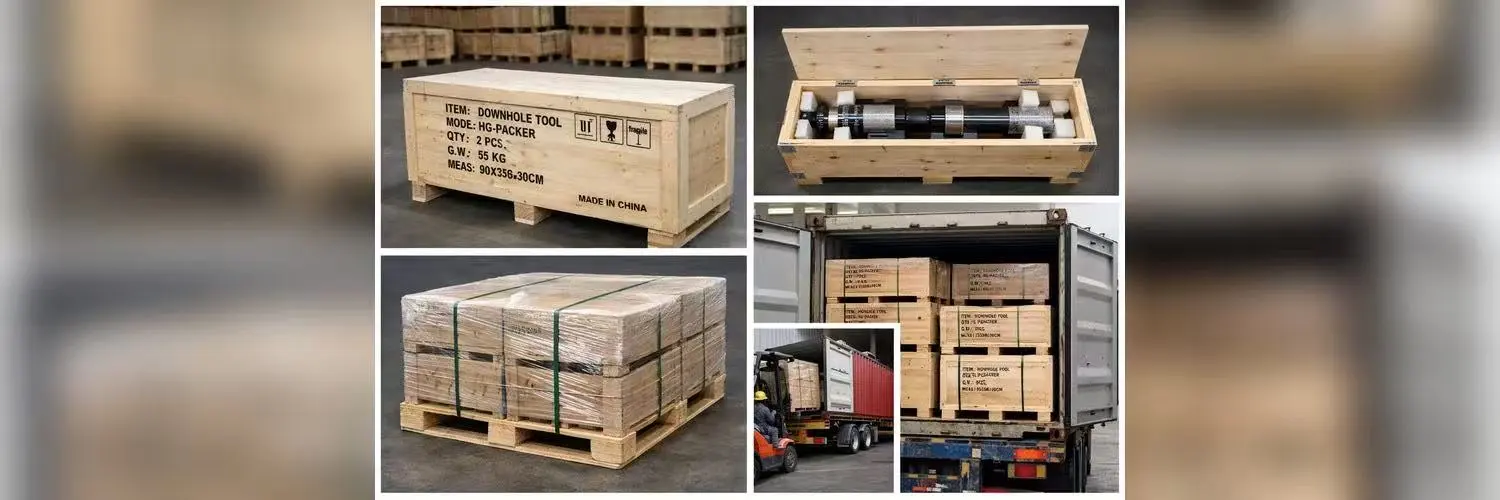
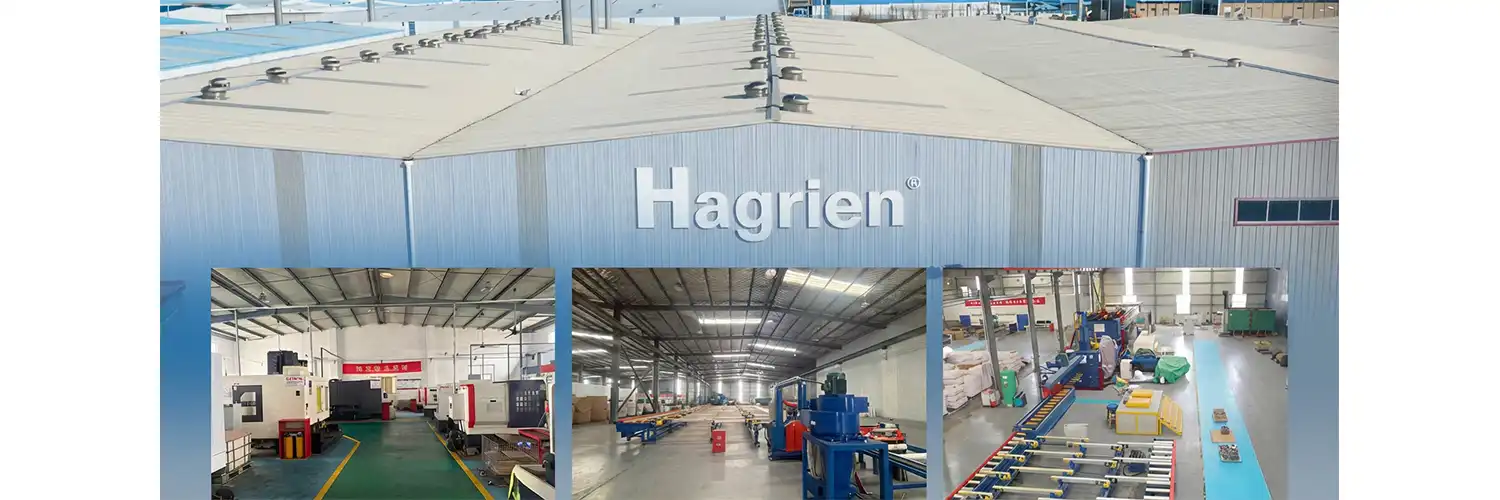
Picking the right provider for finishing equipment like the electronic setting tool can affect how long a project takes, how reliable it is in the field, and the total cost of ownership. Shaanxi Hagrien Energy Technology Co., Ltd. has been making electronic setting tools for seven years and has quality systems that have been approved by CNAS. These tools are designed to be precise, easy to track, and in line with regulations. From melting the magnesium metal to putting it all together, our vertically integrated production process makes sure that each batch is the same and that the dimensions stay the same. Hagrien tools lower the risk of qualification and speed up deployment in offshore, horizontal, and P&A projects around the world. They have 200 maintenance-free run cycles, Baker-compatible interfaces, and 60-day lead times. Email our team at cyrus@us-hagrien.com to talk about what you need to do to finish. Ask for technical datasheets, COA/COC samples, and case studies that show how the product works in the field. At us-hagrien.com, you can look at all of our electrically controlled setting tools, clever controls, and magnesium parts that dissolve. Let us match your wellbore parameters with engineered solutions that give you results that can be checked and paperwork that is ready for an audit. Hagrien is ready to help you with your next finishing challenge when you need a provider of electronic setting tools that is dedicated to manufacturing quality and global service speed.
References
1. World Oil (2021). "Advances in Electric Wireline Setting Tools for Deepwater Completions." World Oil Magazine, Vol. 242, No. 6.
2. Society of Petroleum Engineers (2020). "Comparative Analysis of Hydraulic vs. Electronic Setting Tools in HPHT Environments." SPE Production & Operations, Vol. 35, No. 3, pp. 512–524.
3. Offshore Technology Conference (2022). "Non-Explosive Completion Technologies: Regulatory Compliance and Field Performance." OTC Proceedings, Paper OTC-31847-MS.
4. Journal of Petroleum Technology (2023). "IoT-Enabled Downhole Tools: Real-Time Data Acquisition in Extended-Reach Wells." JPT, Vol. 75, No. 4, pp. 38–45.
5. NACE International (2019). NACE MR0175/ISO 15156: Petroleum and Natural Gas Industries—Materials for Use in H₂S-Containing Environments in Oil and Gas Production. Houston: NACE International.
6. American Petroleum Institute (2018). API Specification 11D1: Packers and Bridge Plugs. Washington, D.C.: API Publishing Services.

USER EVALUATE
Here is the customer's evaluation of us