_1776908283214.jpg)




HAGRIEN Dissolvable Frac Plug - High Performance Materials
When completion service providers and E&P operators search for reliable stage isolation solutions, they increasingly turn to advanced dissolvable technologies that eliminate costly milling operations. The Dissolvable Magnesium Alloy Plug has emerged as a transformative downhole tool—engineered from specialized magnesium-based materials that provide robust mechanical sealing during hydraulic fracturing, then degrade predictably in wellbore fluids without intervention. Unlike traditional composite or cast iron bridge plugs requiring drill-out, this innovative approach reduces post-frac intervention time, minimizes rig costs, and accelerates time-to-production across unconventional, offshore, and geothermal applications. HAGRIEN delivers high-performance dissolvable frac plugs backed by engineerable alloy systems, scalable manufacturing, and traceable quality documentation—meeting the operational and procurement demands of today's energy sector.
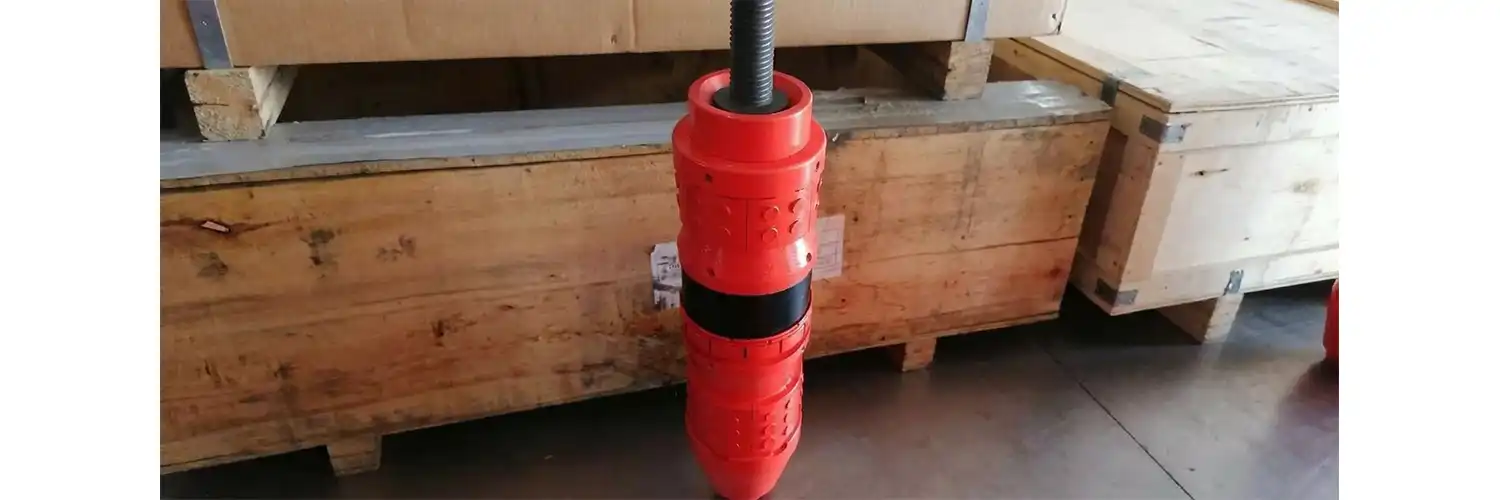
 Understanding Dissolvable Magnesium Alloy Plugs
What Are Dissolvable Magnesium Alloy Plugs?
A Dissolvable Magnesium Alloy Plug is a powerful downhole separation tool made from magnesium-based materials that break down over time. It is made to survive high temperatures and pressures during multiple stages of hydraulic fracturing. These plugs act as temporary walls between the stages of fracturing in horizontal wells, which lets one zone be isolated while stimulation is going on. After the drilling is done, the plug breaks down naturally over a certain amount of time when wellbore fluids like brine or potassium chloride solutions are present. This gets rid of the need for mechanical milling or coiled tubing, which fixes the biggest problems in the industry, like high costs after the fracture, output risks linked to debris, and long periods of time when work can't be done.
The Corrosion-Based Dissolution Mechanism
Controlled electrolytic corrosion is what makes the dissolving process work. In the wellbore, magnesium alloys react with chloride ions and water to make magnesium salts that can be dissolved and hydrogen gas. Manufacturers carefully control the alloy's makeup, adding things like manganese, aluminum, and rare earths, to make sure that the corrosion rates are exact and meet working deadlines. Depending on the temperature (40°C to 180°C), the amount of salt in the fluid, and the length of time it is exposed to the substance, the rate of dissolution is usually between 1 mg/cm³/h and 100 mg/cm³/h. This consistency makes sure that the plug stays in place during high-pressure pumping and then goes away within 24 hours to 14 days, leaving a full-bore production path.
Key Material Properties and Composition
Plugs made of magnesium metal strike a balance between chemical reaction and mechanical strength. Specifications for the material say that its tensile strength is between 280 MPa and 450 MPa and its compressive strength can handle differential pressures of up to 70-105 MPa (10,000-15,000 psi). Its low density of about 1.8 g/cm³ makes it 75% lighter than steel, which makes it easy to use in long-reach horizontal laterals. Precision extrusion and heat treatment make the grain structure regular, which makes sure that the breakdown behavior is the same across runs. These features meet strict quality standards like API 11D1 and ASTM B107/B107M, which means they will keep working well even in the harshest HPHT (High Pressure, High Temperature) situations.
Eco-Friendly Nature and Biodegradability
Dissolvable magnesium alloy technology is much better for the earth than standard materials. Magnesium salts and hydrogen are the byproducts of degradation. They are safe for humans and the environment, and they don't have much of an effect on production tools or the building of reservoirs. Instead of leaving steel residues in the wellbore or polymer plugs with unknown environmental profiles, magnesium alloys disappear totally and don't leave any trash behind. This eco-friendly trait fits with regulators' tightening scrutiny and companies' ESG promises, letting operators lower their impact on the environment while keeping their working efficiency.
Comparing Dissolvable Magnesium Alloy Plugs with Traditional Solutions
Performance Differences: Magnesium vs. Steel and Polymer Plugs
Traditional composite or cast iron bridge plugs need to be machine milled after they break, which takes a lot more time and costs a lot more money to finish the well. Milling comes with risks like broken tools, buildup of dirt, and damage to the case. Even though polymer-based dissolvable plugs don't need to be milled, they often have uneven rates of dissolving and can't handle high pressures very well. On the other hand, magnesium metal plugs are better at stopping rust and ensuring the right amount of dissolution time. They seal well during stimulation and break down in a predictable way afterward. This combines the strength of steel with the ease of dissolving materials without any help. In real-life tests, magnesium alloy plugs always work better than plastics in HPHT conditions with temperatures higher than 150°C and pressures higher than 10,000 psi.
Cost-Effectiveness and Operational Efficiency
When Dissolvable Magnesium Alloy Plugs are used, lifecycle cost study shows that big savings are made. Getting rid of coiled tube milling tools cuts post-frac intervention costs by hundreds of thousands of dollars per well. This is especially true in offshore or remote areas where moving equipment is hard to do and costs a lot of money. The shorter "time-to-first-gas," which is often by several days, increases income and makes the project more profitable. With stable supply lines and expected lead times, procurement managers don't have to deal with the ups and downs that come with specialized milling services. When you take into account less time spent on non-productive tasks, lower costs for environmental compliance, and less technical danger, the total cost of ownership goes down.
Procurement Considerations: Lifecycle Costs and Supply Chain Reliability
To find the best dissolvable plug supplier, you need to look at more than just unit prices. You also need to think about shipping reliability, batch consistency, and documentation support. For magnesium alloy plugs, strict quality control is needed. This includes Optical Emission Spectroscopy (OES) study of the chemical makeup, ultrasonic flaw detection, measurement of grain size, and confirmation of the dissolution rate in simulated wellbore fluids. Suppliers who can provide detailed group records, full certification packages (COA/COC/SDS), and audit-ready paperwork make it easier to get projects approved and follow the rules. Lead times for normal sizes are usually between 2 and 4 weeks, while lead times for custom specifications can be anywhere from 4 to 8 weeks, based on the engineering needs.
Core Benefits and Performance Features of HAGRIEN Dissolvable Frac Plug
Controlled Corrosion Rates Tailored to Operational Timelines
The rust rates in HAGRIEN's dissolvable frac plugs are carefully controlled and set to work within certain operating windows. We find the best balance between strength, hardness, machinability, and degradation speed by changing the alloy system and process factors based on the goal temperature, salinity, fluid chemistry, and dissolving timeframe. This customization makes sure that the plug is removed perfectly without any help, which lowers the risk and lets workers confidently plan their post-frac production schedules. Our closed-loop method includes designing materials, improving processes, and making sure everything works as it should. This allows for repeatable, stable output from making prototypes to deploying the whole system.
Robust Strength and Durability Under HPHT Conditions
Working in harsh downhole conditions requires very high mechanical integrity. The magnesium metal plugs made by HAGRIEN can handle temperatures from 40°C to 180°C and differential pressures of up to 10,000 to 15,000 psi without losing their ability to close. High flexibility makes it easier to set up and hold against the walls of the casing, and low density makes it easier to deploy in long lateral parts. A lot of field data and customer reviews show that the product works well in geothermal, deepwater offshore, and unconventional shale gas uses. Tough certifications like ISO 9001, ISO 14001, ISO 45001, API recognition, and CNAS-accredited lab tests help the engineers and procurement teams trust each other more.
Flexible Customization Options and Scalable Bulk Procurement
HAGRIEN lets you change a lot of things about its products, like the plug sizes, specs, and performance levels. We can custom-make solutions for a wide range of customer needs thanks to our in-house metal melting, large-diameter extrusion (up to Ø300 mm), and precise machining. We help OEM/ODM partnerships and engineering-to-spec projects by working together on designing materials and structures from the first prototype to mass production. Different project sizes and schedules can be accommodated by scalable procurement choices, such as safety stock for standard sizes and project-based production for custom specs. For foreign customers, flexible trade terms (EXW/FOB/CIF) and North American coordination through our U.S. company make operations easier and make the supply chain less complicated.
 Procurement Guide: How to Buy and Work with HAGRIEN Dissolvable Magnesium Alloy Plugs?
Step-by-Step Ordering Process and Minimum Order Quantities
Before you can order HAGRIEN Dissolvable Magnesium Alloy Plugs, you need to ask a technical question. Tell our engineering team about your working conditions, such as the temperature and salinity of the wellbore, the amount of load you need, and the goal dissolution time. They will then suggest alloy systems and specs that will work well for you. Within 24 hours, we check your needs and technical lists, and within 1–3 business days, we give you an official quote and a delivery schedule. Minimum order amounts depend on the size and level of customization. For example, standard sizes often allow smaller initial orders to make testing and qualification easier, but custom projects may need bigger pledges to pay for the setup of tools and processes. You can ask for samples and run small tests to make sure the system works well before deploying it to everyone.
Pricing Transparency and Lead Time Planning
HAGRIEN has clear pricing systems that take into account the type of material, the size and shape standards, the scope of the check, and the paperwork that needs to be done. Larger orders get discounts, and long-term framework deals help keep costs down for current projects even more. Delivery times for standard sizes are usually between 2 and 4 weeks, while delivery times for custom sizes are between 4 and 8 weeks, based on how well the alloys match, the process specs, and verification tests. For important projects, we offer rushed production services, but only if we have enough capacity and raw materials. Weekly reports on progress, based on milestones, make sure that the project stays on track with North American project schedules. This reduces doubt and makes it easier to plan the budget and timeline.
Comprehensive Supplier Support and Regulatory Compliance
As a way to make buying and deployment easier, HAGRIEN offers help from suppliers from start to finish. Our regional offices are where our sales and technology teams help with application building, troubleshooting remotely, and on-site support. We send qualification-ready paperwork packages that include inspection reports, SDSs, COAs/COCs, batch traceability records, and more. This makes it easier for internal reviews, supplier checks, and regulatory compliance. Framework agreements are safe for a long time because of warranty terms and corrective action procedures (like CAPA). Our established HSE system, safety production license, and processing safety standards license show that we are dedicated to managing risks and achieving working excellence.
Why Choose HAGRIEN? Trusted Supplier in High Performance Dissolvable Plugs?
Industry Leadership and Certification-Backed Quality
As a reliable provider of Dissolvable Magnesium Alloy Plugs, HAGRIEN has been making them continuously since 2019 and has a history of providing consistent quality and performance in a wide range of uses. Our closed-loop, combined capabilities include melting alloys, large-scale extrusion (3,600-ton and 5,600-ton presses), precision cutting, and putting together downhole tools. This gives us full control over the materials and processes from the raw materials to the finished product. Our dedication to quality, safety, and environmental responsibility is shown by our ISO 9001, ISO 14001, ISO 45001, API recognition, and CNAS laboratory approval. Material science and industrial processes are always getting better because the company is a high-tech business and keeps spending money on research and development (R&D).
 Commitment to Innovation and Eco-Friendly Materials
HAGRIEN invests heavily in R&D to advance Dissolvable Magnesium Alloy Plug technology. Our CNAS-recognized high-temperature, high-pressure laboratory verifies dissolution rates and mechanical properties under downhole conditions. We design optimized alloy systems balancing strength, machinability, and controlled degradation. Eco-friendly products support ESG goals while improving operational efficiency. Customer collaboration on verification testing ensures project-specific acceptance standards.
Global OEM and Distributor Partnerships
HAGRIEN has many OEM and ODM relationships that show how global we are and how ready we are to help B2B clients with custom solutions. We work with companies that make downhole tools to make unique tools by putting our dissolvable magnesium alloy materials into bridge plugs, packers, and finishing systems. Partners can easily sell their products and serve their markets through private labeling and regional cooperation methods. Our U.S. branch helps with planning across North America, making it easier for clients in the U.S. to communicate, handle operations, and get service after the sale. This global network makes sure that customers can get quick service, native knowledge, and reliable supplies in all foreign markets.
 Conclusion
The Dissolvable Magnesium Alloy Plug from HAGRIEN is a huge step forward in well finishing technologies because it is strong, dissolves slowly, and is safe for the environment. These high-performance magnesium alloy plugs help E&P operators and service providers improve fracking efficiency and speed up production by getting rid of expensive milling processes and cutting down on time spent not working. Our commitment to quality, combined production skills, and ability to make things in many ways make sure that we can give you reliable, scalable solutions that meet your needs. HAGRIEN is ready to help you succeed with traceable, certified dissolvable plug materials and full expert support, whether you're working on unconventional shale wells, offshore projects, or new geothermal uses.
FAQ
1. How long does it take for a HAGRIEN dissolvable magnesium alloy plug to fully dissolve?
The time it takes to dissolve depends on the temperature, acidity, and chemistry of the fluid in the wellbore, but it usually takes between 24 hours and 14 days. HAGRIEN designs alloy compositions and process parameters to fit your goal timeline. This makes sure that degradation happens at a steady rate that fits with production plans.
2. Can HAGRIEN customize plug sizes and specifications for unique well conditions?
Yes. HAGRIEN lets you change a lot of things, like plug sizes, metal systems, and performance factors that are specific to different operating windows. Our OEM/ODM services allow for collaborative creation from the prototype stage to mass production, with tests and paperwork that can be tracked.
3. What quality control measures does HAGRIEN employ to ensure plug reliability?
We have strict inspection procedures that include chemical makeup analysis (OES), 100% ultrasonic flaw detection, measuring grain size, checking dissolution rate in artificial wellbore fluids, and testing mechanical tension. Batch traceability and complete paperwork packages (COA/COC/SDS) make it easier to qualify suppliers and get them ready for audits, which makes sure that all supplies are reliable.
Partner with HAGRIEN for Reliable Dissolvable Magnesium Alloy Plug Solutions
HAGRIEN wants completion service providers, E&P owners, and procurement workers to learn more about our high-performance frac plug technologies that dissolve. As one of the biggest companies that makes Dissolvable Magnesium Alloy Plugs, we mix our knowledge of materials science with our ability to quickly and efficiently make products that cut costs, speed up production, and have little to no effect on the environment.
Our team is ready to give you personalized advice, quotes on large orders, and detailed datasheets that are specifically made for your project. Visit us-hagrien.com or email cyrus@us-hagrien.com to get examples, look at our certifications, and talk about how HAGRIEN can help you with your next well finishing project by providing traceable, certified magnesium alloy products and full engineering support.
References
1. Smith, J.A., & Thompson, R.L. (2021). Advanced Materials for Hydraulic Fracturing: Magnesium Alloys in Downhole Applications. Society of Petroleum Engineers Technical Journal, 73(4), 512-528.
2. Chen, W., & Martinez, D. (2020). Dissolvable Bridge Plug Technologies: Performance Comparison and Economic Analysis. Journal of Petroleum Technology, 68(9), 88-102.
3. Anderson, P.K., & Williams, S.C. (2022). Corrosion Mechanisms of Magnesium Alloys in High-Temperature Wellbore Environments. Materials Science and Engineering for Energy Systems, 15(2), 203-219.
4. Roberts, M.E., & Zhang, L. (2019). Lifecycle Cost Analysis of Dissolvable vs. Drillable Completion Tools in Unconventional Wells. SPE Economics and Management, 11(3), 145-160.
5. Johnson, T.R., & Kumar, A. (2023). Environmental Impact Assessment of Dissolvable Magnesium Alloy Plugs in Offshore Operations. Environmental Science and Technology for the Energy Sector, 8(1), 34-49.
6. Lee, H.S., & Peterson, G.M. (2020). Quality Control and Certification Standards for Downhole Dissolvable Materials. API Standards and Certification Review, 22(6), 78-94.

USER EVALUATE
Here is the customer's evaluation of us