




High-Expansion Rubber Element: How Radial Expansion Improves Sealing
A high-expansion rubber element improves sealing by growing outward in the radial direction when a setting tool compresses it. This growth bridges the space between the tiny diameter tool and the casing wall. As the element grows, it bears against the inner diameter of the casing and increases the contact pressure at the point where leaking would commence. It may pass through tight places before expanding the element allowing designers to plug huge or irregular bores. The seal is only good if the pressure and the gap are matched by the compound , geometry and anti-extrusion design . This tutorial will explain how it works, and what to ask a provider.
Why Radial Expansion Matters for a High-Expansion Rubber Element?
Completion engineers face a simple problem: the tool must be small enough to run in the well, yet large enough to seal once it sits at depth.
Leakage Paths in Large Annular Gaps
All downhole seals have to cope with dimensional tolerance, casing wear, heat cycling, vibration and pressure fluctuations. In older wells and sidetracks the inner diameter of the casing may be bigger or less uniform than specified. A tool running free then leaves a large annular gap. A fixed-compression seal that depends on interference can’t close that gap, so fluid leaks around it. Irregular boreholes compound the issue since washouts and uneven surfaces interrupt the contact line. This is solved with a high-expansion rubber element. It has additional radial travel so that it can reach the wall even if the clearance varies from the drawing value.
What a High-Expansion Rubber Element Is?
A high expansion rubber element is an elastomeric sealing component which expands mostly radially when compressed, pressured or mechanically triggered. It may be made composed of a rubber molded body, reinforcement, metal supports, bonding layers and retention rings. Common base polymers include EPDM, NBR, silicone, fluorocarbon rubber and natural rubber, although downhole service generally narrows the selection down to fluid and temperature. This is unlike a regular seal system where the seal relies on a constant compression. This high expansion style can accept bigger gaps and movement . It is still limited in expansion capabilities thus you have to adjust it to pressure, load, shape and material.
How Radial Expansion Raises Contact Pressure?
Rubber is nearly incompressible. When the setting tool squeezes the high-expansion rubber element along its axis, the material flows outward until it meets the casing or borehole wall. That outward flow creates interface contact pressure and in many configurations the well pressure actually squeezes the element tighter. Results depend on expansion ratio, hardness, wall thickness, geometry, friction, temperature, surface quality, gap size and chemical exposure. Not enough expansion gives leak paths, too much expansion produces wear and permanent deformation. Also the elastic recovery is significant . A compound with a high compression set would lose its contact force over time . I regard expansion, recovery and extrusion resistance as one design difficulty, not three separate challenges.
 Materials, Applications, and Performance Limits
Once you understand the mechanism, the next questions are what the element is made of and where it works.
Elastomer Compounds and Fluid Compatibility
The composition for a high expansion rubber element is selected from the fluid, not the name of the catalog. EPDM is often used for water, steam and ozone applications whereas NBR is a popular material for mineral oils, fuels and lubricants. Silicone has a large temperature range, but you have to watch out for its rip and abrasion resistance. Fluorocarbon rubber is suitable for harsh chemicals and higher temperatures, although cost and low temperature behavior require consideration. Comparison of media compatibility, temperature range, compression set, tensile strength, recovery, abrasion resistance. HAGRIEN confirms compression set to ASTM D395 and does chemical compatibility testing in its CNAS recognized HTHP laboratory, so you can observe how a substance performs in your fluid instead of guessing.
Where High-Expansion Rubber Elements Work Best?
High-expansion rubber parts are used when sealing circumstances fluctuate or where ordinary seals lose contact. Such sites in oil and gas completions include packer elements, bridge plug seals, frac plug sealing elements and zonal-isolation tools in HPHT wells and unconventional horizontal shale wells where the need of solid engagement with the casing ID is paramount . Sidetracks and big-casing wells provide the difficulty of a huge gap around a small-OD tool. We also present on our website bridge plug variations for big inner diameter, small outer diameter and lengthy horizontal sections reflecting the spectrum of well geometries we currently operate with. Similar designs are used in pipelines, pumps, valves and tanks, but each application requires its own assessment for fluid and pressure.
High-Expansion Rubber Element vs. Standard Sealing Elements
A standard element gives fixed compression and performs well when the gap stays small and predictable. A high-expansion rubber element handles variable gaps and movement, but it asks more from the engineer. More radial travel means more strain at the element ends, and that raises extrusion risk once differential pressure builds. Our elastomer element page highlights extrusion resistance and compression recovery as the capabilities that balance high expansion. Silicone and EPDM are material categories, not rival designs; either can be molded as a high-expansion element when the geometry suits it. Evaluate static and cycling pressure, radial and axial loads, friction, and recovery after repeated expansion. For safety-critical service, run application-specific bench tests before field release.
Selecting and Installing a High-Expansion Rubber Element
A good selection process starts with your numbers and ends with a clean installation.
Define the Gap and the Operating Window
Use the data you already have: tool OD, casing ID or open-hole size, estimated gap, tolerance and maximum expansion you require. Add temperature, pressure, fluid, technique of sealing and period during which seal must hold. Drawings, 3D models, samples or pictures speed up examination. With that short a provider is able to suggest compound, hardness, reinforcement and shape. I would propose asking one clear inquiry early. Will the design be able to expand and yet resist extrusion at my pressure? An solution that is supported by test-stand data has greater weight than catalog values alone. Also analyze the installation area, the export requirements and the overall life cycle cost before clearance.
Test Data to Request for a High-Expansion Rubber Element
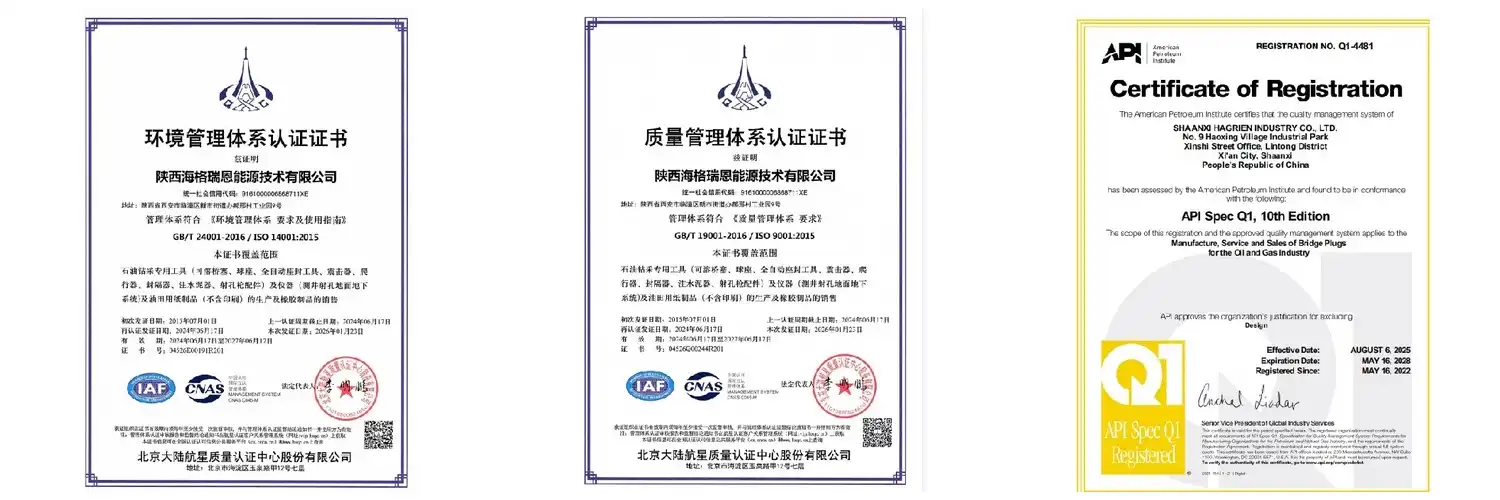
Ask for data showing the element is working in your window. Compound, hardness, temperature range, recommended pressure, expansion ratio, dimensional tolerances, tensile strength, elongation, rip strength, compression set and chemical compatibility are useful elements. If your application needs it, ask for bench expansion and sealing data and age and dimensional inspection records. Additionally, for international projects you will need drawings, technical data sheets, material certifications, certificates of conformity, batch traceability and requirements for change notification. HAGRIEN provides COA, COC and SDS documentation. HAGRIEN has a CNAS accredited HTHP laboratory providing traceable validation. You could also need audits and a clear quality control plan for regulated or safety crucial activities therefore emphasize the need for that from day 1.
Installing a High-Expansion Rubber Element
The seal is protected by careful treatment long before it ever gets down. Cuts, twisting, contamination, overstretching and unsuitable lubricants may lead to early leaking. Before assembly, verify the element for dimensions, material, hardness and surface condition, and inspect the mandrel, tool body and mating parts for burrs and sharp edges. Clean mating surfaces and use only an authorized lubricant. Install the element uniformly. Install retention and backup components. Apply setting force gradually. Run a leakage or pressure test after setup, when your protocol permits. When you get a tool, check the element for extrusion, abrasion, cracking, unequal contact, and permanent deformation and note the results to help determine replacement criteria.
 Sourcing a Custom High-Expansion Rubber Element
Technical fit is half of the decision. Supply fit is the other half, especially when your well conditions fall outside standard sizes.
HAGRIEN High-Expansion Rubber Elements at a Glance
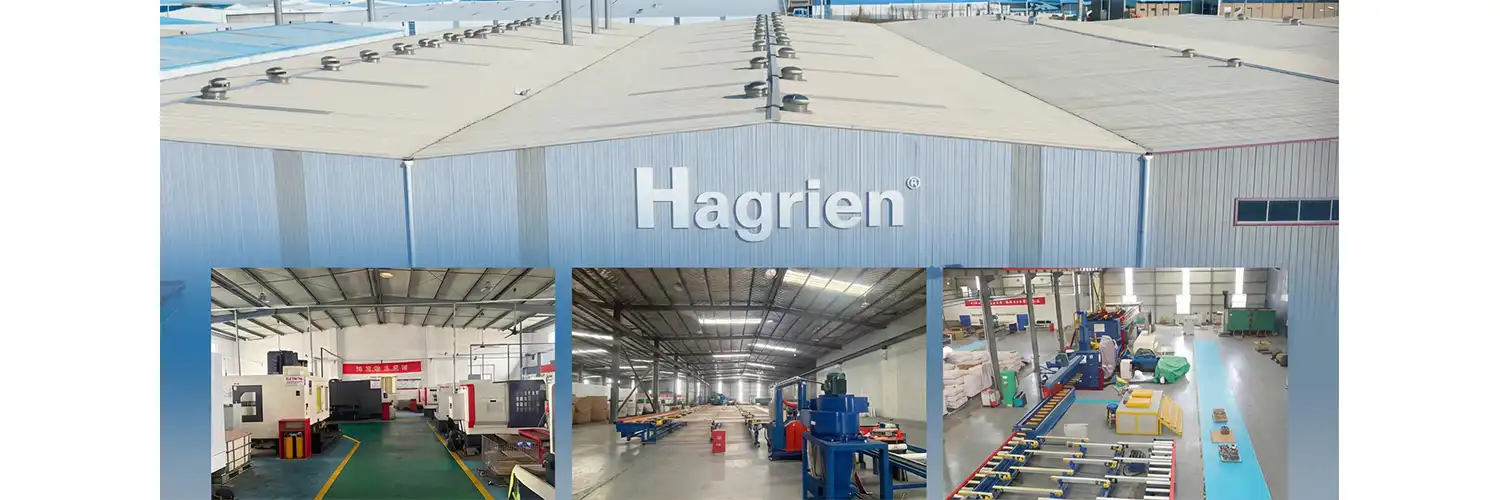
HAGRIEN high-expansion rubber element are elastomer components engineered for high radial expansion under downhole compression, providing dependable seal engagement in irregular boreholes. They resist temperatures from -40°C to +200°C and carry pressure ratings above 10,000 psi. We validate compression set to ASTM D395 and run chemical compatibility testing in our CNAS-accredited HTHP laboratory. Typical uses include packer elements, bridge plug seals, frac plug sealing elements, and zonal-isolation tools. These are enterprise-grade sealing components for downhole completion tools, not finished tools. They come from an integrated materials and downhole tools manufacturing platform with over 7 years of continuous production experience and full COA, COC, and SDS documentation.
Prototyping, OEM, and Small-Batch Orders
Rarely do new designs get beyond the initial sketch. Before you buy, ask any supplier about sample or pilot batches, quantity restrictions, lead time, tooling ownership, batch consistency and change control. HAGRIEN has OEM/ODM and engineering-to-spec capacity including collaborative design, drawing control and a route from prototype to volume supply with acceptance testing according to your standards. Materials and downhole tools share one production platform, which maintains the discussion of material choice and part design in the same dialog. We will confirm requirements and technical lists within 24 hours and provide official estimate and delivery plan within 1-3 working days. For complex projects, a separate confirmation is needed. Tell us your quantity objective and we'll explore what is realistic.
Documentation, Traceability, and Supplier Checks
Compare quotations on the same basis: material, geometry, reinforcement, tooling, tolerances, testing, quantity, packaging and incoterms. HAGRIEN provides EXW, FOB, and CIF terms, export packing, and North America coordination via our U.S. organization. Batch traceability, inspection records and COA/COC/SDS packages to assist your supplier qualification and audits. We are certified to ISO 9001, ISO 14001 and ISO 45001 and have an HSE system and API recognition. Apart from the unit pricing, check the testing capabilities, communication speed, manufacturing capacity and quality system of a supplier. A inexpensive initial quotation loses its attractiveness if the provider cannot deliver the same quality on recurrent purchases.
 Conclusion
So a self-sealing high expansion rubber component that expands radially when pressured. This builds up contact pressure on a casing or borehole wall and closes gaps that cannot be covered by static compression seals. The result depends on the expansion ratio, hardness, geometry, elastic recovery and extrusion resistance. The higher the expansion, the more you must watch how well the ends of the element fit together under pressure. The compound is chosen based on the fluid and temperature. Bench data such as compression set and chemical compatibility results reveal if a design fits the operating window. First the selection gap, pressure and liquid. Proper installation and inspection after the run protect the seal. Documentation and traceability provide consistency in repeat delivery.
FAQ
1. What expansion ratio can a high-expansion rubber element reach?
There is no one value that matches every design, since the ratio varies on the compound, geometry, gap size and pressure rating. Send us your tool OD, casing ID, and pressure and we will analyze what the design can provide.
2. Does higher expansion reduce extrusion resistance?
It usually does. The greater radial movement, the more differential pressure strain on the element ends. So the compound, hardness and back up design have to fit the gap. The balance is verified in bench testing before field usage.
3. What documents come with an order?
HAGRIEN can supply COA, COC, SDS documentation, and traceability and inspection records for batches may be provided upon request. Compression set is qualified to ASTM D395 and chemical compatibility testing is performed in our CNAS approved HTHP laboratory.
4. Can I order small batches for a new gap size?
Share your drawings and target quantities. We review quantity needs case by case, and our OEM/ODM capability supports prototypes through volume production.
Request a HAGRIEN High-Expansion Rubber Element Recommendation
Send your drawings, gap dimensions, pressure, temperature, fluid, and target quantities to cyrus@us-hagrien.com, and the HAGRIEN team will review them. As a high-expansion rubber element manufacturer with an integrated materials and downhole tools platform, we can recommend a compound, geometry, and test plan for your well conditions, then discuss samples or OEM development. Visit us-hagrien.com for product details.
References
1. API Specification 11D1, Packers and Bridge Plugs, 2009
2. ISO 14310, Petroleum and Natural Gas Industries – Downhole Equipment – Packers and Bridge Plugs, 2008
3. ASTM D395, Standard Test Methods for Rubber Property – Compression Set, 2018
4. ASTM D471, Standard Test Method for Rubber Property – Effect of Liquids, 2016
5. Engineering with Rubber: How to Design Rubber Components, Hanser Publishers, 2012
6. NORSOK M-710, Qualification of Non-Metallic Sealing Materials and Manufacturers, 2014

USER EVALUATE
Here is the customer's evaluation of us