_1776908283214.jpg)




High-Temperature Dissolvable Magnesium Alloy Round Bar for Oil & Gas
High-Temperature Dissolvable Magnesium Alloy Round Bar for Oil & Gas represents a breakthrough material engineered to solve the costly milling-out challenges in HPHT completions and geothermal operations. These precision-manufactured bars combine tensile strength of 320-450 MPa with controlled dissolution rates ranging from 1-100 mg/cm²/h, maintaining structural integrity at temperatures up to 200°C. When you deploy dissolvable magnesium components in your downhole tools, you eliminate coiled tubing interventions and reduce completion time by 30-50%. This technology transforms temporary isolation operations by offering predictable performance in extreme conditions where conventional polymer materials fail completely.
 Introduction
There is more and more pressure on the oil and gas industry to cut down on finishing costs and speed up the time it takes to start producing from unconventional sources. Managers in charge of buying things for HPHT projects in the Permian Basin, the Middle East, and new geothermal areas are constantly faced with a problem: using regular frac plugs requires pricey milling operations that take more time to finish and increase geological risks. High-Temperature Dissolvable Magnesium Alloy Round Bar directly solves this problem by letting the tool dissolve completely in wellbore fluids. This frees up the production path without any mechanical help.
This complete guide is for B2B decision-makers who are looking at solutions for 200°C working environments. It is aimed at project procurement leaders, completion design engineers, and material specialists. We look at the technical features that make high-performance dissolvable alloys different from regular magnesium materials. We also compare the lifecycle economics of these alloys to traditional retrieval methods and describe procurement frameworks that make sure project-based acquisitions have reliable supplies. As rules about sustainability get stricter in the world's energy markets, it's important for businesses to understand these advanced metalworking solutions.
Understanding High-Temperature Dissolvable Magnesium Alloy Round Bars
High-Temperature Dissolvable Magnesium Alloy Round Bar has rare earth elements and carefully controlled cathodic phases that cause micro-galvanic corrosion when they come into touch with finishing fluids that are high in electrolytes. Unlike regular structural magnesium, these engineered alloys find a balance between two important factors: they keep their load-bearing capacity under differential pressures exceeding 70 MPa during fracturing operations, and they dissolve in a way that is predictable based on temperature, salinity, and pH conditions after stimulation is over.
Thermal Stability and Mechanical Performance
At temperatures that stay above 200°C for a long time, the High-Temperature Dissolvable Magnesium Alloy Round Bar keeps its yield strength between 280 and 380 MPa. At this point, normal polymer materials lose their ability to keep their shape. This thermal performance comes from processes that refine grains into microstructures that are between 5 and 15μm. These microstructures stop degradation before it happens and keep the electrochemical reactivity needed for planned dissolution. When the temperature at the bottom of horizontal wells in the Permian Basin goes above 150°C, this material keeps doing structural jobs that cheaper options can't do.
Controlled Dissolution Mechanism
Electrochemical processes speed up the dissolution process, and chloride ions in finishing brines help with this. As the temperature rises, the rate changes, roughly doubling with every 10°C rise. This lets engineers model clearing times based on very specific factors. When a properly made bar is put in 3% KCl brine at 93°C, it breaks down into magnesium ions and tiny hydroxide particles that flow naturally with the production fluids. There is no solid debris left to block the formation's ability to let fluids through.
Operational Advantages Over Retrieval Methods
Getting rid of cutting processes has real benefits that go beyond just saving money. You lower the risks of wellbore tortuosity that come with long lateral sections of coiled tubing runs. Your working plan gets cut down by two to four days per well, which speeds up the cash flow from the start of production. Less diesel use and less moving of equipment have a smaller effect on the environment. This is in line with corporate sustainability goals that are becoming more important in project approvals.
| Hagrien Dissolvable Magnesium Alloy Technical Specifications | ||||||
| Serial No. | Tensile Strength/MPa | Yield Strength/MPa | Elongation% | Hardness/HB | /mg/ | Dissolution Condition |
| DissolutionRate(cm2.h) | ||||||
| AML001 | ≥310 | ≥220 | ≥15.0 | ≥60 | 2月10日 | 93℃/3%KCL |
| AML003 | ≥200 | ≥140 | ≥32 | ≥50 | 1月5日 | 93℃/3%KCL |
| AML004 | ≥220 | ≥160 | ≥12.0 | ≥55 | 130-150 | 93℃/3%KCL |
| AML005 | ≥300 | ≥200 | ≥15.0 | ≥60 | 90-140 | 93℃/3%KCL |
| AML006 | ≥270 | ≥190 | ≥13.0 | ≥55 | 40-80 | 50℃/0.84%KCL |
| AML007 | ≥290 | ≥190 | ≥14.0 | ≥60 | 40-80 | 93℃/3%KCL |
| AML009 | ≥190 | ≥120 | ≥30 | ≥50 | 20-70 | 93℃/3%KCL |
| AML010 | ≥220 | ≥170 | ≥14.0 | ≥55 | 30-50 | 50℃/0.84%KCL |
| AML011 | ≥220 | ≥170 | ≥12.0 | ≥55 | 30-60 | 50℃/0.84%KCL |
| AML012 | ≥260 | ≥210 | ≥9.0 | ≥70 | 60-100 | 50℃/0.84%KCL |
| AML013 | ≥370 | ≥260 | ≥2.5 | ≥90 | 50-70 | 93℃/3%KCL |
| AML014 | ≥195 | ≥125 | ≥27 | ≥45 | 15-35 | 93℃/3%KCL |
| AML015 | ≥310 | ≥220 | ≥7.0 | ≥80 | 50-70 | 93℃/3%KCL |
| AML016 | ≥230 | ≥180 | ≥12.0 | ≥55 | 45-65 | 50℃/0.84%KCL |
| AML017 | ≥260 | ≥220 | ≥5 | ≥65 | 50-70 | 43℃/0.05%KCL |
| AML018 | ≥400 | ≥280 | ≥4.0 | ≥100 | 40-60 | 93℃/3%KCL |
| AML020 | ≥100 | ≥60 | ≥7.0 | ≥42.0 | 50-100 | 93℃/3%KCL |
| AML021 | ≥400 | ≥300 | ≥3.0 | ≥100 | 40-60 | 93℃/3%KCL |
| AML022 | ≥275 | ≥200 | ≥12 | ≥65 | 90-110 | 50℃/0.84%KCL |
| AML023 | ≥450 | ≥340 | ≥3.0 | ≥100 | 10月30日 | 93℃/3%KCL |
| AML024 | ≥270 | ≥220 | ≥5.0 | ≥70 | 60-120 | 50℃/0.84%KCL |
| AML025 | ≥360 | ≥260 | ≥3.0 | ≥100 | 40-70 | 50℃/0.84%KCL |
| AML026 | ≥310 | ≥220 | ≥8.0 | ≥60 | 0-5 | 93℃/3%KCL |
Performance Comparison: Magnesium Alloy vs Alternative Materials
When choosing materials for downhole tools, it's important to carefully consider their strength-to-weight ratios, heat limits, and the total cost of ownership. The High-Temperature Dissolvable Magnesium Alloy Round Bar has special properties that other materials can't match when used for short separation.
Strength and Thermal Resistance
Standard magnesium alloys, such as AZ31B, have a tensile strength of only 255-290 MPa and can't withstand temperatures above 150°C, which is too low for contemporary HPHT completions. Engineered dissolvable variants can withstand tensile loads of 320–450 MPa and temperatures up to 200°C for a long time, bridging the gap between common magnesium alloys and rare titanium alloys. Aluminum options are strong, but they can't dissolve electrochemically, so they have to be removed by hand, which takes away any finishing efficiency gains.
Economic Performance Across Project Lifecycle
High-Temperature Dissolvable Magnesium Alloy Round Bar has higher initial material costs than normal alloys by 40 to 60%. However, the dissolvable option has much better lifetime economics. Milling costs of $180,000 to $250,000 and rig time of three to five days are normal for a horizontal well in the Permian using standard plugs. These costs are completely eliminated by dissolvable systems, which also lower the risks of wellbore intervention. Logistics, rig time, and risk management are all part of the total cost of ownership that procurement managers look at. Dissolvable technology saves 25–35% on multi-stage completion programs.
Titanium and Steel Comparisons
Titanium alloys can withstand high temperatures and harsh environments, but they are 3–4 times more expensive than engineered magnesium and don't have a way for them to dissolve. Steel plugs have strong mechanical qualities and don't cost much to make. However, milling sharpened steel parts speeds up drill bit wear and increases the time needed for intervention. The dissolvable magnesium method gets around these trade-offs by providing enough strength for short-term duty cycles followed by complete self-removal, which is something that traditional metallurgy can't do.
 Selecting and Procuring High-Temperature Dissolvable Magnesium Alloy Round Bars
The first step in effective procurement is to make sure that the material specs are right for the downhole setting. Temperature ranges, fluid chemistry, pressure needs, and dissolving times must all match the alloy's composition and production conditions.
Defining Technical Specifications
In your design package, you should include information about the steady temperature at the bottom of the hole, the fluid's salinity (usually between 1% and 3% chloride), the expected pressure differences, and the goal dissolution window. Engineers need this information to suggest alloy systems that balance how well they work mechanically with how long it takes to clear. Different metallurgical conditions are needed for a geothermal well at 200°C that has fluids with low salt levels compared to a shale completion at 150°C that has fluids with 25,000 ppm chloride brine.
Minimum Order Quantities and Lead Times
For project-based procurement, bars with diameters between 100 mm and 300 mm and lengths of up to 6 meters are common. Standard sizes are shipped within two to four weeks from when they are first stocked, but custom formulations made to fit specific dissolution profiles take four to eight weeks, which includes developing the alloy and testing it to make sure it works. Minimum order numbers depend on the design. For example, normal diameters can handle smaller amounts, but custom thermal windows need higher minimums to cover the cost of setup. When you talk to suppliers early on about your project's schedule, they can plan their production around your release timeline more efficiently.
Quality Assurance and Certifications
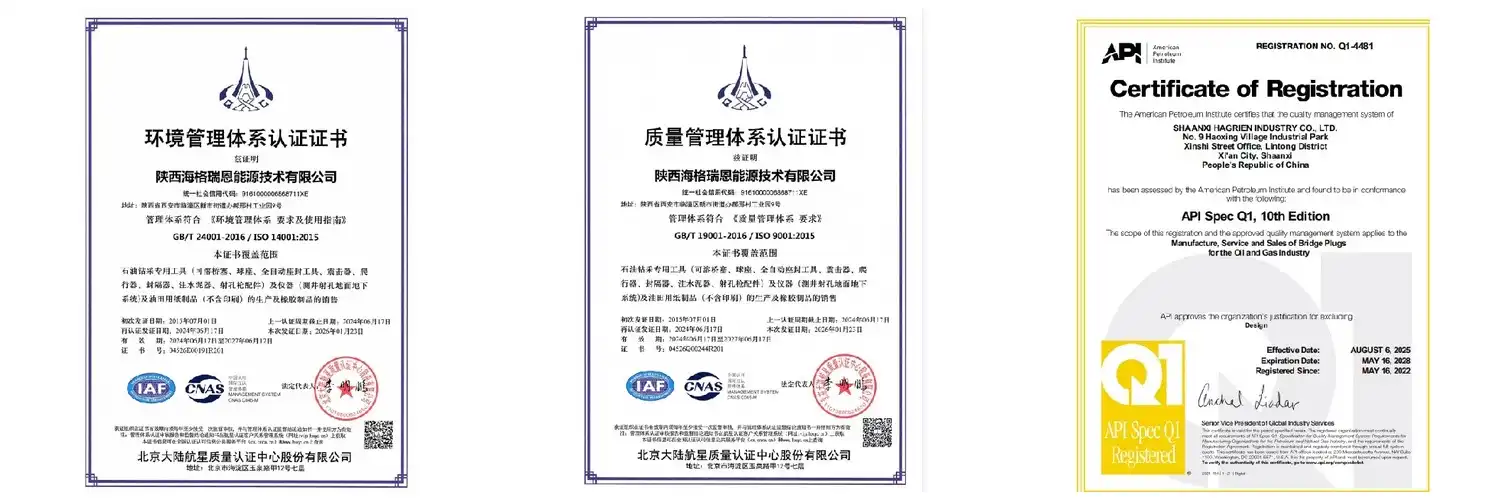
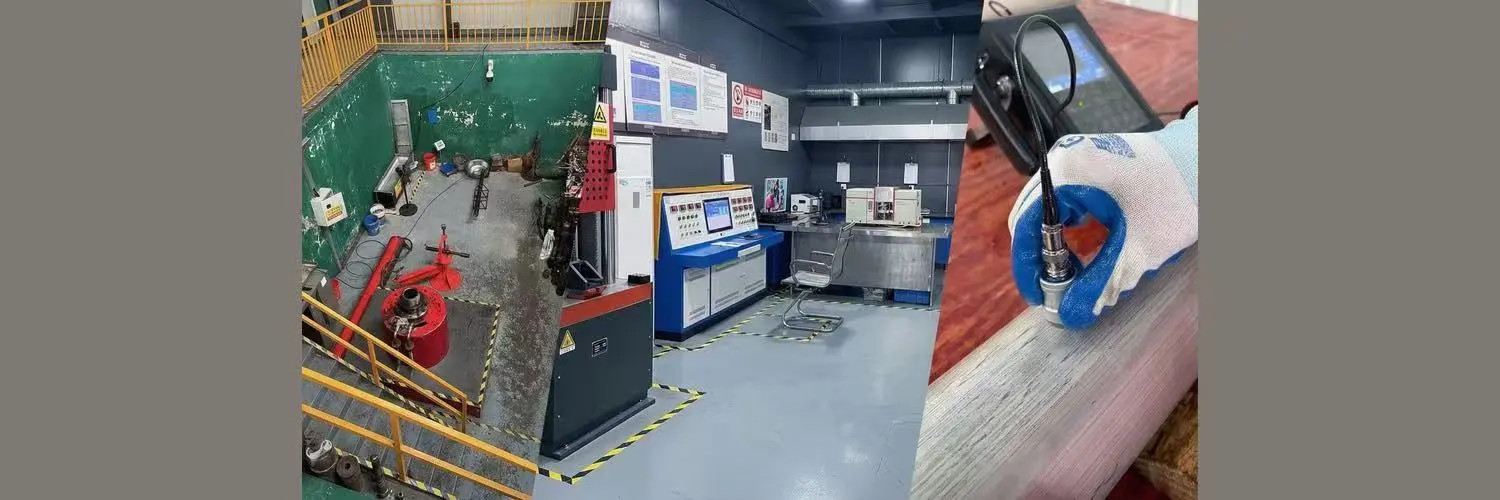
Certifications like ISO 9001, ISO 14001, and ISO 45001 show that quality management is being done in a planned way, but buying dissolvable metal like High-Temperature Dissolvable Magnesium Alloy Round Bar needs more checking. The mechanical qualities, dissolution kinetics, and microstructural consistency can all be proven through CNAS-accredited laboratory tests. There should be Certificates of Analysis (COA), Certificates of Conformance (COC), chemical makeup (ICP-OES), tensile test results at service temperature, and dissolution rate graphs made in conditions that are similar to the well environment. This paperwork helps your process of qualifying suppliers and gives you a way to track projects that is ready for audits.
Customization and Engineering Support
Leading makers offer closed loops for materials, process, and proof in addition to standard bar supply. With this method, suppliers work together to create alloys, and they change the amount of rare earths added and the heat treatment steps to fit your working window. You can test the performance of a prototype with fast-turnaround samples before committing to large-scale production. Scaling help makes sure that the process can be repeated from the first tools to the full project release. This cuts down on the costs of trial and error that come with making the first generation of tools.
 Applications and Case Studies in the Oil & Gas Industry
High-Temperature Dissolvable Magnesium Alloy Round Bar is used as a raw material for many important downhole parts used in unconventional completions and geothermal activities.
Dissolvable Frac Plug Components
Multistage hydraulic fracturing in horizontal wells needs a brief zone separation that can handle the treatment pressures and then is cleared for production flow. During pumping operations, plug mandrels and slips made from these bars keep their 70 MPa sealing integrity. When the fracture is exposed to fluids from the wellbore, it dissolves slowly over 48 to 120 hours, depending on the temperature and saltiness. By moving to dissolvable systems, a Permian operator using 40-stage completions saved $8 million a year in milling costs and cut the average completion time per well by 4.2 days.
Ball Seats and Drop Balls for Stage Isolation
Drop ball systems let you activate each fracture stage one at a time without using wirelines. Ball chairs made from High-Temperature Dissolvable Magnesium Alloy Round Bar keep out pressure while the process is going on, and then they break down in 24 to 72 hours to allow full-bore production access again. Large-diameter bars can achieve a uniform microstructure that guaranties consistent seat geometry and predictable dissolution. These are important factors to consider when planning 50 or more stage treatments, since any failure in a seat interrupts the whole completion sequence.
Geothermal Completion Tools
In geothermal wells, temperatures can hit 200 to 260°C, which is so hot that polymer materials break down in just a few hours. High-temperature magnesium alloys are used to make temporary flow redirection tools that keep their shape during installation work and then dissolve fully in the geothermal brine. This feature helps improved geothermal systems (EGS) where leaving behind lasting waste might hurt reservoir performance in the long run. These materials were used in a geothermal project in Iceland to get rid of the need for post-completion cleaning operations. This cut the time it took to deliver the well by 6 days and made sure that no damage to the formation was done by leftover tool pieces.
Sustainability and Environmental Compliance
Full molecular dissolution gets rid of all the solid waste that comes with retrieved tools. Magnesium ions mix with the chemistry of formation water at levels below what is considered environmentally safe. This helps operators keep their promises to leave smaller environmental footprints. As regulations tighten their eyes on completion methods, especially in water-sensitive geothermal areas and protected ecosystems, dissolvable technology has been shown to be more compliant than mechanical retrieval methods that create metal waste and need extra diesel-powered work.
 Conclusion
High-Temperature Dissolvable Magnesium Alloy Round Bar changes the economics of HPHT completion by getting rid of expensive milling processes while keeping the structural performance that unconventional wells need. The designed mix of 320–450 MPa tensile strength and tunable dissolution rates in the material solves the main problem in the business, which is brief isolation that goes away on its own. To be successful at procurement, the alloy formulation must be matched to specific downhole environments through collaborative engineering, which must be backed up by thorough documentation and strict testing protocols. As operators try to be both cost-effective and good to the environment, dissolvable magnesium technology offers clear benefits in terms of finishing time, running costs, and environmental impact that traditional methods can't match.
FAQ
1. How does temperature affect dissolution speed in HPHT wells?
Arrhenius behavior says that reaction rates roughly double for every 10°C rise in temperature. This is what happens with dissolution kinetics. If the fluid conditions stay the same, a bar that dissolves in 96 hours at 93°C may clear in 48 hours at 103°C. High-Temperature Dissolvable Magnesium Alloy Round Bar formulations take this into account by making metallurgical changes. Engineers can slow dissolution in high-temperature wells by changing the protective film characteristics and the distribution of the cathodic phase. This keeps the structure intact during fracturing operations before the planned degradation starts.
2. What certifications should I require from suppliers?
Ask for ISO 9001, 14001, or 45001 certifications as basic signs of good quality management. Beyond these, you should demand that materials testing be done in a CNAS-accredited laboratory, that APIs be recognized when they apply, and that HSE system documentation be provided. Ask for batch tracking that includes melt records, extrusion parameters, heat treatment logs, and data from the final inspection. The COA and COC paperwork should include information about the material's tensile properties at the service temperature, its grain size, and its dissolution rate in fluids that have the same chemistry as the well. This complete set of documents helps with your source qualification checks and gives you a way to prove where things came from during project post-mortems.
3. Can these bars withstand differential pressures during fracturing?
Of course. The 320–450 MPa tensile strength can handle differential pressures above 100 MPa (15,000 PSI) when it is made into optimal shapes like bridge plug mandrels. The key is to design the wall thickness, support geometry, and elastomer sealing systems in a way that works with the alloy's mechanical qualities. Before you spend money on tools, suppliers who offer materials-plus-design help can use finite element analysis to make sure the structure is strong enough.
Partner with HAGRIEN: Your Trusted High-Temperature Dissolvable Magnesium Alloy Round Bar Manufacturer
Engineering-grade dissolvable magnesium solutions are made by HAGRIEN, which has been making them for seven years and has CNAS-certified lab validation to back it up. With our closed-loop manufacturing, we can make bars with a diameter of up to 300 mm that are guarantyd to be uniform in their microstructure and consistent from batch to batch. We work with your engineering team to make sure that the metal recipe fits your temperature profile, fluid chemistry, and dissolution timeline perfectly. This cuts down on the costs of trial and error that slows down the release of tools to the market.
Standard specs ship in two to four weeks, while custom formulations made to fit your working window arrive in four to eight weeks with full COA/COC paperwork to help your supplier approval process. We are a vertically integrated seller of High-Temperature Dissolvable Magnesium Alloy Round Bars, which means we control important manufacturing steps that make sure your HPHT and geothermal projects work as expected in harsh conditions.
Get expert help with your next finishing project by emailing cyrus@us-hagrien.com right now. Our U.S. coordination team responds quickly to RFQs, gives weekly updates on production, and provides engineering support that fits the schedule of North American projects. You can get detailed datasheets, samples, and talk about how our materials-process-validation method lowers your program delivery risks by going to us-hagrien.com.
 References
1. Society of Petroleum Engineers (2021). "Advanced Materials for High-Temperature Downhole Applications." SPE Annual Technical Conference Proceedings.
2. Geothermal Resources Council (2022). "Dissolvable Completion Technologies for Enhanced Geothermal Systems." GRC Transactions, Vol. 46.
3. Journal of Petroleum Technology (2023). "Economic Analysis of Dissolvable Frac Plug Systems in Unconventional Completions." JPT Economics & Management Section, March 2023.
4. International Organization for Standardization (2020). ISO 9001:2015 Quality Management Systems - Requirements for Metallic Materials.
5. Hart Energy (2023). "Permian Operators Report 30% Completion Cost Reduction with Dissolvable Technology." E&P Magazine, June 2023 Issue.
6. U.S. Department of Energy (2022). "Environmental Performance of Geothermal Completion Technologies." Geothermal Technologies Office Technical Report DOE/EE-2156.

USER EVALUATE
Here is the customer's evaluation of us