_1776908283214.jpg)




How Dissolvable Magnesium Alloy Completion Material Reduces Well Costs
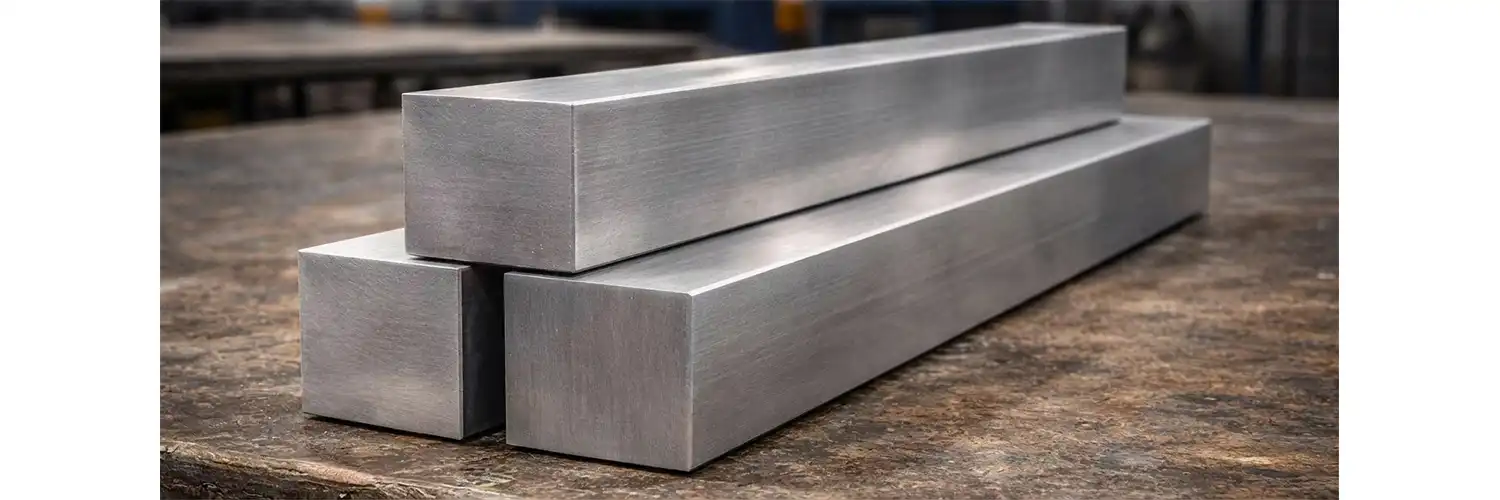
Dissolvable magnesium alloy completion materials are transforming well operations by eliminating costly milling and retrieval procedures. At the heart of this innovation lies the no retrieval required magnesium alloy hexagonal bar, a precision-engineered profile that combines controllable dissolution with exceptional mechanical strength. These hexagonal geometries deliver superior torque transfer during installation and dissolve predictably post-operation, cutting intervention time and reducing overall completion expenses. With adjustable dissolution rates tailored to specific downhole conditions, these materials address the persistent challenge of balancing operational performance with cost efficiency in modern well completion strategies.
 Understanding the Challenges in Traditional Well Completion Materials
Traditional well completion relies on parts that don't dissolve, like cast iron, composite, or permanent metal devices, that stay in the ground after hydraulic fracturing is done. While these materials provide the required mechanical strength during stimulation, they become very difficult to work with once their purpose is over.
Flow Restrictions and Production Bottlenecks
Plugs and packers that don't dissolve cause lasting blockages inside the wellbore. Production fluids have to get around or through these things, which makes the effective flow diameter smaller and the backpressure higher. Over the course of a well's life, these limits lower the rate of hydrocarbon collection and hurt the company's bottom line. Operators have to make a tough decision: they can either accept less production or spend a lot of money on expensive efforts to get rid of the problems.
Equipment Retrieval Complexities
Getting rid of old finishing equipment, such as a no retrieval required magnesium alloy Hexagonal Bar, needs milling tools, coiled tube units, and trained workers. The rig needs hours or even days of time for each milling operation. Failures of equipment during retrieval cause more delays and cost more money. Milling is a mechanical process that creates metal shavings and other debris that can damage downhole equipment or plug perforations. This increases operational risks and prolongs well downtime.
Regulatory and Environmental Pressures
Environmental safety issues are raised when trash that can't be recovered builds up downhole. Regulatory agencies are looking more closely at how wells are abandoned and how well they stay intact over time. Traditional materials make dismantling more difficult and may need more reporting or cleanup steps. When operators work in areas that are sensitive to the environment, they may have to deal with more scrutiny and possible operational limits because of how they handle debris.
 How Dissolvable Magnesium Alloy Completion Materials Address These Challenges
Using dissolved magnesium alloys is a very different way to temporarily seal off a well. These materials keep their shape during the finishing process. When they come into contact with wellbore fluids, they dissolve slowly and chemically, leaving little to no waste and not needing to be retrieved.
Engineered Dissolution Mechanics
Galvanic corrosion destroys magnesium metals in conductive fluids. Metal type, temperature, salinity, and fluid pH affect breakdown rate. Small metallurgical recipe changes can create hours- to weeks-long dissolution windows. With this precision, workers may pick materials that are powerful during crucial activities yet vanish on time, allowing manufacturing to begin without artificial support.
HAGRIEN's no retrieval required magnesium alloy hexagonal bar finest illustrates this engineering process. Our closed-loop production regulates alloy chemistry from melting to quality inspection. This ensures consistent disintegration between batches. A specially designed alloy can tolerate 80°C to 150°C and diverse fluid chemistries. This matches the material's performance to the downhole environment rather than forcing wells to adapt to a generic substance.
| Hagrien Dissolvable Magnesium Alloy Technical Specifications | ||||||
| Serial No. | Tensile Strength/MPa | Yield Strength/MPa | Elongation% | Hardness/HB | /mg/ | Dissolution Condition |
| DissolutionRate(cm2.h) | ||||||
| AML001 | ≥310 | ≥220 | ≥15.0 | ≥60 | 2月10日 | 93℃/3%KCL |
| AML003 | ≥200 | ≥140 | ≥32 | ≥50 | 1月5日 | 93℃/3%KCL |
| AML004 | ≥220 | ≥160 | ≥12.0 | ≥55 | 130-150 | 93℃/3%KCL |
| AML005 | ≥300 | ≥200 | ≥15.0 | ≥60 | 90-140 | 93℃/3%KCL |
| AML006 | ≥270 | ≥190 | ≥13.0 | ≥55 | 40-80 | 50℃/0.84%KCL |
| AML007 | ≥290 | ≥190 | ≥14.0 | ≥60 | 40-80 | 93℃/3%KCL |
| AML009 | ≥190 | ≥120 | ≥30 | ≥50 | 20-70 | 93℃/3%KCL |
| AML010 | ≥220 | ≥170 | ≥14.0 | ≥55 | 30-50 | 50℃/0.84%KCL |
| AML011 | ≥220 | ≥170 | ≥12.0 | ≥55 | 30-60 | 50℃/0.84%KCL |
| AML012 | ≥260 | ≥210 | ≥9.0 | ≥70 | 60-100 | 50℃/0.84%KCL |
| AML013 | ≥370 | ≥260 | ≥2.5 | ≥90 | 50-70 | 93℃/3%KCL |
| AML014 | ≥195 | ≥125 | ≥27 | ≥45 | 15-35 | 93℃/3%KCL |
| AML015 | ≥310 | ≥220 | ≥7.0 | ≥80 | 50-70 | 93℃/3%KCL |
| AML016 | ≥230 | ≥180 | ≥12.0 | ≥55 | 45-65 | 50℃/0.84%KCL |
| AML017 | ≥260 | ≥220 | ≥5 | ≥65 | 50-70 | 43℃/0.05%KCL |
| AML018 | ≥400 | ≥280 | ≥4.0 | ≥100 | 40-60 | 93℃/3%KCL |
| AML020 | ≥100 | ≥60 | ≥7.0 | ≥42.0 | 50-100 | 93℃/3%KCL |
| AML021 | ≥400 | ≥300 | ≥3.0 | ≥100 | 40-60 | 93℃/3%KCL |
| AML022 | ≥275 | ≥200 | ≥12 | ≥65 | 90-110 | 50℃/0.84%KCL |
| AML023 | ≥450 | ≥340 | ≥3.0 | ≥100 | 10月30日 | 93℃/3%KCL |
| AML024 | ≥270 | ≥220 | ≥5.0 | ≥70 | 60-120 | 50℃/0.84%KCL |
| AML025 | ≥360 | ≥260 | ≥3.0 | ≥100 | 40-70 | 50℃/0.84%KCL |
| AML026 | ≥310 | ≥220 | ≥8.0 | ≥60 | 0-5 | 93℃/3%KCL |
Documented Cost Reductions
When dissolvable magnesium metal tools are used in the field, they show real cost benefits. When operators use hexagonal bar stock to make dissolvable bridge plugs, they say they can cut 12 to 36 hours off of each stage of milling. For horizontal wells with 20 to 40 stages, this time savings means that the rig doesn't have to be used for several days. When you add in less equipment wear, less exposure of workers to dangerous tasks, and no more production problems caused by debris, the total cost advantage in many unconventional plays is six figures per well.
Even more benefits come from operations that are offshore. Offshore, rig day rates often go over $200,000. Getting rid of just one day of milling operations per well saves money right away and lowers the health and safety risks that come with doing long-term work in rough sea settings. Dissolution-based finishing methods are more accurate at keeping to schedules, which cuts down on wasted time and makes the best use of resources across all drilling programs.
Key Advantages of Using Dissolvable Magnesium Alloy Completion Materials
Dissolvable magnesium alloy parts offer many performance and operational benefits that directly address the factors that affect completion costs. By knowing about these benefits, buying teams and engineers can make better choices about which materials to use that are in line with the technical and financial needs of the project.
Mechanical Strength Meets Controlled Dissolution
When used in downhole uses, magnesium alloys have tensile strengths that are similar to aluminium alloys, but they are about 35% less dense. For high-pressure setting operations and long-term separation during hydraulic fracturing, HAGRIEN's no retrieval required magnesium alloy Hexagonal Bar can reach tensile strengths of 240 to 310 MPa. The hexagonal shape makes it easier for torque to be transferred while tools are being installed, so setting tools and downhole assemblies will always engage properly. This shape also has six indexing positions for machining, which cuts down on setup time when making dissolvable plugs, packers and actuating parts from raw bar stock.
Controlled breakdown gets rid of the efficiency trade-offs that come with some other technologies. Most of the time, dissolvable plastics aren't strong enough for high-pressure uses, and some dissolvable metals can degrade slowly or leave behind unwanted substances. Magnesium alloys break down into hydroxides and chlorides that mix with the fluids used in production and don't build up scale or damage the equipment. The dissolution process is electrochemical and not stress-dependent, which means that the breakdown of materials happens the same way every time, even if the fluid speed, pressure, or mechanical loads change downhole.
Here are the main benefits that hexagonal shapes that dissolve offer to finishing operations:
- Torque transfer reliability: The six-sided geometry makes sure that there is strong mechanical contact during installation. This lowers the chance that the tool will slip or not be set properly, which could compromise zone isolation.
- Lightweight handling: Less heavy parts make operations easier, lower shipping costs, and lower the risk of damage to people working on and deploying tools.
- Uniform microstructure: Tough quality control during large-diameter extrusion methods makes the grain structure uniform across the whole cross-section. This gets rid of any weak spots that could cause the material to fail early.
- Predictable machinability: When the right tooling and coolant systems are used, magnesium metals can be machined faster than aluminium. This cuts down on manufacturing wait times and costs for special tool setups.
The total cost of ownership goes down because of these technical advantages. Purchasing teams can get materials that work reliably in a range of well conditions, and post-frac intervention time, which is the most expensive part of multi-stage completions, is no longer needed.
Environmental and Regulatory Benefits
Dissolvable magnesium alloys are in line with rising environmental standards in the oil and gas industry. Full material breakdown gets rid of long-lasting wellbore debris, making the abandoning process easier and lowering environmental risk. Magnesium dissolution products, mostly magnesium hydroxide and magnesium chloride, are found naturally in formation brines and don't pose much of a threat to the environment. Dissolvable technology is seen by regulatory agencies as a best way to simplify wellbores and make wells more stable over time.
Dissolvable materials are especially useful for operators who have to follow strict environmental rules or who work in protected marine areas. By getting rid of milling processes, fuel use goes down, emissions go down, and there are fewer metal shavings that need to be thrown away on the surface. These things help make environmental performance measures better and support companies' goals for sustainability without hurting their ability to run their businesses.
Selecting the Right Dissolvable Magnesium Alloy for Your Well Completion
The choice of materials has a direct effect on both the project's operating success and its cost. To pick the right metal formulation, shape, and provider, you need to carefully look at the well conditions, performance needs, and supply chain issues.
Matching Alloy Performance to Well Conditions
Deploying dissolvable tools successfully starts with accurately describing the conditions downhole. The right metal system is chosen based on the formation temperature, fluid salinity, pH, and estimated contact time. Wells with temperatures below 120°C need different metal mixtures than applications that are shallower and cooler. High-salinity brines speed up the rate of dissolving, so when longer hold times are needed, more corrosion-resistant metals are needed.
The engineering team at HAGRIEN works directly with customers to make sure that the alloy chemistry is right for their needs. We offer HTHP (High Temperature High Pressure) tests in the lab using artificial well fluids to make sure the dissolution behaviour is correct before putting it into use in the field. This verification-first method cuts down on the costs of trial and error and speeds up the qualification process. Our CNAS-accredited lab does controlled dissolution rate studies, tensile testing, elongation measurement, hardness verification, and elongation testing. They provide recorded performance data that helps with internal reviews and regulatory reports.
Comparing Material Options
Other technologies, such as dissolvable polymers, other dissolvable metals, and mixed compound systems, are in competition with magnesium alloys that dissolve. Each type of material has different strengths, weaknesses, temperature ranges it can handle, and costs. For tough downhole uses, magnesium metals usually have the best mix of mechanical strength and reliable dissolution. Polymers aren't strong enough for high-pressure fracturing, and some other metals dissolve too slowly or leave behind residue that isn't good.
Through geometric optimisation, the no retrieval required magnesium alloy Hexagonal Bar offers extra benefits. When compared to round bars, hexagonal shapes are better at transmitting force, making tools simpler and setting more reliably. This shape also makes it easier to check the quality; checking the dimensions across six flats gives full guarantee of the quality of the extrusion and the uniformity of the material.
Supplier Certification and Traceability
Decisions about where to get materials involve more than just technical specs; they also involve quality systems, traceability, and the reliability of the supply. Certified sellers show written proof of the materials' make-up, their mechanical qualities, and the controls used in the production process. This paperwork backs up the procedures for qualifying suppliers, lets you figure out what went wrong in the field if problems do happen, and shows that you did your homework during audits.
HAGRIEN has established HSE management systems and is certified by ISO 9001, ISO 14001, and ISO 45001. We offer complete paperwork packages that include Safety Data Sheets (SDS), Certificates of Analysis (COA), Certificates of Conformance (COC), and batch traceability records that connect finished goods to lots of raw materials and process factors. This level of detail in the paperwork meets the internal quality standards of the customers and makes it easier to follow the rules in different countries.
 Procurement Insights for Purchasing Dissolvable Magnesium Alloy Completion Materials
To strategically buy dissolvable magnesium alloys, you need to know how the market works, how long the lead times are, and what the suppliers can do. Making smart purchases cuts down on material prices and improves the overall economy of a project.
Pricing Structures and Order Economics
Magnesium alloy prices depend on the cost of raw materials, the complexity of the alloy, the extrusion diameter, and the number of orders. Standard sizes save money through economies of scale, but custom shapes or unique metal formulas cost more. When you commit to buying in bulk, you usually get better unit prices, but the minimum order amounts need to fit your project's storage needs and usage rates.
HAGRIEN keeps a safety stock of widely specified no retrieval required magnesium alloy Hexagonal Bars in different sizes so that they can be used for quick sampling and emergency restocking. Standard sizes ship within 2 to 4 weeks, taking into account the costs of keeping inventory and the needs of customers for fast delivery. Custom specifications take 4 to 8 weeks, depending on the type of alloy, the diameter, and the scope of the inspection. When capacity and raw material availability allow it, expedited production options can meet important project deadlines.
Customization and Engineering Support
For dissolvable tool programs to work, materials often need to be changed to fit the needs of the task. Suppliers who offer integrated engineering support cut down on technical risk and speed up the development process. HAGRIEN helps people choose materials together, gives small amounts of prototypes for testing, and makes it easy to go from prototypes to production numbers. Our closed-loop system, which controls melting, extrusion, heat treatment, and final checking of the metal, makes sure that the quality is the same from samples to mass production.
Engineering support includes more than just providing materials. It also includes advice on how to machine parts, put them together, and help with deployment in the field. When cutting magnesium alloys, you need to use the right tools, feed rates, and coolants because they don't machine the same way steel or aluminium does. We give our customers process factors that have been tested in real-world production settings. This cuts down on their learning curves and speeds up the time it takes to go to market.
Evaluating Supplier Capabilities
When choosing a supplier, you should look at their technical skills, quality processes, delivery performance, and how reliable their supply will be in the long run. Some important things to look at when judging a company are its extrusion capacity (especially its largest diameter), its lab testing options, the number of certifications it has, and how quickly it responds to technical questions. When compared to distributors or brokers, suppliers whose operations are fully linked give you more control over the process and more accurate lead times.
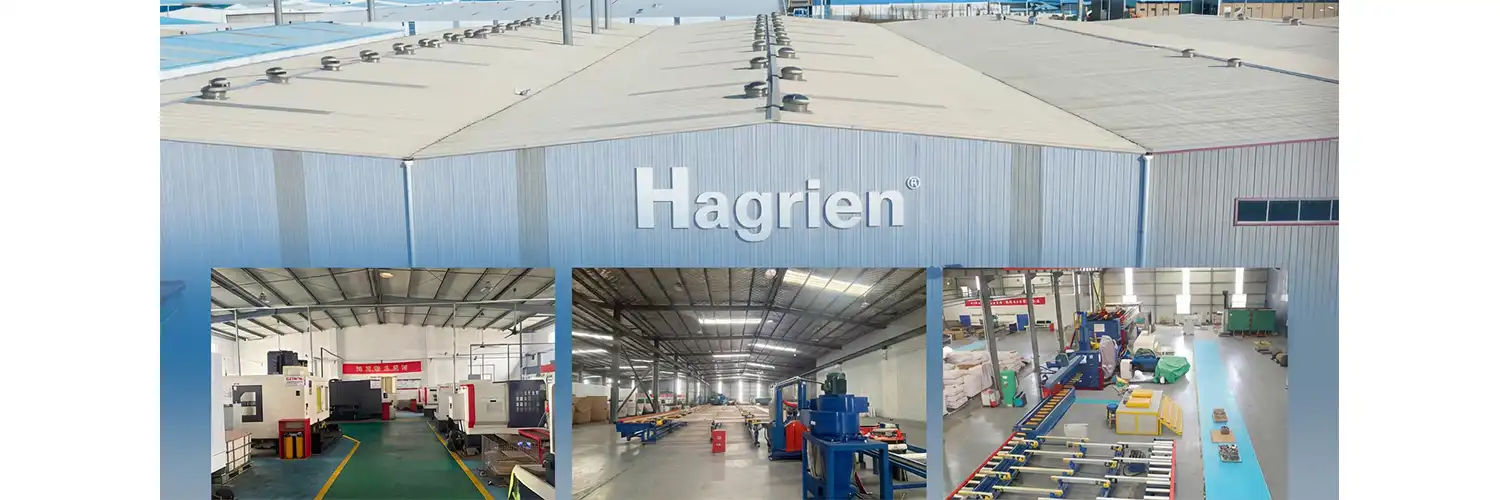
With its 3,600-ton and 5,600-ton extrusion presses, HAGRIEN can make dissolvable magnesium alloy bars with diameters of up to 300 mm, which are among the biggest sizes on the market. This feature makes sure that each batch is the same, even for large-diameter jobs where material uniformity has a big effect on the yields of later operations. Since 2019, seven years of constant production experience gives us a deep understanding of the process and proof that our manufacturing is reliable. Our U.S. branch handles North American shipping and customer service, combining the responsiveness of a local office with the manufacturing benefits of our Xi'an sites. Procurement teams looking for a reliable supplier of no retrieval required magnesium alloy Hexagonal Bar should look at more than just the prices they quote. They should also look at the total value they deliver, including the consistency of the materials, the completeness of the documentation, the quality of the technical support, and the supply chain's ability to withstand multiple project lifecycles.
Conclusion
Dissolvable magnesium alloy finishing materials cut costs by getting rid of the need for retrieval operations, cutting down on rig time, and making wellbore involvement simpler. The no retrieval required magnesium alloy Hexagonal Bar is an excellent example of how careful material design—combining optimised shape, designed alloy chemistry, and stringent quality control—translates technical innovation into cost savings. Operators can predict how the material will dissolve, suppliers can be sure that the material will perform consistently, and procurement teams can get certified materials that come with full documentation and quick engineering support. As methods of finishing become more efficient and less harmful to the environment, dissolvable magnesium alloys are a tried-and-true technology that can be used right away in conventional, unconventional, offshore, and new energy uses.
 FAQ
FAQ
1. How long does dissolution typically take?
Dissolution times vary from 4 hours to several weeks and depend on the alloy's composition, temperature, fluid salinity, and pH. HAGRIEN designs alloy systems to meet specific operational needs, making sure materials stay solid during important operations but dissolve in a predictable way afterward. Before they are used in the field, HTHP tests in the lab make sure that the dissolution rates are correct under simulated downhole conditions.
2. Are these materials compatible with all well fluids?
Most completion and production fluids, such as groundwater, brines, and fluids based on hydrocarbons, don't affect the performance of magnesium alloys. Extremely acidic environments or some chemical additives may speed up dissolution beyond what was intended. When choosing a material, it's important to think about how it will be exposed to fluids over the tool's useful life. Based on a thorough study of the fluids, our engineering team gives advice on suitability.
3. What certifications should I look for?
Suppliers with a good reputation keep at least ISO 9001 quality control certification. The ISO 14001 certification for environmental management and the ISO 45001 certification for health and safety at work show that there are thorough controls in place. A lab's ability to do tests is confirmed by a CNAS or equivalent accreditation. Industry-specific licenses, such as API knowledge, show that you know what the needs of the oil and gas industry are. You can meet your supplier qualification and audit requirements with full documentation packages that include COA, COC, SDS, and batch traceability.
Partner with HAGRIEN for Reliable Dissolvable Magnesium Alloy Solutions
Enterprise-grade no retrieval required magnesium alloy Hexagonal Bars are delivered by HAGRIEN and are designed for tough finishing tasks. Our fully integrated manufacturing process, which includes creating alloys and precisely extruding them, guarantees consistent batch performance and predictable dissolution performance across all of your tools. We offer the quality assurance and technical support your projects need with HTHP testing that is approved by CNAS, ISO certifications, and seven years of production experience. Standard sizes ship within two to four weeks and come with all the paperwork needed to track them (COA, COC, and SDS are all provided). Custom alloy formulations and geometries are sent out in 4 to 8 weeks, but there are options to get them faster if you need them quickly. Get in touch with our team at cyrus@us-hagrien.com to talk about your application needs and get a full quote. Find out how working with a reliable no retrieval required magnesium alloy Hexagonal Bar maker can help you get your product to market faster and with less risk in the supply chain.
 References
1. Smith, J.R., and Thompson, M.L. (2021). "Cost Analysis of Dissolvable Completion Technologies in Unconventional Wells." Journal of Petroleum Technology, Vol. 73, No. 4, pp. 45-52.
2. Anderson, K.P., et al. (2020). "Metallurgical Design of Controlled-Dissolution Magnesium Alloys for Downhole Applications." Materials Science and Engineering: A, Vol. 789, Article 139634.
3. Williams, C.D. (2022). "Operational Efficiency Gains from Dissolvable Bridge Plugs in Multi-Stage Fracturing." SPE Production & Operations, Vol. 37, No. 2, pp. 312-325.
4. Chen, Y., and Roberts, D.A. (2019). "Electrochemical Dissolution Behavior of Magnesium Alloys in High-Temperature Brine Environments." Corrosion Science, Vol. 156, pp. 78-89.
5. Martinez, L.F., et al. (2023). "Environmental and Economic Benefits of Dissolvable Completion Materials in Offshore Operations." Offshore Technology Conference Proceedings, Paper OTC-31456-MS.
6. Johnson, R.E., and Parker, S.M. (2021). "Material Selection Criteria for Dissolvable Downhole Tools: A Comprehensive Study." Journal of Natural Gas Science and Engineering, Vol. 88, Article 103815.

USER EVALUATE
Here is the customer's evaluation of us