




How to Choose a Multistage Completion System for Your Well
Choosing the right multistage completion system starts with understanding your well's specific conditions—casing size, reservoir pressure, temperature, fluid chemistry, and target stage count. A well-matched system reduces intervention frequency, shortens time-to-production, and keeps per-well costs predictable. For procurement teams managing multiple projects simultaneously, the vendor's ability to deliver materials, tools, and sealing elements as a single traceable package matters as much as the product specs themselves. This guide walks through the key selection criteria, technology comparisons, and qualification questions that help you narrow the field to suppliers who can actually deliver at project scale.
Understanding Multistage Completion Systems
A multistage completion system segments a horizontal or deviated wellbore into independently treated zones, allowing operators to place hydraulic fractures or injection fluids exactly where the reservoir needs them. Rather than treating the entire lateral as one interval, each zone gets a dedicated stimulation event—dramatically improving stimulated reservoir volume (SRV) and production uniformity.
How the Technology Works
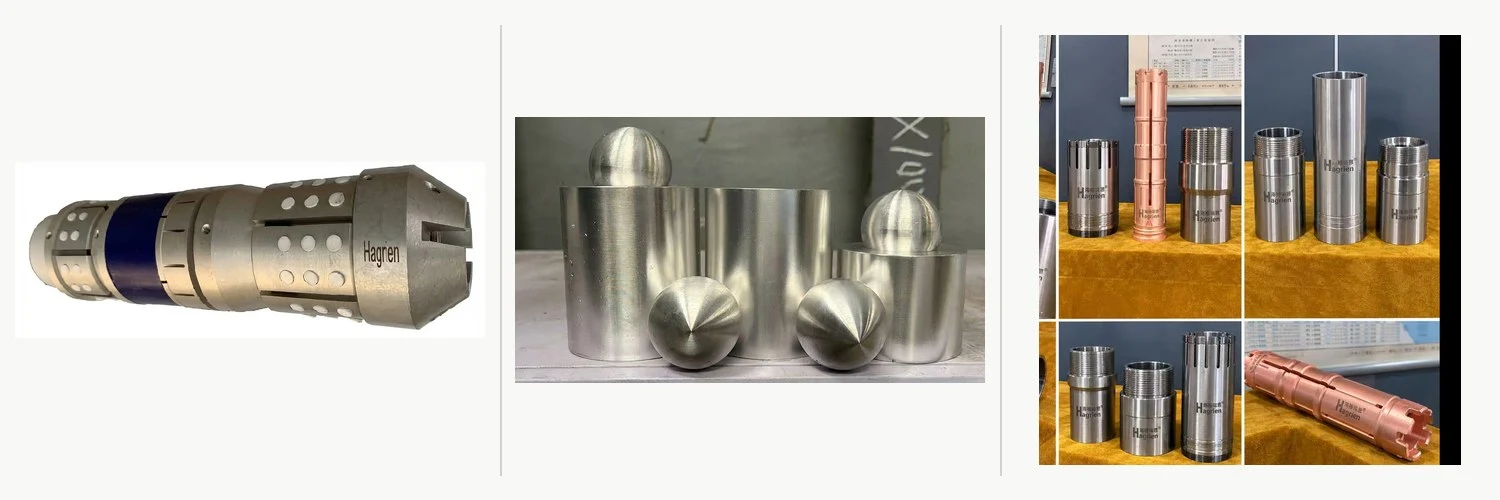
Zonal isolation is achieved through packers, frac plugs, or sliding sleeves installed along the casing string. Once each zone is isolated, fracturing fluid is pumped at the designed rate and pressure to generate fracture networks. Dissolvable sealing elements—such as dissolvable magnesium alloy frac balls—hold isolation temporarily and degrade on schedule, eliminating flowback restrictions.
Hydraulic vs. Mechanical Configurations
Hydraulic systems rely on coiled tubing or wireline to set packers and activate stages sequentially. Mechanical systems—like key-activated sliding sleeves—install with the casing string and open on demand without additional intervention runs. Mechanical systems typically deliver faster cycle times because pumping continues without stopping for wireline operations between stages.
Why Stage Count Matters?
In unconventional shale wells, operators commonly run 30 to 80+ fracturing stages per lateral. According to the U.S. Energy Information Administration, horizontal well completions in major shale plays account for the majority of new production additions. Every stage skipped or poorly isolated represents stranded reserve value.
 Core Criteria for Choosing the Right Multistage Completion System
Picking the right system isn't just a matter of looking through a catalog; it's an engineering and buying choice that has real project cost effects. At the field level, these are the most important criteria.
Well and Reservoir Parameters
Choices of materials are limited by pressure ratings, bottomhole temperature, formation minerals, and brine saltiness. A system that is rated for 10,000 psi at 300°F works very differently than one that is rated for 15,000 psi at 450°F. Before shortlisting vendors, you should always make sure that the system's pressure-temperature envelope matches the data from your wellbore.
Operational Application
Find out if the system is for main fracture, re-fracturing an old well, toe-stage initiation, or a finishing program that doesn't need any help. For each use, the way the tool is activated, how long the closing element needs to last, and the shape of the hole must be different. For deepwater or extended-reach laterals, the cost of intervention per run can be higher than the cost of the completion tools. This is why plans that don't require intervention should be given top consideration.
Budget and Lifecycle Cost
The unit cost at the start doesn't always tell the whole story. Think about cutting down on wireline runs, saving rig time, and lowering the risk of non-productive time (NPT). A system that costs more to build but doesn't need wires usually has a lower cost-per-BOE than a cheaper tool that needs five intervention runs.
 Comparison of Popular Multistage Completion Systems on the Market
The North American market is mostly made up of three main architectures right now: plug-and-perf, ball-drop sliding sleeves, and key-activated sliding sleeves. Each has different pros and cons when it comes to stage count flexibility, the need for assistance, and managing post-frac flowback.
Plug-and-Perf Systems
Plug-and-perf (PnP) lets you have as many stages as you want, and there are no geometric limits on how far apart they can be. It takes longer because each step needs a cable run to set the frac plug and perforate. Wireline time adds days to the plan for wells with 50 or more steps. Because it is flexible, PnP is still the most popular method in North American shale, but there is real risk of intervention costs.
Ball-Drop Sliding Sleeves
Ball-drop devices let the pumping go on between steps by dropping balls that get bigger as they go through each sleeve. This gets rid of all wireline runs but limits the number of stages to the number of ball-seat size steps that are possible. Using designed magnesium alloy balls that are tuned to the specific chemistry and temperature of the brine solves the problem of flowback restriction by breaking down on schedule after stimulation.
Key-Activated Sliding Sleeves (HAGRIEN System)
The key-activated sliding sleeve system from HAGRIEN is installed with the casing string and lets operators run all the fracturing stages at the same time without having to use wireline runs or perforating guns. Each sleeve opens preferentially when told to, allowing for full-bore internal width once activated. This design gets rid of the stage-count limit that comes with ball-drop methods while keeping the benefit of not needing any help. The HAGRIEN system is made with closed-loop quality control in mind, with testing that is approved by the CNAS and full batch traceability at every component level. It can be used with dissolvable sealing elements for temporary zone isolation. When operators use this design, they always get to production weeks before operators who use similar plug-and-perf tools.
Because of these differences in architecture, choosing a provider is not only a business choice, but also a technical one. What you should do depends on how many stages you have, how long the side is, how much money you have for interventions, and how much risk you are willing to take with the plan.
 Best Practices for Implementation and Optimization
Even the best-specified multistage completion system won't work well if it's not installed and supervised properly. These are the things that experienced completion teams always do.
Pre-Installation Planning
Check that the current wellbore survey, casing drift ID, and cement job quality report match the completion design before you buy tools. Instead of just what works best for the rig, stage spacing should be based on data from perforation cluster modeling and reservoir heterogeneity.
Quality Assurance at Receiving
There should be a full Material Test Report (MTR), records of hydraulic and gas pressure tests, and NDT reports for every batch of parts that come in. For elements that dissolve, make sure the degradation test was done at the real acidity and temperature of the bottomhole brine, not under standard lab conditions. To help with this step, HAGRIEN gives COA/COC documentation at the batch level and CNAS-accredited lab records.
Performance Monitoring and Troubleshooting
In real time, you can keep track of the treating pressure, rate, and proppant placement details for each step. Anomalies, such as screen-outs, pressure spikes, or fluid losses that can't be explained, show problems with zone isolation or mechanical issues that need to be fixed before moving on to the next stage. Post-job output logs by zone help confirm SRV and help with choices about re-fracturing wells that are already working well.
Case Studies: Successful Multistage Completion Projects
Shale Re-Fracturing with Sliding Sleeves
In the Permian Basin, an operator re-stimulated old horizontal wells by using re-closable moving tubes to get to pay zones that had been missed. The interventionless re-entry got production rates back to where they were after dropping 60% from their peak. It also got rid of the costs of the workover rig. A traceable, batch-consistent sleeve assembly that matched the original casing architecture was the most important thing that made it possible.
Deepwater Lateral with Dissolvable Sealing Elements
On a 12,000-foot extended-reach lateral in the Gulf of Mexico, an operator switched out the old wireline-set plugs for ones made of a dissolvable magnesium alloy. The number of intervention runs dropped from 14 to zero, and the wellbore was ready for production flow 48 hours after the last stage of fracturing was finished, which was weeks ahead of plan.
Integration Procurement on a 40-Well Pad Program
A big oilfield services company put all of its materials, tools, sealing elements, and setting tools from different suppliers into one qualified vendor. Interface management took a lot less time, and audit paperwork was made consistent across the whole program. This got rid of the file-gap issues that made the third-party review harder the previous year.
There is a pattern to these examples: the biggest benefits didn't come from choosing the most technically advanced product. Instead, they came from making sure the system architecture fit the well program and working with a vendor who could provide full, traceable package documentation.
Conclusion
Selecting a multistage completion system is a decision that touches engineering specifications, supply chain reliability, schedule risk, and audit readiness simultaneously. The most effective approach is to define your well's operating envelope first, then qualify vendors who can deliver complete tool-material-seal combinations under a single traceable quality framework. Vendors with API Spec Q1 registration, CNAS-accredited testing, and demonstrated project-cadence delivery capacity reduce the coordination burden on your procurement and engineering teams. HAGRIEN brings all of these elements together in one integrated supplier relationship.
FAQ
1. What is the main difference between plug-and-perf and sliding sleeve systems?
Plug-and-perf offers unlimited stage count but requires a wireline run between each stage. Sliding sleeve systems—especially key-activated designs—allow continuous pumping with no intervention between stages, which shortens completion time significantly.
2. How do dissolvable frac balls ensure reliable zonal isolation?
Dissolution reliability comes from testing the ball material at the actual wellbore brine chemistry and temperature. HAGRIEN engineers its dissolvable magnesium alloy balls to specific operating windows, confirming that each batch holds pressure for the required duration before degrading.
3. Can a multistage completion system work in H2S environments?
Yes. Systems built from L80, 13Cr, or nickel-based alloys following NACE MR0175/ISO 15156 specifications handle sour service conditions. Material selection must match the confirmed H2S partial pressure in your specific wellbore.
4. What causes zonal isolation failure?
Common causes include improper packer setting, elastomer degradation from chemical incompatibility, and micro-annular leaks in the cement sheath. Selecting ISO 14310 V0-rated equipment and confirming cement integrity before stimulation reduces this risk.
5. Is re-fracturing possible with an existing completion?
Yes. Systems with re-closable sliding sleeves allow targeted re-stimulation of specific zones without a full workover, provided the original sleeve assembly is compatible with current wellbore conditions.
Partner with HAGRIEN for Your Next Multistage Completion System Project
Oilfield services companies and users all over North America buy integrated multistage completion system solutions from HAGRIEN. These systems include key-activated sliding sleeves, dissolvable sealing elements, setting tools, and tracked material packages. Our lab is certified by the CNAS, we have API certification, and we can track each batch in a closed loop. These features meet the documentation standards you need at every step of the supplier approval process. It takes 2–4 weeks to ship standard parts, and 4–8 weeks for special engineering windows. Get in touch with our team right away to ask for a standard quote package or to talk about regional stocking choices that fit your project's plan. cyrus@us-hagrien.com or us-hagrien.com are both ways to get in touch with us.
References
1. U.S. Energy Information Administration. Hydraulically Fractured Wells Provide Two-Thirds of U.S. Natural Gas Production. EIA, 2016.
2. Society of Petroleum Engineers. SPE 184854: Multistage Fracturing in Unconventional Reservoirs: Design, Execution, and Optimization. SPE, 2017.
3. Economides, M.J., & Nolte, K.G. Reservoir Stimulation (3rd ed.). Wiley, 2000.
4. American Petroleum Institute. API Spec Q1: Specification for Quality Management System Requirements for Manufacturing Organizations for the Petroleum and Natural Gas Industry (9th ed.). API, 2013.
5. International Organization for Standardization. ISO 14310: Petroleum and Natural Gas Industries — Downhole Equipment — Packers and Bridge Plugs. ISO, 2008.
6. Gomaa, A.M., et al. SPE 173364: Evaluation of Dissolvable Frac Plugs for Multistage Fracturing Operations in Horizontal Wells. SPE, 2015.

USER EVALUATE
Here is the customer's evaluation of us