




How to Select a Dissolvable Seal Ring for Downhole Isolation
Selecting a dissolvable seal ring for downhole isolation requires more than matching a nominal size or pressure rating. Engineers need to assess the operating temperature, differential pressure, fluid chemistry, the sealing time needed and the desired end-of-service behavior. This should then be evaluated against the actual design of the completion considering material compatibility, groove geometry and test data.
This document demonstrates how finishing tool engineers, sourcing teams and distributors may assess a dissolvable seal ring, examine different sealing options and produce a technical request for quote (RFQ). The aim is to demonstrate that the component can provide the required seal over the period of the operating life and achieve an acceptable end state in the environment of the intended well.
What a Dissolvable Seal Ring Does Downhole?
A Temporary Barrier That Removes Itself
A dissolvable seal ring is intended to provide temporary sealing within a downhole tool. Installed in a designated groove, it helps restrict fluid flow across a sealing interface while the tool performs its intended function. Depending on the product design, the ring or its sealing function may subsequently be removed through a defined material-loss or degradation process.
These findings vary. The lack of sealing ability of a component does not indicate that it is completely dissolved. The rest of the material might still change the flow path of the tool. Therefore, the intended end-state should be specified before product selection. Relevant acceptance criteria might include the maintained sealing performance during the operating length, time to lose such performance, residual material and the resultant flow-path condition.
In certain stage completions it may be necessary to temporarily isolate during a given pumping phase. Once the whole tool system is designed and qualified for that particular sequence of operations, a dissolvable component might aid in eliminating the need for a separate retrieval or milling operation. Depending on the tool configuration, the component behavior and the well conditions, it may eliminate an intervention.
What Controls Dissolution Timing
Dissolution behavior depends on the material, the fluid environment, the form of the component and the exposure conditions. The observed result may be impacted by temperature, salinity, pH, fluid composition, velocity, exposed surface area and ratio of exposed area to material volume. The significance of these criteria relative to one another depends on the content and the way the exam is set up.
Laboratory brine dissolve time measurements should not be construed as field dissolve time. Differences in fluid chemistry, exposure, heat history, and part size may explain different outcomes. Testing should thus record the fluid composition, temperature, exposure time, form of the specimen and measurement technique.
ASTM G31 is a laboratory immersion corrosion test for metallic materials. It may be relevant if you are thinking about a metallic dissolvable part but it is not the sole aspect that will impact the dissolving performance of a total sealing assembly. ASTM D471 covers the effect of liquids on the rubber properties such change in volume and hardness. It may be helpful in the assessment of elastomer-fluid compatibility, but is not a qualifying process for a dissolvable seal ring by itself. The selection of test methodologies should be driven by the material being tested and the performance claims being tested.
HAGRIEN Dissolvable Seal Ring Product Overview
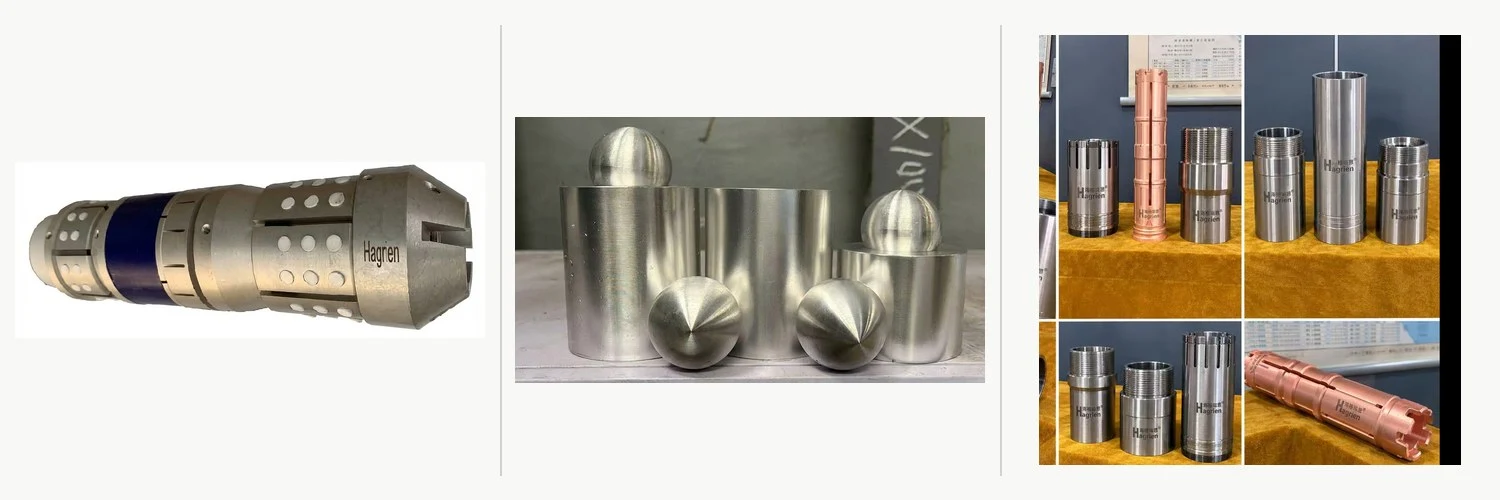
When evaluating HAGRIEN dissolvable seal ring, the first step is to confirm the construction of the specific product. An elastomer sealing element, a dissolvable metallic component, and a combined assembly can have different operating mechanisms and qualification requirements. The material description and intended end-of-service behavior should be confirmed before a product is selected.
NBR, HNBR, FKM and EPDM are families of elastomers having varied temperature and fluid compatibility. The presence of them in a material discussion does not, in and of itself, prove a given compound will dissolve in wellbore fluids. If an application needs a ring dissolve, then the product specific proof needs to justify the suggested material and how it loses its function.
Temperature range as per HAGRIEN's product description is -50 °C to +260 °C with pressure ratings of up to 15,000 psi. These numbers should be checked against the actual product, compound, dimensions, pressure circumstances and accompanying test data, before being utilized as selection limits. These are not to be considered as an overall ranking of all rings or materials.
Applications include frac plugs, bridge plugs, packers and other completion equipment, providing the ring design is compliant with the sealing interface and operational criteria involved. The buyer must give the application of the tool, drawing, operating circumstances, and sealing and post-operation performance criteria needed to do a technical assessment. Check the appropriate HAGRIEN’s material paperwork, production information and traceability requirements for the individual order.
 Define Conditions and Choose the Right Dissolvable Seal Ring Material
Step 1: Write Down the Well and Tool Conditions
It begins with the operating envelope and the tool interface. Where applicable the specification should indicate installation depth, normal and maximum temperatures, differential pressure, direction of pressure, estimated holding duration and the required end-of-service behavior. Fluid information should include composition, brine content, pH (if known), acid exposure, presence of CO2 or H2S (if applicable).
Distinguish between normal operating values and credible worst-case situations. This helps the engineers to see whether the proposed component has adequate performance margin, and if more testing is needed. Thermal cycling, pressure cycling, flow conditions and expected fluid exposure should also be noted if they may impact sealing or material loss.
Special care should be made to materials and atmosphere for sour service. The scope of the standard is the selection and qualification of materials for use in H 2 S service. The standard ISO 15156 is covered. This does not mean blanket certification for a whole seal ring or downhole tool. See the appropriate service conditions and material requirements in the competent materials or completion engineer.
The tool interface is important as well. State groove size, tolerances, finish, backup-ring configuration, assembly procedure and installation clearance. The supplier may use these inputs to decide whether the proposed material and form need additional investigation or testing.
Step 2: Match the Compound and Alloy to the Fluid
The material selection of elastomer sealing element has to be made on the basis of fluid compatibility and mechanical performance at operating temperature. NBR, HNBR, FKM and EPDM vary in their resistance to hydrocarbons, water-based fluids, heat and some chemicals. General descriptions of materials are helpful in screening candidates, although the specific chemical composition and test circumstances will decide whether a material is suited for a certain application.
General elastomer selection and fluid compatibility are covered in the Parker O-Ring Handbook. This advise is a starting point and does not replace the evaluation of the compound under the projected downhole circumstances. Sealing performance may be affected by swelling, change of hardness, loss of strength, compression behavior and extrusion resistance.
Metallic dissolvable components must be evaluated separately. In the case when a dissolvable magnesium-alloy component is included in the completion design, the alloy composition, processing route, shape and exposure circumstances should be evaluated separately of the elastomer seal. HAGRIEN says it can melt, extrude and machine dissolvable magnesium alloy. Whether these capabilities can be applied to a particular component should be verified during technical assessment.
Metallic dissolution is a separate technical concern from elastomer compatibility. Don’t expect an elastomer compound to disintegrate because a metal component in the same tool is intended to do so. Request specific material identification, applicable test data and proof that the proposed component fulfills the requisite sealing time and end-state requirements.
Step 3: Compare a Dissolvable Seal Ring With Other Sealing Options
The suitable sealing solution is determined by the desired service life, the tool architecture and the accessible removal technique.
A permanent seal may be suitable if long-term isolation is needed. A drillable part may be okay if a scheduled milling operation is permissible. A frangible component is intended to break or fragment under certain circumstances but attention must be paid to the fragments and their influence on following activities. A dissolvable component may be useful in situations where a separate removal process is not desired and where fluid exposure might cause the material change of interest.
These categories should not be seen as interchangeable across the board. A dissolvable seal ring is only a good contender if its material behavior, sealing performance and post-operation condition are compatible with the tool and well environment.
Compare prospective solutions using the same criteria: pressure and temperature requirements, sealing time needed, removal method, dependency on fluids, installation requirements, certification evidence, delivery circumstances and overall operating cost. If the fluid on hand cannot create the desired change in the material , or if the application calls for permanent sealing over a lengthy period of time , another option may be preferable .
The ultimate choice has to be taken by the whole completion system, not just the component name. Compatibility and testing at the tool level is especially crucial when a change in seal design impacts isolation, flow access or future operations.
Confirm Fit, Geometry, and Performance
Step 4: Match Size and Groove Geometry
Dimensional compatibility is critical to sealing performance. Nominal diameter is insufficient to establish fit. The provider should check a dimensioned design with tolerances on inner diameter, outer diameter, cross section, axial width where applicable, groove depth and the required assembly clearances.
The contact pressure, distortion, extrusion risk and the area exposed to the surrounding fluid are affected by the groove shape and material qualities. Leakage, damage to assembly, loss of sealing ability at an unpredicted time or loss of material may be caused by improper fit. The real impact relies on seal design, operating circumstances and material.
HAGRIEN is suitable for a certain groove only after checking customer's drawing and the necessary tolerances. A drawing review may catch dimensions problems before to prototype or production, but does not replace the need to verify sealing performance under actual circumstances.
Confirm drawing revision, material identification, inspection standards, and acceptance requirements for bespoke profile prior to manufacturing. For repeat orders, confirm that the approved design and material specification correspond to the production order. Proposals to modify dimensions or material should be assessed for impact on fit, sealing behavior and the desired end state.
Step 5: Install Carefully and Test Under Real Conditions
Before assembly check the part for apparent damage, contamination, corrosion (where applicable) and dimensional nonconformities. Ensure the groove is clean and within prescribed tolerances. Only use the lubricant, handling technique and installation fittings allowed for the application. Improper handling may harm a seal or affect its installed state.
The verification strategy should be a reflection of the planned service. Depending on design it may involve exposure to pressure and temperature, compatibility with fluid, pressure cycling, thermal cycling, holding duration and assessment of post-operation state. Not all candidates need the same test sequence . The strategy should be developed from the component material, shape, failure mechanisms and planned use.
Define your acceptance criteria before you test. Leakage, pressure stability, extrusion, dimensional change, material loss, residual debris, and if the resultant flow route fits the criteria of the tool, are all relevant observations. For a component that is expected to dissolve, describe how the endpoint will be measured rather than just by visual observation or the elapsed-time value solely.
API Specification 11D1 and ISO 14310 cover packers and bridge plugs . Requirements in these standards include validation of these tools. The applicability relies on the whole tool and the exact qualifying scope. The reference to these standards does not imply that each single seal ring is certified independently or that all test requirements apply directly to the component.
HAGRIEN’s list of laboratory capabilities includes high temperature, high pressure testing. Before using a particular test as an approved validation, make sure you check the laboratory’s current accreditation status, relevant scope and if the technique requested is included in that scope. Test records should specify the sample, material, circumstances, process and acceptance criteria so that findings may be analyzed in context.
Keep Records That Prove the Result
The most valuable test findings are those that can be related to a particular product specification and manufacturing batch. Depending on the buying requirements, the paperwork package may include: Certificate of Analysis (COA), Certificate of Conformance (COC), Safety Data Sheet (SDS), dimensional inspection records, material identification and batch traceability information.
The documentation must allow comparison of the delivered element with the approved specification and identification of the relevant test results. A generic material certificate should not be used as evidence that the completed ring fulfills its pressure, temperature, sealing time or dissolution criteria.
Please check for HAGRIEN orders what records are accessible for the particular product and what is included in the quote. Buyers should also define change control and nonconformance processes. For example, how are material replacements, drawing modifications or process changes notified and approved?
Traceability helps with quality inquiries but does not show performance on its own. The strongest documentation package relates the component being delivered to the material’s identification, the production records, inspection findings and applicable qualification proof.
 Evaluate Dissolvable Seal Ring Suppliers, Pricing, and Risk
Step 6: Judge the Supplier on Capability and Control
Supplier evaluation should focus on whether the company can consistently manufacture the specified component and provide evidence that it meets the agreed requirements. Relevant areas include material control, dimensional inspection, process documentation, change management, traceability, and the ability to address technical questions before production.
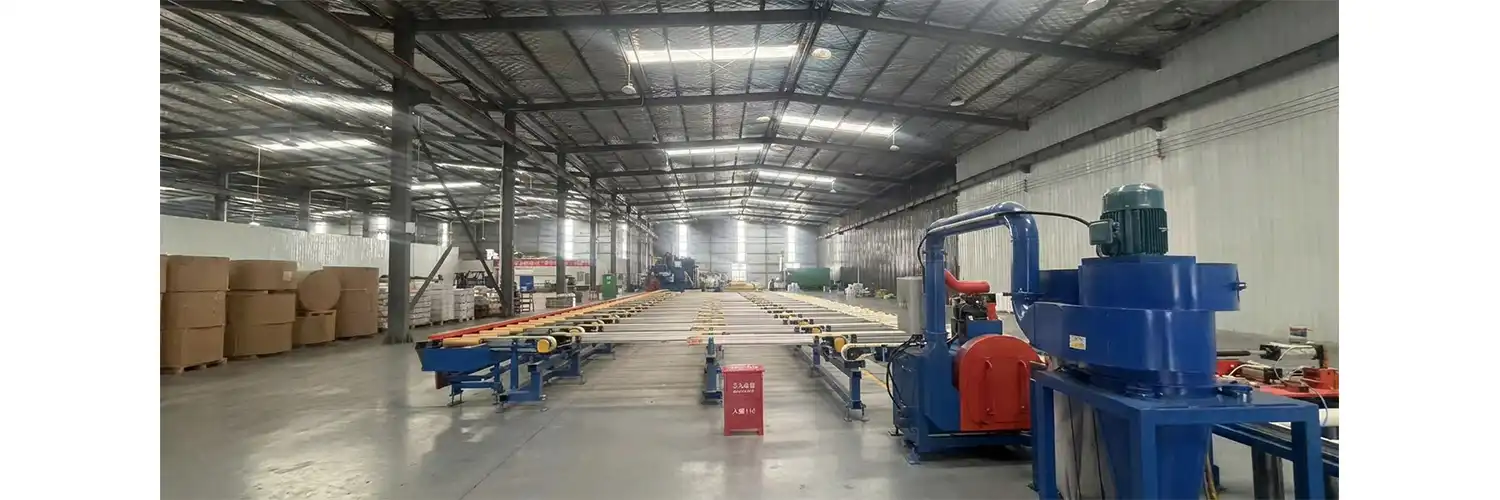
HAGRIEN states that it has production and validation experience dating from 2019, along with in-house alloy melting, extrusion, and precision machining capabilities. Its stated extrusion equipment includes 3,600-ton and 5,600-ton presses, and its stated capability for dissolvable magnesium-alloy bars extends to diameters of up to Ø300 mm. These manufacturing details relate to the relevant metallic components; they should not be interpreted as independent proof of the performance of every dissolvable seal ring.
Before relying on a supplier's stated production capability, request the documentation relevant to the product and manufacturing process under review. Confirm whether the proposed equipment, material route, and inspection methods are suitable for the requested part and whether the supplier can provide the required records.
HAGRIEN also identifies ISO 9001, ISO 14001, ISO 45001, and API-related credentials in its company information. The exact certificate or license names, issuing bodies, numbers, validity, and scope should be verified before these are used as procurement criteria. The term “API” alone is not sufficiently specific to establish which certification or license is held.
For OEM/ODM, private-label, or distribution arrangements, clarify drawing ownership, product identification, inspection requirements, order quantities, packaging, stock availability, and the responsibilities of each party. Any claim about safety stock or standard-profile availability should be confirmed for the requested specification and order quantity.
Build an RFQ That Gets a Useful Quote
A useful RFQ gives the supplier enough information to evaluate technical fit, identify missing inputs, and prepare a commercially meaningful response. Organize the request into three packages:
- Technical package: Provide a dimensioned drawing with tolerances, groove details, pressure and temperature conditions, fluid chemistry, brine concentration where relevant, required sealing duration, and the target end-of-service condition. Include the intended tool and any applicable test or acceptance requirements. Identify unknown conditions rather than leaving the supplier to assume them.
- Commercial package: Specify sample quantities, trial-lot quantities, estimated annual demand if available, packaging requirements, delivery destination, preferred Incoterms, and acceptable minimum order quantity. Ask the supplier to identify any quantity-dependent pricing or lead-time conditions.
- Documentation package: List the required COA, COC, SDS, inspection records, traceability information, qualification reports, and any witness-testing or supplier-audit requirements. Confirm which documents are available before placing the order.
These details help reduce clarification cycles, but they do not remove the need for a technical review when the application or performance criteria are incomplete.
HAGRIEN's stated response target is to confirm requirements within 24 hours. Its stated lead-time ranges are 2–4 weeks for standard profiles and 4–8 weeks for customized solutions. Confirm these timelines for the actual drawing, material, order quantity, testing requirements, and delivery terms before relying on them in a project schedule. The quotation should identify the assumptions and conditions behind the proposed lead time.
 Use a Decision Matrix to Choose the Best Dissolvable Seal Ring
A weighted decision matrix can make supplier comparisons more consistent. Establish the criteria before reviewing quotations, then assign weights according to the application. Pressure integrity and the required sealing period may be critical for one tool, while fluid compatibility, material-loss behavior, dimensional fit, qualification evidence, and supply continuity may be decisive in another.
Score each candidate against the same evidence requirements. A score should reflect documented results or a clearly identified information gap, rather than an unsupported supplier claim. For example, a candidate with no applicable pressure-test report should not receive the same evidence score as one with a report that covers the specified conditions.
The weights should reflect the consequences of failure. A component used in a high-pressure application may require more stringent verification than one operating under less demanding conditions. Where H₂S or elevated temperature is present, relevant material and environmental qualification should also be considered.
Price belongs in the comparison, but it should be evaluated alongside the cost of qualification, assembly, potential rework, removal operations, delivery risk, and the consequences of a failed stage. Avoid assigning an artificially precise score when the underlying data is incomplete. Record unresolved technical questions and close them before final approval.
Avoid Common Selection Mistakes
Several selection errors can be avoided by defining requirements before comparing products.
First, do not select a component solely by a broad material label such as “magnesium” or “FKM.” The exact grade or compound, geometry, and intended function matter. Second, do not treat a laboratory dissolution or material-loss time as a guaranteed field result without considering the difference between test and well conditions.
Third, verify the groove dimensions and assembly tolerances rather than relying on a nominal size. Fourth, distinguish loss of sealing function from complete dissolution or clearance of residual material. These outcomes require different acceptance criteria.
Finally, avoid making a purchase decision on unit price alone. Compare technical evidence, documentation, availability, and the operational consequences of using each candidate. When critical information is missing, request clarification or additional testing rather than assuming the product is suitable.
Conclusion
Selecting a dissolvable seal ring requires a clear definition of the operating conditions, material requirements, groove geometry, required sealing period, and acceptable end-of-service condition. Elastomer compounds and metallic dissolvable materials have different properties and mechanisms, so their selection and testing should be handled separately unless a documented assembly design connects them.
Dimensional review, application-relevant testing, and batch-linked documentation help establish whether a candidate is suitable for the intended downhole tool. Supplier capability and commercial terms also matter, but they should be evaluated against the actual specification and supporting evidence.
For HAGRIEN, the next step is to confirm the specific product construction, applicable ratings, available test records, and delivery conditions against the customer's requirements. A well-defined specification makes the comparison more reliable and reduces the risk of selecting a component based on assumptions rather than verified performance.
FAQ
1. How long does a dissolvable seal ring take to dissolve?
There is no universal dissolution time that applies to every material and well. Temperature, fluid composition, salinity, pH, exposure, geometry, and the measurement method can all affect the observed result. Ask the supplier to identify the test conditions and define whether the reported endpoint represents mass loss, dimensional change, loss of sealing function, or another acceptance criterion. A laboratory result should not be treated as a field guarantee without application-specific evaluation.
2. Can a dissolvable seal ring hold pressure before it dissolves?
It can be designed to maintain sealing performance for a specified period, provided the material, geometry, groove, and operating conditions are suitable. HAGRIEN's stated product information includes pressure ratings up to 15,000 psi, but the applicable rating must be confirmed for the exact product and test conditions. Before field use, review the supporting documentation and determine whether testing under representative pressure, temperature, fluid, and holding-time conditions is required.
3. What should I send for a quote?
Provide a dimensioned drawing with tolerances, the tool and groove details, pressure and temperature conditions, fluid information, the required sealing duration, and the target end-of-service condition. Include the requested quantity, delivery destination, and documentation requirements such as COA and COC. If any operating data is unavailable, identify the gap so the supplier can clarify what is needed for a meaningful technical review. HAGRIEN's quotation timeline should be confirmed for the actual specification and order requirements.
Request a HAGRIEN Dissolvable Seal Ring Quote
To review a dissolvable seal ring for your downhole application, send HAGRIEN the component drawing, groove dimensions, operating pressure and temperature, fluid information, required sealing duration, and target end-of-service condition.
Email: cyrus@us-hagrien.com
The technical review should confirm the proposed product construction, material suitability, applicable performance limits, available test documentation, and any additional qualification requirements. Once the specification and commercial details are clear, HAGRIEN can confirm the quotation and delivery schedule for the requested order. Visit us-hagrien.com for more details.
References
1. API Specification 11D1, Packers and Bridge Plugs. Confirm the applicable edition and requirements for the tool under review.
2. ISO 14310, Petroleum and Natural Gas Industries — Downhole Equipment — Packers and Bridge Plugs. Confirm the applicable edition and scope.
3. ASTM D471, Standard Test Method for Rubber Property—Effect of Liquids. Consult the applicable edition and determine whether the method supports the specific elastomer evaluation.
4. ASTM G31, Standard Guide for Laboratory Immersion Corrosion Testing of Metals. Use within its scope for relevant metallic-material immersion corrosion testing.
5. Parker O-Ring Handbook (ORD 5700). Consult the relevant material-selection guidance and confirm the applicable edition.
6. ISO 15156, Petroleum and Natural Gas Industries — Materials for Use in H₂S-Containing Environments in Oil and Gas Production. Confirm the applicable part, edition, and service conditions.

USER EVALUATE
Here is the customer's evaluation of us