




Selective Fracturing Sleeve: Improving Control Across Multiple Stages
A selective fracturing sleeve allows completion teams to control access to selected intervals during a multi-stage stimulation program. By opening certain ports according to the design of the completion, the system can support a planned stage sequence without having to use the same activation method that all other completion systems do. It works best when the sleeve is set up in a certain way and meets the necessary pressure and temperature levels. It also depends on the well's conditions.
HAGRIEN has sliding sleeve solutions that are activated by a key and are meant to be installed as part of a completion string. In a system that works with the target sleeve, a matching key engages it and moves it to open the right ports. Depending on how the finish is designed as a whole, this method may make some wireline-based opening activities less necessary. It is important to make sure that the configuration's stage capacity, internal drift width, pressure rating, and ability to work with other downhole parts are all correct.
This guide explains how a selective fracturing sleeve works, the engineering factors that affect how well it works, the situations in which it might be useful, and the details that buyers should look over before placing an order.
What Is a Selective Fracturing Sleeve and How Does It Work?
A Downhole Valve for Stage Access
A selective fracturing sleeve is a downhole completion component that controls fluid access through designated ports. Installed within the completion string, it can remain closed during run-in and open when the appropriate activation mechanism engages the sleeve.
Selective operation is mostly used to decide which interval gets treatment at a certain point in the completion sequence. This can be helpful if the planned stimulation program, the geology, or the goals of the reservoir call for different treatment steps along a side.
The level of selection relies on the shape of the sleeve, the triggering method, the order of the stages, and the way the device is used. Engineers should check how each sleeve is found and activated, how the opening event is confirmed, and whether the system can handle the actions that were planned.
For a selective fracturing sleeve, it's not enough to know if a port can open; it's also important to know if the right port can open reliably under normal operating conditions and if the flow path that forms meets the requirements for completion.
How Key Activation Works
The slide sleeve shape and the activation key of HAGRIEN's key actuated slide sleeve are of the same form. When the key touches the right profile with sufficient shifting force the sleeve moves to the right place to open its ports. That is why it is very important that key, sleeve profile, shifting force and tool setting work well together.
Keys are not the same as systems that use ball seats, darts, hydraulics or other moving devices. Each approach has its own rules on how to put things together, what is not allowed, what equipment is required, and how to deal with errors. The method used should be suitable to the design accomplished and the operational process contemplated.
Engineers designing a key activated system have to think about the sequence of activations, the force to make a shift, the profile compatibility and how to check that the door has really been opened. They also need to figure out what happens if the sleeve does not do what they want it to do.
It must comply with the planned order of stages, the completion string, the pump schedule and any contingency plans that may apply.
Why Stage Selection Limits Unintended Communication?
Reservoir properties can vary along a horizontal well, including rock quality, stress conditions, and formation permeability. A completion program may therefore require different treatment decisions for different intervals.
A selective fracturing sleeve can provide a means of controlling access to designated ports. However, opening the intended sleeve does not, by itself, guarantee isolation between every interval. Zonal isolation also depends on the completion design, sealing elements, packer arrangement where applicable, casing or cement integrity, and the pressure conditions during the job.
Some completion designs may use dissolvable sealing materials to provide interim sealing that will degrade under certain wellbore conditions. What occurs depends on the qualities of the material, the chemistry of the fluid, the temperature, the pressure and the length of contact. Open the sleeve anyway you choose, but check the needed separation time and the post-operation state.
The main goal for operators is to ensure that the criteria for stage selection and isolation are consistent with the plan for the reservoir. Any decrease in unwanted communication, fluid consumption or intervention work should be evaluated using evidence relevant to the well and its completion design.
 Design, Components, and Performance Requirements
Key Components That Drive Dependability
The performance of a selective fracturing sleeve depends on the interaction of its housing, sliding sleeve, ports, seals, locking features, activation profile, and string connections. Dimensional accuracy, material properties, surface condition, and manufacturing consistency can all affect shifting and sealing performance.
The size of the port affects the flow area that is available, and the shape of the sleeve and the triggering system decide how the part connects and moves. When choosing a seal, you need to think about the pressure, temperature, and fluid environment that you expect. The dimensions and tolerances of the connection must also match the completion equipment that is close by.
When it comes to stage isolation and supporting hardware, open-hole and cemented completions may have different needs. So, the finishing design needs to be looked over again before the final sleeve layout is chosen.
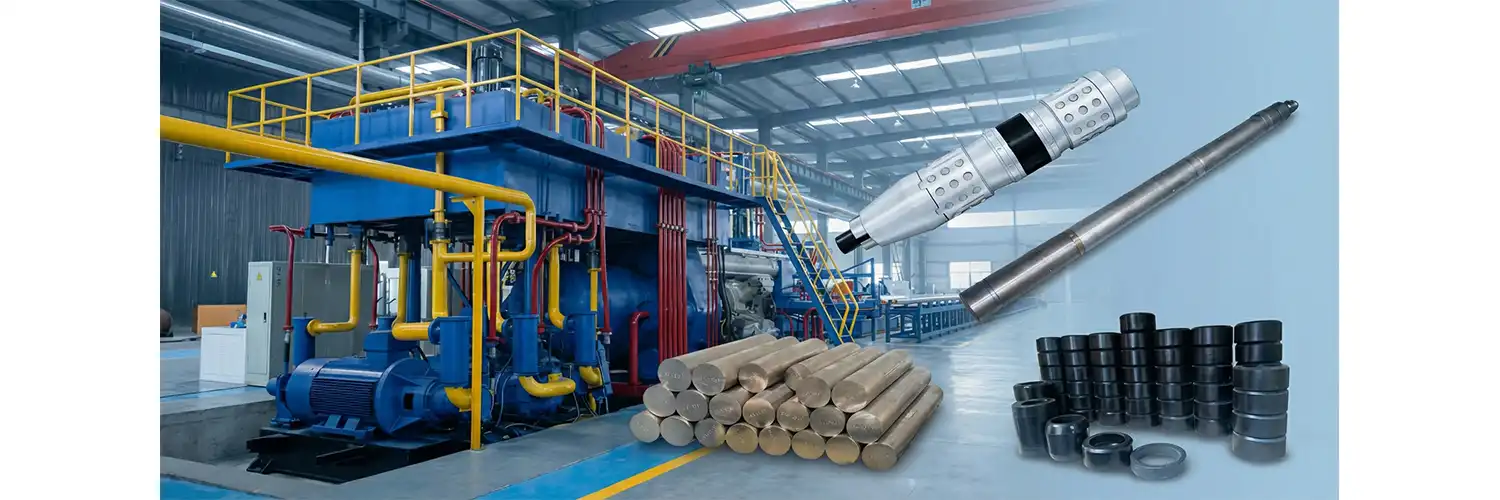
As part of its larger manufacturing powers, HAGRIEN says it can melt alloys, extrude them, and machine them precisely. It can also make parts made of dissolvable magnesium metal. These features may be useful for some downhole products, but you should check the product documentation to make sure they work with a certain selective fracturing sleeve or sealing component.
When looking over a design, make sure you get the relevant drawings, material specifications, records of dimensional inspections, and proof that it will work with the final assembly.
Pressure and Temperature Qualification
The pressure qualification should be representative of the loads that the component will see throughout the task. Depending on the design, this may involve working pressure, differential pressure, burst and collapse concerns, pressure testing, shut-in circumstances and transient loads. The component and the full assembly must be assigned the applicable limitations.
Temperature may effect seals, metallic parts, thermal expansion, friction, and the force needed to operate the sleeve. Materials should be selected based on the working circumstances and the length of exposure, and not on an arbitrary nominal temperature rating.
When examining a selective fracturing sleeve, seek product specific pressure test results, functional and shifting test records and dimensional inspection data when available. Confirm test setup, acceptance criteria and constraints so that findings may be connected to the intended use.
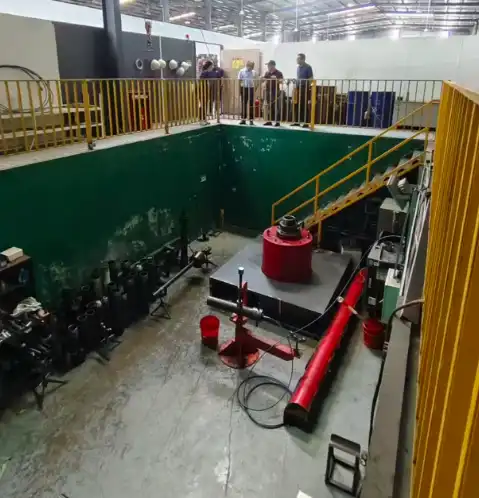
HAGRIEN is accepted by CNAS high temperature high pressure laboratory . Buyers must verify the current accreditation scope of the laboratory and which tests are included in the scope. Even if the lab is certified, that doesn’t mean that every product configuration has been approved for a specific well.
Define the material requirements for sour service applications containing hydrogen sulfide according to NACE MR0175/ISO 15156. Make the standard appropriate to the particular materials and service conditions. Do not use the standard as verification of conformity of the whole assembly in general.
Fluid Compatibility and Documentation
Fracturing fluids vary in composition and application. The compatibility evaluation should include the actual fluid system, which may consist of slickwater, gels, acids, friction reducers, breakers, biocides, brines, and if needed, proppant exposure.
If the review is about sliding sleeves, it should discuss the effect of the fluid environment on seals, metal surfaces, ports and moving interfaces. Including dissolvable elements complicates the design, because of the way they degrade. Their behavior may be affected by temperature, salinity, fluid chemistry, pressure and time of exposure.
You can’t simply glance at the name of the substance and predict how long you want the isolation time to be. Request test results for the proper formulation and exposure circumstances and create acceptance criteria for how well the sealing performs over the requisite service time and in the postulated state after service.
The material and part should be traceable to the batch provided. The package may include a certificate of analysis (COA), certificate of conformity (COC), safety data sheet (SDS), dimensional inspection records and test results as applicable. Well, it is contingent upon the conditions of purchasing. Find out what papers exist for the product and order them.
Clear documentation allows engineering and quality teams to assess whether the material is appropriate and monitor and investigate variations if field performance is not as expected.
Applications and Comparison with Other Completion Solutions
Multi-Stage Fracturing in Horizontal Shale Wells
A selective fracturing sleeve could be used in horizontal shale wells because completion designs may need controlled access to more than one interval along a lateral. The right order of stages depends on how the reservoir is evaluated, the well's shape, the way it is completed, and the goals of the stimulation.
If the systems work together, pressing a key can let the crew open certain bags in the right order. Whether this method gets rid of a certain wireline task depends on the system as a whole and how the sleeves are activated, checked, and managed during the job.
The plans for the storage and the end should be planned with the stage decision. Before the final design is made, the port flow area, pressure limits, activation access, isolation needs, and planned operations after the fracture should all be looked over.
A selective fracturing sleeve is useful because it can give you access to and control over the stage within a good completion design. Instead of thinking that one stage order or activation method works best for all wells, its success should be judged by how well it meets the real needs of the operation.
Re-Fracturing and Extended-Reach Laterals
A selective fracturing sleeve may also be considered for certain re-fracturing or extended-reach applications. The practical use of a legacy well is based on the condition of the casing, the current completion equipment, access to the target interval, and the capacity to install or operate the necessary components. So you need to check the state of the previous completion before you assume that a new sleeve type design is feasible.
Deepwater and extended-reach operations could be more geared toward reducing involvement, but they have their own tight design and operational constraints. Pressure and temperature conditions, access limitations, connection compatibility and contingency measures must be studied together.
A desirable design aim if future access or passage of tools is needed may be a full bore internal diameter following activation. But the final drift diameter is determined by the actual form of the sleeve and the placement of the activation. To be checked against required designs and drift criteria.
When selecting a sleeve system for these works, completion engineers should consider tool configuration, well conditions, activation strategy and post-operation demands.
Comparison with Ball Drop and Plug-and-Perf
Treatment intervals may be accessed using key-activated sliding sleeves, plug-and-perf completions and ball-drop systems. Their suitability depends on the stage schedule, good design, operational requirements, and available intervention equipment.
The stages are driven by the balls and by the seats or limits related to them. In ball-dropping systems, The sequence of the stages, the internal restrictions and the access to them, may be affected by the seat geometry and ball-sizing arrangements, depending on the design. The number of supported steps depends on the system and is not to be understood as a universal limit without testing.
Key operated sleeves are activated by a matching key and profile to pick a sleeve. They may provide selective access to the stage but not the same ball-seat activation process. They require suitable profiles, correct shifting methods, and a way to handle unsuccessful activation events.
Plug and perf is often undertaken with perforating operations in an effort to gain access to stages in a cemented completion and is often followed by plug milling or other post-fracture activities. Specific work flow will depend on the finished design and operational program.
When comparing these options, evaluate:
- Stage sequence and selectivity.
- Activation equipment and intervention requirements.
- Internal restrictions and drift diameter.
- Port flow area and pressure requirements.
- Compatibility with the completion architecture.
- Contingency procedures and post-fracture access.
- Total operating cost and execution risk.
No method is best for every well. A comparison based on the actual completion program is more useful than assuming that a particular activation system removes every operational limitation.
How to Choose, Install, and Troubleshoot a Selective Fracturing Sleeve
Selection Criteria
First, decide on the well and the completion criteria, not the product catalog. Collect well trajectory, completion type, intended number and spacing of stages, operating and test pressures, temperature range, fluid system, proppant requirements and post frac access requirements.
Review the sleeve specific parameters: port dimensions and flow area, connection specifications, drift diameter, seal material, activation profile, needed shifting force, erosion concerns and tolerance requirements. Make sure that the activation technique is appropriate for the sequence of stages and the operational equipment you want to use.
And also define how the crew will check that the target sleeve has opened. Responses in surface pressure and rate may be useful in evaluating an activation event, but should be evaluated according to the authorized operating method and other information available.
The completion engineering and, if appropriate, reservoir or geology teams should be included in a full selection evaluation. Their feedback allows the sleeve design to be adapted to the planned treatment intervals and operation sequence.
Installation Procedure and Field Discipline
Before completing the completion check permitted completion schematic, stage numbering, components dimensions, drift requirements, connection specifications, activation keys & pressure test conditions. Inspect sleeves and associated sealing components using appropriate inspection technique.
Find the component in record. Match the required batch/component to the right materials and inspection documents. Verify that the activation tools and sleeve profiles are to approved design.
After installation, complete the pressure tests and functional testing described in the approved program. During stimulation verify pressure, rate, volume and other available indicators with intended operation sequence. Unexpected responses may suggest restricted ports, insufficient opening, communication between intervals, erosion or sealing challenges but the cause must be identified using the permitted diagnostic procedure and not inferred from a single signal.
In the event the sleeve does not work as expected, follow the completion program constraints and contingency measures. Keep solid operational records to aid with troubleshooting and after the work assessment.
Troubleshooting Common Problems
Potential issues include failure to shift, unexpected pressure response, insufficient stage isolation and restricted post fracture access. Causes vary by system but might include: incorrect activation key, profile damage, insufficient shifting force, debris, port restriction, seal damage, material incompatibility or erosion.
First, verify the depth, quantity of components and target sleeve. Check that the equipment and records for force/pressure activation are in line with the intended sequence of operation. Refer to the relevant completion drawings and correlate the observed response with other available diagnostic information.
Don't push beyond the pressure or operating limits verified when investigating a problem. Any extra work should be consistent with the approved contingency plan and take into account the threats to the well and completion equipment.
Identify the escalation path and any recovery options including intervention or cleanup necessary before the stimulation campaign. The technique enables the team to respond consistently whether activation or access is challenging.
Procurement Guide: Supplier, Certification, and Delivery
What to Verify in a Supplier
When evaluating suppliers, go beyond unit price. Evaluate the manufacturers’ controls, technical help, product-specific testing and traceability. Confirm that the supplier is capable of producing the requested configuration and can provide documentation to support the stated material and performance criteria.
HAGRIEN specifies certifications ISO 9001, ISO 14001 and ISO 45001, API recognition and access to a CNAS approved laboratory. Verify the certificate numbers, validity dates, scope of accreditation and the specific API program or recognition prior to utilizing them for supplier certification. These credentials are not a certification for a particular product, unless the associated documentation makes that link.
HAGRIEN has also been continuously developing and testing dissolvable magnesium alloy compositions since 2019. This history may be relevant in evaluating its competence with specific materials, but is not to be regarded as proof that all selective fracturing sleeve configurations have the same production history or certification record.
Ask for quality documentation for the proposed product, such as material specifications, dimensional inspection records, test results, batch identification, and change control procedures if applicable. Verify your procedure for nonconforming items and transmission of technical changes.
A competent supplier evaluation separates the fundamental manufacturing capabilities from the information that supports the specific sleeve being purchased.
Quotation, Delivery, and Trade Terms
A useful quotation should identify the required configuration, dimensions, connections, materials, pressure and temperature limits, port geometry, activation method, seal specifications, inspection scope, documentation, packaging, warranty terms, and delivery conditions.
HAGRIEN states that it confirms requirements within 24 hours and provides a formal quotation and delivery plan within one to three business days, with complex projects requiring separate confirmation. These are stated service timelines and should be confirmed for the individual project. A quotation response should not be assumed to include completion of engineering analysis, prototype production, or qualification testing.
For dissolvable magnesium alloy bars and billets, HAGRIEN lists typical lead times of two to four weeks for standard sizes and four to eight weeks for custom specifications. These material-product lead times should not automatically be applied to a complete selective fracturing sleeve or custom downhole assembly. Confirm the schedule for the actual bill of materials, quantity, inspection requirements, and delivery destination.
HAGRIEN lists EXW, FOB, and CIF as available trade terms and describes its U.S. entity as coordinating North American projects. The applicable Incoterm, named delivery location, shipping responsibilities, and delivery schedule should be stated in the quotation.
For custom projects, request a written scope that separates design review, drawing approval, sampling, testing, manufacturing, and shipment. This provides a clearer basis for scheduling and order acceptance.
Fit for Operators and Distributors
Typically operators demand a setup that is suitable to their completion design, stated performance criteria, and realistic field practices. Therefore, technical clarification, accessible validation records, installation requirements and support preparations for the expected operating environment should be included in the supplier assessment.
Distributors may also want repeatable product specs, consistent documentation, OEM/ODM agreements and unambiguous delivery and stocking choices. The discussion of private label or regional collaboration should only be undertaken if the technical scope, responsibilities and commercial conditions have been determined.
HAGRIEN service include engineering assistance and OEM/ODM solutions. Buyers should check the actual coverage of services provided for the chosen product, including drawing checking, tailoring, maintenance records, shipping arrangements, and any necessary field assistance.
For a given well the first evaluation should determine if the sleeve configuration is consistent with the completion design and identify any missing information that will be required before a technical recommendation can be made.
Conclusion
A selective fracturing sleeve provides controlled access to designated treatment intervals within a compatible completion system. Its effectiveness depends on the activation mechanism, stage arrangement, port geometry, pressure and temperature limits, sealing requirements, and the conditions of the well.
Key-activated designs may reduce the need for certain wireline-based opening operations, but the actual benefit depends on the complete completion architecture and operating procedure. Stage capacity, post-activation drift diameter, pressure performance, and any temporary isolation provided by dissolvable components should be confirmed for the specific configuration.
A sound selection process starts with well and completion data, then verifies component compatibility, activation requirements, pressure and temperature qualification, and the required documentation. Supplier claims about certifications, manufacturing capability, and delivery schedules should be checked against the applicable records and written quotation.
For operators and distributors, the most reliable purchasing decision is one based on a defined technical specification, relevant test evidence, traceable manufacturing records, and a clear plan for installation, verification, and troubleshooting.
FAQ
1. What is a selective fracturing sleeve?
A selective fracturing sleeve is a downhole component that controls fluid access through designated fracturing ports. HAGRIEN offers key-activated sliding sleeve solutions intended to open a target sleeve through a matching activation key and profile. The activation method and compatibility should be confirmed for the specific completion design.
2. Where does a selective fracturing sleeve work best?
It may be suitable for multi-stage horizontal well completions and other applications where controlled stage access is required. Re-fracturing, extended-reach, and deepwater applications require additional review of well integrity, access, pressure and temperature conditions, and tool compatibility.
3. What should I ask a supplier before ordering?
Request the applicable drawings, dimensional specifications, activation requirements, pressure and temperature test records, material information, and batch traceability documents. Also confirm the stage configuration, drift diameter, inspection scope, delivery schedule, and contingency requirements for the intended application.
Request a Selective Fracturing Sleeve Specification Review from HAGRIEN
To evaluate a selective fracturing sleeve for your completion program, send HAGRIEN the available well trajectory, completion schematic, stage count and spacing, operating pressure, temperature range, fluid details, connection requirements, and post-fracture access needs.
This information helps establish the proposed configuration, identify compatibility questions, and determine which technical records or additional tests may be required. Product-specific performance, certification scope, and delivery timing should be confirmed before the final order is approved.
For a specification review, email cyrus@us-hagrien.com or visit us-hagrien.com.
References
1. Reservoir Stimulation (2000). The author, publisher, edition, and relevant chapter should be confirmed before publication.
2. Hydraulic Fracturing in Unconventional Reservoirs (2019). Confirm the full bibliographic details and the specific material supporting any technical claim.
3. Petroleum Engineering Handbook, Volume IV: Production Operations Engineering (2007). Confirm the edition and relevant chapter before citing it for a specific design statement.
4. ISO 14310, Petroleum and Natural Gas Industries—Downhole Equipment—Packers and Bridge Plugs. Confirm the applicable edition and scope; the standard should not be treated as automatic qualification for every sliding sleeve.
5. NACE MR0175/ISO 15156, Petroleum and Natural Gas Industries—Materials for Use in H₂S-Containing Environments in Oil and Gas Production. Confirm the applicable edition and whether the material and service conditions fall within its scope.
6. U.S. Energy Information Administration, Today in Energy: Hydraulic Fracturing Accounts for About Half of Current U.S. Crude Oil Production (2016). If retained in a future revision, verify the original publication and the exact statistic. The statistic does not establish the performance of a selective fracturing sleeve.

USER EVALUATE
Here is the customer's evaluation of us