




What to Check Before Choosing Plug-and-Perf Alternative Technology
Before choosing a plug-and-perf alternative, evaluate six factors: the completion problem you want to solve, the limits of your reservoir and well, the planned stage count and pumping conditions, the full-cycle cost, the supplier's technical evidence, and your crews' ability to execute the new procedure. A dissolvable bridge plug and key-activated sliding sleeve combination can eliminate the need for certain wireline runs, perforating logistics and post-frac drill out needs. However, these potential benefits are subject to design of the tool, conditions of operation and well-specific validation. This guide is designed to help you compare the options with your current method of completion before you begin a field trial.
Plug-and-perf is a well known horizontal well completion method. Other technologies such as sliding sleeves, ball actuated sleeves and dissolvable tools could give operational advantages in specific situations but their applicability is dependent on the well design and the demands of the completion program. Completion managers, engineers and consultants should thus assess choices using identical technical criteria, documented cost assumptions and quantified field data. The goal is not to replace an existing technique automatically, but to determine where another approach may be shown to give a demonstrable advantage without compromising completion integrity or future well access.
Define the Problem and Check Well Limits Before Choosing a Plug-and-Perf AlternativeName the Costs You Want to Remove
First, evaluate the cost and operational constraints of your current plug and perf program. Wireline trips, perf gun prep and logistics, plug setup, milling, cleanout and any other intervention work. Limitations due to ball seats or other downhole components include variance in internal diameter available and uncertainty as to tool condition.
Establish the baseline using recent well data. Log the length of each operation, the pricing of the services, the non-productive time and any operational issue that is relevant. If wireline deployment is a major source of delays, a strategy to reduce wireline interventions may be worth further investigation. provided milling and access after fracture are the main challenges, a dissolvable plug may be a consideration provided the pressure integrity and dissolution behavior meet the project needs.
Distinguish between immediacy of stimulation objectives and longer term demands such as logging, workover access and refracturing. If the alternative creates more restrictions in another place, then removing one action is not automatically improving the whole completion cycle.
Match Reservoir and Well Conditions
Document the operating conditions that any plug-and-perf alternative must withstand. Information of relevance includes bottomhole temperature, differential pressure, pumping pressure, fluid chemistry, salinity, proppant concentration, casing size, and, if relevant, cement quality. Consideration should also be given to well trajectory, dogleg severity, tortuosity and lateral length since these factors might impact tool deployment and intervention access.
For dissolvable components, the interaction of material composition, fluid chemistry, temperature and time of exposure must be handled in a precise manner. No guaranty that performance will transfer from one well or lab fluid to another in an operating context.
Don’t settle with general pressure and temperature ranges. Request product specific ratings and testing data. Verify test medium, exposure circumstances, pressure and temperature restrictions and criteria for deciding whether the tool is still reusable or should be dissolved. The chosen system should be evaluated against the true operating envelope of the target well with all safety factors applied.
Set Stage Count, Rate, and Deviation Boundaries
Before you compare vendors, determine the desired operating envelope: planned stage count, maximum pumping rate, well inclination, lateral length and any other parameters that might impact deployment or tool performance. Ask each provider to describe the circumstances covered by its available test data and field experience and any situations that need additional confirmation.
HAGRIEN targets their technology for unconventional shale applications including extended reach laterals, multi-stage fracturing and selective re-fracturing operations. The applicability for a given project should be evaluated against the well design, operating circumstances and intervention needs and not inferred from the application category alone.
Provide the supplier with the well schematic and completion program. Request a written evaluation indicating any variation from the anticipated operating envelope, technical hazards involved and further testing required prior to deployment. This evaluation also contributes to the definition of a realistic pilot scope and avoids unfounded assumptions to become acceptance criteria.
Compare the Main Options Against Plug-and-Perf
Sliding Sleeves and Ball-Activated Sleeves
Sliding sleeves may reduce the need for conventional perforating operations in acceptable completion designs, but their effectiveness is dependent on reliable shifting, enough isolation, and efficient debris management. Balls may trigger sleeves to sequence access to stages . Consideration has to be given in the design to transit of balls, seat durability, likely seat erosion and changes to internal diameter.
Ball seats that increase in size gradually may impede future access. This is vital for future logging, targeted intervention or refracturing as part of the life cycle plan of well. The amount of restriction is a function of the specific design, and must be determined from the exact dimensions of the instrument.
Evaluate the changing mechanism, response to failure, contingency plans available and the final internal diameter while assessing providers. Also examine how you would assess the system if a ball does not seat or a sleeve does not move as desired . The information assists in judging if the proposed design is enough for the expected stage sequence and future intervention requirements.
Open-Hole Packers, Cemented Liners, and Pinpoint Stimulation
Open-hole packer and sleeve systems may minimize traditional perforating needs. However, their applicability is subject to borehole condition, formation stability, packer performance and the ability to achieve dependable zonal isolation.
Zonal isolation may be achieved with cemented liners if the completion design and cement application are effective. However, the technique still needs a proper mechanism to access particular phases. Pinpoint and other selective stimulation techniques provide more focused fluid delivery when suitable, but may require extra equipment, operating procedures or servicing needs.
These techniques target various completion goals and are not alternatives. For each applicant, the same criteria for comparison apply: isolation needs, complexity of deployment, operating time, overall cost, proof of dependability, and future access. The preferred approach is the one which meets the unique criteria of the well with an acceptable level of operational and life cycle risk.
Cost layer | Current plug-and-perf | Alternative: verify / add |
Tools & consumables | Plugs, perforating guns, charges, replacement parts | Sleeves, activation tools, dissolvable materials, special components |
Field services | Wireline, perforating, coiled tubing, milling, cleanout | Running/activation support; services retained; contingency work |
Operations & logistics | Crew hours, equipment rental, transport, fluids | Training, mobilization, qualification tests, shipping |
Time & exposure | NPT, delays, remedial interventions | Stage-cycle time, activation risk, possible repeat interventions |
How the Main Options Compare
Approach | Potential benefit | Key qualification issue |
Conventional plug-and-perf | Established stage placement and perforation control | Wireline exposure, milling, cleanout and intervention access |
Ball-activated sleeves | Sequential stage access without each conventional perforating run | Ball transit, seat erosion, restricted post-job drift |
Key-activated sliding sleeves | Selected activation without relying on progressive ball-seat sizing, if so designed | Key engagement, shifting reliability, conveyance and contingency |
Open-hole packers + sleeves | Can reduce conventional perforating requirements | Borehole stability and isolation performance |
Pinpoint / selective stimulation | Targeted fluid placement in suitable well programs | Extra equipment, complexity, execution efficiency |
HAGRIEN's Dissolvable Plug and Key-Activated Sleeve as a Plug-and-Perf Alternative
HAGRIEN offers a dissolvable bridge plug paired with a key-activated sliding sleeve as a plug-and-perf alternative. The intended design objective is to reduce selected wireline operations, perforating logistics, and post-fracturing drill-out requirements. Depending on the completion configuration, operating procedure, and demonstrated tool performance, these changes may reduce intervention time and simplify parts of the completion workflow.
There is no expectation that the design will eliminate all interventions, or that manufacturing will begin on a specific date. Continuous pumping, activation reliability, pressure integrity and timing of dissolution should be checked against the real well conditions and operating plan.
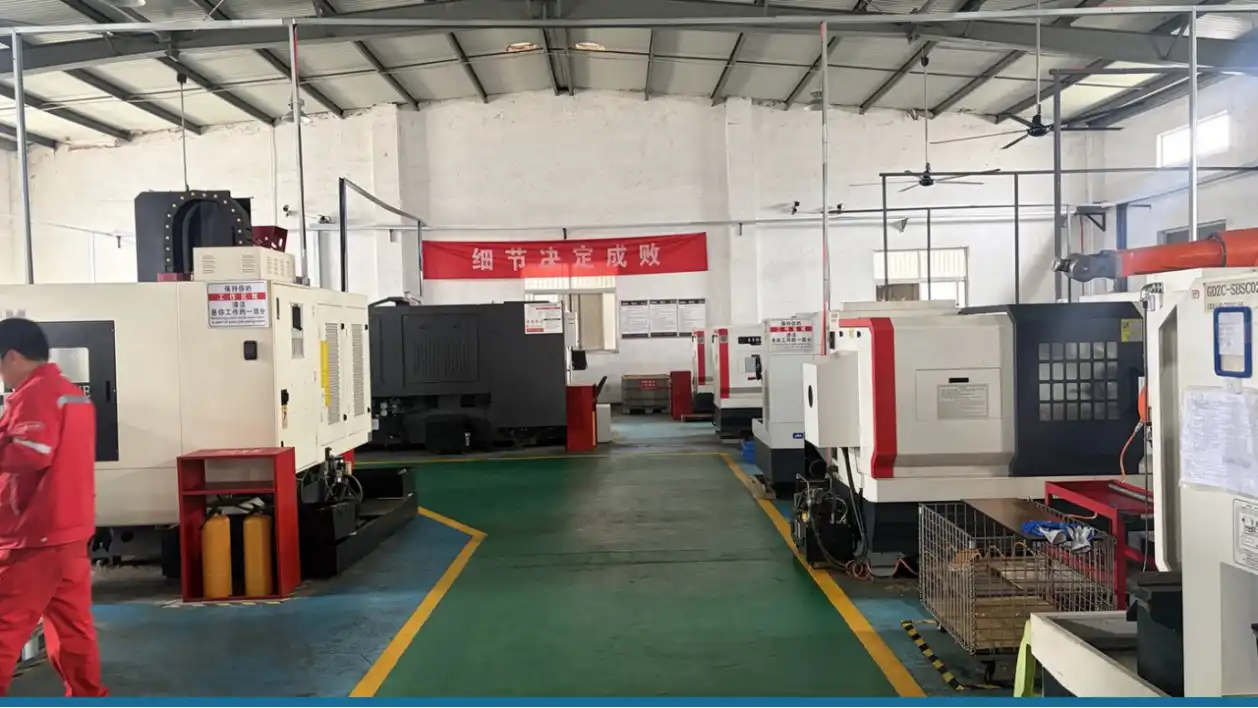
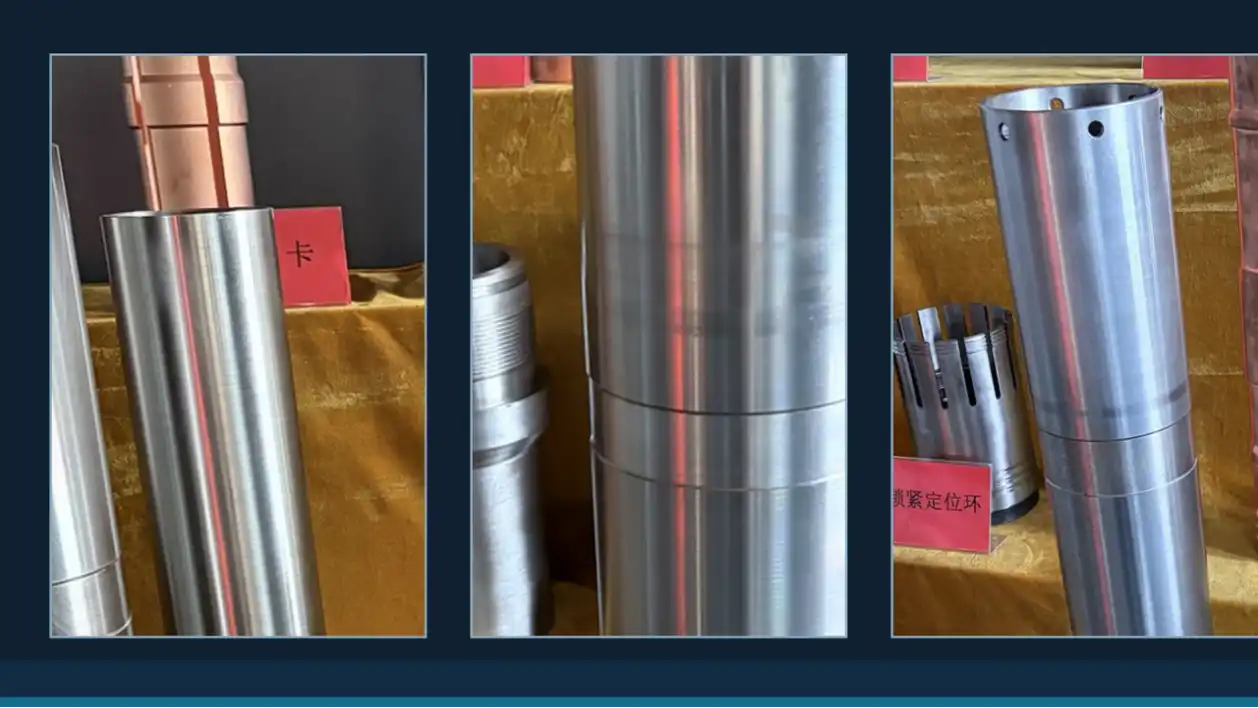
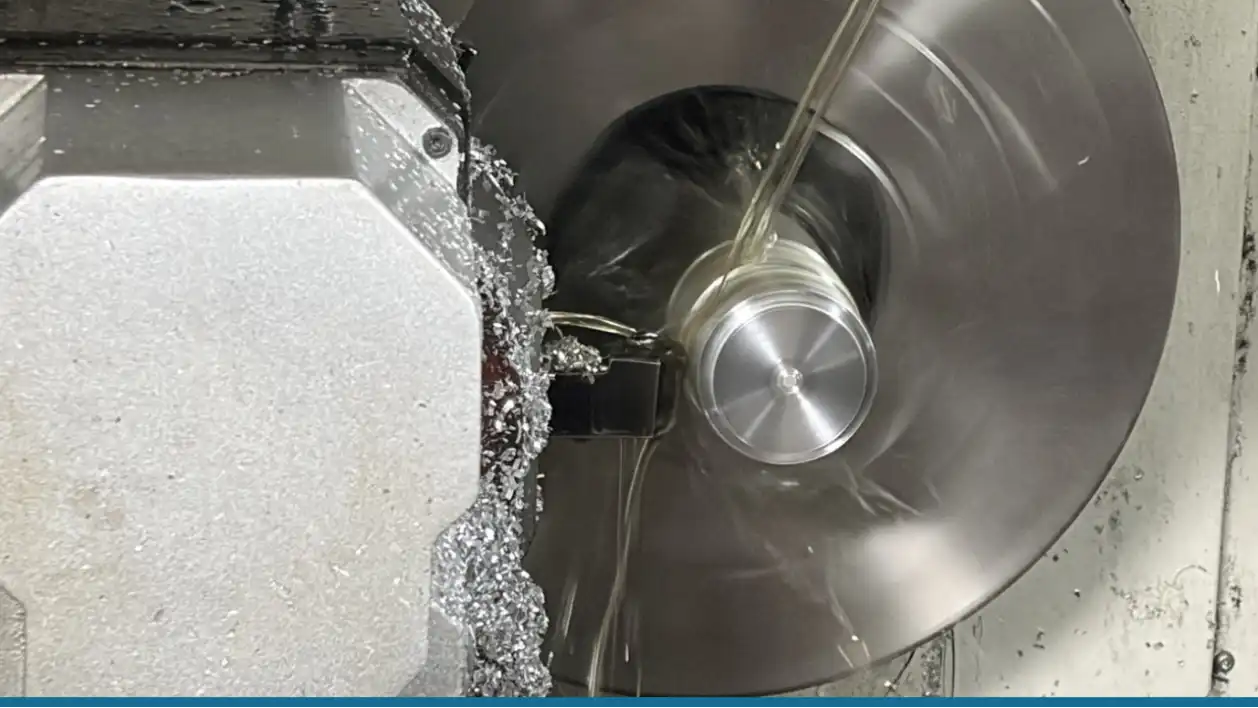
HAGRIEN says it has in-house alloy melting, extrusion and precision machining. The company also provides fabrication of dissolvable magnesium alloy bars to Ø300 mm and material or process changes for changing temperature, salinity, fluid chemistry and dissolution-time needs. These capabilities should be compared with the actual product configuration, available manufacturing records and the technical requirements of the proposed application.
Request drawings, operating instructions, material information, pressure test evidence and dissolution data for field evaluation. The pilot should assess whether the system is operating within defined operational restrictions and if the expected reduction in intervention needed is achieved.
Evaluate Performance, Cost, and Supply for Any Plug-and-Perf Alternative
Compare the Full Completion Cycle
A meaningful comparison is the whole completion cycle, not simply the purchase price of the downhole tool. Running and establishing operations. Pumping. Shifting. Grinding. Cleanout. Equipment redress. Manpower demands. Logistics and non-productive time. The new replacement and the current technique have identical operational limitations.
Planning interventions for extended-reach laterals requires specific consideration. For example, coiled tubing milling may be restricted by reach, friction, and conditions along the wellbore. A lighter intervention design may reduce some of these requirements, but the true benefit is a function of the well and tool configuration.
Measure the plug-and-perf alternative against the established baseline for stage execution, isolation performance, operational reliability, and total time. Evaluate future access separately. Confirm whether the selected design supports the planned logging, coiled tubing, wireline, selective reopening, and refracturing operations. Where access is restricted, document the limitation and its potential effect on future work.
Build the Total Cost Line by Line
Request a quotation that can be compared directly with the project's existing cost model. Group the relevant expenses into four categories:
- Tools and consumables: plugs, perforating guns, sleeves, balls, packers, replacement parts, and other required components.
- Field services and equipment: wireline, perforating, coiled tubing, milling, cleanout, equipment rental, and specialist personnel.
- Operational resources: displacement water, transportation, packaging, mobilization, and other project-specific logistics.
- Schedule and intervention exposure: non-productive time, potential remedial work, additional interventions, and the financial effect of delays.
For every plug-and-perf alternative, identify which costs are expected to disappear, which remain, and which new expenses may arise. Separate confirmed quotation items from estimated savings and assumptions.
A weighted decision matrix can then compare reservoir fit, operational efficiency, intervention flexibility, reliability evidence, lifecycle cost, supplier support, and delivery capability. Set the weights according to the project objectives. A single-well pilot and a multiwell campaign may assign different importance to initial qualification costs, repeatability, and supply consistency. Avoid relying on a headline savings percentage unless its baseline, calculation method, and operating assumptions are documented.
Check Lead Time and Supply Control
The supply strategy has to satisfy the production demands and the operating timetable of the project. HAGRIEN supplies standard dissolvable magnesium alloy bars and is able to offer standard and bespoke supply options. The manufacturer claimed standard sizes will take 2-4 weeks and uncommon needed 4-8 weeks. Before these times may be employed in a project schedule, the requisite dimensions, existing stock, production workload and order configuration have to be confirmed.
HAGRIEN also includes a mechanism for analyzing technical needs and changes to orders. Please confirm the documentation bundle, the delivery stages, packing requirements, export documents and the procedure for amendments in the shipping date before you buy. Terms of trade & shipping options available - please confirm order & destination.
The first thing for any supplier is if the suggested delivery plan is in accordance with the true production state and the deadline for the project. A fixed timeline, defined roles and responsibilities for communication and an escalation system in place provide for a better foundation for planning than a generic assumption regarding lead-time.
Qualify the Supplier and Validate Your Plug-and-Perf Alternative
Ask for Evidence You Can Verify
Management system certifications, validation of individual products, laboratory capabilities and verification of performance in the field should be distinguished in supplier qualification. Each is an independent source of knowledge, to be analyzed individually.
Request relevant API 11D1 and ISO 14310 documentation for packers and bridge plugs as applicable to the product and qualification scope. See the standard version, the validation class, the test setup and the precise statements in the documentation. It’s important not to assume that a company-wide award or certification indicates every product has achieved a specific level of validation.
If the tool is dissolvable, request pressure test results, material information, dissolution data and inspection records for associated dimensions or functions. Where possible, testing should be organized in representative fluids and defined acceptability criteria. The test results should be provided together with the settings under which the tool was evaluated, so that the project team may evaluate their relevance to the expected well.
HAGRIEN is accredited to ISO 9001, ISO 14001 and ISO 45001, has API related recognition and access to a CNAS authorized high temperature high pressure laboratory. Check the supporting papers to see the extent and validity of the necessary certificates, recognition and laboratory accreditation. HAGRIEN also said documents such as COA, COC, SDS, batch traceability and inspection records are available. Review the documents that are relevant for the product selected and will be supplied with the purchase.
Reference data should comprise the test parameters, acceptance criteria and operational constraints utilized by the consultants in making technical or economic comparisons. This makes the last option straightforward to investigate and to defend.
Confirm Technical Support and Crew Training
A tool that is technically appropriate may nonetheless cause issues during operations if the field crew does not grasp the criteria for its installation, activation and verification. Therefore, Technical Support should be considered part of the Completion Design and not an extra service after the purchase.
HAGRIEN says their support offering includes application engineering, remote troubleshooting, process coaching, training and after-sales follow-up. Prior to the pilot, validate the exact services to be provided, the identified technical contact, the support provisions during field operations, and the anticipated response time.
The supplier must supply the appropriate operating sequence, tool handling instructions, contingency advice and post-job assessment requirements and the applicable running method. The field supervisor should check them with the teams assigned to execution and verify that the method meets the actual completion program.
In addition, planning with current wireline, pumping and other service providers may help uncover operational issues and clarify duties . Doing a review together may help mitigate the danger of introducing a new tool without giving due thought to the field process that's been set in stone.
Run a Pilot With a Baseline
Pilots should be built to solve particular technical and business problems. The timeframe will depend on the project timeline, the certification criteria and the time it takes to assess post-job performance; do not assume a set six-to-twelve-month decision period applies to every project.
Prior to the experiment, choose a typical well or limited stage application and record the baseline from similar plug and perf activities. Agree acceptance criteria, responsibilities, needed documents and circumstances under which the trial will be discontinued or evaluated.
During the operation, note the indications related to the completion design. These may include activation success, pressure behavior, stage execution duration, isolation performance, intervention needs and any operational concerns noticed. For a dissolvable tool, describe the method of assessment for dissolution and the evidence that will be required to demonstrate that the tool has satisfied the specified standards.
Factory acceptance testing may be conducted on dimensions, function, pressure performance and dissolution under prescribed circumstances if required. The test plan must specify the procedures, acceptability limits and documentation to be delivered prior to shipping.
Compare the outcomes with the baseline after the task is done. Assess the advantages obtained and the new limits. The project team should describe whether the system may be used more broadly, needs design or procedural adjustments, or should be confined to certain well circumstances. The judgment should be based on the specified criteria and not on expectations developed before the trial.
Match the Plug-and-Perf Alternative to Your Use Case
Fit Technology to Operating Priorities
Technology choice should be driven by operational needs, not by a general like of a completion approach.
Applications where the design allows for dependable shifting and the operating plan is benefited by decreased perforating needs may be suitable for sliding sleeves. Sequential stage access may be achieved using ball actuated devices provided the movement of balls, advancement of seats and future access is handled well. Open-hole systems are borehole and formation dependent. Pinpoint approaches may be acceptable when selective placement of fluids is a concern.
Plug-and-perf should stay in the comparison when its established methods, perforation control, existing service infrastructure or compatibility with future interventions give the greatest overall match. A dissolvable plug and sleeve design should be considered for assessment in applications where wireline operations, perforating logistics or drill-out requirements are major cost or operational issues.
Extended-reach wells, high-cost intervention situations and chosen refracturing programs may be good candidates for deeper assessment but are not obvious fits. Each project will still need an evaluation of pressure and temperature conditions, stage design, deployment feasibility, tool performance and lifecycle access.
Mistakes to Avoid
Four recurring mistakes can undermine a completion technology decision.
First, comparing purchase prices alone overlooks field services, intervention costs, delays, and potential remedial work. Use a consistent full-cycle cost model instead.
Second, overlooking future access can create problems for logging, workover, or refracturing. Document the final internal diameter, access restrictions, and available intervention options before selecting the system.
Third, applying one design to every well ignores differences in lateral length, trajectory, reservoir conditions, and operating requirements. Define the application envelope for each candidate rather than extrapolating from a single successful trial.
Fourth, leaving debris management, erosion, ball movement, or dissolution behavior until after deployment creates avoidable uncertainty. Address these factors during design review and include relevant checks in the test plan.
Supplier capability also matters. Review the evidence supporting product performance, manufacturing consistency, delivery commitments, documentation, field support, and the process for investigating non-conformances. These factors determine whether the system can be deployed reliably under the conditions used in the project model.
Protect Existing Service Relationships
Changing the finishing techniques is not always a breaking of current service connections. Wireline, perforating, pumping and other service providers may continue to service wells that maintain traditional plug-and-perf, while chosen wells are put into a controlled pilot.
Let the appropriate service businesses know up front what the trial is and what you want to get out of it. Review the order of operations, timetable, equipment needs and any conflicts with them. This helps to find gaps before the job and to understand what duties will change.
Consultants should also manage their technical suggestions and assessment criteria. The supplier should give the information necessary to evaluate the supplier’s technology including supporting documentation and operational limits and not substitute sales claims for independent engineering judgment. HAGRIEN's involvement in the process should be to provide necessary technical knowledge and agreed paperwork to assist the review.
Conclusion
Choosing a plug-and-perf alternative is a well-specific engineering decision that should be supported by baseline data, technical evidence, and a defined validation process. Start by identifying the costs and operational constraints in the existing completion method, then assess reservoir conditions, stage count, pumping requirements, trajectory, and future access.
Sliding sleeves, ball-activated sleeves, open-hole packers, cemented liners, and pinpoint stimulation each have different operating requirements. A dissolvable bridge plug paired with a key-activated sleeve may be worth evaluating when wireline operations, perforating logistics, or drill-out requirements are significant contributors to completion time and cost. Its suitability must be established through product-specific evidence and field validation.
A defensible comparison includes the full completion cycle, itemized costs, supplier qualification, crew readiness, delivery capability, and a pilot with written acceptance criteria. The goal is not simply to select a tool with an attractive specification or purchase price, but to determine whether the proposed system delivers measurable benefits within the technical and operational limits of the well.
FAQ
1. Is a plug-and-perf alternative always faster?
No. The outcome depends on the completion design, stage count, well conditions, tool reliability, and crew readiness. Some systems may reduce specific intervention steps, but other operations can offset those savings. Compare total completion time against a documented baseline and use a pilot to determine whether the expected improvement is achieved.
2. What data should I send for a quotation?
Provide the well schematic, casing and completion dimensions, planned stage count, pressure and temperature conditions, fluid and proppant information, well trajectory, delivery location, and any testing or documentation requirements. Include the intended operating sequence and future intervention needs where relevant. HAGRIEN has stated that it aims to confirm technical requirements within 24 hours; confirm the applicable response commitment for your project.
3. Do dissolvable plugs work across different temperatures and brines?
Not necessarily. Dissolution behavior depends on the material and the operating environment, including fluid chemistry, salinity, temperature, and exposure time. Ask for test data that represents the intended conditions and agree on the required performance window before deployment. Any proposed adjustment to alloy or process parameters should be supported by product-specific evidence rather than assumed to guarantee a particular dissolution time.
3. Can consultants get data for modeling?
Request the technical parameters, test records, material information, applicable certificates, and documentation needed to assess the proposed system. Reference cases should include their operating conditions and the limitations that affect how the results can be applied to another well. HAGRIEN identifies COA, COC, SDS, batch traceability, and inspection records as available documentation; confirm the specific documents applicable to the product under review.
Talk to HAGRIEN About Your Plug-and-Perf Alternative Pilot
Planning a pilot and evaluating a plug-and-perf alternative supplier? Contact HAGRIEN at cyrus@us-hagrien.com with your well schematic, planned stage count, operating pressure and temperature, and fluid information. These details help establish the initial application requirements and identify the additional information needed for a technical review.
HAGRIEN has stated that it aims to confirm requirements within 24 hours and provide a formal quotation and delivery plan within 1 to 3 business days. These timelines should be confirmed for the specific project, particularly when custom specifications, additional testing, or complex operating conditions are involved. Visit us-hagrien.com for further information.
References
1. Society of Petroleum Engineers, "Hydraulic Fracturing of Horizontal Wells: Issues and Insights," SPE-140134-MS, 2011. Verify the publication details and relevance to the specific technical claims before citation.
2. Economides and Nolte, Reservoir Stimulation, Third Edition, Wiley, 2000. Use for relevant background on stimulation engineering, not as direct evidence of a specific modern tool's performance.
3. American Petroleum Institute, API Specification 11D1: Packers and Bridge Plugs, 2009. Verify the applicable edition and product-specific requirements before relying on this reference.
4. International Organization for Standardization, ISO 14310: Downhole Equipment, Packers and Bridge Plugs, 2008. Verify the applicable edition and validation requirements.
5. U.S. Energy Information Administration, "Today in Energy: Hydraulic Fracturing Accounts for About Half of Current U.S. Crude Oil Production," 2016. Historical context only; it does not establish the current economic value of a particular completion technology.
6. International Organization for Standardization, ISO 9001: Quality Management Systems, 2015. A management-system standard; it does not by itself establish the performance of a specific downhole tool.

USER EVALUATE
Here is the customer's evaluation of us