_1776908283214.jpg)




Biodegradable Magnesium Alloys: From the Lab to the Operating Room How controlled degradation, materials engineering, and manufacturing precision are shaping the future of temporary medical implants.
Biodegradable Magnesium Alloys: From the Lab to the Operating Room
How controlled degradation, materials engineering, and manufacturing precision are shaping the future of temporary medical implants.

Why should a medical implant stay in the body after its job is done?
Permanent metal implants have transformed modern surgery. Stainless steel and titanium-based devices can stabilize fractures, support vessels, and restore function. Yet when temporary support is all that is needed, a permanent device can create another engineering and clinical question: what happens after the tissue heals? Some patients may require a second removal procedure, while others live with material that no longer provides a necessary therapeutic function.
Biodegradable magnesium alloys offer a different design philosophy. Instead of treating lifetime material stability as the only objective, researchers aim to design implants that maintain adequate performance during an essential healing window and gradually lose mass afterward. The goal is not simply to make a metal dissolve; it is to synchronize structural support, local biology, corrosion behavior, and the body’s recovery process.
Medical magnesium is a rapidly evolving biomaterials field, but commercialization depends on rigorous evidence. An oil-and-gas dissolvable magnesium alloy is not automatically suitable for implantation, even if both systems rely on magnesium corrosion. Medical-grade design requires a different level of control over impurities, toxicology, sterilization, clinical benefit, device manufacturing, and regulatory compliance.
1. What makes magnesium attractive for temporary implants?
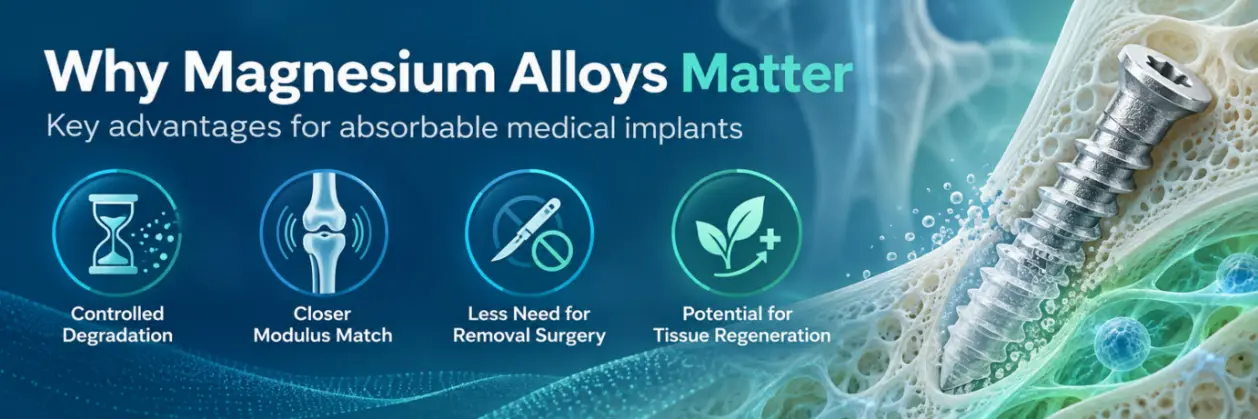
A closer mechanical match to bone. Magnesium alloys can exhibit an elastic modulus broadly around 35–45 GPa, depending on composition and processing. This is substantially lower than that of many titanium alloys (commonly near 110 GPa) and may reduce the mismatch between a rigid implant and native bone. Actual stress-shielding behavior still depends on implant geometry, the specific bone site, fixation strategy, and loading conditions.
A material that can biodegrade. Magnesium reacts with aqueous environments, forming corrosion products while releasing magnesium ions and hydrogen gas. For a temporary implant, such behavior can be useful only when the loss of mechanical integrity follows the healing schedule rather than preceding it. Degradation must be measured under relevant conditions, not extrapolated from a single laboratory fluid or a generic corrosion rate.
Biological relevance—but not automatic biological safety. Magnesium ions participate in normal physiological processes, and controlled magnesium release is being studied for its interactions with cells and bone regeneration. However, the presence of a physiological element does not make every magnesium alloy biocompatible. Local concentration, alloying elements, impurities, surface condition, and degradation products all matter.
The possibility of avoiding some removal procedures. In selected indications, an absorbable implant may eliminate the need to surgically retrieve a temporary component. This is an application-dependent possibility, not a universal promise: many conventional implants do not require removal, and the clinical benefit of any new device must be demonstrated.
2. Where is medical magnesium being investigated or used?
Orthopedics and bone fixation
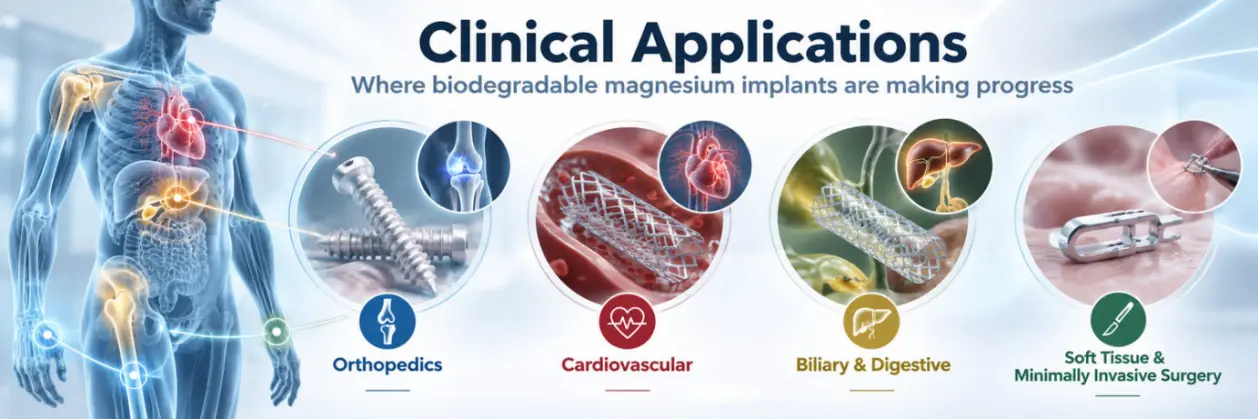
Orthopedic applications are among the most developed uses of biodegradable magnesium. Screws, pins, and other fixation devices can deliver temporary stabilization while the bone heals. Research also investigates plates, intramedullary devices, porous scaffolds, and interfaces that support bone repair. Clinical experience already exists for selected magnesium-based fixation products, but indications, approved markets, performance, and labeling differ by product and jurisdiction.
Oral and maxillofacial reconstruction
Magnesium-based barrier membranes and fixation concepts are under development or in commercial use in certain jurisdictions for guided bone regeneration and dental-related procedures. The intended function differs
from that of a load-bearing screw: a barrier may need to preserve space and resist tissue intrusion until new bone forms. Degradation timing and tissue response are therefore distinct design requirements.
Cardiovascular scaffolds
Magnesium-based bioresorbable coronary scaffolds have progressed through clinical studies. Their rationale is temporary vessel support followed by resorption. However, vessel healing, restenosis, thrombosis, recoil, and longer-term performance remain critical outcomes. A 2025 systematic review found promising 12- and 24-month results for selected magnesium-based scaffolds while still calling for additional randomized evidence before broad preference over contemporary drug-eluting stents.
Biliary, digestive, and minimally invasive devices
Bioresorbable magnesium technology is also being investigated for biliary support, gastrointestinal applications, clips, anastomosis-related components, and other temporary devices. These concepts should not all be described as clinically established. Each tissue environment has different fluid chemistry, microbial exposure, mechanical requirements, and acceptable corrosion windows.
Neurosurgery and tissue engineering
Exploratory studies include cranial fixation systems, porous bone substitutes, nerve-related devices, and biofunctional magnesium composites. These projects illustrate how far the research extends beyond conventional screws, but evidence ranges from laboratory work to preclinical studies and selected clinical translation initiatives.
3. The real challenge: keeping the right strength for the right time
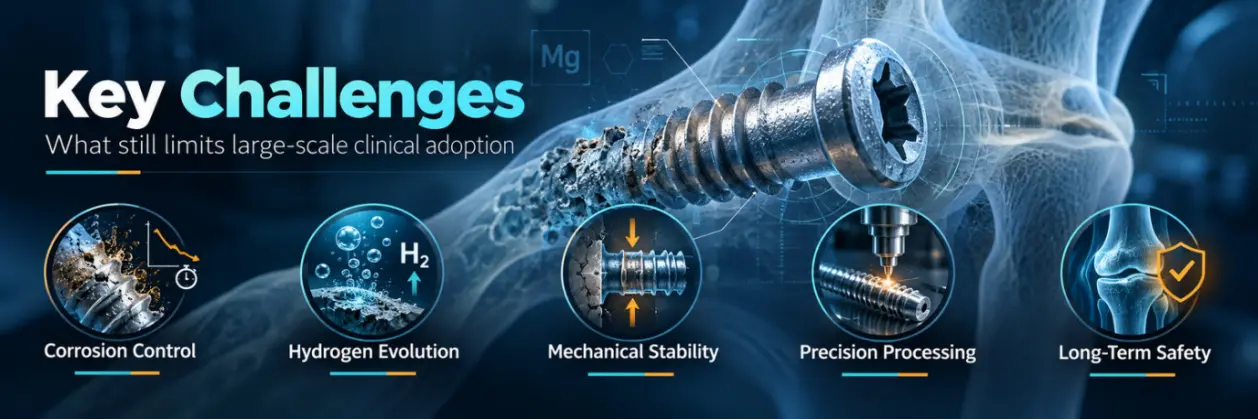
Corrosion rate control. Magnesium can degrade too rapidly in physiological media. A structure that loses strength before tissue has healed can fail even when its overall biocompatibility appears promising. Corrosion performance must account for surface condition, pH, protein content, ion concentrations, fluid flow, and localized corrosion—not simply an annualized millimeter-per-year figure.
Hydrogen evolution and local reaction products. Magnesium corrosion can generate hydrogen and change the local chemical environment. Gas accumulation, alkalization, or concentrated reaction products may disrupt tissue healing. These risks require characterization and may demand both material and surface-engineering solutions.
Mechanical integrity and fatigue. Temporary does not mean mechanically unimportant. A bone screw must resist loading and a vascular scaffold must sustain acute radial support. Alloy composition, grain size, texture, residual stress, and processing defects can affect corrosion-assisted cracking and fatigue life.
Precision manufacturing. Medical implants often require fine features, tight dimensional tolerance, and reproducible microstructure. Machining, forming, joining, and additive manufacturing methods may alter local chemistry and surface integrity, affecting degradation. Geometry and process selection therefore belong in the biomaterials design process from the outset.
Repeatability, sterilization, and clinical validation. A device requires reproducible material lots and a validated process. Biocompatibility studies, sterilization compatibility, packaging integrity, shelf life, performance tests, and clinical/regulatory evidence are not optional extensions of ordinary industrial quality control.
4. Engineering pathways toward more predictable magnesium implants
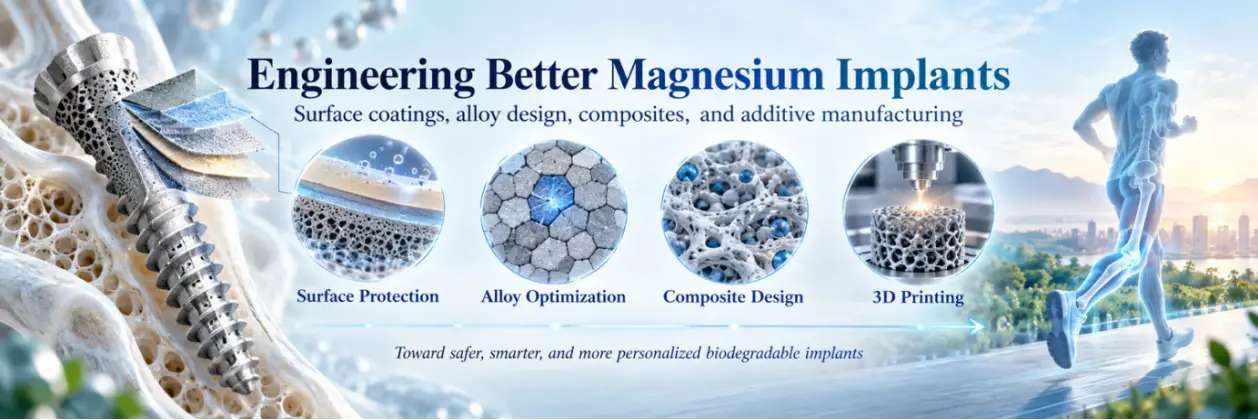
Surface protection and functional coatings
Researchers evaluate anodizing, conversion layers, plasma-electrolytic oxidation, deposition methods, calcium-phosphate coatings, and biodegradable polymer coatings. These approaches can delay initial attack or modify the tissue interface. A successful coating must remain coherent during device handling, sterilization, and mechanical loading; a coating that simply slows corrosion in a laboratory coupon is not necessarily sufficient for an implant.
Alloy chemistry and microstructure design
Composition and impurity limits influence electrochemical behavior. Processing determines grain size, intermetallic distribution, texture, and residual stresses. Medical alloy selection also includes toxicological assessment of every intentional element and relevant trace impurity. Materials that work well in oilfield fluids cannot be qualified for human use through corrosion data alone.
Composites and biofunctional interfaces
Combination systems with polymers, ceramics, or other bioactive constituents are being studied to tune mechanical response, early corrosion, and tissue interactions. Growth-factor delivery and cell-responsive surfaces are active research areas, but any claimed regenerative or antimicrobial outcome requires indication-specific evidence.
Additive manufacturing and personalized geometry
3D printing can create lattice structures and anatomically adapted designs. At the same time, high surface area, porosity, defects, and variable local microstructure can accelerate or destabilize degradation. Post-processing, inspection, and reproducibility are as important as design freedom.
5. What should engineers and procurement teams ask suppliers?
Before discussing prototype price, define the intended use and regulatory pathway, then establish the required strength-retention period. Next, specify chemical composition and impurity limits; dimensional and microstructural tolerances; test media and corrosion protocols; surface treatment; cleanliness; biocompatibility endpoints; traceability; and documented acceptance criteria. A credible supplier discussion should separate research-grade samples, process-development materials, and actual implantable-device components.
For early-stage R&D, technical conversations may center on melt chemistry, extrusion response, CNC feasibility, batch reproducibility, and testing methods. Moving from those industrial capabilities to a medical device is a separate qualification project involving healthcare-specific standards, evidence generation, risk management, and appropriate regulatory oversight.
6. What this means for HAGRIEN and the magnesium supply chain
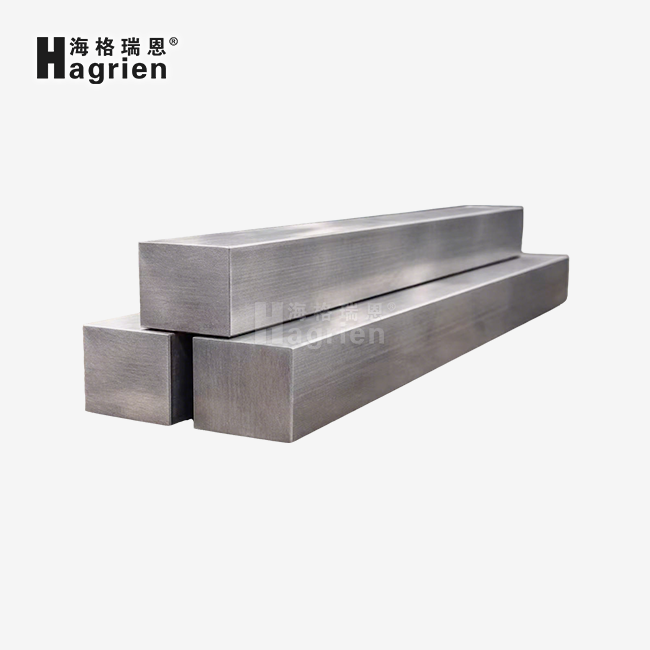
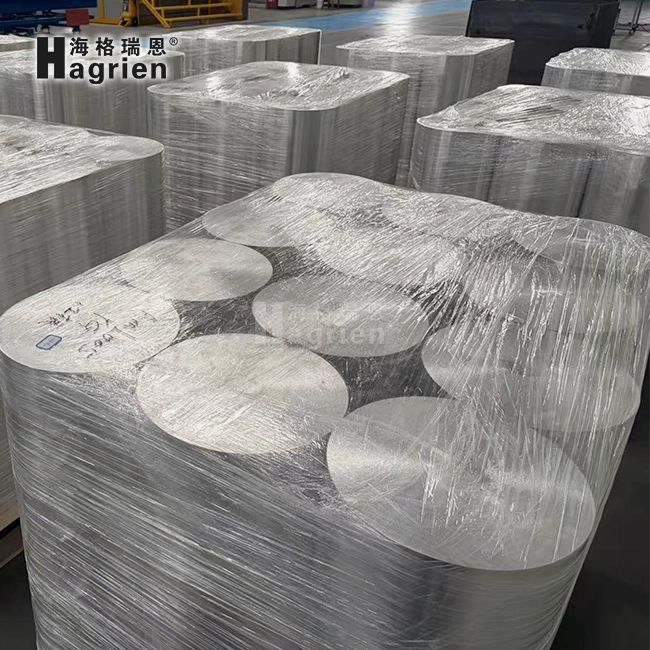
HAGRIEN’s established field is magnesium materials, alloy development, extrusion, CNC machining, and industrial dissolvable components, primarily for energy and other engineered applications. The medical sector demonstrates a broader lesson in materials engineering: successful magnesium components require control over composition, microstructure, surface state, service environment, and the required time-dependent performance.
HAGRIEN shares this industry-knowledge article to discuss materials science and manufacturing principles. This article does not claim that HAGRIEN currently manufactures implant-grade magnesium, FDA-cleared devices, CE-marked medical products, or materials approved for implantation. Any potential healthcare-related collaboration would require a separate feasibility, quality-system, and regulatory assessment.
Conclusion: controlled degradation is a design discipline
The most important question is no longer whether magnesium can corrode; it is whether engineers can predict how a specific component will behave as it fulfills its clinical role. Progress in alloy chemistry, surface treatment, manufacturing precision, and clinical evidence is helping answer that question. Biodegradable magnesium offers meaningful potential, but each application must earn its place through reproducible data—not a headline or a general material claim.
Contact Us
Interested in discussing magnesium alloy processing, extrusion, CNC manufacturability, or industrial material characterization? Contact HAGRIEN to explore an engineering conversation. For medical applications, all projects remain subject to separate feasibility review, qualification, and regulatory evaluation.
Email: cyrus@us-hagrien.com | Telephone: +86 29-87688776 | WhatsApp: +1 346 762 7100 | Website: https://www.us-hagrien.com/contact-us/

USER EVALUATE
Here is the customer's evaluation of us